Understanding Religious Diversity in the Classroom
24 March 2026
In today's increasingly globalized and interconnected world, classrooms have become a melting pot of cultures, beliefs, and traditions. As educators, understanding religious diversity isn't just about being politically correct or ticking off a box in your curriculum. It’s about creating an inclusive environment where every student feels respected and valued, regardless of their religious beliefs. But how exactly do you navigate such a complex and sensitive topic? Let’s dive into it.
What Is Religious Diversity?
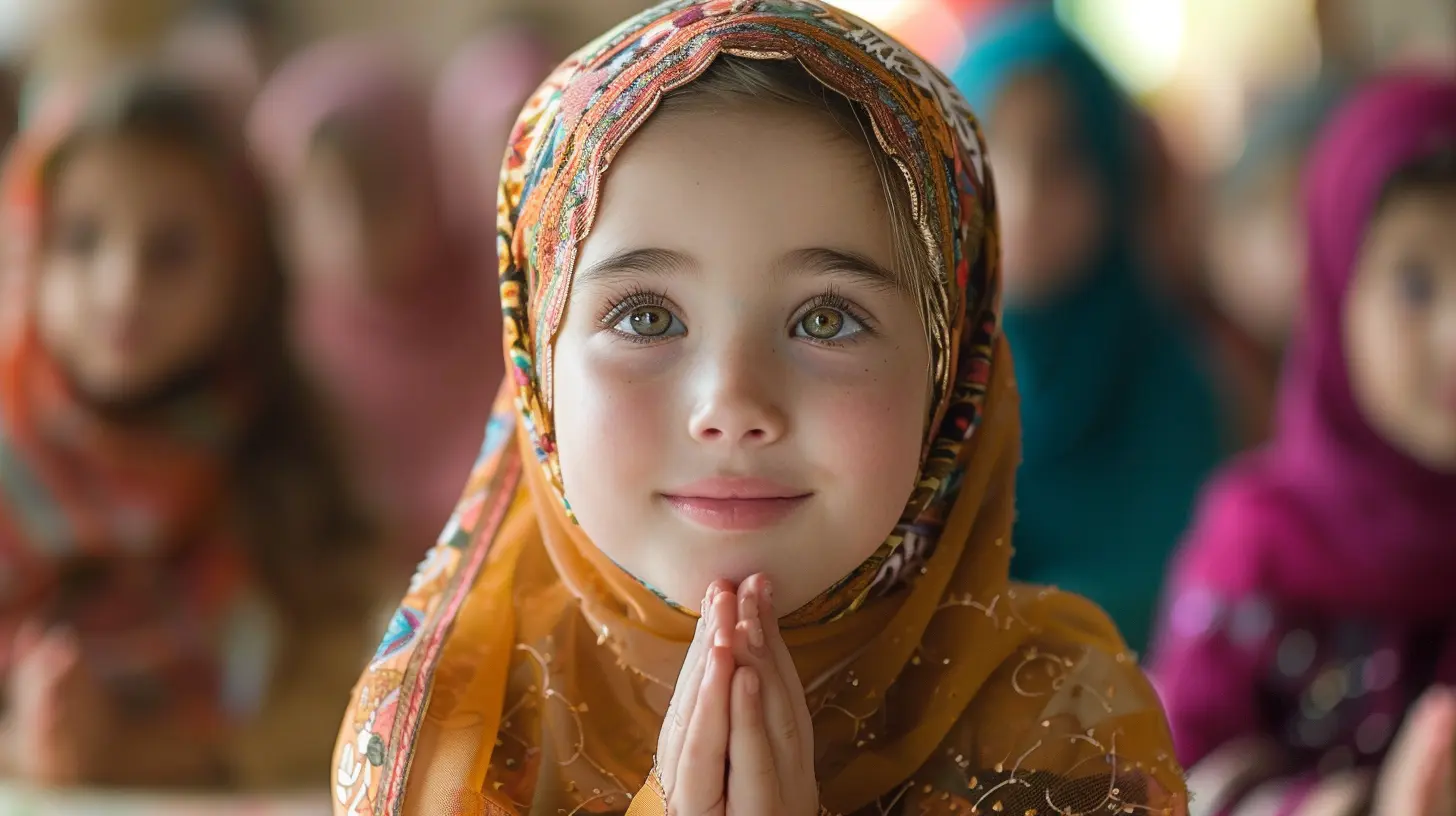
Before we get into the nitty-gritty, let’s clarify what we mean by "religious diversity." Simply put, it refers to the variety of religious beliefs, practices, and traditions that exist among people. In the classroom context, this diversity can range from students who are Christian, Muslim, Hindu, Jewish, Buddhist, or Sikh, to those who identify as atheists, agnostics, or follow indigenous spiritual practices.Just like diversity in race, gender, or socioeconomic status, religious diversity shapes the way students interact with the world, perceive knowledge, and engage with others. In classrooms, this can manifest in different ways—whether it’s students practicing their faith through attire, dietary restrictions, or even holidays. And as a teacher, understanding these differences can make a world of difference in creating an inclusive learning environment.
Why Religious Diversity Matters in Classrooms
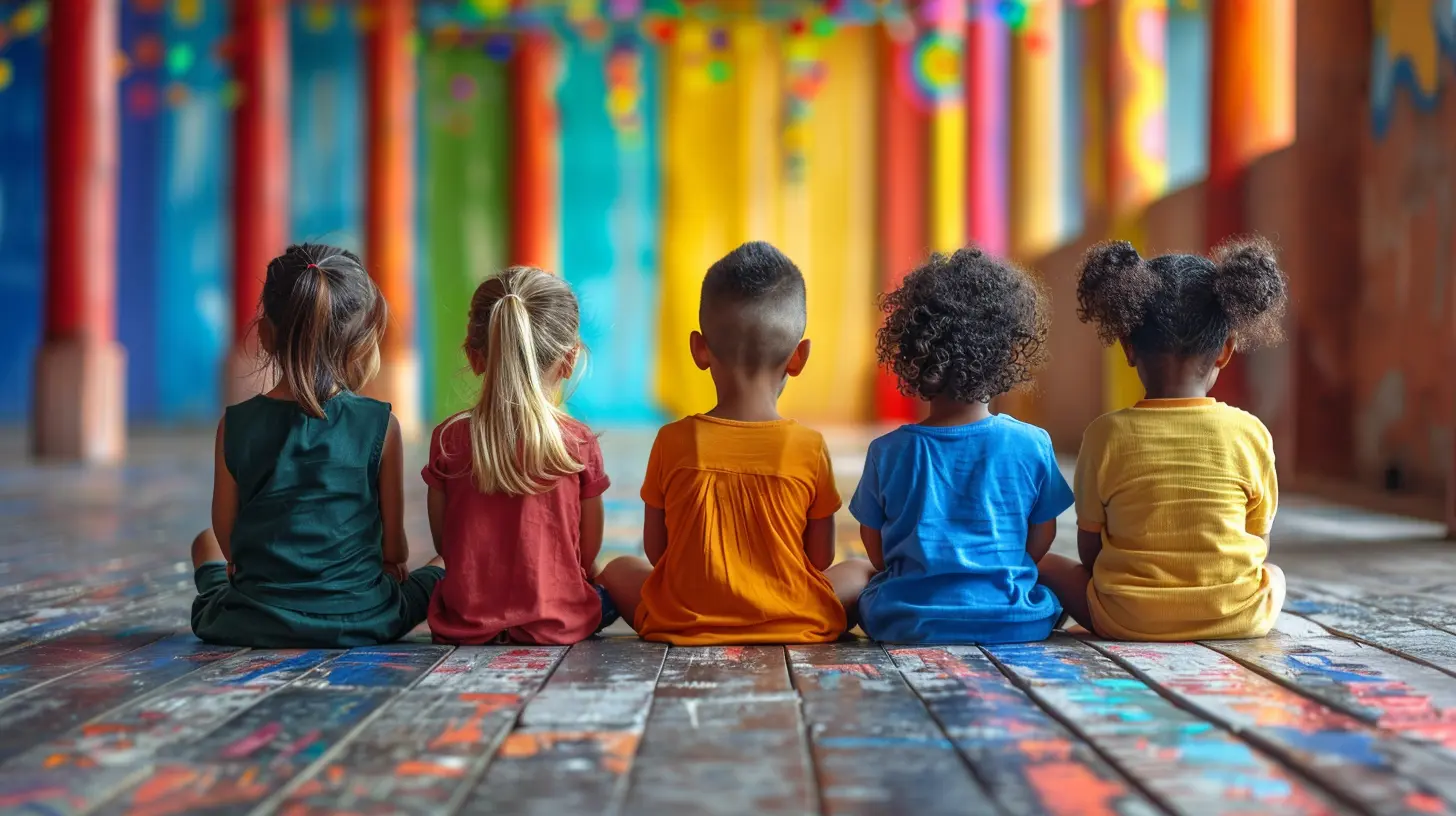
You might be wondering, "Why should I care about religious diversity? Isn’t the classroom supposed to be neutral?" Well, here’s the deal: ignoring religious diversity isn’t neutrality. In fact, it often leads to exclusion, even if unintentionally.Let’s face it—schools are not just places where students learn math or history. They are also environments where students develop social skills, values, and a sense of identity. If a student’s religious beliefs aren't acknowledged or respected, it can affect their self-esteem, mental health, and overall academic performance.
Moreover, understanding and respecting religious diversity fosters empathy and tolerance among students. When kids grow up in an environment where they are exposed to different worldviews, they are more likely to be open-minded and less likely to harbor prejudices.
Real-World Example: Celebrating Holidays
Consider a scenario where every year, the school hosts a Christmas party, and all the students are expected to participate. While this sounds like fun to many, what about the students who don’t celebrate Christmas due to their religious beliefs? Maybe they are Muslim, Jewish, or Hindu. How would they feel being left out of such festivities?Instead of focusing on just one religious holiday, a more inclusive approach would be to celebrate a variety of holidays—Diwali, Eid, Hanukkah, and others. This simple change not only ensures that all students feel included but also educates others about different religious traditions.
Common Challenges Teachers Face With Religious Diversity
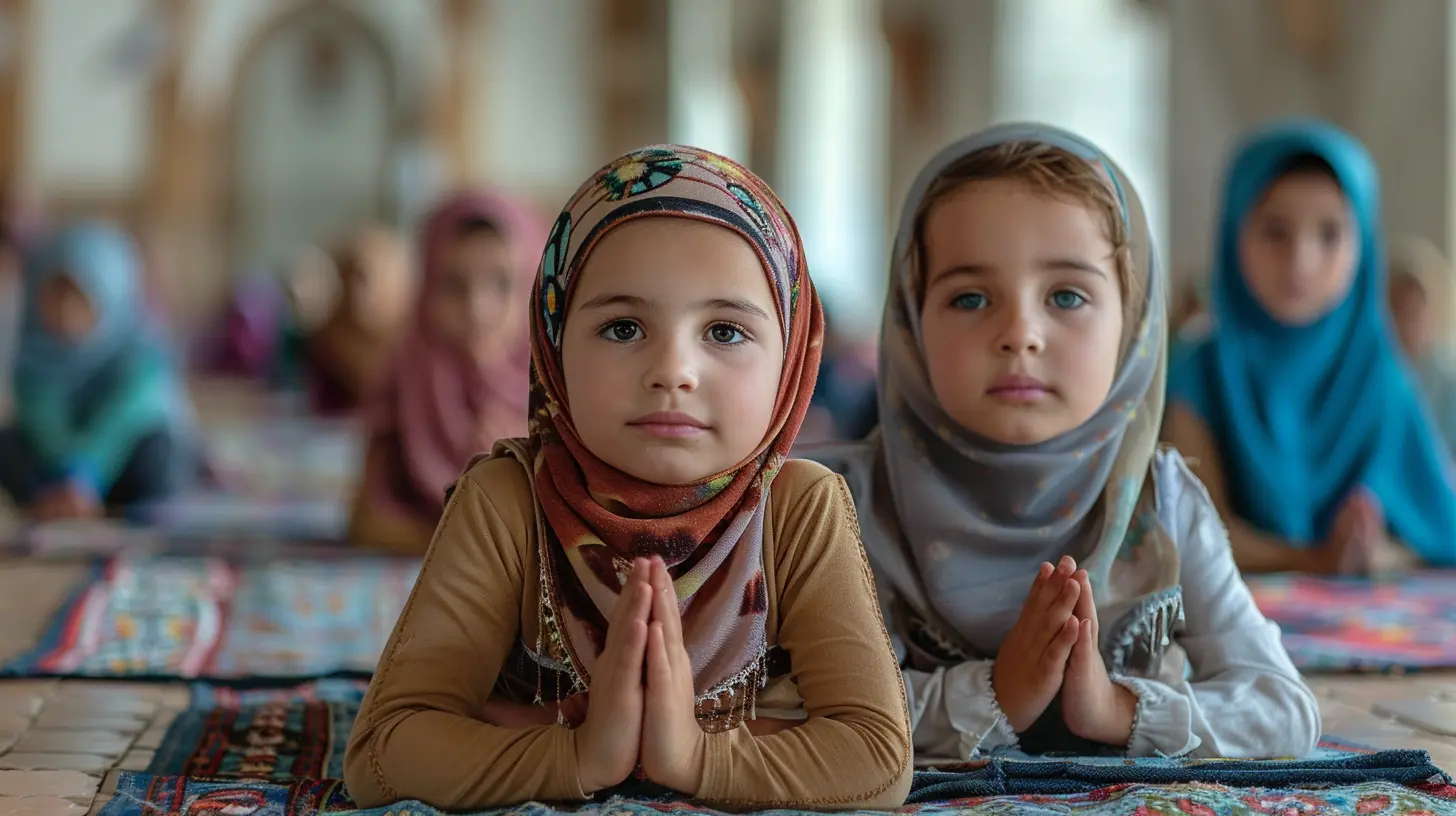
Religious diversity in classrooms, while enriching, can also come with its own set of challenges. From misunderstandings to unintentional biases, teachers often find themselves walking a tightrope. Here are a few common challenges you may encounter:1. Lack of Knowledge About Different Religions
It’s hard to be inclusive if you don’t know what you’re dealing with. Many teachers (understandably) may not have a deep understanding of every religion represented in their classrooms. This can sometimes lead to awkward situations or even unintentional disrespect.For example, a teacher might not know that certain students need to pray at specific times of the day or that they can’t eat certain foods during religious fasting periods. These can seem like minor issues, but for the student involved, it’s a big deal.
Solution: You don’t need to be an expert on every religion, but having a basic understanding of the major religions represented in your classroom can go a long way. There are plenty of resources online, and you can even ask your students to share about their faith (if they are comfortable) as part of a lesson on diversity.
2. Balancing Religious Expression and Neutrality
It’s a fine line—on one hand, you want to allow students to express their religious identity, but on the other hand, you don’t want to promote one religion over another or create an environment where some students feel uncomfortable.For instance, a student might want to wear religious attire like a hijab, kippah, or turban, while another student might be uncomfortable with overt displays of religious symbols. How do you strike the right balance?
Solution: It’s all about creating a respectful space where students are free to express their beliefs without imposing them on others. Establish clear guidelines that respect individual freedom while maintaining a neutral, inclusive environment.
3. Addressing Religious Conflicts
Let’s be real—religion can be a touchy subject, and there may be times when religious differences lead to conflicts among students. A student might make an insensitive comment about another student’s faith, or there might be misunderstandings that escalate into bigger issues.Solution: Teach your students about empathy and tolerance early on. Create a classroom culture where differences are celebrated, not ridiculed. Address conflicts head-on with compassion and understanding, and make sure students know that discriminatory behavior will not be tolerated.
Practical Strategies for Teachers to Support Religious Diversity
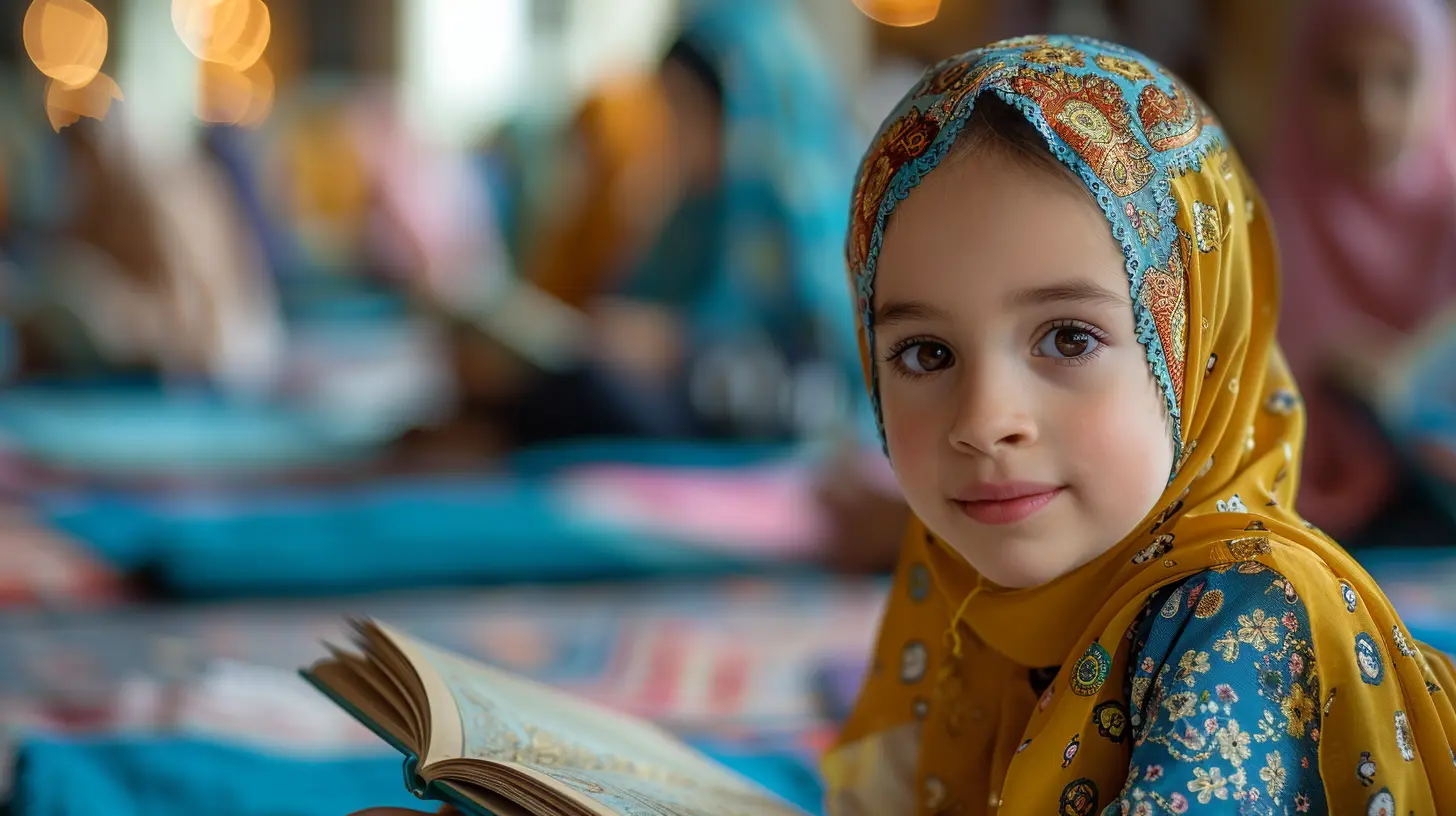
Understanding religious diversity is one thing, but how do you put that knowledge into action? Here are some practical strategies you can implement in your classroom to support religious diversity.1. Create an Inclusive Curriculum
One of the easiest ways to promote religious diversity is by incorporating it into your curriculum. This doesn’t mean you need to teach religion (unless you’re in a religious studies class), but you can include a variety of perspectives when covering topics like history, literature, or social studies.For example, when teaching about historical events, try to include the religious context. When reading literature, select books that represent a variety of religious perspectives. This not only educates students about different faiths but also normalizes religious diversity in your classroom.
2. Celebrate Cultural and Religious Holidays
We touched on this earlier, but it’s worth repeating: celebrating a variety of religious and cultural holidays is a great way to make your classroom more inclusive. This doesn’t mean you have to go overboard with decorations or parties. Even a simple acknowledgment of different holidays and their significance can go a long way.You can also encourage students to share how they celebrate their religious holidays with the class. This not only promotes understanding but also gives students a chance to feel proud of their cultural identity.
3. Provide Accommodations for Religious Practices
Many religions have specific practices that may require accommodations in the school setting. These could include prayer times, fasting, or dietary restrictions. While it’s important to maintain school rules, it’s equally important to be flexible and provide reasonable accommodations whenever possible.For instance, if a student needs to pray during the school day, try to find a quiet space where they can do so. If a student is fasting, make sure they aren’t pressured to eat during lunch or snack time. Small gestures like these can make a huge difference in helping students feel respected and included.
4. Foster Open Conversations
Students are naturally curious, and they will likely have questions about different religions and beliefs. Instead of shying away from these conversations, encourage them! Of course, you’ll need to set ground rules to ensure that everyone remains respectful, but fostering open dialogue about religious diversity can lead to greater understanding and empathy.You might even want to dedicate a lesson or two to exploring different religions and encouraging students to share their own experiences. This can help demystify certain practices and break down stereotypes.
5. Be Mindful of Language
Sometimes, the language we use can unintentionally exclude or offend others. For instance, using phrases like "Merry Christmas" in December might make students who don’t celebrate Christmas feel left out. A better approach would be to say "Happy Holidays" or acknowledge a variety of celebrations.Also, be careful with terms that might carry religious or cultural baggage. For example, avoid terms like “pagan” or “heathen” when discussing ancient religions, as these terms can have negative connotations.
The Role of Students in Embracing Religious Diversity
While teachers play a crucial role, students also need to actively participate in creating an inclusive environment. Encouraging students to be curious, respectful, and empathetic toward their peers' religious practices can go a long way. Peer education is one of the most powerful tools in promoting an inclusive environment.1. Encourage Peer Learning
Students often learn more from each other than they do from textbooks. Encourage group projects or discussions where students can share their own cultural or religious backgrounds. This not only promotes understanding but also gives students a platform to express themselves.2. Promote Empathy and Understanding
Encourage students to "walk a mile in someone else’s shoes." Ask them to consider how they would feel if their religious practices were misunderstood or ridiculed. Empathy is a powerful tool for breaking down barriers and can help foster a more inclusive classroom environment.
Conclusion
Understanding and embracing religious diversity in the classroom is not just a nice-to-have—it’s a must. In a world that’s becoming more interconnected by the day, it’s essential to equip students with the knowledge and skills to navigate and respect different belief systems. As a teacher, you have the unique opportunity to shape young minds and foster an environment where all students feel valued, respected, and understood.So, the next time you walk into your classroom, think about how you can make it more inclusive for students of all religious backgrounds. It may take some extra effort, but the benefits are well worth it.
all images in this post were generated using AI tools
Category:
Cultural AwarenessAuthor:

Olivia Chapman
Discussion
rate this article
2 comments
Meredith McGill
This article highlights the importance of embracing religious diversity in educational settings. Acknowledging and respecting different beliefs fosters an inclusive atmosphere where all students feel valued. As educators, it's essential to create opportunities for dialogue and understanding, promoting empathy and collaboration among students from various backgrounds. This reflection is crucial for holistic learning.
April 2, 2026 at 5:00 AM
Olivia Chapman
Thank you for your insightful comment. I completely agree that fostering an inclusive environment through dialogue and understanding is key to enriching the learning experience for all students.
Clara Wagner
This article beautifully highlights the importance of fostering inclusivity in diverse classrooms.
March 27, 2026 at 6:04 AM
Olivia Chapman
Thank you! I'm glad you found the article impactful in promoting inclusivity.