Unraveling the Mysteries of Ancient Egypt
14 March 2026
Ah, Ancient Egypt — the land of golden sands, towering pyramids, and gods with the heads of animals. It’s a world that captures the imagination like no other. From the moment you hear the word "pharaoh," you're probably picturing a grand tomb, a hidden curse, or even a massive stone statue staring down through the ages. But how much do we really know about this fascinating civilization that thrived over 5,000 years ago?
In this article, we’re peeling back the layers of time and diving deep into the captivating world of Ancient Egypt. We’ll tackle the big questions, explore what made their society tick, and shed some light on the things that continue to puzzle historians to this day.
Table of Contents
1. The Allure of Ancient Egypt2. A Timeline That Stretches Back Millennia
3. Gods, Goddesses, and the Life Beyond
4. The Building of the Pyramids – Fact vs. Fiction
5. Hierarchy and Daily Life in Ancient Egypt
6. Hieroglyphics – The Original Emojis?
7. The Famous Ones: Pharaohs You Should Know
8. The Role of Women in Ancient Egypt
9. Science, Math, and Medicine – Ancient Egypt Was Ahead of Its Time
10. Why Ancient Egypt Still Matters Today
The Allure of Ancient Egypt
Seriously, what is it about Ancient Egypt that makes it eternally fascinating? Is it the mysterious tombs? The golden treasures? The idea of curses and long-lost secrets? Probably all of the above. This civilization holds a unique place in our collective imagination – like a priceless time capsule buried beneath layers of sand and myths.For centuries, explorers, archaeologists, and ordinary folks like you and me have been drawn to its mystique. And guess what? Despite all we’ve uncovered, there's still so much that remains hidden or misunderstood. Ancient Egypt is, in many ways, the ultimate historical riddle.
A Timeline That Stretches Back Millennia
Let’s put it into perspective — Ancient Egypt didn’t just pop up and vanish overnight. Nope. It flourished for more than 3,000 years! That’s longer than just about any other civilization. Here’s a super-simplified breakdown:- Pre-Dynastic Period (before 3100 BCE): Small farming communities begin to thrive along the Nile River.
- Old Kingdom (c. 2686–2181 BCE): The age of the great pyramids; pharaohs solidify their god-like status.
- Middle Kingdom (c. 2055–1650 BCE): A period of stability and reorganization.
- New Kingdom (c. 1550–1070 BCE): Egypt reaches its peak in power, wealth, and culture.
- Late Period and Greek/Roman Influence: The civilization eventually gets wrapped into the Greek and Roman empires.
The time span alone is mind-boggling. Think about it — Cleopatra lived closer to the time of the iPhone than to the building of the Great Pyramid!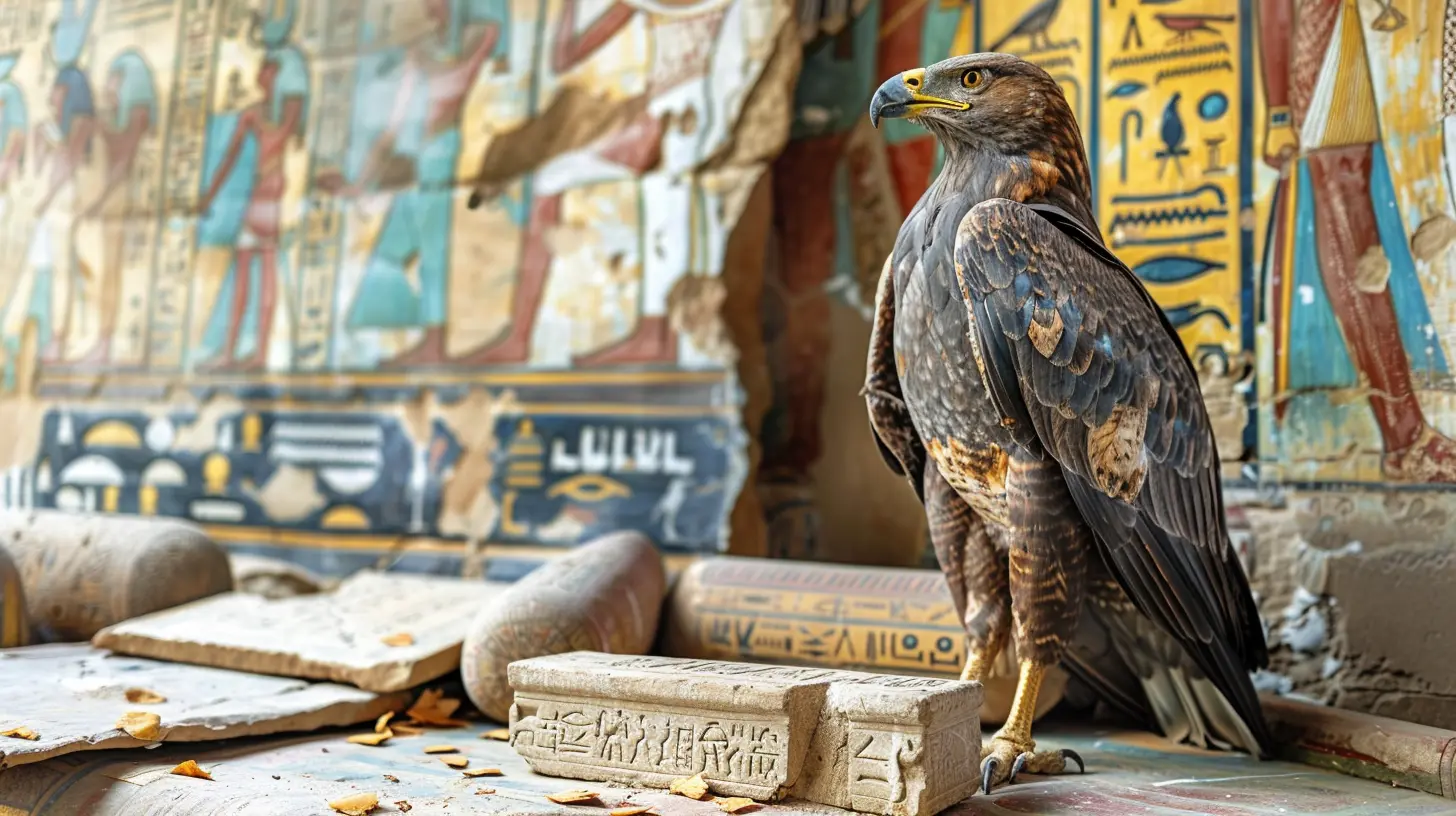
Gods, Goddesses, and the Life Beyond
If you thought modern religion was complex, Ancient Egyptian beliefs would blow your mind. Their gods and goddesses had entire soap-opera storylines, with power struggles, love affairs, and family drama.Each god symbolized something unique—Ra was the sun god, Osiris ruled the afterlife, and Anubis handled mummification. And get this: your heart was weighed against a feather when you died. Too heavy with bad deeds? You’d get eaten by a demon. Talk about high stakes!
To the Egyptians, preparing for the afterlife wasn’t just about crossing fingers and hoping for the best. They spent their entire lives planning for what happened after death. Hence, the elaborate tombs, mummies, and rituals.
The Building of the Pyramids – Fact vs. Fiction
Let’s tackle the elephant in the room — the pyramids. Built over 4,500 years ago, these structures have stumped scholars forever. How did people without modern machinery move 2-ton stones with such precision?No, aliens didn’t do it (sorry, History Channel). The answer lies in genius engineering, an army of skilled workers (not slaves, by the way), and a whole lot of manpower. These workers were well-fed and housed — kind of like a massive construction company today.
Still, questions remain. We don’t have a step-by-step manual on how they did it, so the awe and mystery continue.
Hierarchy and Daily Life in Ancient Egypt
Imagine society as a giant pyramid (pun intended), with the pharaoh sitting pretty at the top. Below him were nobles, priests, scribes, merchants, and farmers. At the bottom? Laborers and servants.But life wasn’t all work and no play. Egyptians loved music, board games (ever heard of Senet?), and delicious food. They even brewed beer — yes, beer!
Most people lived near the Nile, farming the nutrient-rich land. Life revolved around the annual flooding of the river, which provided water and fertile soil. It was both a blessing and a challenge.
Hieroglyphics – The Original Emojis?
Hieroglyphics weren’t just pretty pictures on stone walls. This was a full-blown writing system made up of over 700 symbols. It was used for everything from religious texts to royal decrees.Deciphering them was once thought impossible until the Rosetta Stone came along. This stone slab had the same text written in Greek, Demotic, and hieroglyphics, acting like a cheat code for modern scholars.
And yes, you could say hieroglyphics were the OG emojis — only way more intricate and symbolic.
The Famous Ones: Pharaohs You Should Know
Ancient Egypt had a long line of rulers, but a few stand out like stars in the desert sky:- Tutankhamun: The "boy king" whose tomb was discovered almost untouched. Not a major ruler, but the bling alone made him famous.
- Ramses II: Known as Ramses the Great, he was a war hero, temple builder, and had over 100 kids.
- Hatshepsut: A powerful female pharaoh who ruled for two decades. She wore a fake beard to assert her dominance.
- Cleopatra VII: The last pharaoh of Egypt, famous for her relationships with Julius Caesar and Mark Antony.
These were the celebrity influencers of their time, shaping Egypt’s legacy in different ways.
The Role of Women in Ancient Egypt
Now here’s something unexpectedly progressive: women in Ancient Egypt had more rights than in many later civilizations. They could own property, run businesses, and even initiate divorce.Pharaohs like Hatshepsut and Cleopatra weren’t just figureheads — they were powerful rulers in their own right. Women played vital roles in religion, business, and even medicine.
Sure, it wasn’t a total gender paradise, but for an ancient world, Egypt was surprisingly ahead of the curve.
Science, Math, and Medicine – Ancient Egypt Was Ahead of Its Time
Think the Egyptians were only good at building tombs? Think again.They had doctors performing surgery (with sharpened obsidian knives, no less), used math to measure land and build structures, and could even diagnose diseases based on symptoms. Impressive, huh?
Their calendar was based on the lunar cycle and the star Sirius, helping them predict the Nile’s flooding. That’s practically meteorology!
Why Ancient Egypt Still Matters Today
So, why do we still care about Ancient Egypt?Because it's a reminder of human potential. These people, without the internet or electricity, carved a civilization that still inspires awe today. Their art, architecture, and ideas continue to influence modern culture, science, and storytelling.
From Hollywood movies to museum exhibits and school curriculums, Ancient Egypt has left a permanent mark on how we see history — and ourselves.
Final Thoughts
Unraveling the mysteries of Ancient Egypt isn’t just about digging in the sand. It’s about connecting with a civilization that pioneered so many aspects of life we now take for granted. Whether it’s medicine, architecture, or simply the idea of leaving something behind for future generations, the Egyptians were thinking way ahead of their time.So next time you look at a pyramid or see a picture of a pharaoh, remember — you're looking at the echoes of a society that understood the value of legacy, innovation, and wonder.
all images in this post were generated using AI tools
Category:
History LessonsAuthor:

Olivia Chapman
Discussion
rate this article
2 comments
Harmony Wood
This article brilliantly captures the allure of Ancient Egypt, weaving together historical insights with modern interpretations. It not only highlights the civilization's achievements but also encourages readers to appreciate the ongoing discoveries that continue to reshape our understanding of this fascinating culture.
March 18, 2026 at 4:11 AM
Olivia Chapman
Thank you for your thoughtful comment! I'm glad the article resonated with you and sparked an appreciation for Ancient Egypt.
Mackenzie Wallace
Ancient Egypt: where the pyramids are impressive, the hieroglyphs are a mystery, and the cat worshipping is totally justified. Who wouldn’t want to be a pharaoh if it meant endless naps?
March 15, 2026 at 5:54 AM
Olivia Chapman
Thank you! Ancient Egypt truly had a fascinating culture, and who wouldn’t want the royal treatment with naps included? Pyramids, hieroglyphs, and a love for cats make it endlessly intriguing!