Using Art to Teach Cultural Awareness
25 March 2026
When was the last time you stood in front of a painting and felt like it spoke directly to you? Art has this magical way of crossing language barriers, cultural boundaries, and even time zones. It's more than just paint on a canvas or notes in a melody—it's a living, breathing expression of people, traditions, and stories. One of the most powerful ways to teach cultural awareness today isn't found only in textbooks or documentaries—it's in the art around us.
Why Cultural Awareness Matters More Than Ever
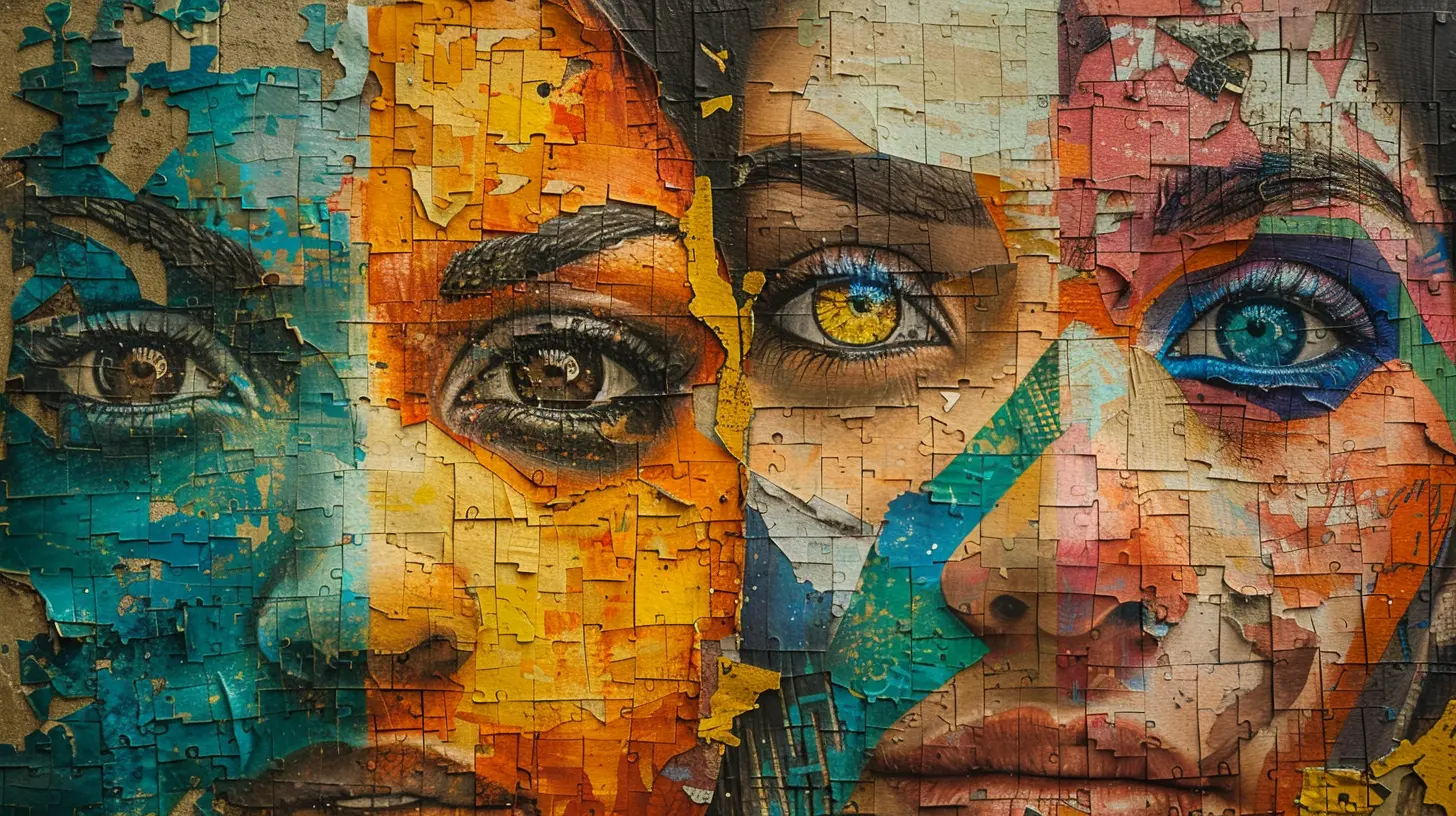
Let’s be honest: we live in a global village now. Whether we’re hopping on Zoom calls with people across the globe or scrolling through TikToks from different countries, we're constantly exposed to a mix of cultures. So, understanding and respecting those differences isn’t just “nice to have”—it’s essential.Cultural awareness helps us connect deeply, empathize more genuinely, and avoid misunderstanding people who see the world a little differently than we do. And here's the thing—art is one of the easiest and most impactful ways to get there.
Art as a Window Into Culture
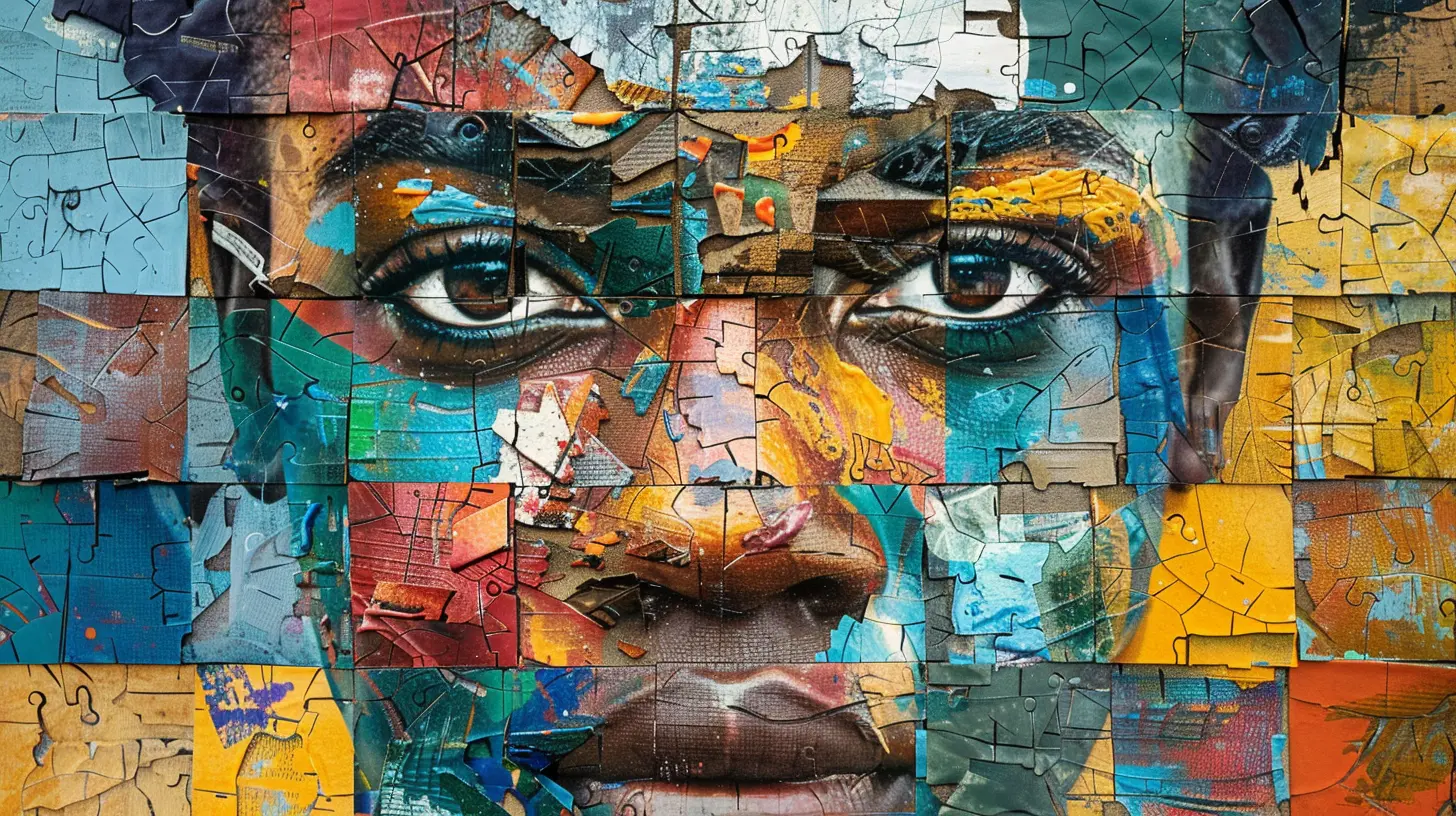
Imagine walking into a room filled with masks from West Africa, or studying a mural painted by indigenous artists in Mexico. Without reading a single word, you already learn something. You see color choices, patterns, symbols, and themes that reflect values, beliefs, and history.Art allows us to:
- Visualize life from another perspective
- Understand historical and social context
- Feel connected on an emotional level
It’s not just what you see—it’s what it makes you feel. And that’s the magic of it. Art captures the essence of a culture in a way pure facts never could.
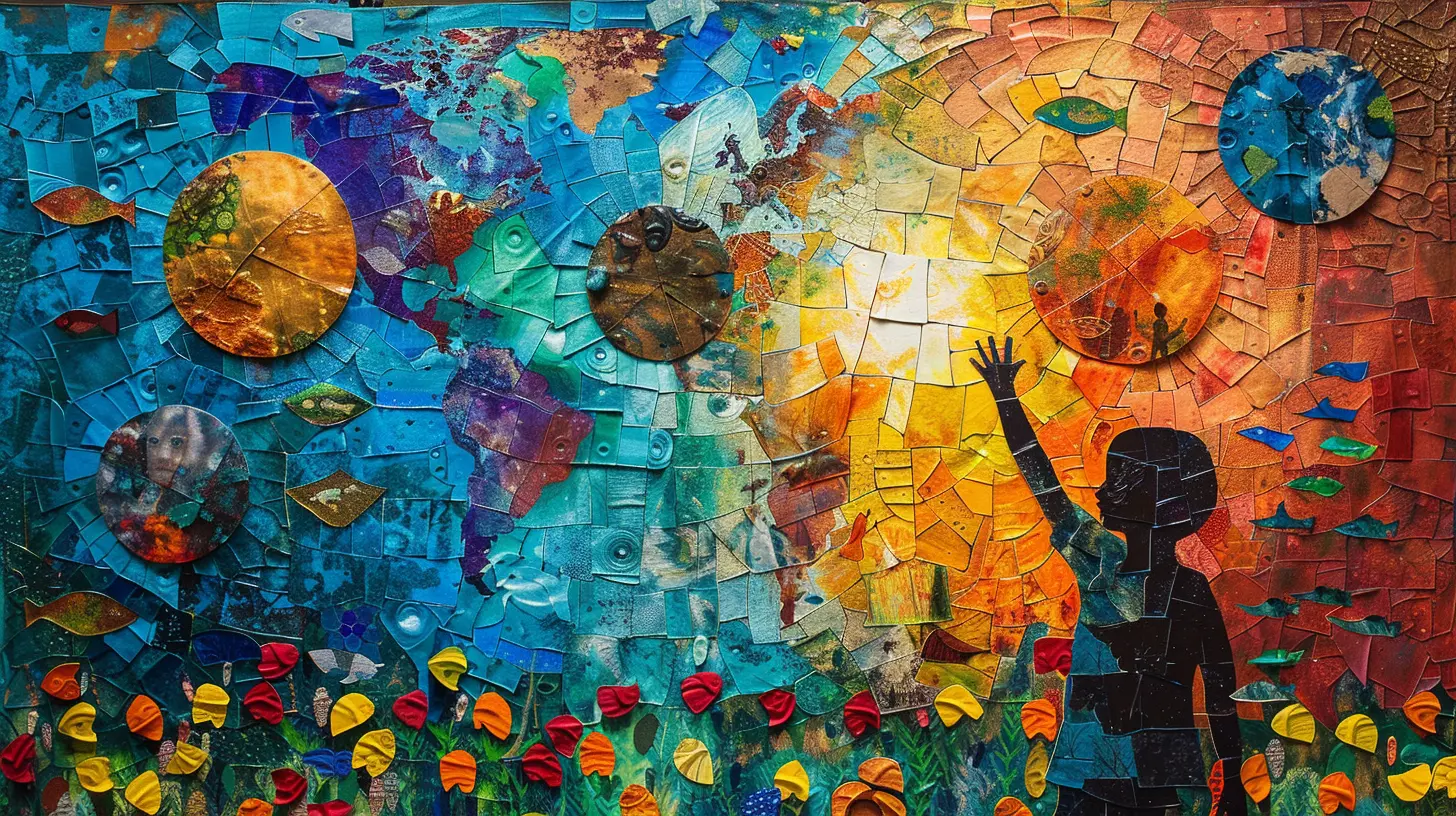
The Role of Art in Education
Now, think back to your school days. Lessons felt longer than a Monday morning, right? But remember the fun projects? The ones where you painted, built, danced, or acted? You probably still remember those moments. That’s because art makes learning stick.When we bring art into education, especially to teach about cultures, something amazing happens. Students stop memorizing and start experiencing. They step into someone else’s shoes, even if only for a moment.
Here's how art can turn cultural lessons from “blah” to “aha!”:
1. Enhancing Empathy
Art helps us feel what others feel. When students analyze a photo of post-war Syria or listen to a traditional Native American song, they begin to understand emotions behind experiences. That emotional connection builds empathy—a key ingredient in cultural respect.2. Breaking Down Stereotypes
Let’s face it—our worldview is shaped by what we see and hear often, not always what's accurate. Art can challenge those stereotypes and offer a more authentic view of different cultures. For instance, studying Aboriginal dot painting can reveal the deep, spiritual traditions behind what some might dismiss as "just patterns."3. Encouraging Open Dialogue
Art sparks questions. Why did the artist choose that color? What does that symbol mean? Suddenly, students are not just learning about culture—they're talking about it, questioning it, digging deeper. This is where real awareness begins to grow.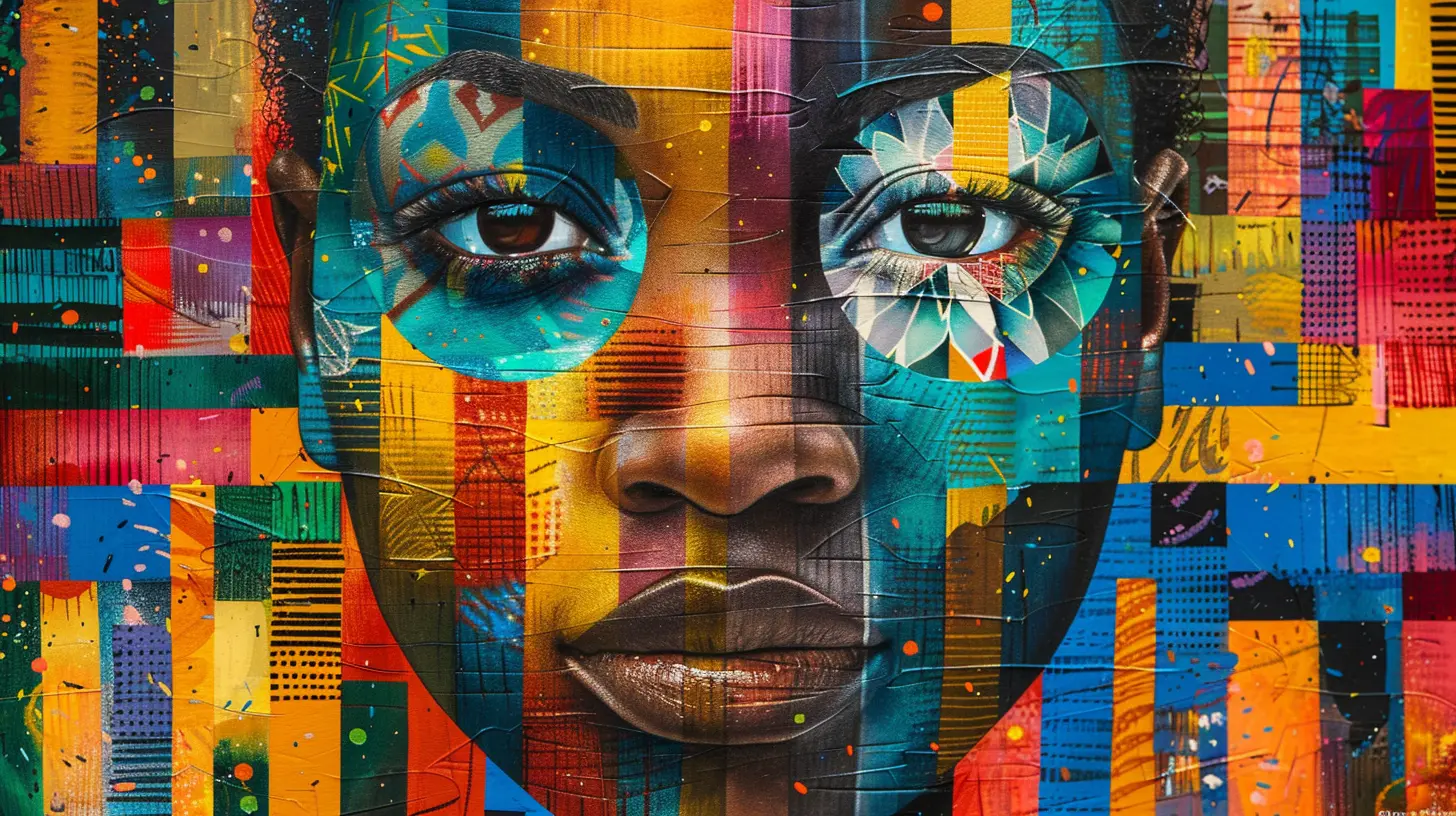
Practical Ways to Use Art for Teaching Cultural Awareness
You don’t need to be Picasso or have a degree in art history to use art in teaching. It's all about being intentional and creative. Whether you're a teacher, a parent, or someone passionate about learning, there are plenty of hands-on ways to use art to explore different cultures.1. Multicultural Art Projects
Have students create artwork inspired by different cultural styles and traditions. From Chinese calligraphy to Japanese origami, or African tribal patterns to Mexican Day of the Dead masks—every project becomes a mini-class in culture.💡 Tip: Don’t just copy the style—dive into the story behind it. What does it mean to the people who created it?
2. Art History Tours (Even Virtual Ones)
Most museums now offer free virtual tours. Take students on a digital walk through the Louvre or the Smithsonian. Highlight pieces from various cultures, and encourage students to reflect on what they see. What can we guess about a culture by seeing how they dress, decorate, or depict family?3. Film and Photography
Cinema and photography are modern art forms that showcase culture vividly. A short documentary or a series of photos from a specific cultural event can lead to powerful conversations about tradition, identity, and change.4. Performance Arts
Dance, music, and theater are incredible windows into a culture's soul. Invite local cultural groups to perform, or watch videos online of traditional dances from Indonesia, the Caribbean, or Eastern Europe. Dancing might feel silly at first, but it's a fun, embodied way to experience culture—literally.5. Storytelling Through Art
Let students choose a cultural story or folktale and express it artistically. Whether it’s through comic strips, puppet shows, or murals, they’ll engage more deeply with the cultural values woven into those tales.6. Art Pen Pals or Cultural Exchanges
Connect with classrooms around the world and exchange drawings, songs, or poetry. Students begin to see the world as a shared canvas, full of different shades, textures, and brilliance.Challenges (and How to Handle Them)
Okay, let's not sugarcoat it—teaching through art isn't always easy. Cultural sensitivity is key, and there’s always the risk of misrepresentation. But don’t let the fear of getting it wrong stop you from trying.Here’s how to do it right:
- Research Thoroughly – Before introducing an art form, make sure you understand its origins and significance.
- Involve Cultural Voices – If possible, invite artists or storytellers from that culture for guest talks or Q&As.
- Avoid Stereotyping – One art piece doesn't represent a whole culture. Show a variety of work from different time periods or regions.
- Keep the Conversation Open – It’s okay not to have all the answers. In fact, that opens the door for shared learning.
Real-Life Success Stories
Take a look at some grassroots programs and schools that are already nailing this approach.- The Peace Corps’ World Wise Schools Program uses stories and cultural art from volunteers worldwide to promote global citizenship.
- Art21, a nonprofit, brings contemporary visual art to classrooms, helping students interact with living artists from diverse backgrounds.
- The Silk Road Project, started by cellist Yo-Yo Ma, connects music and performance from countries along the Silk Road, bridging continents and centuries through shared sound.
These programs are changing the way educators and students think about “learning culture.” They’re proving that art really can open hearts and minds.
Why It Works So Well
Let’s wrap our heads around something important—art sticks.We might forget the exact timeline of the Spanish conquest, but we remember the colors and textures of a Frida Kahlo painting. Facts may fade, but feelings remain. That’s why using art to teach cultural awareness doesn’t just work—it transforms.
When students create, observe, and experience art from cultures across the globe, they begin to see the world not as "us" and "them", but as "we". They start looking beyond appearances and into the stories that shape people—their struggles, their joys, their resilience.
Bringing It All Together
So, what do we take away from all this?Teaching cultural awareness through art isn't about making students "cultured" for the sake of it. It's about nurturing curious, compassionate humans who recognize and respect the beauty in difference.
We’re all artists in some way—painting our understandings with the colors we choose to see. And by using art—true, thoughtful art—as a bridge, we can cross boundaries that words alone can't.
Let’s pick up the paintbrush, the camera, the drumstick, or simply an open mind—and start creating understanding.
all images in this post were generated using AI tools
Category:
Cultural AwarenessAuthor:

Olivia Chapman
Discussion
rate this article
2 comments
Kingston Howard
Art transcends boundaries, offering a powerful lens through which we can explore and appreciate diverse cultures. By integrating artistic expression into education, we not only enrich our understanding but also foster empathy and connection, cultivating a more inclusive and harmonious world.
April 7, 2026 at 3:07 AM
Olivia Chapman
Thank you for capturing the heart of this piece so beautifully. That is exactly the vision we strive for in the classroom.
Kristen Brooks
Art beautifully bridges cultures and fosters understanding.
March 29, 2026 at 11:34 AM
Olivia Chapman
Absolutely! Art transcends boundaries, making it a powerful tool for fostering empathy and understanding across diverse cultures.