Using Art to Teach Empathy and Cultural Understanding
15 January 2026
Have you ever stood in front of a painting and felt something stir inside you? Maybe it was a photograph, a song, a dance performance, or even a poem that hit you right in the feels. Art has this magical power—it cuts through language barriers, age differences, and cultural backgrounds, connecting people on a human level. That’s why using art to teach empathy and cultural understanding isn’t just smart; it’s necessary.
Why Empathy and Cultural Understanding Matter in Education
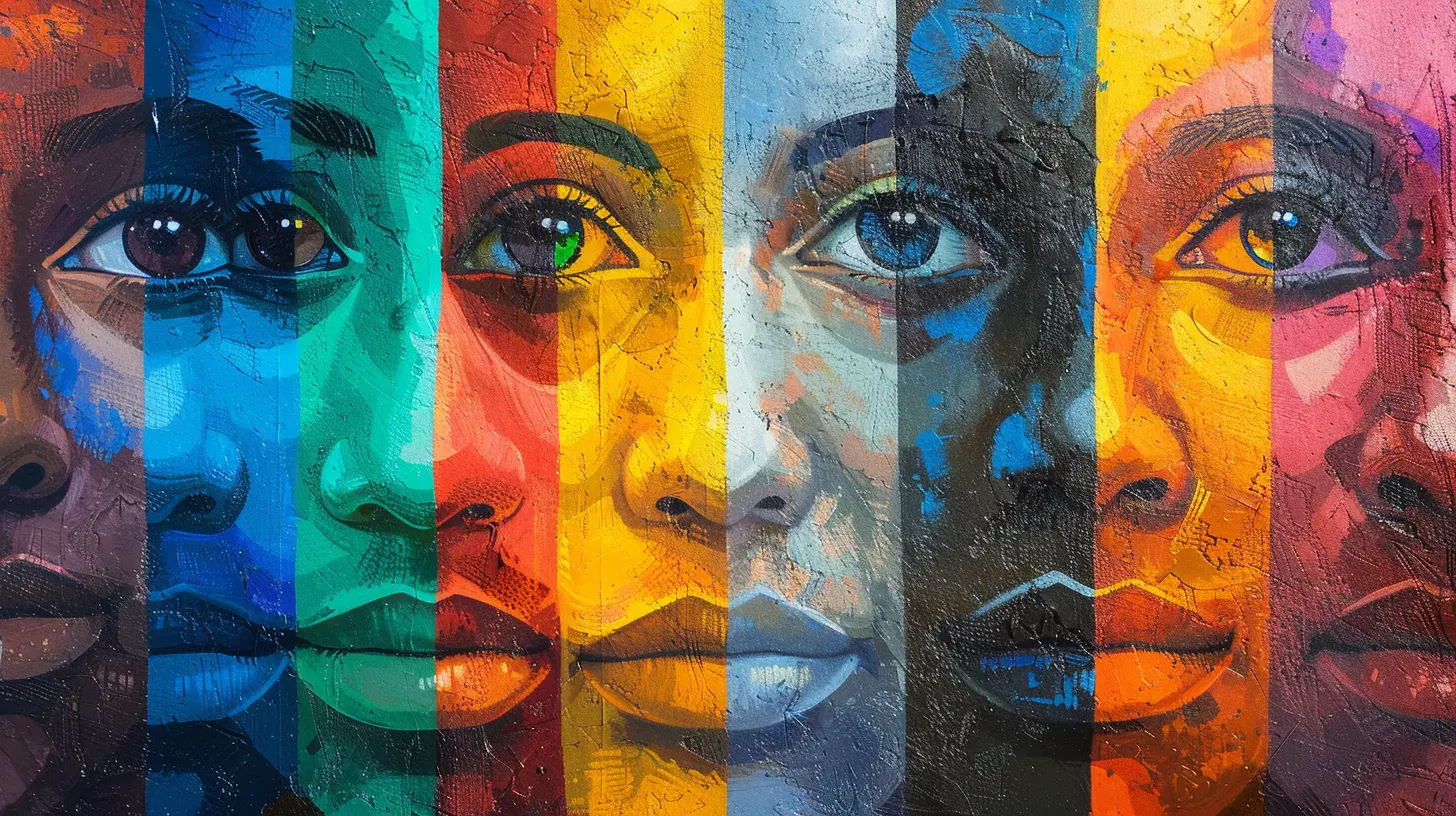
Let’s be real—empathy and cultural understanding aren’t just “nice-to-haves” in education. They're essential life skills. We live in an increasingly global and diverse world. Our classrooms are filled with students from all walks of life, and they're going to grow up to work with people who might look, speak, or think differently from them.So, how do you prepare students for that reality? Here's where art comes in. Art taps into emotions, storytelling, and lived experiences. It’s like a universal language that speaks directly to the heart.
The Power of Art as a Teaching Tool
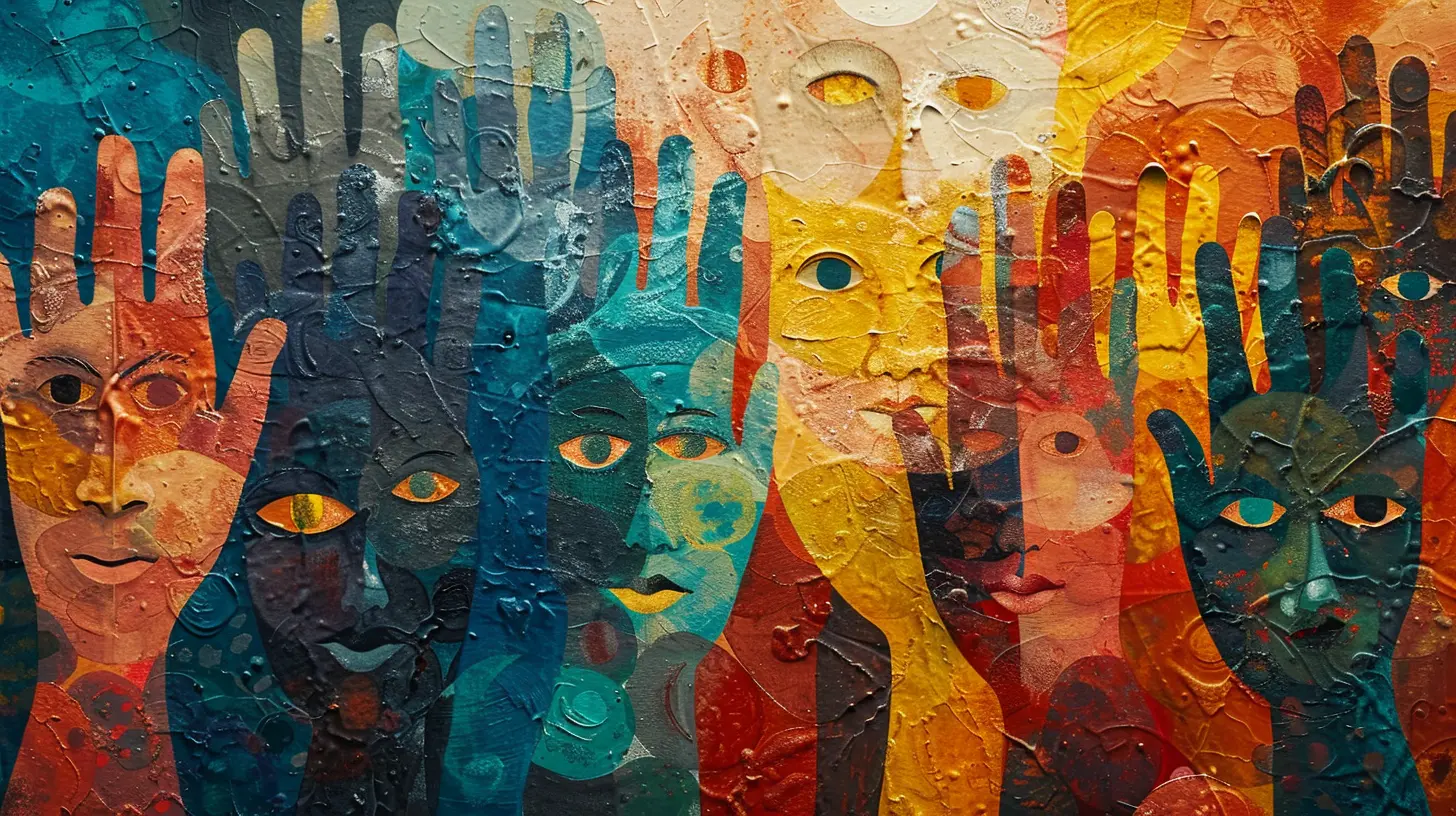
Think of art as a mirror and a window. A mirror reflects your own experiences, helping you understand yourself better. A window gives you a glimpse into someone else’s world. When students engage with art from different cultures, it opens up new perspectives and creates emotional connections they may not get from a textbook.Art Creates Emotional Engagement
Let’s say you show your class a painting of a refugee family fleeing their home. You can bet that’s going to land differently than just reading statistics about displacement. Art sparks questions. It makes students wonder, “How would I feel if that were me?” That emotional connection is the seed of empathy.Art Builds Cultural Awareness
When students create or explore art from cultures different from their own, they don’t just learn about food, festivals, or flags—they dive into traditions, values, and worldviews. And the more they connect emotionally, the less room there is for stereotypes or prejudice.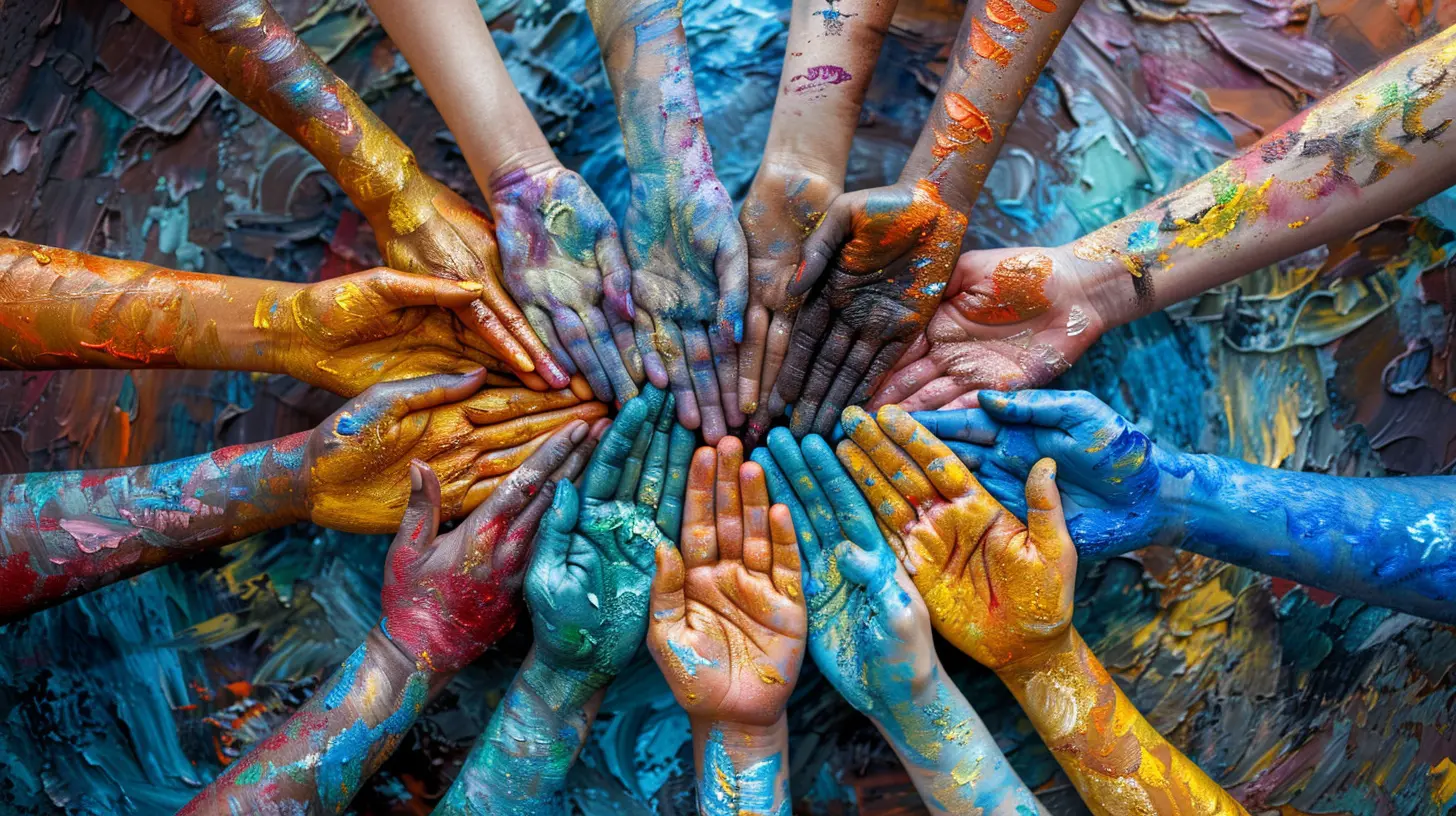
Practical Ways to Use Art in the Classroom
Alright, so how do you actually bring this into your teaching without making it feel like just another assignment? Let’s break it down into hands-on, creative, and meaningful activities.1. Analyzing Culturally Diverse Artworks
Pick artworks from around the world—African textiles, Japanese ink paintings, Mexican murals, Middle Eastern calligraphy—you get the idea. Ask students how the artwork makes them feel, what they think the artist is trying to say, and how it relates to the culture it comes from. This encourages deep thinking and cultural reflection.Pro tip: Don’t just talk about the art—talk about the artist. Their background and experiences add context that matters.
2. Storytelling Through Art
Give students art supplies and a theme—like “belonging,” “family,” or “home.” Challenge them to create an artwork that tells a story from their cultural background or personal experience. Then, allow them to explain it to the class. This not only gives them a voice but allows others to understand different perspectives.3. Integrating Music and Performing Arts
Music is loaded with cultural significance. Introduce students to traditional music from various parts of the world. Better yet, invite guest musicians or dance performers to demonstrate. It’s active, fun, and incredibly illuminating. You’ll be surprised how quickly students start to appreciate the richness of other cultures through rhythm and movement.4. Literature and Drama as Windows to Identity
Use plays, poetry, and short stories by authors from diverse cultures. Let students act out scenes, write from a character’s perspective, or craft their own cultural narratives. Drama brings empathy to life—literally. Walking in someone else’s shoes becomes more than just a metaphor.5. Virtual Art Field Trips
Technology's your friend here. Use tools like Google Arts & Culture to take students on virtual museum tours around the world. From the Louvre to the Uffizi to The National Museum of African American History, students can explore global art without leaving the classroom.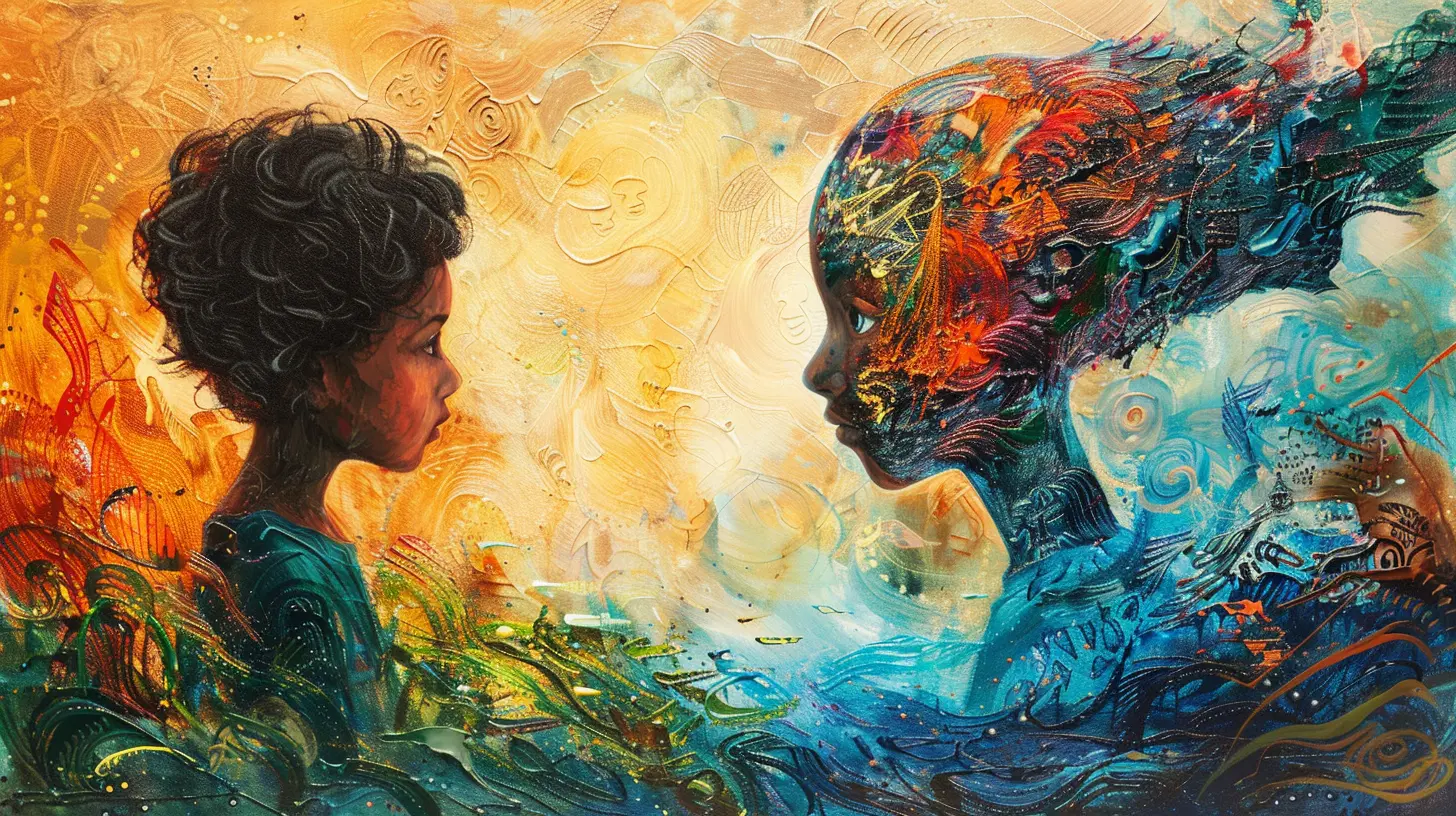
Addressing Challenges Head-On
Let’s get honest—this approach isn’t without its bumps. You might run into hesitation from students who aren't used to expressing emotions or who fear being judged. Some educators might feel unsure about stepping into cultures they don’t fully understand themselves.But here’s the thing: You don’t have to be an expert on every culture or art form. What matters is creating a respectful space where students feel safe to express, ask questions, and mess up sometimes—it’s all part of the learning.
The Ripple Effect: What Happens When We Teach Empathy Through Art?
So, what’s the big payoff? When students regularly engage with art that reflects diverse cultures and emotions, a few amazing things happen:1. Increased Emotional Intelligence
Students become better at recognizing and managing not just their own emotions, but others’ as well. They learn to listen, reflect, and respond with understanding rather than judgment.2. More Inclusive Cultural Perspectives
Exposure to global art breaks down the “us vs. them” mentality. It shows students that beauty, struggle, joy, and sorrow are universal, even if they're expressed differently.3. Improved Communication and Collaboration
Empathy leads to better teamwork. Students who can see the world through someone else’s eyes are more likely to collaborate effectively, resolve conflicts, and build stronger peer relationships.4. Stronger Creative Confidence
Making and interpreting art builds self-confidence and self-expression. Students who feel seen and heard are more likely to contribute meaningfully to class discussions and group projects.
Real-Life Examples of Art Fostering Empathy
Let’s look at a couple of real-world examples that bring this idea to life.Case Study: The Memory Project
The Memory Project connects student artists with youth around the world who have faced challenges like war, poverty, or displacement. Students create portraits based on photos sent by these children. It’s more than just a drawing—it’s a gift of recognition and human connection. This project not only teaches artistic skills but deeply ingrains empathy.Case Study: Facing History and Ourselves
This educational nonprofit uses literature and history-based art to help students examine racism, prejudice, and anti-Semitism. Through visual storytelling and primary sources, students explore tough but vital topics, developing compassion and social responsibility along the way.Tips for Teachers Getting Started
Feeling inspired but unsure where to start? Here’s a cheat sheet to ease into using art as a bridge to empathy:- Start small: One painting or poem is enough to spark a meaningful conversation.
- Be curious together: It’s okay not to have all the answers. Model ongoing learning and ask genuine questions.
- Encourage expression: Make it clear that all feelings and perspectives are valid in art-based discussions.
- Celebrate diversity: Highlight a wide range of cultures throughout the year—not just during themed months.
Final Thought: Making Empathy a Lasting Part of Education
At the end of the day, teaching empathy through art isn’t about one assignment or lesson plan—it’s about changing the culture of your classroom. It’s about raising emotionally intelligent, culturally aware human beings who can navigate the world with kindness and curiosity.So, let’s stop seeing art as just a side subject. Let’s view it as a vital tool—for healing, for connecting, and for shaping a more compassionate world. After all, when students learn to see with their hearts, not just their eyes, that’s when real education starts.
all images in this post were generated using AI tools
Category:
Art EducationAuthor:

Olivia Chapman
Discussion
rate this article
2 comments
Linnea Riley
Art speaks louder, darling!
February 6, 2026 at 1:35 PM
Olivia Chapman
Absolutely! Art transcends language and fosters deep connections, making it a powerful tool for empathy and cultural appreciation.
Eloise McKeehan
Beautifully insightful approach!
January 15, 2026 at 4:24 AM
Olivia Chapman
Thank you! I'm glad you found it insightful!