Using Data Analytics to Improve E-Learning Outcomes
30 January 2026
The world of education is evolving fast, and e-learning is at the forefront of this revolution. But with so many students engaging in online learning, how do we ensure they’re actually benefiting? That’s where data analytics steps in.
By leveraging powerful insights from student data, educators can personalize learning experiences, identify gaps, and improve outcomes like never before. It’s like having a GPS for education—guiding students in the right direction based on their progress.
So, let’s dive into how data analytics is transforming e-learning and what it means for students, teachers, and institutions.

What is Data Analytics in E-Learning?
At its core, data analytics in e-learning refers to collecting, analyzing, and interpreting student data to enhance online learning experiences. This could be anything from tracking attendance and quiz scores to analyzing engagement levels and predicting future performance.Think of it like a fitness tracker for education—just as a smartwatch monitors steps, heart rate, and sleep patterns to improve health, data analytics monitors learning behaviors to optimize student performance.
There are three main types of data analytics used in e-learning:
1. Descriptive Analytics – What happened? (e.g., How many students completed a course?)
2. Diagnostic Analytics – Why did it happen? (e.g., Why did students struggle with a specific topic?)
3. Predictive Analytics – What will happen next? (e.g., Can we predict which students might drop out?)
By analyzing this data, educators can make evidence-based decisions that lead to better learning outcomes.

The Role of Data Analytics in Personalizing Learning
Every student learns differently. Some grasp concepts quickly, while others need extra time. Traditional classroom settings often struggle to address these differences. But with data analytics, personalized learning becomes a reality.How Does Personalization Work?
Using real-time data, e-learning platforms can:- Recommend personalized study materials based on strengths and weaknesses.
- Adjust difficulty levels dynamically to match student performance.
- Provide instant feedback to guide learners in real time.
- Identify students who may need extra help before they fall behind.
For example, if a student consistently struggles with algebra but excels in geometry, the system might suggest additional algebra tutorials while skipping unnecessary geometry lessons. This way, students focus on what truly matters to their learning journey.

Predicting Student Performance with AI and Big Data
Predictive analytics takes data analysis a step further—it doesn’t just describe what’s happening but also forecasts future outcomes.Imagine this scenario:
An e-learning platform notices that students who watch video lectures twice before taking a quiz tend to score higher. The system can then recommend this strategy to struggling students, improving their chances of success.
AI-driven predictive models can:
- Detect students at risk of failing or dropping out.
- Identify learning patterns that lead to higher success rates.
- Suggest personalized interventions before it’s too late.
This level of insight allows educators to be proactive rather than reactive, ensuring every student gets the support they need before they fall behind.
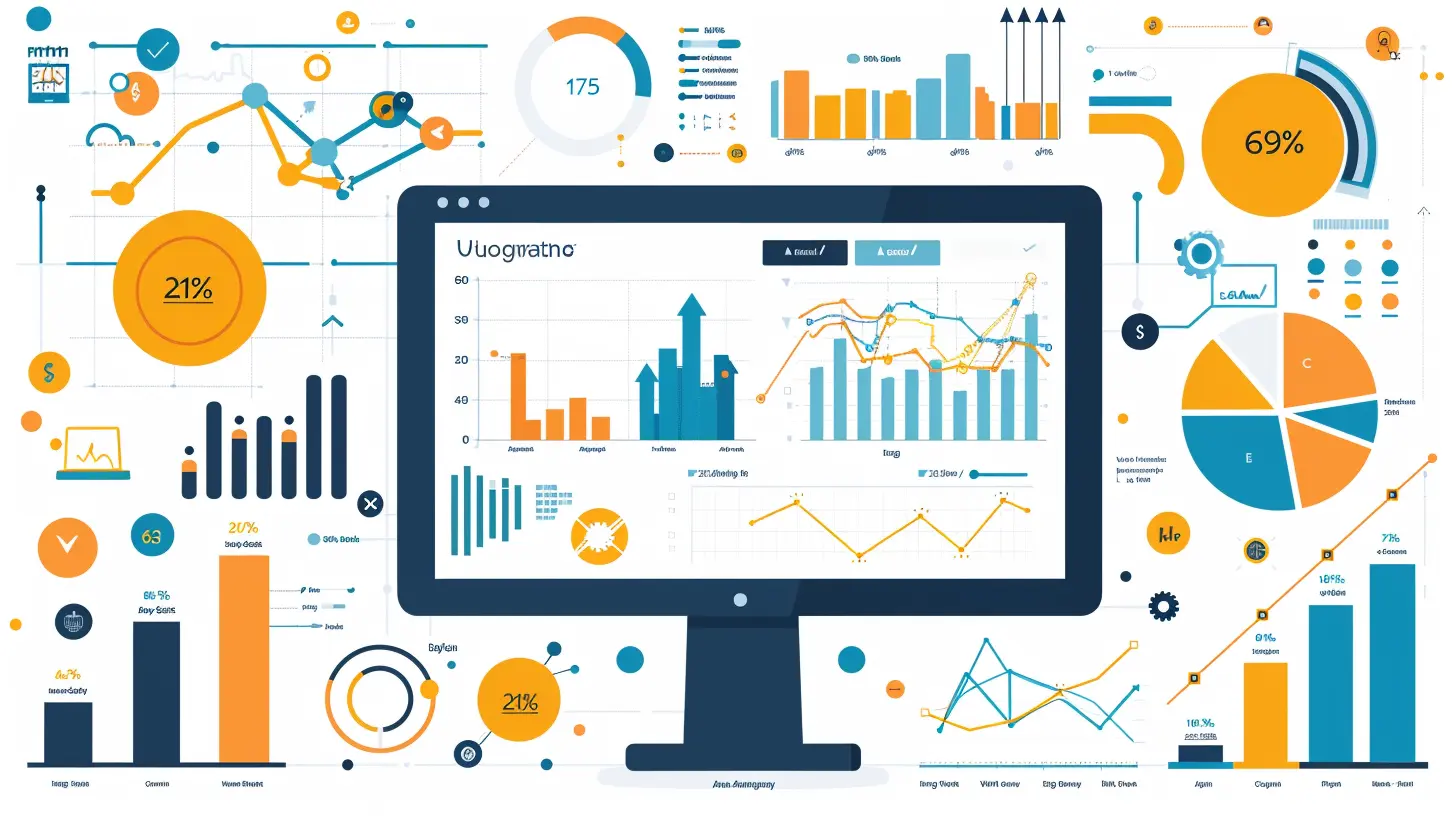
Enhancing Engagement and Motivation Through Data
Engagement is one of the biggest challenges in e-learning. Without face-to-face interactions, students can easily lose motivation. But data analytics helps tackle this issue head-on.How Does it Boost Engagement?
- Gamification Insights – Data reveals which gamified elements (like badges, leaderboards, or quizzes) keep students engaged.- Personalized Feedback – Instant, data-driven feedback keeps learners motivated.
- Progress Tracking – Visual progress bars show how much they’ve learned, encouraging them to push forward.
- Adaptive Learning Paths – If a student prefers video content over reading, the system can prioritize video lessons.
By continuously analyzing engagement data, e-learning platforms can create more interactive and exciting learning environments that keep students hooked.
Using Learning Analytics to Improve Course Design
It’s not just students who benefit from data analytics—educators and course designers do too. By analyzing how students interact with materials, institutions can optimize course structures to maximize learning outcomes.Key Benefits for Course Design
- Identify which modules students struggle with the most and refine them.- Track drop-off points where students lose interest and make those sections more engaging.
- Optimize content formats based on student preferences (e.g., more videos, fewer lengthy texts).
- Improve assessment strategies by analyzing test performance data.
For instance, if a majority of students are skipping a particular lesson, it could indicate that the content is either too difficult, too boring, or unclear—allowing educators to make necessary improvements.
Overcoming Challenges in Data-Driven E-Learning
While data analytics brings a lot of benefits, it’s not without challenges. Privacy concerns, data security, and ethical considerations must be addressed for effective implementation.Major Challenges
1. Data Privacy Issues – Student data must be secure and used responsibly.2. Bias in Algorithms – AI models should be designed to avoid any biases that could impact student learning unfairly.
3. Data Overload – Too much data can be overwhelming. Institutions need clear strategies for using the right metrics.
4. Resistance to Change – Some educators may struggle to adapt to data-driven teaching methods.
The key is to balance technology and human intuition—using data as a guide while still valuing the human touch in education.
The Future of Data Analytics in E-Learning
As technology evolves, data analytics will continue to shape the future of education. With advancements in AI, machine learning, and big data, we can expect even more sophisticated tools that make learning smarter, faster, and more effective.What’s Next?
- AI Tutors – Intelligent assistants that provide real-time support based on student progress.- Emotion Detection – AI analyzing facial expressions or typing patterns to gauge student emotions and adjust lessons accordingly.
- More Adaptive Learning Models – Courses that can fully tailor themselves to individual learning speeds and styles.
The bottom line? Data analytics isn’t just improving e-learning—it’s revolutionizing it. And as more educators and institutions embrace this powerful tool, the future of education looks brighter than ever.
Final Thoughts
E-learning has opened up endless opportunities for learners worldwide, but ensuring its effectiveness requires a data-driven approach. By leveraging data analytics, educators can personalize learning, predict student performance, enhance engagement, and improve course design.While challenges exist, the potential benefits far outweigh the drawbacks. By responsibly using data, we can create efficient, engaging, and effective learning experiences that empower students to succeed.
So, whether you’re an educator, student, or institution, one thing is clear: data analytics is the future of e-learning—and it’s here to stay.
all images in this post were generated using AI tools
Category:
E LearningAuthor:

Olivia Chapman
Discussion
rate this article
2 comments
Judith McGowan
Thank you for this insightful article! The integration of data analytics in e-learning is a game-changer for enhancing student outcomes. I appreciate how you highlighted practical applications and strategies for educators to leverage data effectively. Looking forward to seeing further developments in this field!
February 14, 2026 at 11:34 AM
Olivia Chapman
Thank you for your kind words! I'm glad you found the article insightful. Excited about the future of data analytics in e-learning too!
Tia Torres
Great insights! Leveraging data analytics in e-learning can truly revolutionize education by personalizing experiences and identifying areas for improvement. It's exciting to think about how data-driven strategies can enhance student success.
January 31, 2026 at 3:32 AM
Olivia Chapman
Thank you! I’m glad you found the insights valuable. Data analytics indeed has the potential to transform e-learning and drive student success.