Using Technology to Enhance Differentiated Instruction
16 July 2026
In today’s classrooms, the old “one-size-fits-all” teaching approach just doesn’t cut it anymore. Students come in all shapes and sizes—figuratively speaking. They each have different learning styles, abilities, interests, and paces. So, how do we meet everyone’s needs without losing our minds?
Well, that’s where differentiated instruction steps in. And when you throw technology into the mix? It’s like adding rocket fuel to your teaching game.
Let’s dive into how using technology to enhance differentiated instruction can make life easier for teachers and learning better for students.
What Is Differentiated Instruction Anyway?
Before we bring in the tech, let’s clear up what differentiated instruction means.In a nutshell, differentiated instruction is a teaching philosophy based on the idea that each student is unique. It means planning lessons that accommodate different learning styles, abilities, and interests.
Some kids are visual learners. Others? Totally hands-on. Then there are the readers, the listeners, and the tech-lovers. Differentiated instruction addresses this wide variety by tweaking the content, process, product, or the learning environment.
Sounds like a lot to juggle? It can be. That’s why technology is a teacher’s best friend.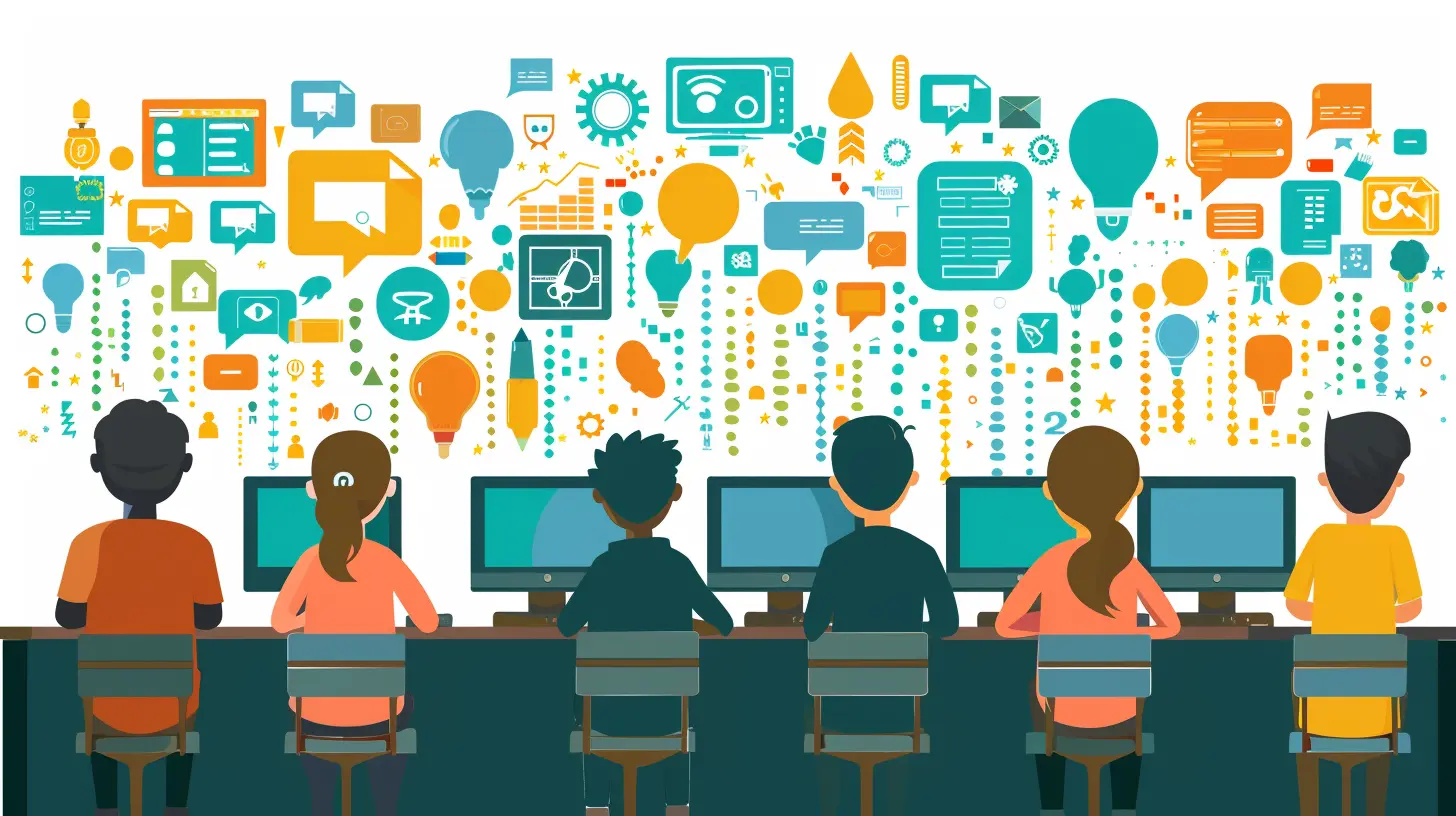
Why Technology Is a Game-Changer for Differentiated Instruction
Let’s face it: trying to tailor lessons for 25+ students feels overwhelming. But technology makes it doable. Actually, it makes it awesome.Here’s why tech seriously ups your differentiation game:
- Efficiency: Automate the drudgery—grading, grouping, assigning activities.
- Data at Your Fingertips: With analytics and dashboards, you can monitor student progress like a hawk.
- Student Engagement: Interactive tools keep students hooked, not snoozing.
- Flexibility: Students can learn at their own pace, place, and even style.
Sounds good already, right? Let’s break down how you can put all this into practice.
1. Assessing Student Needs – The Smart Way
You can’t differentiate if you don’t know what your students need. That’s where tech tools come in.Use Diagnostic Tools
Online assessment platforms like Edulastic, Kahoot, and Quizizz give you instant insights. Instead of spending hours marking tests, you get auto-generated performance data.You’ll know:
- Who’s struggling with fractions.
- Who needs a reading challenge.
- Who’s ready to move on.
Keep a Digital Portfolio
Try Seesaw or Google Classroom to keep track of each student’s progress over time. These platforms serve as a window into individual growth—and they’re super easy to use.
2. Offering Content in Different Formats
We all learn differently. Some of us are visual learners, others prefer audio, and a few need to get their hands dirty to grasp a concept.So, why not teach the same topic in different ways?
Use Multimedia Tools
Let’s say you’re teaching photosynthesis. Instead of only lecturing:- Play an educational video (YouTube or BrainPOP).
- Share an interactive simulation (PhET or Gizmos).
- Provide a reading passage on the subject.
- Let students create digital flashcards (like on Quizlet).
When learners choose the format that fits them best, they're more likely to get it—and remember it.
3. Creating Learning Paths with Adaptive Learning Tech
This one’s a game-changer. With adaptive technology, the software does the differentiating for you.What’s Adaptive Learning?
It's like having a personal tutor that adjusts the difficulty level based on how well a student is doing. No more pushing students too hard or holding them back.Best Tools Out There
- Khan Academy learns with the student and offers suggestions based on progress.- IXL Learning targets specific skill gaps.
- DreamBox (for Math) adapts in real-time to each student’s needs.
These platforms basically personalize the experience for every learner. Cool, right?
4. Grouping Students Strategically with EdTech
Grouping is a major part of differentiated instruction. The problem? Doing it manually can take ages. Luckily, tech makes it quick and painless.Use Learning Management Platforms
With tools like Google Classroom or Microsoft Teams, you can:- Create different groups easily.
- Assign different tasks or resources to each group.
- Monitor each group’s performance separately.
You can group students by:
- Learning style
- Skill level
- Interests
It’s like managing multiple mini-classrooms—but without breaking a sweat.
5. Encouraging Student Voice and Choice
Differentiation isn’t just about ability. It’s also about interest. If students care about what they’re learning, they’ll go the extra mile.Let Students Choose…
- Topics for projects- Digital tools to present (e.g., Canva, Powtoon, Prezi)
- Books to read (using apps like Epic or OverDrive)
When students have a say, they feel empowered. Think of it as turning your classroom into a “choose-your-own-adventure” book.
6. Making Feedback Instant and Meaningful
Feedback is crucial. It helps students course-correct and stay motivated. But—and this is a big but—giving detailed feedback to every student every day? Not exactly realistic.Unless you’ve got tech on your team.
Use Immediate Feedback Tools
- Google Forms with auto-correct- Kahoot and Socrative for real-time results
- LMS tools that show progress bars and badges
Why this matters:
- Students know how they're doing right away.
- You can adjust the lesson on the fly.
- It saves you hours of grading.
7. Supporting Students with Special Needs
Differentiated instruction isn’t just a buzzword—it’s a lifeline for students with learning differences or disabilities. Tech can help level the playing field.Accessibility Tools to the Rescue
- Text-to-Speech (TTS) tools like Natural Reader or built-in screen readers.- Speech-to-Text (STT) tools for students who struggle with writing.
- Closed Captions on videos.
- Color contrast or font changes to aid visual processing.
Many of these features are built-in on Chromebooks, iPads, and even browsers.
And don’t forget about customizable settings in reading apps, math platforms, and games. A little tweak can make a huge difference.
8. Tracking Progress Without the Headache
Let’s be real—tracking student progress is exhausting without the right systems in place.Use Digital Dashboards
Most educational tech platforms now come with analytics dashboards. These little gems can show:- Skill mastery
- Time spent on tasks
- Areas of struggle
This data helps you refine your approach faster than flipping through a pile of paper tests.
Tools like Edmodo, Classcraft, and even Google Sheets can help you stay on top of everything without losing your sanity.
9. Building a Culture of Collaboration
Here’s a fun fact: Differentiation doesn’t mean students work in isolation. In fact, technology makes collaboration easier than ever.How?
- Use Padlet or Jamboard for brainstorming sessions.- Set up Google Docs for group writing projects.
- Try Flipgrid for video discussions.
- Host virtual study groups using Zoom or Google Meet.
When students collaborate, they learn from each other. Plus, it reinforces social-emotional learning—something we all need more of these days.
10. Keeping Parents in the Loop
Parents play a huge role in student success. But with differentiated instruction, it can be tough to explain who’s doing what and why.Use Communication Tools
Apps like ClassDojo, Remind, or even private blogs can:- Share assignments
- Provide updates
- Send quick messages
Parents feel more connected, and students get more consistent support at home.
Final Thoughts – Technology Isn’t a Silver Bullet, But It’s Pretty Close
Listen, tech won’t magically solve every classroom challenge, but it sure makes differentiated instruction a lot more manageable and effective.The trick is to start small. Pick one area—maybe assessments or grouping—and test out a tool or two. Watch how your students respond. You’ll likely find they’re more engaged, more confident, and more successful.
And hey, you might even find teaching more enjoyable too.
all images in this post were generated using AI tools
Category:
Differentiated InstructionAuthor:

Olivia Chapman
Discussion
rate this article
1 comments
Valen McLean
This article highlights how technology can transform differentiated instruction. By leveraging various tools, educators can tailor learning experiences to meet individual needs. It encourages creativity and engagement, allowing students to thrive at their own pace. Embracing these tech solutions is key to fostering an inclusive learning environment.
July 18, 2026 at 3:36 AM
Olivia Chapman
Thanks for your insights! I completely agree that technology plays a crucial role in personalizing education and fostering engagement. It's exciting to see how it can truly empower students.