Decline in Perceived Value of College Education Among Americans
September 12, 2025 - 02:50
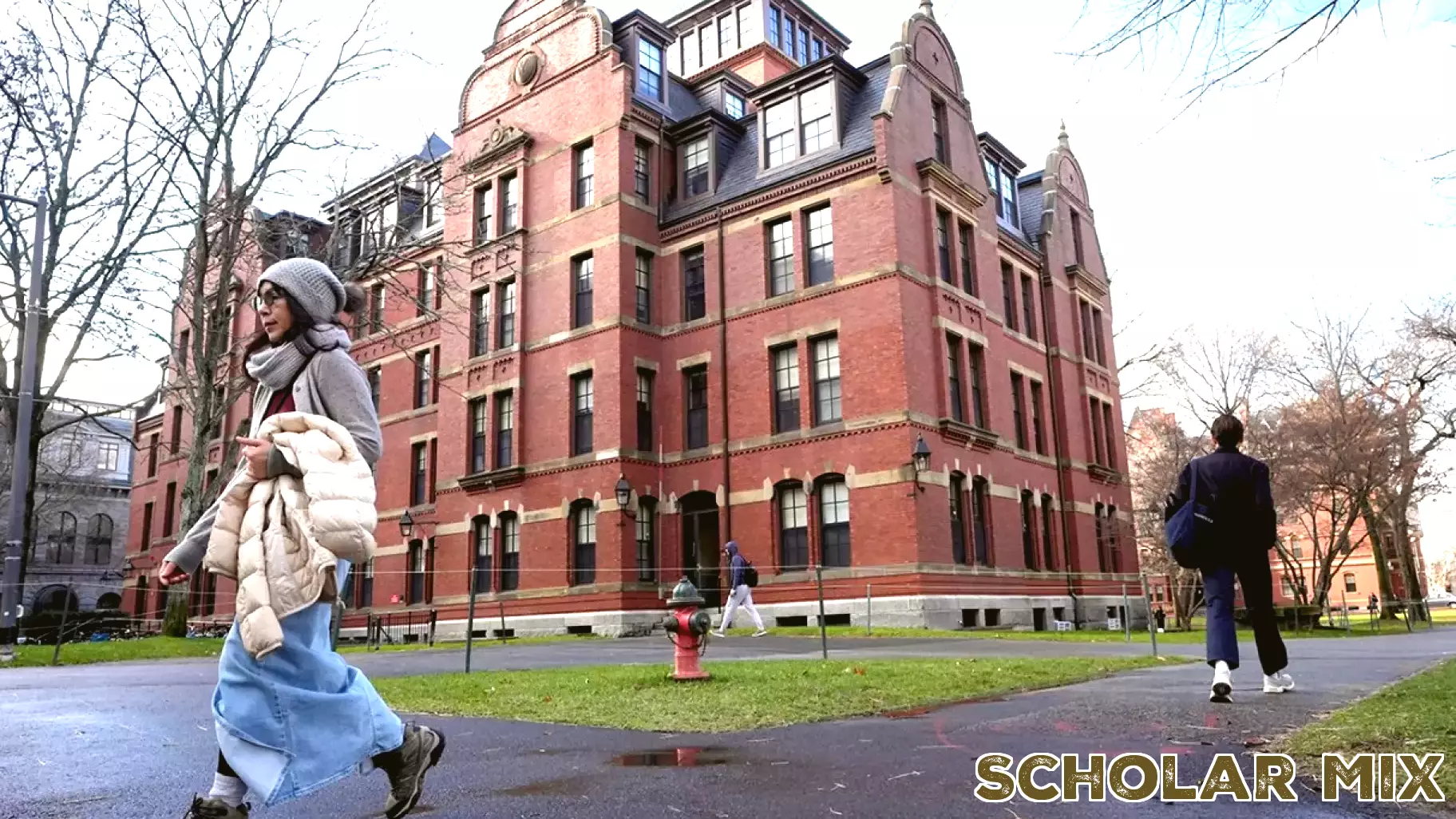
The perceived importance of a college education among Americans has reached a new low, reflecting a significant decline over the past 15 years. A recent survey indicates that fewer individuals view obtaining a degree as essential for success in today’s job market. This trend raises concerns about the future of higher education and its role in professional development.
The survey highlights that various factors contribute to this shift in perception. Many respondents cite the rising costs of tuition and student debt as major deterrents. Additionally, the increasing availability of alternative education paths, such as vocational training and online courses, has led people to question the necessity of a traditional college degree.
As the job market evolves, employers are increasingly valuing skills and experience over formal education. This change may further influence public opinion about the relevance of college degrees. The findings suggest a need for educational institutions to adapt to the changing landscape and address the concerns of prospective students.
MORE NEWS
October 9, 2026 - 01:49
Hamilton County parent questions special education model, urges more support for teachersA Hamilton County parent is raising concerns about the district`s exceptional education program, saying the school system should prioritize support for students and the teachers who work with them...

October 8, 2026 - 21:23
Maddie Segal Enters Race for Wake County School Board District 7Maddie Segal is campaigning for a seat on the Wake County Board of Education representing District 7. Her candidacy adds another voice to the field of contenders hoping to shape the future of one...
October 8, 2026 - 02:47
U.S. Dept of Education Broadens School Sex Abuse Probe, Cites The 74’s ReportingThe United States Department of Education has widened its investigation into how public school districts manage allegations of sexual misconduct by staff members against students. The department`s...
October 7, 2026 - 12:39
Pennsylvania Education Secretary Visits Gettysburg High School to Highlight Student Support ProgramsPennsylvania Secretary of Education Carrie Rowe visited Gettysburg Area High School on Monday to see firsthand how a clothing closet and other assistance programs are helping students succeed. The...