Schools are starting to teach AI literacy. For many, that means helping kids see chatbots’ flaws
August 21, 2026 - 23:56
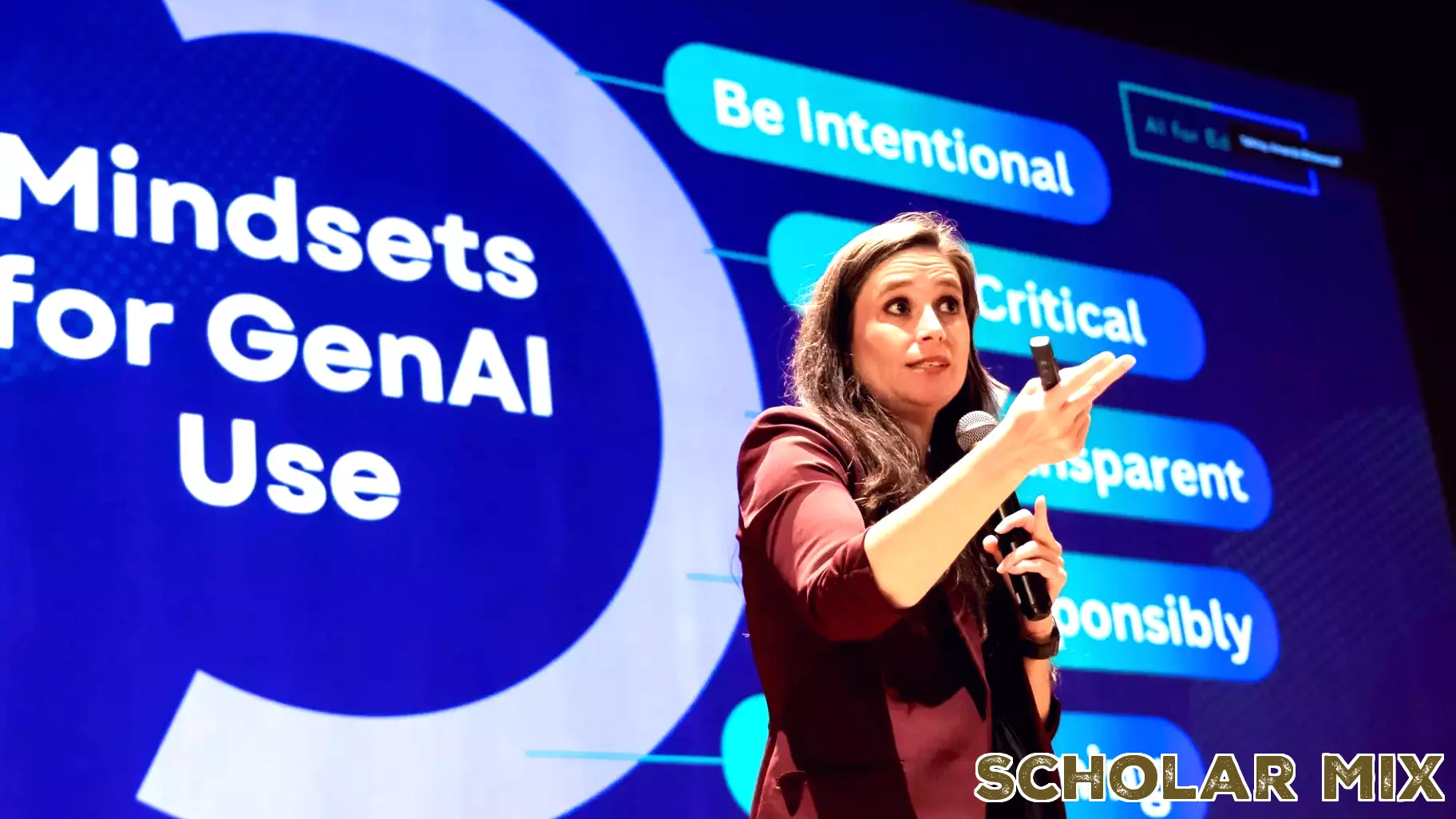
AI chatbots have become the bane of teachers everywhere, but instead of banning them outright, many schools are now shifting toward teaching AI literacy. The goal is not to make students fear the technology, but to help them understand where it fails. For many educators, that means showing kids how chatbots hallucinate, misquote sources, and present confident nonsense as fact.
The new approach treats AI like any other powerful tool. Students learn to question what a chatbot says, cross-check facts, and recognize when the model is guessing. Teachers report that kids often assume the AI is always right because it sounds so sure of itself. Lessons now include exercises where students deliberately trick a chatbot or compare its answer to a reliable encyclopedia entry.
Some districts are weaving AI literacy into existing subjects like English and social studies. A history teacher might ask students to ask a chatbot about a historical event, then verify the details against primary sources. A science teacher might have students ask for a chemical formula and then test whether the explanation holds up. The point is to build a habit of skepticism without killing curiosity.
Not everyone is on board. Some parents worry that teaching AI flaws will make kids distrust all technology. But educators argue that the opposite is true. Understanding what a chatbot cannot do is the first step to using it well. As one curriculum designer put it, "We are not teaching kids to hate AI. We are teaching them to be the boss of it."
The shift is still early, and there is no standard curriculum yet. But the direction is clear. Schools are moving from panic to practical skill-building. The hope is that students will leave school not just knowing how to type a prompt, but knowing when not to trust the answer.
MORE NEWS
October 6, 2026 - 00:01
Educators and Families Asked to Weigh In on School ConditionsA new survey is giving people across the state a chance to speak up about what is really happening inside classrooms. The questionnaire, conducted in partnership with a local television station,...

October 5, 2026 - 03:17
Shifts in College Admissions Data After Supreme Court RulingResearch indicates that following the Supreme Court`s end of race-conscious admissions, there has been a slight nationwide increase in first-year students reporting their race or ethnicity as...
October 4, 2026 - 04:49
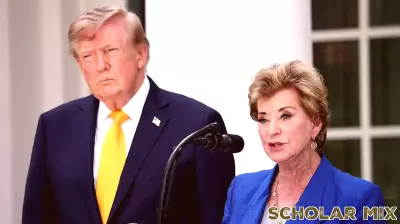
Education Official Says School Choice Expansion Pressures Democratic StatesA senior official at the Department of Education said the growing adoption of a federal school choice program will place increasing pressure on states led by Democrats to follow suit. The remarks...
October 3, 2026 - 17:54
AI is changing medicine. Medical education must change, tooArtificial intelligence is reshaping how doctors work, and medical schools are struggling to keep pace. A growing number of physicians already rely on AI tools for daily tasks, from transcribing...