Survey Links AI Training and Clear Policies to Teacher Confidence
November 14, 2026 - 21:32
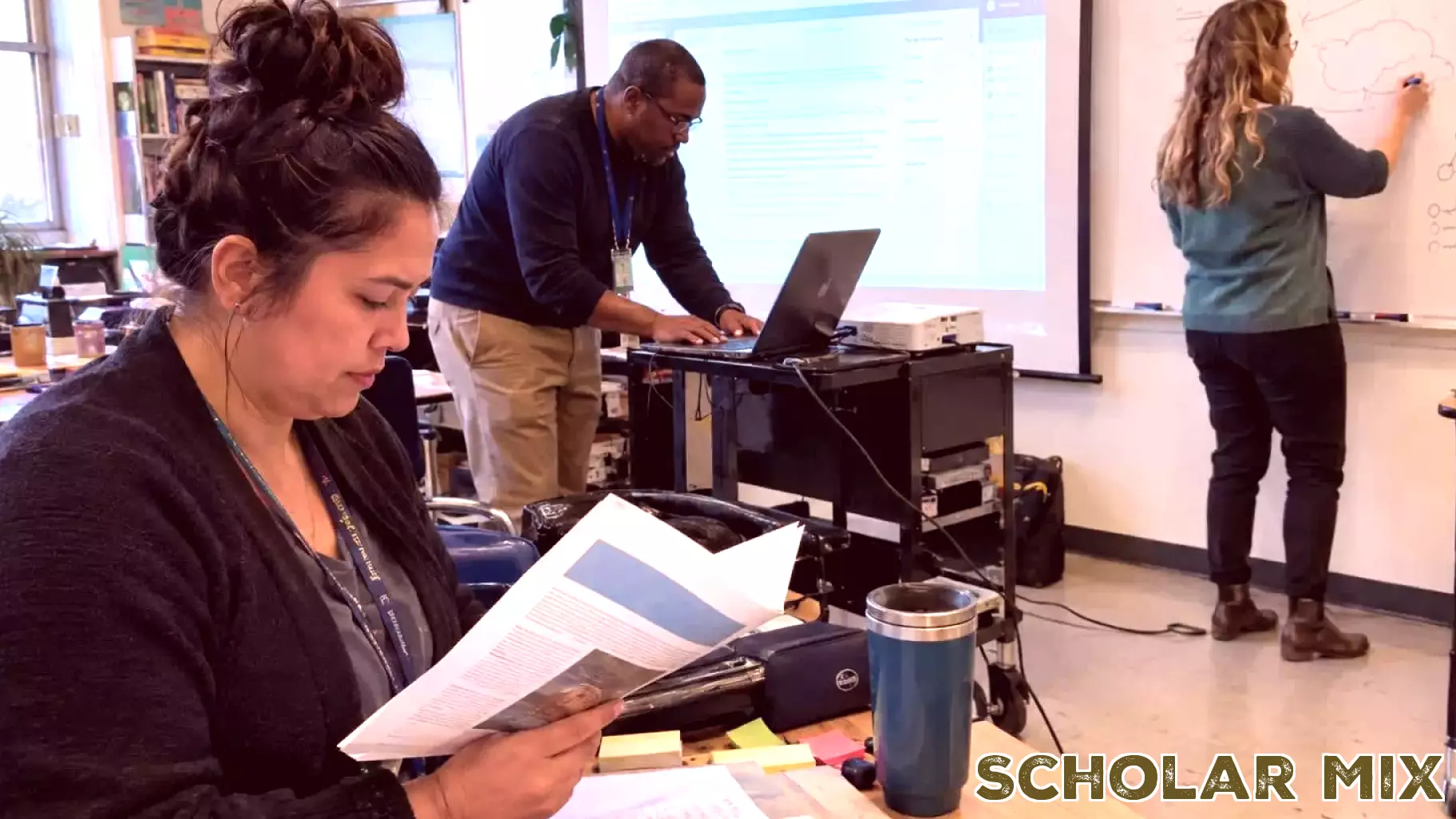
A recent survey conducted at Central Washington University involving 222 teachers has revealed a significant connection between clear AI policies, training, and teacher confidence. Educators reported that when they received proper training and guidance regarding the use of artificial intelligence in the classroom, their confidence levels increased. This suggests that structured support can empower teachers to integrate technology into their teaching methods more effectively.
However, despite the boost in confidence, concerns about academic integrity and cheating did not show a notable change. Teachers continue to express worries over potential misuse of AI tools by students, indicating that while training may enhance confidence, it does not fully alleviate fears about ethical challenges in education. The findings highlight the need for ongoing discussions about the implications of AI in learning environments, as teachers navigate the balance between leveraging technology and maintaining academic standards.
MORE NEWS

November 14, 2026 - 03:09
Kirt Michaelis Appointed as President of Mountainland Technical CollegeThe Utah Board of Higher Education has made a significant decision by unanimously voting to appoint Kirt Michaelis as the new president of Mountainland Technical College. This appointment marks a...

November 13, 2026 - 20:46
Educator Couple Transforms Physical Education for Students with Special NeedsWednesday was a busy day for educator Brett McCoy. Alongside his partner, they dedicated their time to creating an inclusive and engaging physical education program tailored for children with...

November 13, 2026 - 00:04
Lexington Two and Four Adult Education Program Wins Prestigious AwardsThe program, which operates in partnership with Lexington Four, received two top statewide awards recently, highlighting its commitment to adult education and community development. This...

November 12, 2026 - 03:37
Reader Commentary: Tackling the Challenges in EducationThe question of how to improve educational outcomes has become a pressing issue for educators, parents, and policymakers alike. Lynne Agress highlights the complexity of this dilemma, suggesting...