Building a Classroom Culture of Trust and Integrity
22 May 2026
Creating a classroom where trust and integrity thrive isn't just a nice-to-have—it's essential. Imagine a space where students feel safe to express themselves, take risks, and be honest about their struggles. When trust is the foundation, learning becomes a natural and enjoyable process.
But here's the thing: trust and integrity don’t just appear magically. They require ongoing effort from both teachers and students. So, how can educators foster these values in their classrooms? Let’s dive deep into strategies and insights to build a learning environment rooted in trust and integrity. 
Why Trust and Integrity Matter in the Classroom
A classroom without trust and integrity is like a house without a foundation—it won’t stand for long. When students trust their teachers and peers, they feel comfortable expressing their ideas without fear of judgment. And when integrity is emphasized, they learn the value of honesty, responsibility, and ethical behavior.The Impact of Trust
Trust builds a sense of security. When students trust their teachers:- They’re more willing to ask questions without fear of ridicule.
- They feel valued and listened to, boosting their confidence.
- They're more likely to engage in discussions and collaborative work.
The Role of Integrity
Integrity teaches students the importance of doing the right thing, even when no one is watching. It helps create:- A fair learning environment where everyone plays by the same rules.
- A culture of accountability, where students own up to their mistakes.
- Respect for academic honesty, reducing plagiarism and cheating.

How to Build Trust in the Classroom
Trust isn’t given—it’s earned. As a teacher, your actions set the tone for how students perceive you and interact with each other.1. Be Transparent and Honest
Want students to trust you? Then practice what you preach. If you make a mistake, own up to it. If a student asks a question you can’t answer, don’t fake it—tell them you’ll find out together. Honesty from a teacher fosters honesty from students.2. Show Genuine Care and Support
Students can sense whether a teacher truly cares. Take time to learn about their interests, struggles, and goals. A simple, “How was your weekend?” or "What’s something exciting you learned outside of class?" can go a long way in building relationships.3. Keep Your Promises
Ever had someone promise something and not follow through? It damages trust. If you say you'll return graded papers by Friday, do it. Keeping promises shows students you’re reliable, setting an example for them to do the same.4. Encourage Open Communication
Allow students to voice their thoughts without fear of punishment. Create a space where they can share concerns, give feedback, and ask for help without feeling judged. You can use anonymous surveys or feedback sessions to give them a voice.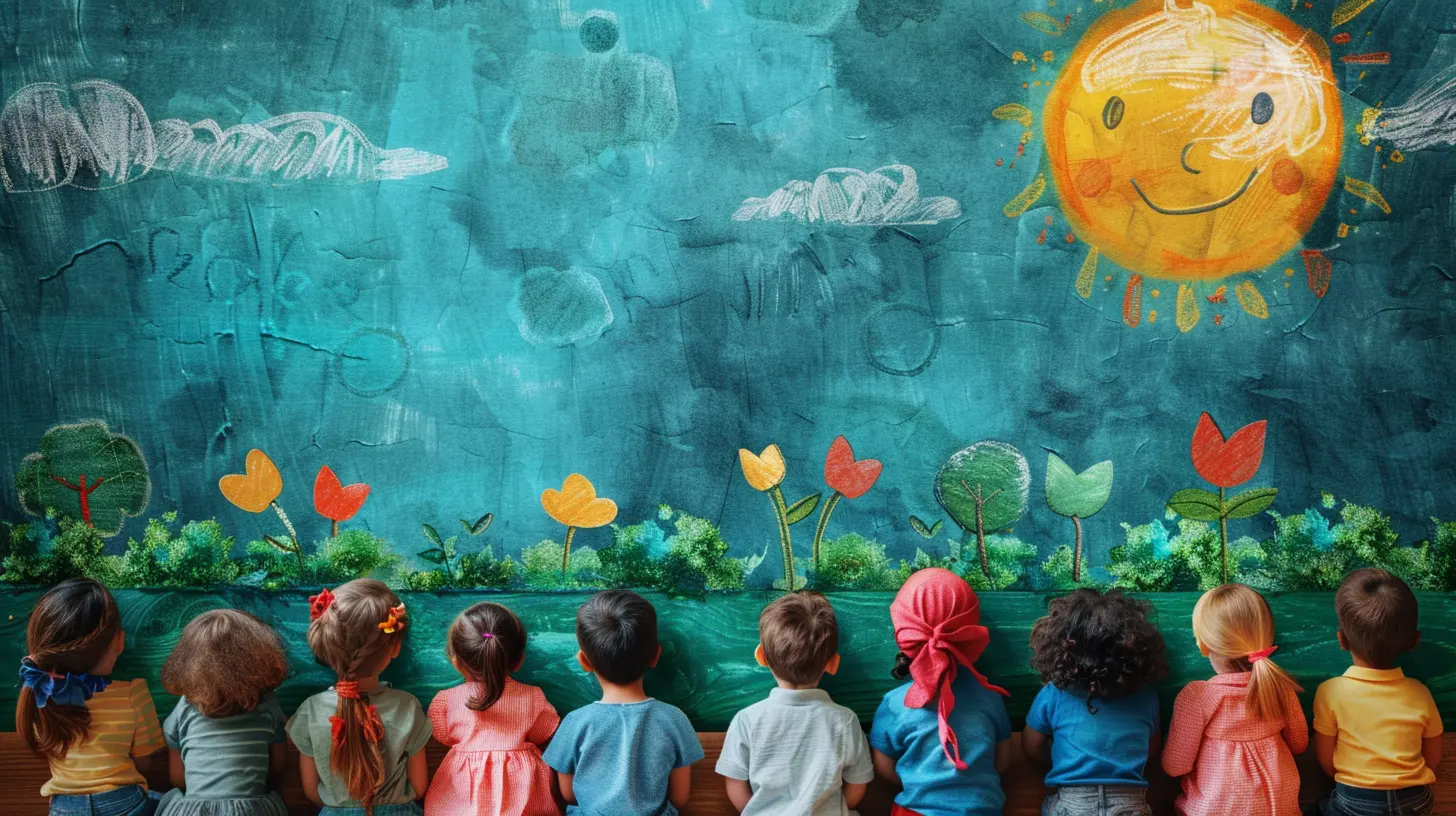
Cultivating Integrity Among Students
Integrity isn’t just about avoiding cheating—it's about building character. Here’s how you can instill this core value in your students.1. Set Clear Expectations
From day one, communicate your expectations regarding honesty, respect, and responsibility. Let students know that academic dishonesty, like plagiarism and cheating, won’t be tolerated. But also explain why integrity is crucial—not just in school, but in life.2. Lead by Example
Students watch what you do more than they listen to what you say. Show integrity in your actions, whether it’s admitting to a grading error or treating every student fairly. Your behavior sets the standard for them to follow.3. Highlight Real-World Consequences
Instead of just saying, “Cheating is bad,” explain the real-world impact. Share stories of professionals who faced consequences due to dishonesty (think of corporate scandals). When students see how integrity plays out in real life, the lesson sticks.4. Celebrate Honesty
Recognize and praise moments when students show integrity. Did someone admit to an error instead of covering it up? Acknowledge their honesty. Positive reinforcement helps create a norm where integrity is valued.
Fostering a Collaborative and Respectful Environment
Trust and integrity flourish in classrooms where students feel respected and included. Here’s how to create such an environment:1. Promote Peer Accountability
Encourage students to hold each other accountable in a positive way. If they see a classmate cutting corners, provide them with constructive ways to address it rather than staying silent.2. Encourage Teamwork and Group Activities
When students work together on projects, they learn the value of trust and mutual respect. Assign tasks that require collaboration, like problem-solving challenges or peer-teaching exercises.3. Address Conflicts Fairly and Respectfully
Disagreements are inevitable, but how you handle them matters. Teach students conflict-resolution skills, like active listening and empathy. When they see problems being resolved fairly, they trust the system and each other more.What to Do When Trust Is Broken
Let's be real—there will be moments when trust is shaken. A student may cheat, tell a lie, or break a promise. When that happens, the way you handle it determines whether trust can be rebuilt. Here’s what you can do:1. Address the Issue Calmly
Rather than reacting with frustration, approach the situation with a level head. Ask questions to understand why the student acted dishonestly. Often, pressure or fear is the root cause.2. Turn It into a Learning Moment
Instead of just punishing a student for wrongdoing, help them see the bigger picture. Discuss how their actions impacted others and what they can do differently next time.3. Allow for Redemption
Everyone makes mistakes. Give students a chance to make amends, whether it’s redoing an assignment honestly or apologizing to a peer. Showing that mistakes don’t define them fosters a culture of growth and accountability.Final Thoughts
Building a classroom culture of trust and integrity takes time, patience, and continuous effort. But the payoff? A space where students feel safe to learn, grow, and be their authentic selves.As educators, we don’t just teach subjects—we shape futures. By prioritizing trust and integrity, we’re not only creating better students but also fostering responsible, honest individuals who carry these values into the world.
So, the next time you step into your classroom, ask yourself: Am I creating an environment where students feel safe enough to be honest? If the answer is yes, you're on the right track.
all images in this post were generated using AI tools
Category:
Character EducationAuthor:

Olivia Chapman
Discussion
rate this article
1 comments
Kylie McCracken
Creating a classroom culture where trust and integrity thrive is like planting a garden. With care and attention, you can watch relationships bloom and a community grow. Let's nurture those values and watch our students flourish in this vibrant learning environment!
May 24, 2026 at 10:45 AM
Olivia Chapman
Absolutely! Just like a garden, it takes time and effort to cultivate trust and integrity. When we nurture these values, our students truly thrive.