Building Flexible Learning Environments Through Differentiation
20 March 2026
Education isn’t a one-size-fits-all experience. Every student comes with unique strengths, challenges, and learning styles. Imagine trying to fit everyone into the same mold—it just wouldn’t work. That’s where differentiation steps in, bringing flexibility, inclusivity, and personalization to the classroom.
But what exactly does differentiation mean? And how can we use it to create more adaptable and effective learning spaces? Let’s dive in.
What Is Differentiation in Education?
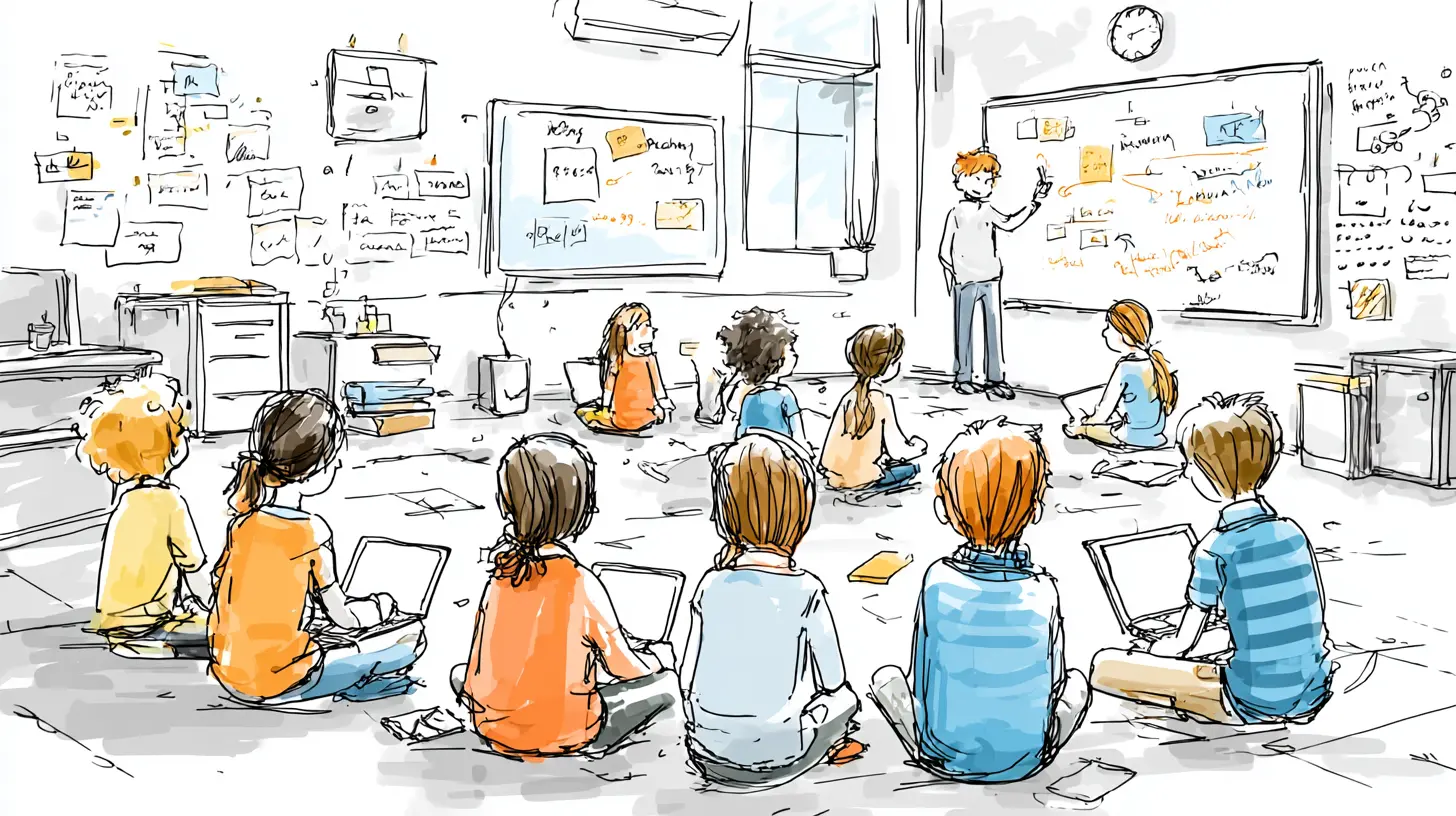
Differentiation is all about meeting students where they are. It’s an approach that tailors instruction based on students' needs, abilities, and interests. Instead of delivering the same lesson in the same way to every learner, teachers use diverse methods to ensure each student gets what they need to succeed.Think of it like a GPS—while the destination (learning goal) remains the same, the route can vary based on the starting point of each student. Some might take a straight path, while others need detours, extra guidance, or even a slower pace.
Why Is Differentiation Important?
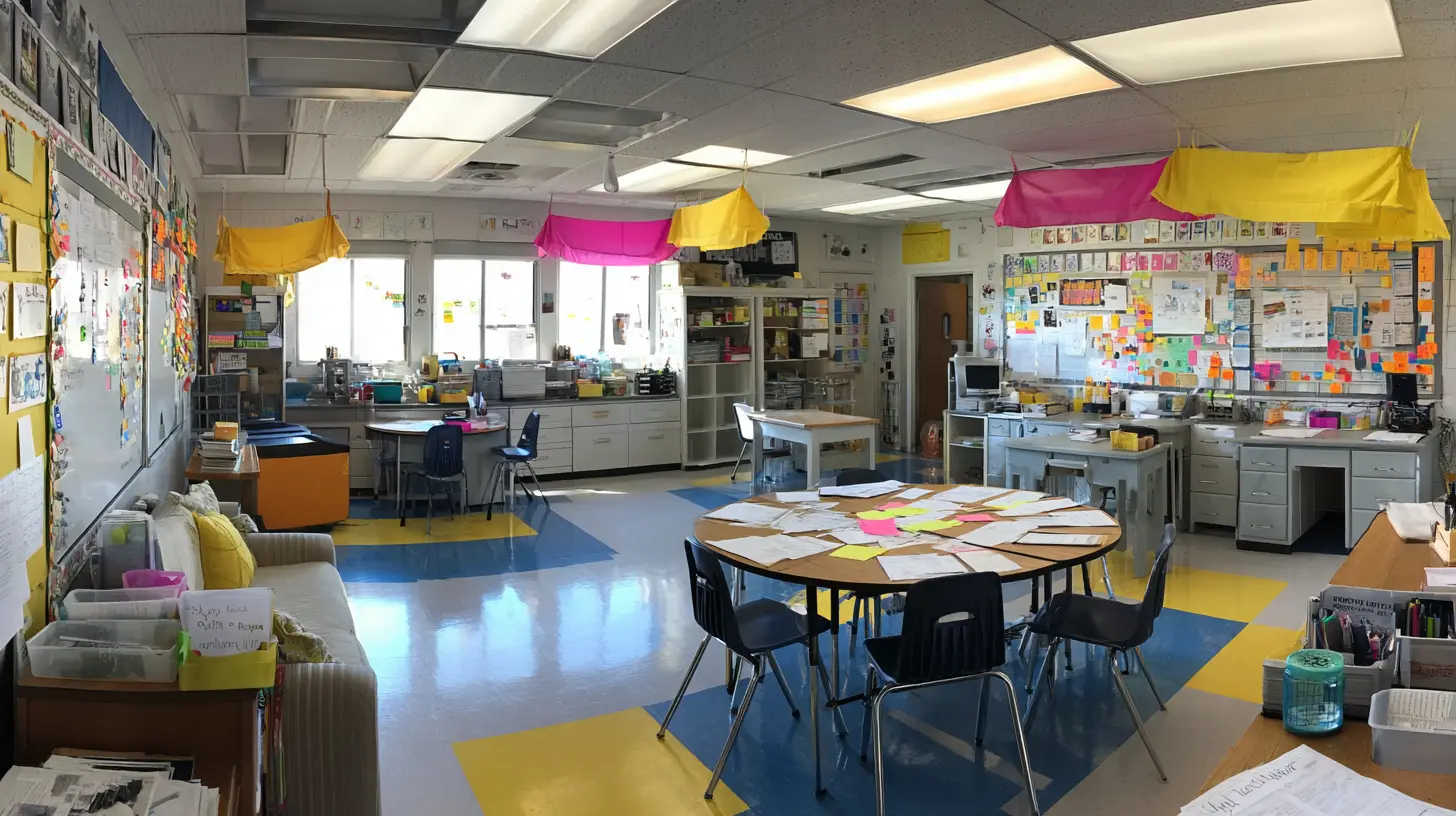
Imagine sitting in a classroom where the lesson moves too fast, leaving you lost. Or worse, it’s too slow, and you’re bored out of your mind. Neither scenario fosters true learning. This is why differentiation is crucial—it engages every learner at their level, keeping them challenged yet supported.Here’s why differentiation matters:
- Addresses Diverse Learning Styles – Some students thrive on visuals, others prefer hands-on activities, and some grasp concepts better through discussion. Differentiation makes room for all these styles.
- Boosts Student Confidence – When lessons are tailored effectively, students feel more capable and motivated.
- Encourages a Growth Mindset – A flexible learning environment fosters resilience by allowing students to progress at their own pace.
- Reduces Learning Gaps – Instead of leaving struggling students behind or holding advanced students back, differentiation ensures everyone moves forward.
Strategies for Implementing Differentiation
So, how do we build a flexible learning environment through differentiation? Here are some practical strategies that teachers can implement:1. Differentiating Content
Not every student learns at the same pace. To accommodate this, educators can:- Provide multiple versions of the same material (simplified text, in-depth readings, or visual aids).
- Use videos, infographics, and interactive tools to present information in various ways.
- Offer structured choice boards, allowing students to pick the format that best suits them.
2. Differentiating Process
How students engage with content can vary. Instead of a one-size-fits-all approach, try:- Flexible grouping – Pair students based on skill levels, interests, or learning styles.
- Tiered assignments – Provide different levels of support within the same task.
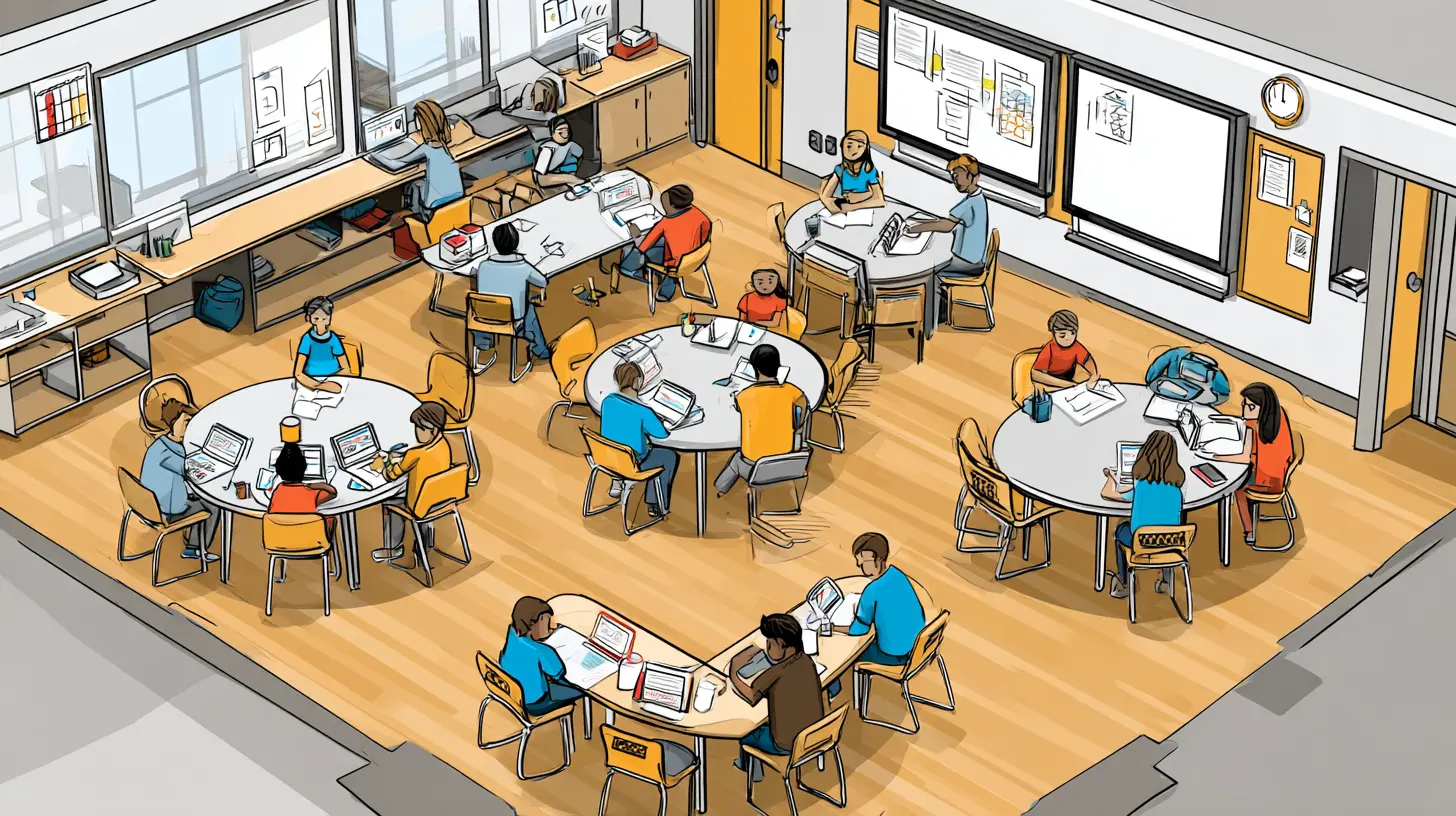
- Learning stations – Rotate students through individual, partner, and small-group activities.
- Choice in assignments – Let students decide whether to write an essay, create a presentation, or build a model.
3. Differentiating Assessments
Not every student performs well on traditional tests. So, why not offer alternatives?- Portfolios – Let students compile their work over time.
- Project-based learning – Assess understanding through real-world applications.
- Self-reflections and peer reviews – Encourage students to analyze their growth.
- Oral presentations, skits, or visual projects – Give students different ways to express their understanding.
4. Utilizing Technology
In today’s digital age, edtech tools make differentiation easier than ever. Some great options include:- Adaptive learning platforms (like Khan Academy or IXL) that adjust content based on student performance.
- Google Classroom and Microsoft Teams for flexible collaboration.
- Gamified learning apps (such as Kahoot or Quizlet) to reinforce concepts in an engaging way.
- Speech-to-text and text-to-speech tools for students with different accessibility needs.
5. Creating a Supportive Classroom Culture
Differentiation can’t thrive in a rigid classroom. Cultivating a growth-focused, encouraging environment is key. Teachers can:- Foster open communication and allow students to voice their learning preferences.
- Normalize mistakes as part of learning to help students feel safer taking risks.
- Encourage collaboration over competition by emphasizing peer support.
- Provide individual check-ins to ensure students feel seen and supported.
Overcoming Challenges in Differentiation
Let’s be real—differentiation sounds amazing, but it’s not without challenges. Some common obstacles include:Time Constraints
Teachers are already juggling lesson planning, grading, and classroom management. Adding differentiation can feel overwhelming. The trick? Start small. Implement one or two strategies at a time and slowly build from there.Classroom Management
Managing students working on different tasks can seem chaotic. However, setting clear expectations and routines ensures smooth execution. Using structured rotations and self-paced activities can bring order to the process.Ensuring Fairness
Some worry that giving students different assignments isn’t “fair.” But fairness isn’t about treating everyone the same—it’s about giving each student what they need to succeed. Think of it like prescribing glasses—everyone gets the right pair for their vision, not the same prescription for all.The Power of Flexible Learning
At the core of differentiation is flexibility—a willingness to adapt, a mindset that values student diversity, and a commitment to helping every learner thrive. When teachers embrace differentiated instruction, they create an environment where no student feels left out or unchallenged.Education should be a custom-fit experience, not a factory line. By building flexible learning environments, we give students the freedom to grow in their unique ways—and isn’t that what education is all about?
all images in this post were generated using AI tools
Category:
Differentiated InstructionAuthor:

Olivia Chapman
Discussion
rate this article
2 comments
Lincoln Fuller
Flexibility in learning isn't just an option; it's essential. Differentiation transforms the classroom into a dynamic space where every student thrives. Embracing diverse needs is the key to unlocking potential—because when we adapt to learners, everyone rises together.
March 23, 2026 at 4:57 AM
Olivia Chapman
I completely agree. Flexibility and differentiation are crucial for catering to diverse learning styles. When we adapt our approaches, we empower all students to succeed.
Eloise McIntosh
Great insights! I love how differentiation truly makes learning more adaptable and engaging for every student’s unique needs.
March 21, 2026 at 3:58 AM
Olivia Chapman
Thank you! I'm glad you found the insights valuable. Differentiation really does empower us to meet each student's needs effectively!