Character Development Through Classroom Collaboration
27 June 2026
Character development isn't just about being a "good person." It’s about shaping young minds into responsible, compassionate, and confident individuals who can navigate life’s complexities. And guess what? One of the best places for this transformation is the classroom.
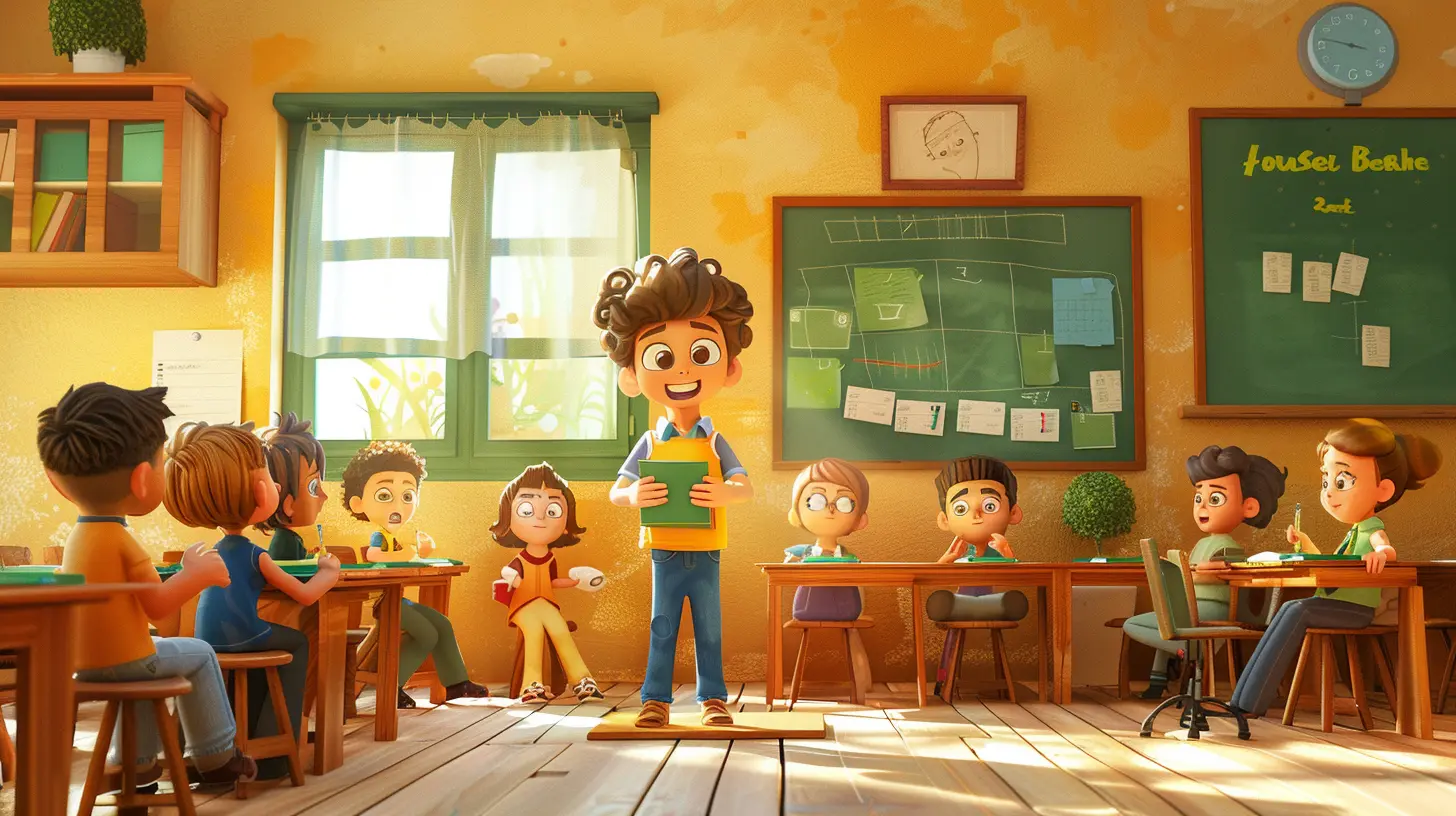
Classroom collaboration plays a crucial role in developing essential life skills—communication, teamwork, empathy, and leadership. When students work together, they don’t just learn academic concepts; they also build character. Let’s dive into how classroom collaboration fosters character development and why it should be a priority in modern education.
Why Character Development Matters in Education
Before we jump into the role of collaboration, let's talk about why character development is so important. Schools are more than just hubs for academic learning; they shape students into well-rounded individuals.Consider this—what good is a brilliant student if they lack empathy, honesty, or leadership skills? The world is full of talented people, but success often comes down to character. Employers today look for people who can work in teams, solve problems, show resilience, and lead with integrity. And it all starts in the classroom.
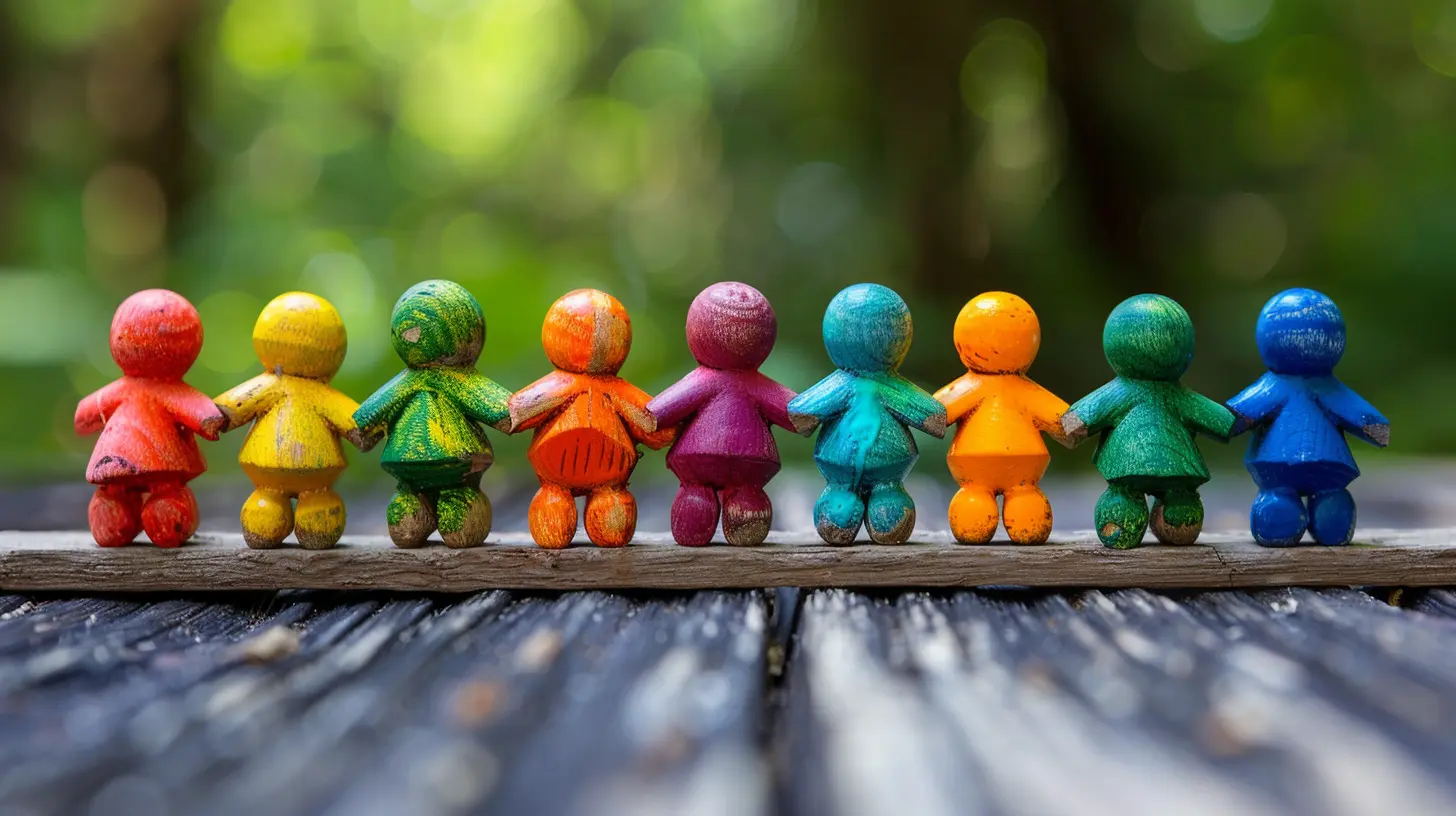
The Role of Collaboration in Character Development
1. Encouraging Teamwork and Cooperation
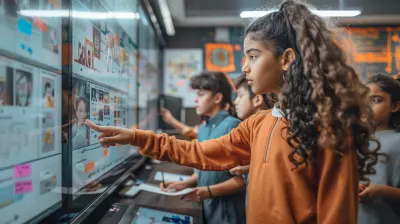
Picture this: A group of students working on a project together. One is great at research, another excels in public speaking, and someone else is the creative genius. As they collaborate, they learn to rely on each other’s strengths, making them appreciate diversity in skills and thought processes.This experience teaches an essential life lesson—success isn’t always about being the smartest person in the room; it's about working well with others. The ability to collaborate is a skill that helps students thrive in both professional and personal life.
2. Building Strong Communication Skills
Ever been in a group where one person does all the talking while others quietly nod? That dynamic doesn’t help anyone. Effective collaboration teaches students to express their ideas clearly and, just as importantly, to listen actively.Good communication is a two-way street. When students discuss, debate, and share perspectives, they learn how to articulate their thoughts while respecting others' viewpoints. This builds confidence, reduces misunderstandings, and sets the stage for healthy relationships in adulthood.
3. Developing Empathy and Understanding
One of the most overlooked aspects of character development is empathy—the ability to understand and share the feelings of others. Classroom collaboration exposes students to diverse perspectives, backgrounds, and experiences.When working in diverse groups, students learn to appreciate differences rather than fear them. They begin to see the world through someone else’s eyes, making them more compassionate individuals. And in a world that often feels divided, empathy is a skill we all need more of.
4. Fostering Leadership and Responsibility
Not everyone is born a leader, but everyone has the potential to lead in their own way. Collaborative activities provide opportunities for students to take charge, delegate tasks, and guide their peers.Leadership isn’t just about taking control; it’s about inspiring and helping others succeed. Whether it's leading a discussion, mentoring a struggling teammate, or resolving conflicts, these experiences prepare students for leadership roles in the future.
5. Teaching Conflict Resolution
Let’s be real—group work isn’t always smooth sailing. Disagreements happen, personalities clash, and tempers sometimes flare. But instead of avoiding conflicts, students learn how to resolve them constructively.Handling conflicts in a classroom setting teaches patience, compromise, and problem-solving skills. Learning to navigate differences without hostility is an invaluable life lesson that serves students far beyond their school years.
6. Promoting a Growth Mindset
Collaboration naturally encourages a growth mindset—the belief that abilities and intelligence can be developed through effort and perseverance.When students work together, they see firsthand that mistakes aren’t failures but learning opportunities. They support each other, offer constructive feedback, and celebrate improvements. This outlook helps them become resilient individuals who embrace challenges rather than fear them.
7. Strengthening Accountability
Ever been in a group project where someone didn’t pull their weight? It’s frustrating, but it also teaches an important lesson about accountability.Group work makes students accountable not just to teachers, but to their peers. They realize that their actions—or inactions—affect the entire team. This instills a sense of responsibility, preparing them for real-world situations where people rely on them.
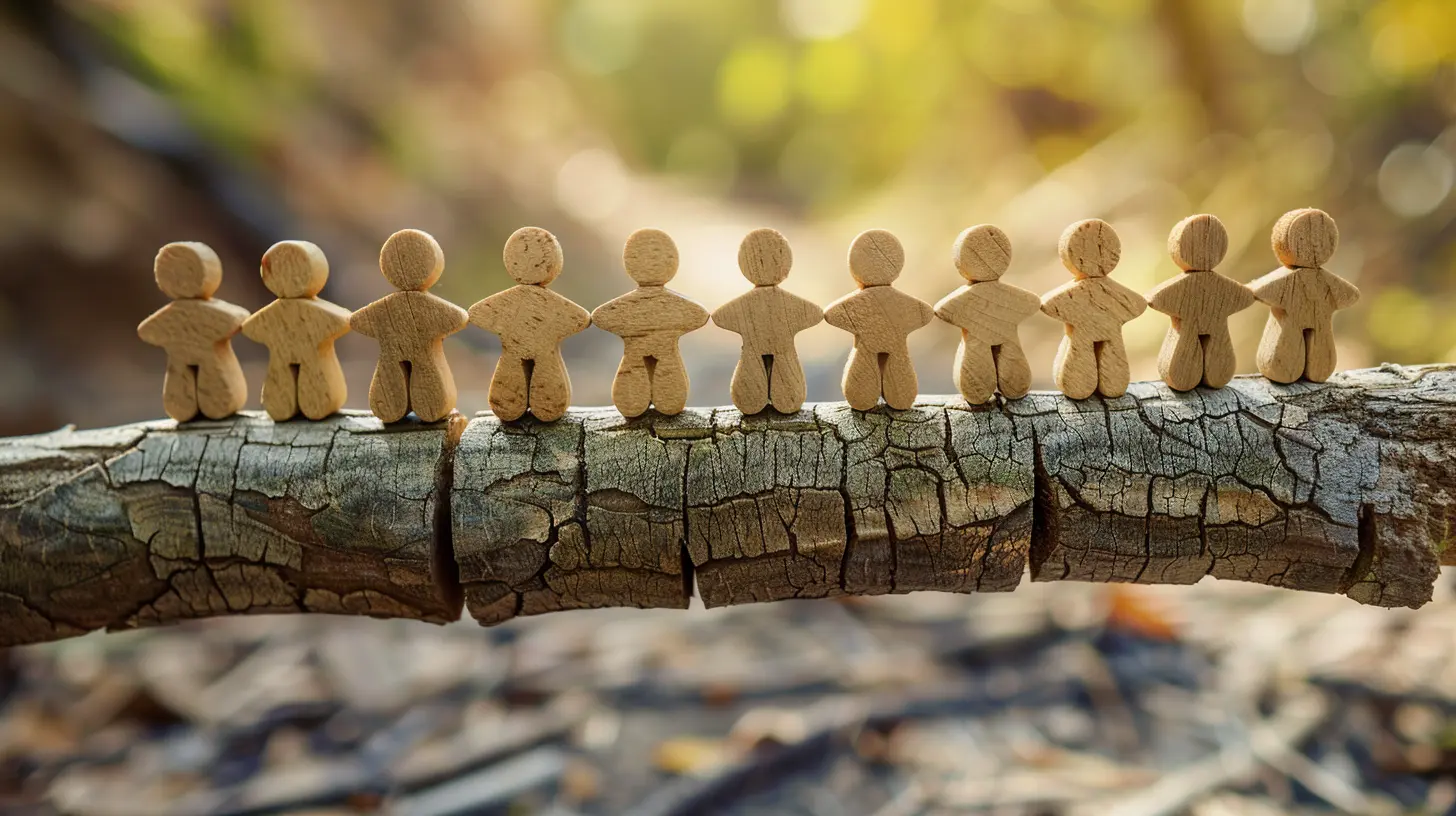
Effective Strategies to Foster Collaboration in the Classroom
Now that we know why collaboration is crucial, let's talk about how teachers can create an environment that nurtures it.1. Group Projects with Defined Roles
Assigning group projects where each student has a clear role ensures active participation. Whether someone is the researcher, presenter, or note-taker, everyone contributes meaningfully.2. Peer Teaching Exercises
Allowing students to teach each other reinforces their knowledge while improving their communication skills. Teaching a concept forces them to understand it deeply, boosting both confidence and competence.3. Classroom Debates and Discussions
Encouraging students to engage in structured debates hones critical thinking and communication skills. It also teaches them to present arguments respectfully while listening to opposing views.4. Problem-Solving Activities
Giving students real-world problems to solve as a team fosters creativity, leadership, and resilience. Activities like case studies, escape rooms, and brainstorming sessions challenge students to think outside the box.5. Collaborative Technology Tools
Using platforms like Google Docs, Trello, or Padlet helps students work together efficiently, even outside the classroom. These tools mirror real-world collaboration, preparing them for the modern workplace.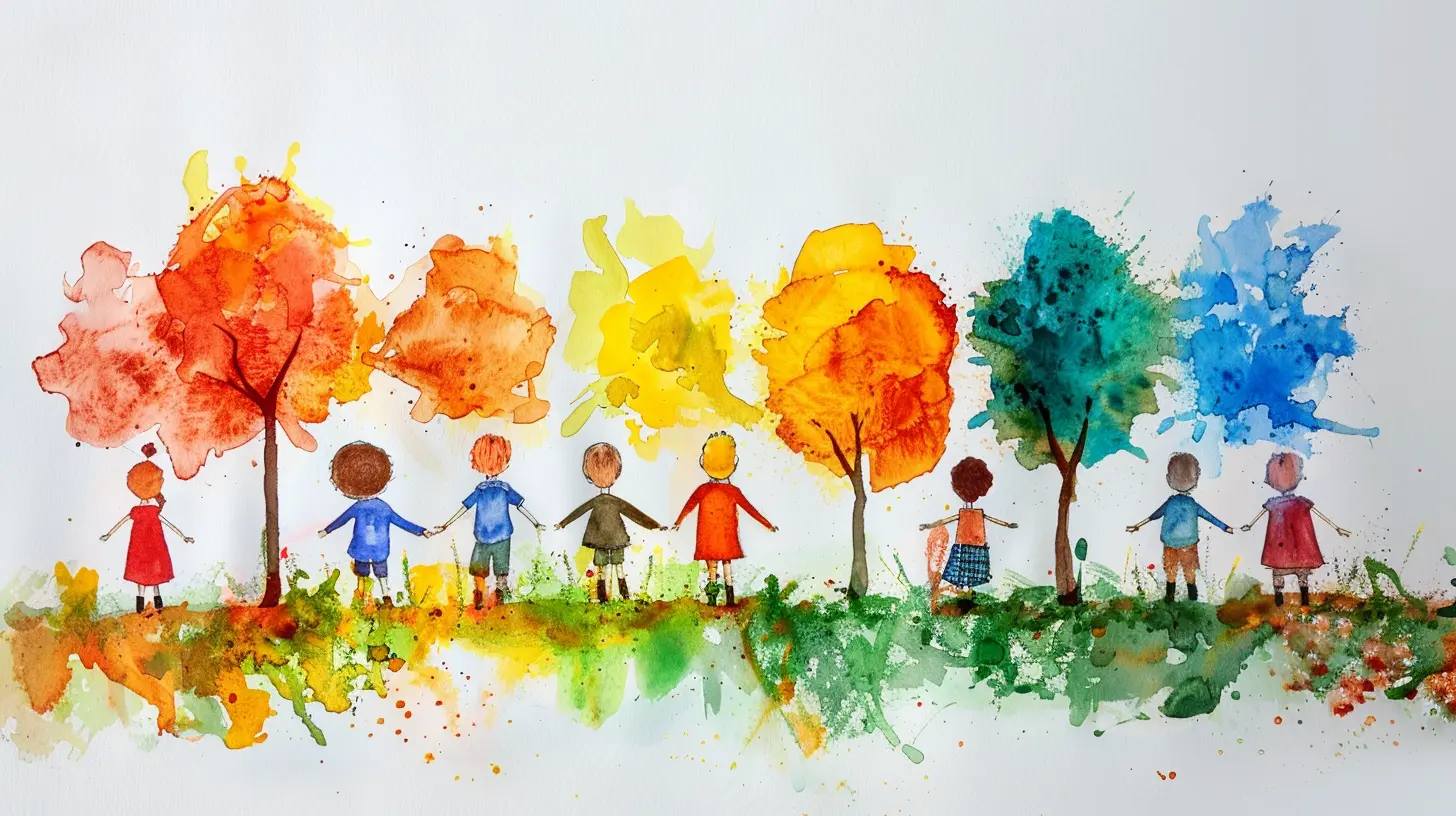
Challenges and How to Overcome Them
Of course, collaboration isn’t always easy. Some students may dominate discussions, while others may shy away from participating. Conflicts can arise, and not everyone pulls their weight.So, how do we overcome these challenges?
1. Set Clear Expectations – From the start, clarify what good collaboration looks like and what is expected from each student.
2. Promote Inclusivity – Encourage quieter students to share their ideas and ensure that dominant voices don’t overpower discussions.
3. Teach Conflict Resolution Skills – Equip students with techniques to handle disagreements in a constructive way.
4. Use Reflection Activities – After group work, have students reflect on what went well and what could be improved. This promotes self-awareness and continuous growth.
Final Thoughts
Character development and academic success are not separate—they go hand in hand. Classroom collaboration is one of the most effective ways to nurture essential traits like empathy, leadership, accountability, and resilience.By encouraging teamwork and meaningful interactions, schools can mold students into not just successful professionals, but also kind, responsible, and thoughtful individuals. And in the grand scheme of things, isn’t that what education should be all about?
all images in this post were generated using AI tools
Category:
Character EducationAuthor:

Olivia Chapman
Discussion
rate this article
1 comments
Solenne Wolf
Who knew that teaming up for a group project could lead to character growth? It's like turning chaos into character! Watch out, world! These future leaders are learning not just math and science, but also how to diplomatically share the last cookie in the break room...
June 29, 2026 at 3:20 AM
Olivia Chapman
Absolutely! It's amazing how teamwork not only builds skills but also shapes who we become. That last cookie can teach valuable lessons in compromise and cooperation.