Creating a Culture of Respect in the Classroom
5 April 2026
Respect is one of those big words that carries a deep meaning. It’s something we all crave, but it doesn’t just appear out of thin air—it has to be nurtured, especially in the classroom. As educators, creating a culture of respect goes beyond simply enforcing rules. It’s about setting the stage for a positive, inclusive, and engaging environment where students feel valued, heard, and supported.
But how do we foster respect in a world where distractions are everywhere, and attention spans are shrinking? Let’s dive into the heart of the matter.
Why Respect Matters in the Classroom
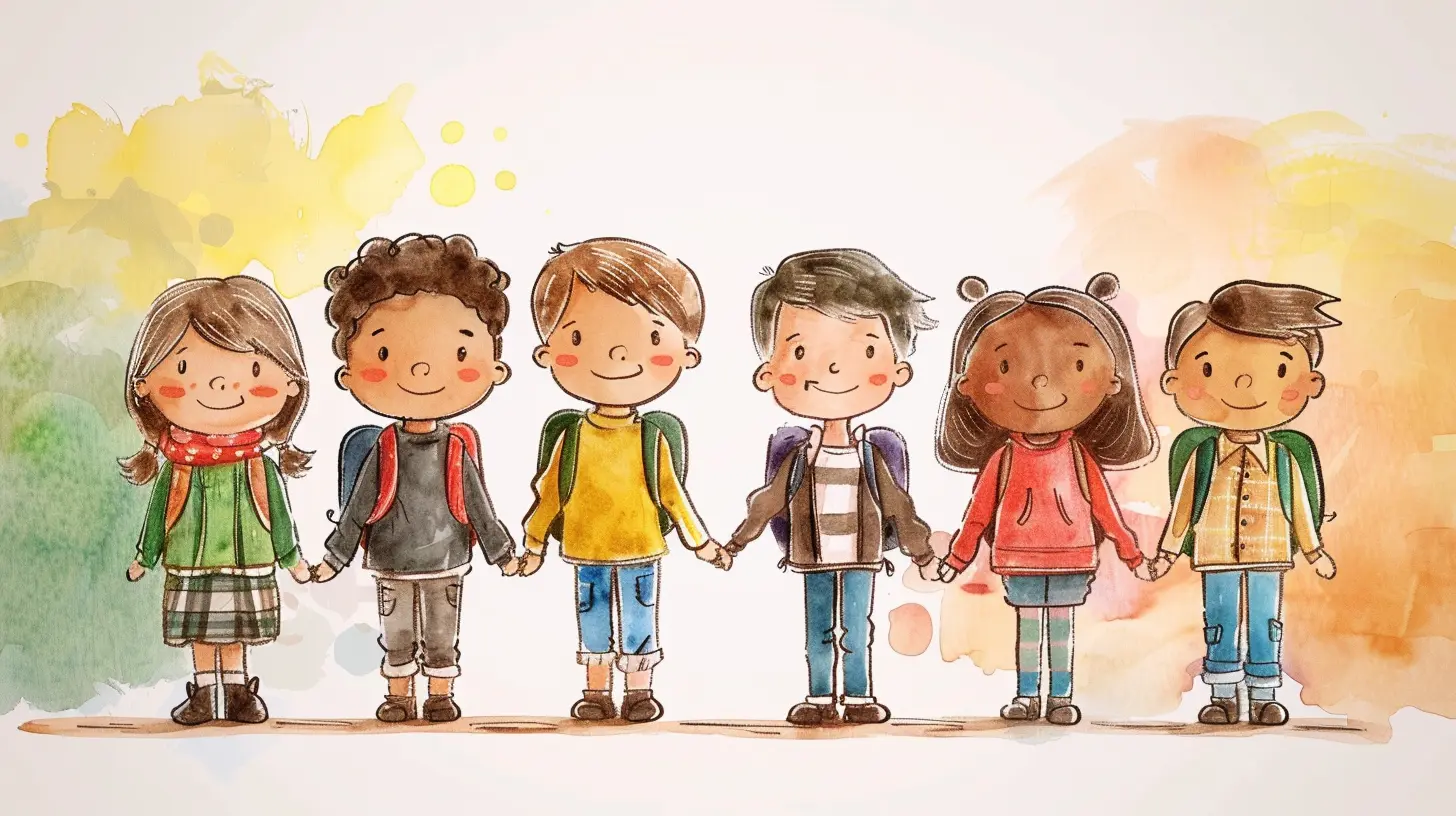
Respect sets the foundation for effective learning. When students respect each other and their teachers, the classroom transforms into a safe space where ideas can flow freely, mistakes become learning opportunities, and everyone thrives.Think about it—when was the last time you learned something valuable in an environment where you felt unwelcome or disrespected? Probably never. Respect isn’t just a “nice-to-have”; it’s absolutely necessary for both academic and personal growth.
A culture of respect leads to:
- Better classroom engagement
- Improved student-teacher relationships
- Increased motivation and participation
- A more inclusive learning environment
- Fewer behavioral issues
So, how can we cultivate this in a classroom filled with diverse personalities, backgrounds, and learning styles? 
1. Lead by Example
You can’t expect students to be respectful if you don’t practice what you preach. Children and teenagers are incredibly observant. They pick up on your body language, tone of voice, and the way you interact with others. If you want respect, you have to give it first.- Address students politely—“Please,” “Thank you,” and “Excuse me” go a long way.
- Listen attentively when students speak. Show that their thoughts and opinions matter.
- Handle disagreements calmly. Instead of raising your voice, address the issue with patience and fairness.
When you model respect in all interactions, students mirror that behavior, and it becomes the norm. 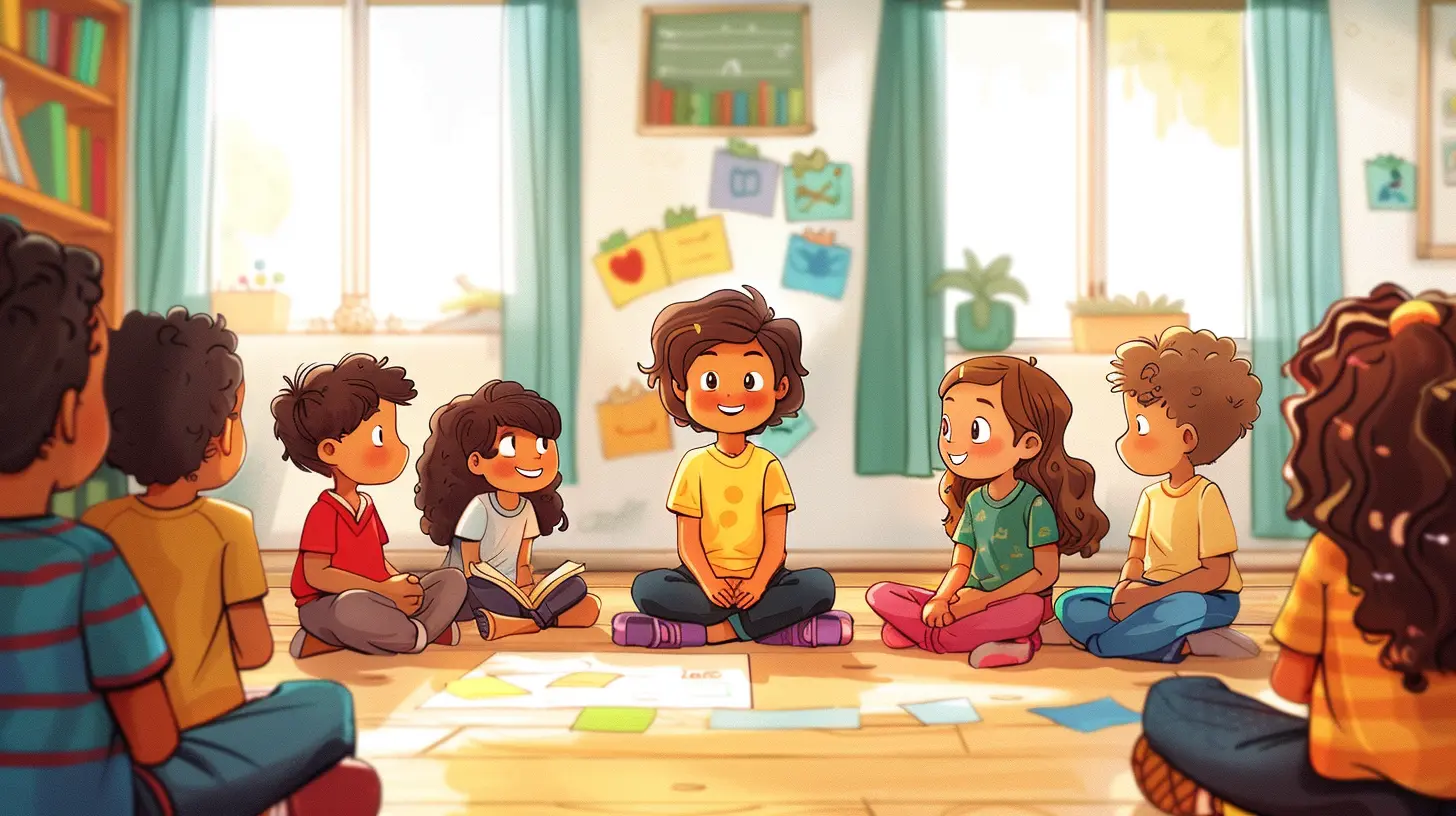
2. Establish Clear Expectations
Rules without explanation just feel restrictive. Instead of saying, “No talking when I’m talking,” explain, “When one person speaks, we all listen so we can understand each other better.”Collaborate with students to set behavior expectations. When students feel like they’ve had a say in shaping the classroom norms, they’re more likely to respect them.
Consider discussing:
- How should we treat each other in class?
- What should we do if we disagree with someone?
- How can we create a welcoming learning space for everyone?
Once these expectations are set, be consistent. If students see you enforcing rules selectively, respect will crumble fast. 
3. Encourage Open Communication
Respect isn't just about following rules—it’s about feeling heard. If students feel like their voices don’t matter, they’ll disengage.Create an environment where students feel comfortable expressing their thoughts, asking questions, and even disagreeing—respectfully.
- Use open-ended questions to encourage discussion.
- Acknowledge and validate student opinions, even if you don't agree.
- Teach active listening skills—have students repeat or summarize what someone else has said before responding.
A respectful classroom thrives on meaningful conversations, where students know their ideas won’t be dismissed or ridiculed.
4. Address Disrespect Immediately (But Fairly)
Let’s be real—disrespect will happen. Whether it’s a rude comment, whispering while someone’s talking, or an outright argument, addressing issues quickly is key.But here’s the trick: avoid public humiliation. Calling out a student in front of everyone can embarrass them and make them defensive. Instead:
- Have a private conversation if possible.
- Use a calm approach—“I noticed you interrupted Sarah while she was speaking. Let’s make sure everyone gets a chance to share.”
- Reinforce the importance of respect without shaming the student.
It’s about correction, not punishment. The goal is to guide students toward better behavior, not to make them feel small.
5. Celebrate Differences
Every classroom is a melting pot of cultures, backgrounds, and experiences. Instead of letting those differences divide, use them to unite.- Encourage students to share their traditions and experiences.
- Incorporate diverse perspectives in lessons—books, historical figures, and discussions.
- Teach empathy by having students step into someone else’s shoes through role-playing activities.
When students learn to appreciate—not just tolerate—differences, it fosters deeper respect for one another.
6. Recognize and Reward Respectful Behavior
People thrive on positive reinforcement, and students are no exception. When you acknowledge and praise respectful behavior, you encourage more of it.- Compliment students who show kindness, patience, or attentiveness.
- Introduce a “Respect Champion” of the week, where students nominate peers who have shown exceptional respect.
- Celebrate small wins—a simple “I really appreciate how you waited your turn” can make a difference.
When respect is encouraged and rewarded, it becomes something students strive for naturally.
7. Encourage Collaboration Over Competition
A little competition is healthy, but if it gets out of hand, it can breed negativity and resentment. Instead of solely focusing on individual achievements, incorporate teamwork to build a sense of unity.- Group activities where everyone has an important role.
- Peer mentoring, where students help each other succeed.
- Class projects where students work together toward a common goal.
When students learn to collaborate rather than constantly compete, they see each other as allies rather than rivals.
8. Make Respect Part of the Classroom Culture—Not Just a Lesson
Respect shouldn’t be a one-time lesson or a poster on the wall—it needs to be embedded in daily interactions.- Start the day with a quick “How’s everyone feeling today?”
- End the week with a reflection: “What’s one thing someone did this week that made you feel valued?”
- Integrate respect into assignments, discussions, and class activities.
When respect becomes a natural part of daily life, it stops feeling like a “rule” and starts becoming second nature.
Final Thoughts
Creating a culture of respect in the classroom isn’t about demanding obedience—it’s about fostering an environment where students feel seen, heard, and valued. It requires consistency, patience, and a whole lot of heart.But trust me, the effort is worth it. When students feel respected, they’re more engaged, more motivated, and more willing to contribute to a positive learning environment.
So, let’s commit to making respect the foundation of every classroom. Because when we teach students to respect each other, we’re not just shaping better learners—we’re shaping better people.
all images in this post were generated using AI tools
Category:
Character EducationAuthor:

Olivia Chapman
Discussion
rate this article
2 comments
Orionis McNab
Thank you for this insightful article! Creating a culture of respect is essential for effective learning. I appreciate the practical strategies you shared, which will surely help teachers foster a more inclusive and supportive classroom environment. Looking forward to implementing these ideas!
April 14, 2026 at 4:25 AM
Olivia Chapman
Thank you for your kind words! I'm glad you found the strategies helpful. Best of luck in creating that respectful environment in your classroom!
Zevon Castillo
Empower students, foster respect.
April 8, 2026 at 4:09 AM
Olivia Chapman
Absolutely! Empowering students is essential for building mutual respect in the classroom.