Cultural Competence: A Key Skill for Educators
29 September 2026
In today's diverse classrooms, students come from all walks of life, bringing unique cultures, languages, and traditions. As an educator, having cultural competence isn't just a "nice-to-have" skill—it's a necessity! But what exactly does it mean, and why is it so important? Let’s dive in!
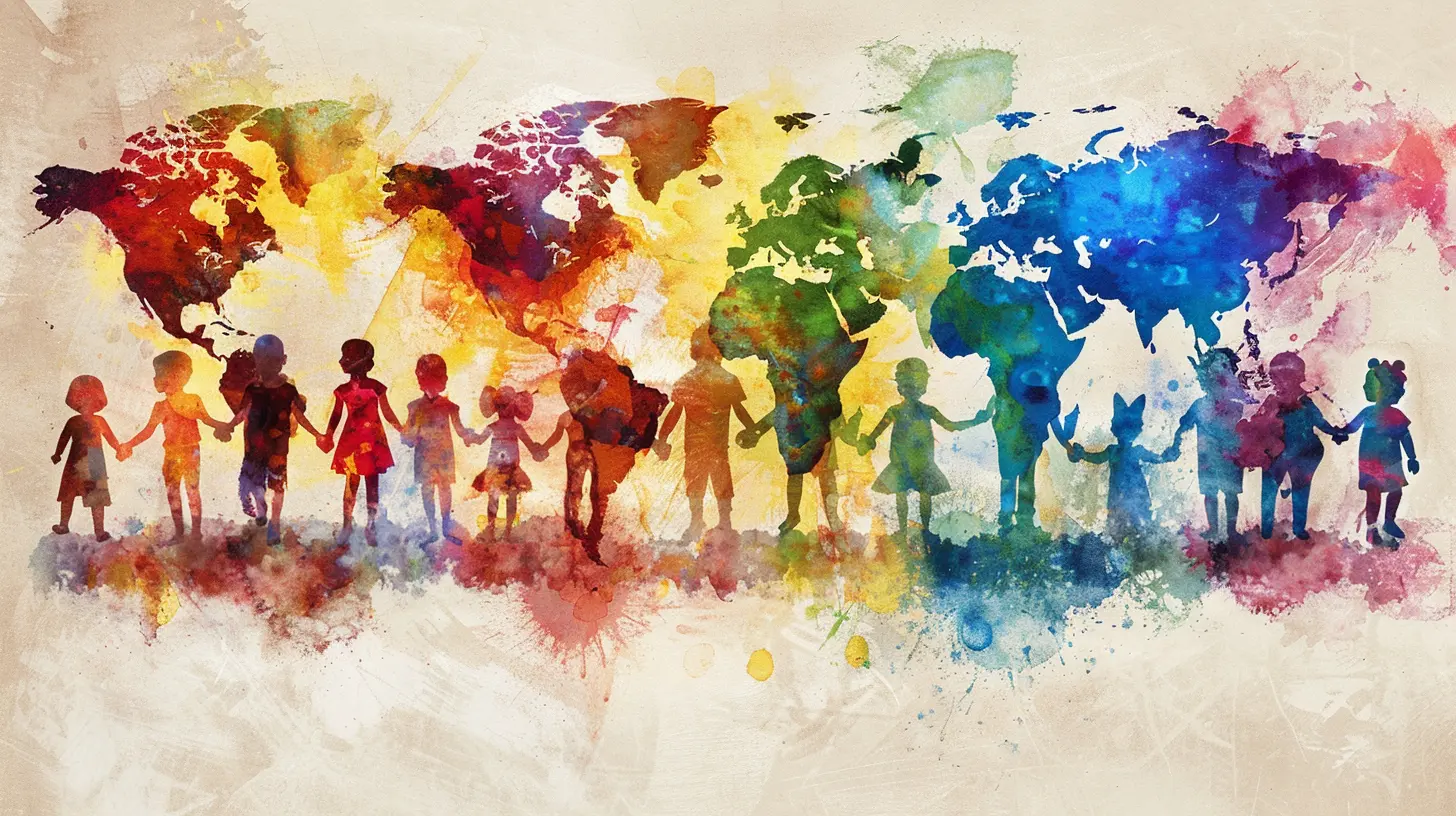
What Is Cultural Competence?
Cultural competence is the ability to understand, appreciate, and interact with people from different cultures and backgrounds. It’s not just about knowing facts about other cultures; it’s about developing a mindset that embraces diversity and fosters inclusivity.Think of it as a bridge that connects educators with their students. Without this bridge, misunderstandings and biases can creep in, making learning difficult for both teachers and students.
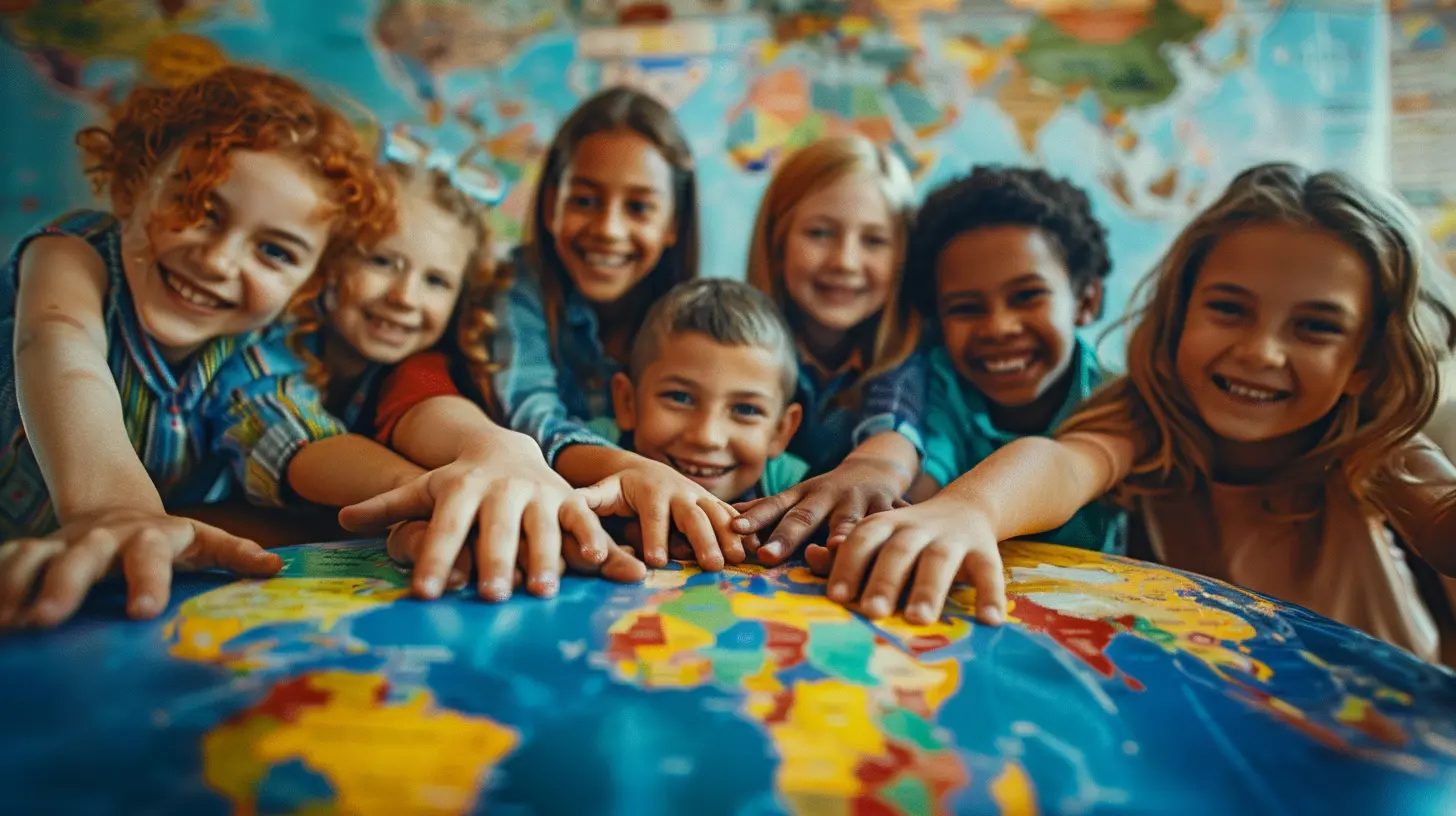
Why Is Cultural Competence Important for Educators?
1. Enhances Student Engagement
When students feel valued and understood, they engage more in learning. Recognizing students’ cultural backgrounds and integrating them into lessons makes them feel seen and heard.2. Reduces Bias and Stereotypes
We all have unconscious biases, but cultural competence helps educators recognize and challenge these biases. Instead of making assumptions, culturally competent teachers approach students with an open mind.3. Improves Classroom Relationships
Students learn best when they have a strong, trusting relationship with their teachers. A culturally competent educator fosters respect, empathy, and connection.4. Prepares Students for a Global Society
The world is more interconnected than ever. Teaching students to appreciate different cultures prepares them for careers, friendships, and collaborations in a diverse world.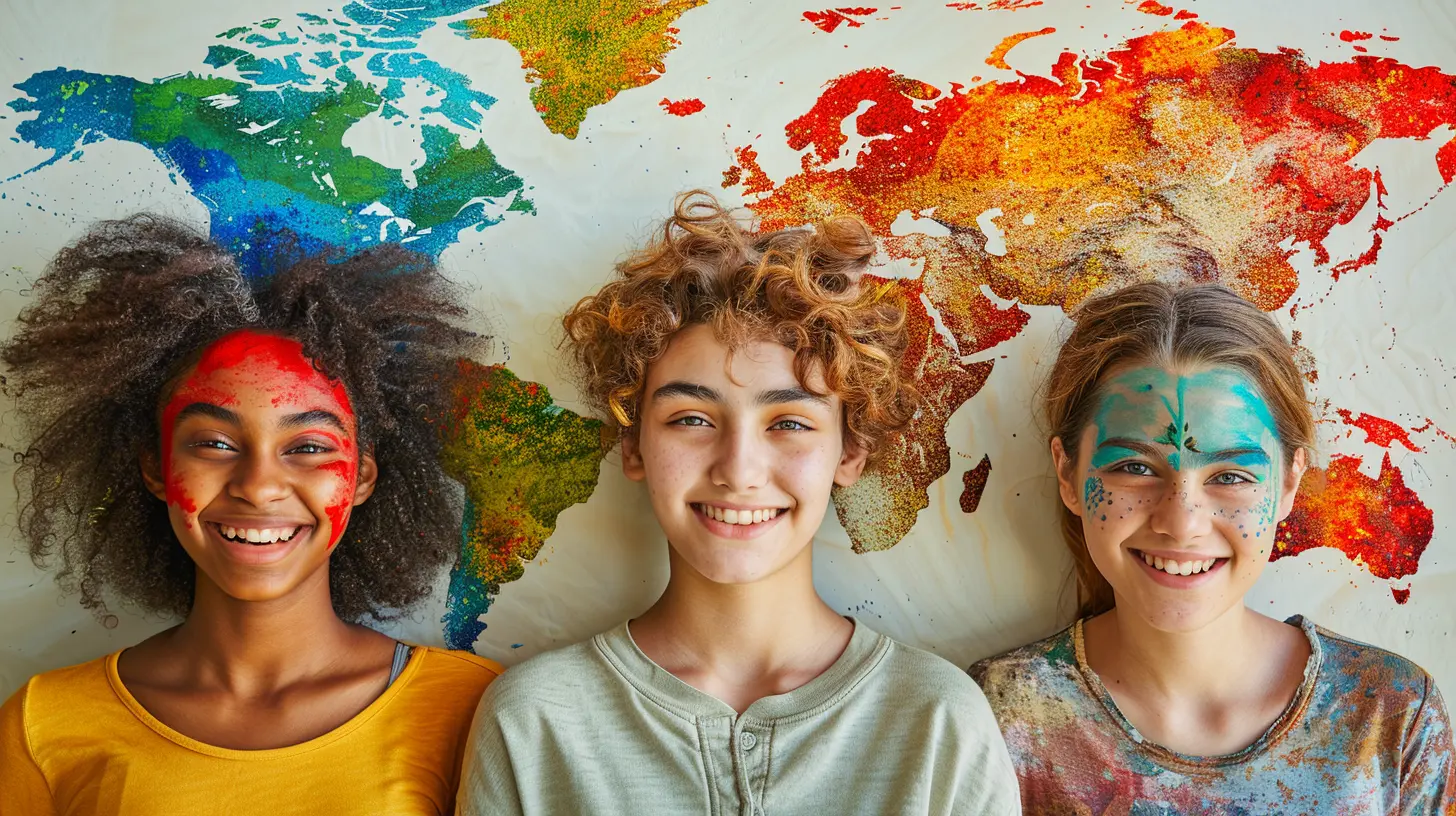
Steps to Becoming a More Culturally Competent Educator
Cultural competence doesn’t happen overnight—it’s a lifelong journey! Here are some steps to get started:1. Reflect on Your Own Cultural Identity
Before understanding others, take a moment to reflect on your own culture. What are your beliefs, values, and experiences? How do they shape your worldview? Being aware of your own perspective helps you appreciate others' perspectives.2. Get to Know Your Students
Building personal relationships is key! Take time to learn about your students’ cultural backgrounds, traditions, and family values. Ask questions, encourage sharing, and show genuine interest.3. Incorporate Diverse Teaching Materials
Representation matters! Use books, stories, and examples from various cultures. Whether it’s literature, history, or science, showcasing diverse perspectives enriches the learning experience.4. Avoid Cultural Stereotypes
Not all students from the same cultural background have the same experiences. Treat each student as an individual rather than making broad assumptions based on culture.5. Encourage Open Discussions
Create a safe space where students can talk about their backgrounds and experiences. Encourage dialogue about cultural differences and similarities. This helps students learn from each other and develop mutual respect.6. Celebrate Cultural Differences
Why not have a multicultural day in your classroom? Celebrating different holidays, traditions, and stories can give students a sense of pride in their heritage while educating others.7. Learn Another Language
While learning a new language isn’t required, even knowing a few words from your students' native tongues can make a big difference. A simple “hello” or “thank you” in their language can show you care.8. Update Teaching Methods
Traditional teaching methods don’t always cater to diverse learners. Try different instructional strategies, such as storytelling, group discussions, and hands-on learning, to accommodate various cultural learning styles.9. Attend Cultural Competency Training
Professional development courses on cultural awareness can give you fresh insights and strategies for creating an inclusive classroom.10. Be Open to Feedback
Ask students, parents, and colleagues for feedback on how you can be more culturally inclusive. Being open to learning and growing makes all the difference!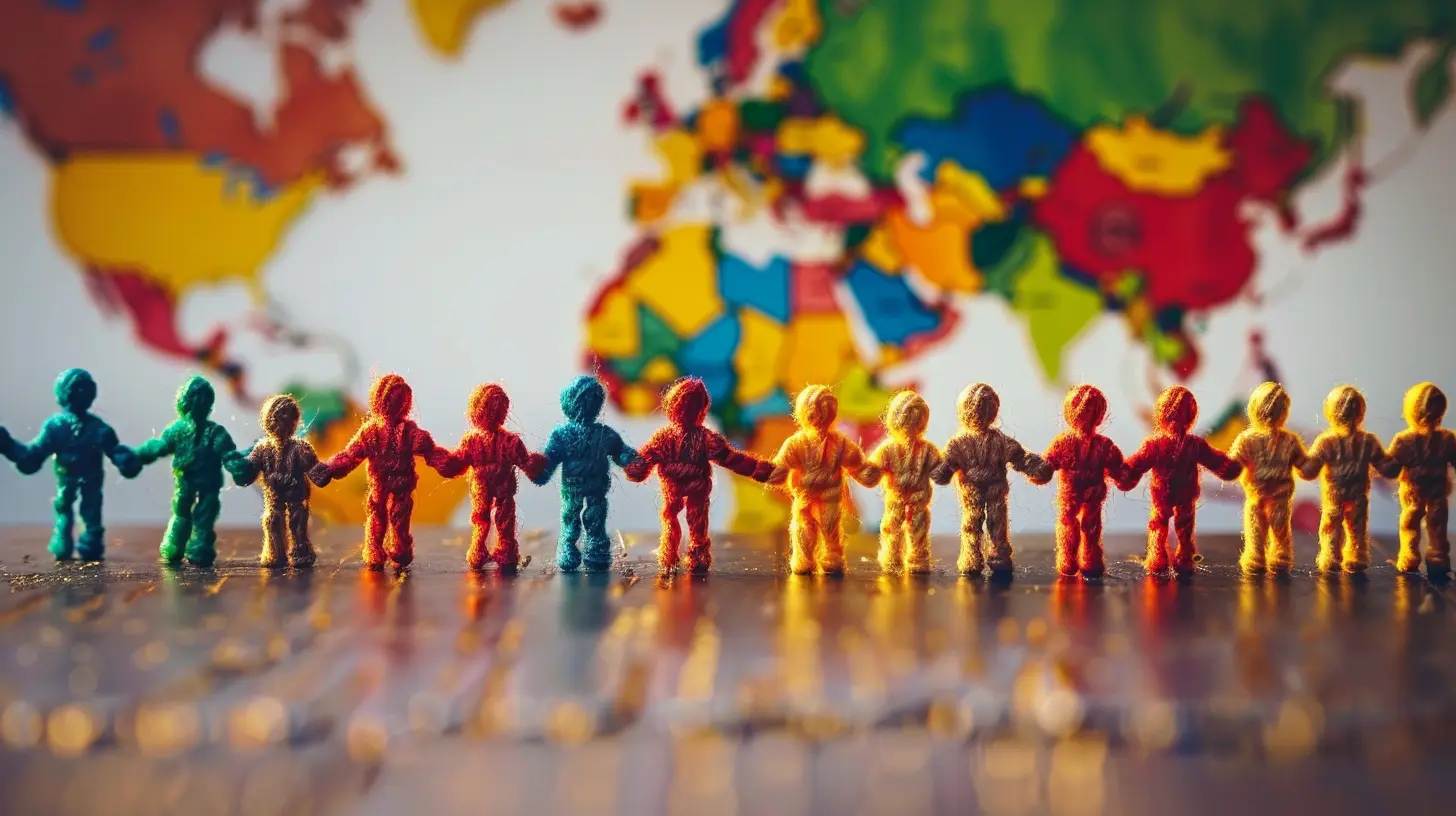
The Impact of Cultural Competence on Education
Cultural competence doesn't just benefit students; it improves the entire education system!- Stronger Teacher-Student Connection: Students feel more comfortable and confident when their cultures are acknowledged.
- Higher Academic Success: When students feel included, they perform better academically.
- More Inclusive School Environment: Schools with culturally competent educators cultivate respect and inclusivity, benefiting everyone.
Overcoming Challenges in Developing Cultural Competence
Developing cultural competence isn’t always easy. You may fear saying the wrong thing or worry about unintentionally offending someone. But the key is to stay open-minded and keep learning. Mistakes will happen, but as long as you approach situations with humility and a willingness to grow, you'll be on the right track.
Final Thoughts
Cultural competence is more than just a skill—it’s a mindset that every educator should embrace. As classrooms continue to become more diverse, embracing cultural awareness helps create a learning space where every student feels valued, respected, and understood. If you're willing to listen, learn, and take small steps every day, you'll not only become a better teacher but also inspire students to appreciate diversity in their own lives.So, are you ready to build authentic connections and make your classroom a place where every student thrives? It’s time to step up and lead with cultural competence!
all images in this post were generated using AI tools
Category:
Cultural AwarenessAuthor:

Olivia Chapman