The Future of Differentiated Instruction: Trends and Innovations in Education
6 July 2026
Let’s be honest. No two students are exactly alike. Some are visual learners, others learn best through hands-on activities, and then there are those who just need a little more time to catch on. That’s where differentiated instruction comes in. But here’s the kicker: the way we’ve been doing it? It’s evolving—fast.
In this article, we’ll dive into the future of differentiated instruction. We’ll explore the latest trends, groundbreaking innovations, and how all of this is shaping the way teachers teach and students learn. Buckle up, because education is about to get even more personalized—and a whole lot smarter.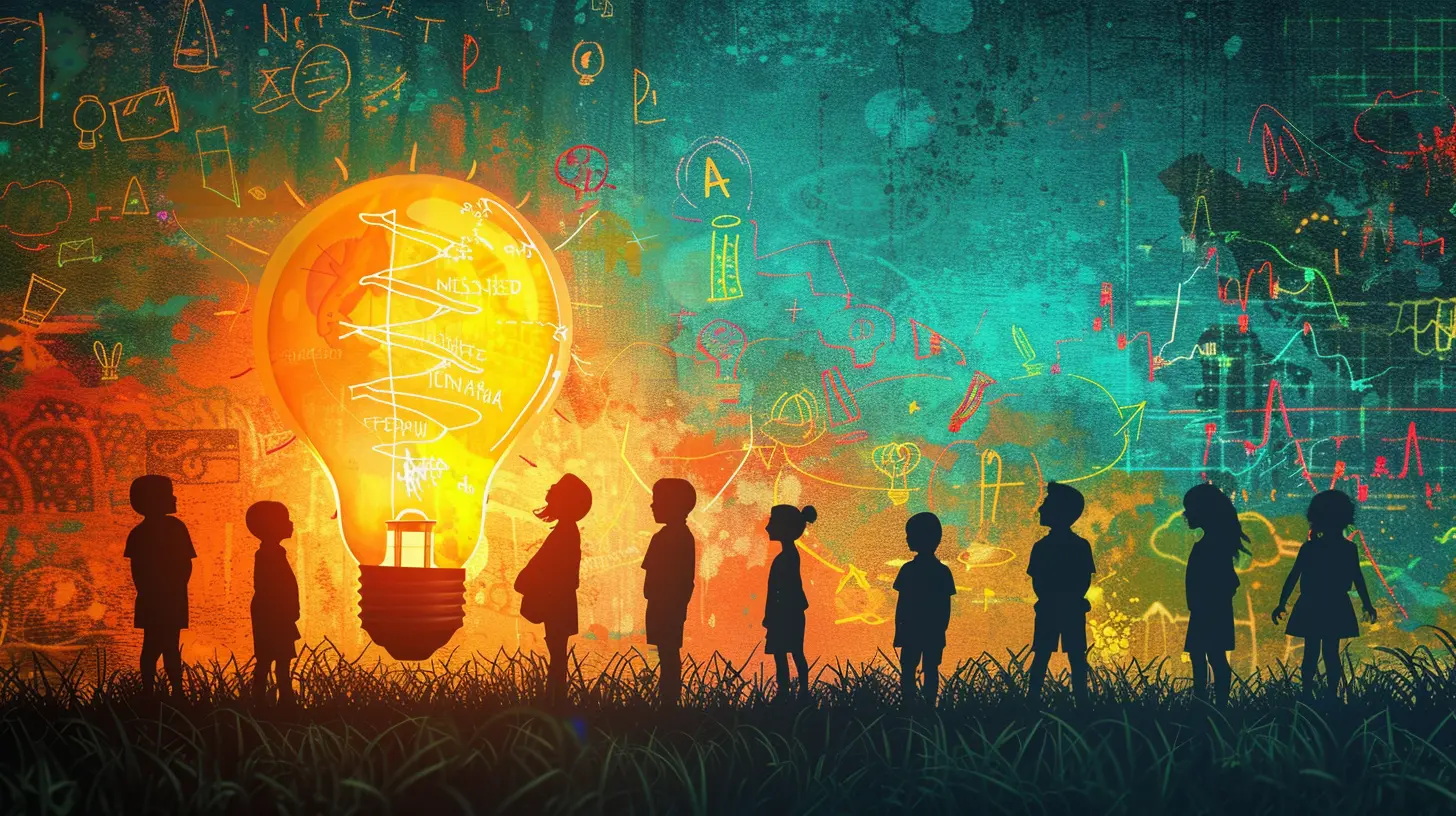
What Is Differentiated Instruction Anyway?
Before we jump into the future, let’s rewind for a second. Differentiated instruction is the idea that teaching should be flexible enough to cater to different learning styles, interests, and abilities. It’s not about giving harder assignments to the smart kids or dumbing things down for struggling ones. It’s about meeting each student where they are and helping them grow from there.Think of it like a GPS system that adjusts your route based on traffic, weather, and your preferred roads. The destination is the same for everyone—mastery of the content—but the path? That’s personalized.
Why Is Differentiated Instruction So Important?
Here’s the thing: cookie-cutter education doesn’t cut it anymore. In today’s classrooms, diversity isn’t just about ethnicity or language. It’s about learning differences, socioeconomic backgrounds, access to resources, and more.Differentiated instruction keeps students from falling through the cracks. It gives high-flyers the challenge they crave and supports those who need a lift. Plus, it’s one of the most effective ways to close achievement gaps and foster a true love for learning.
So, where’s it headed next?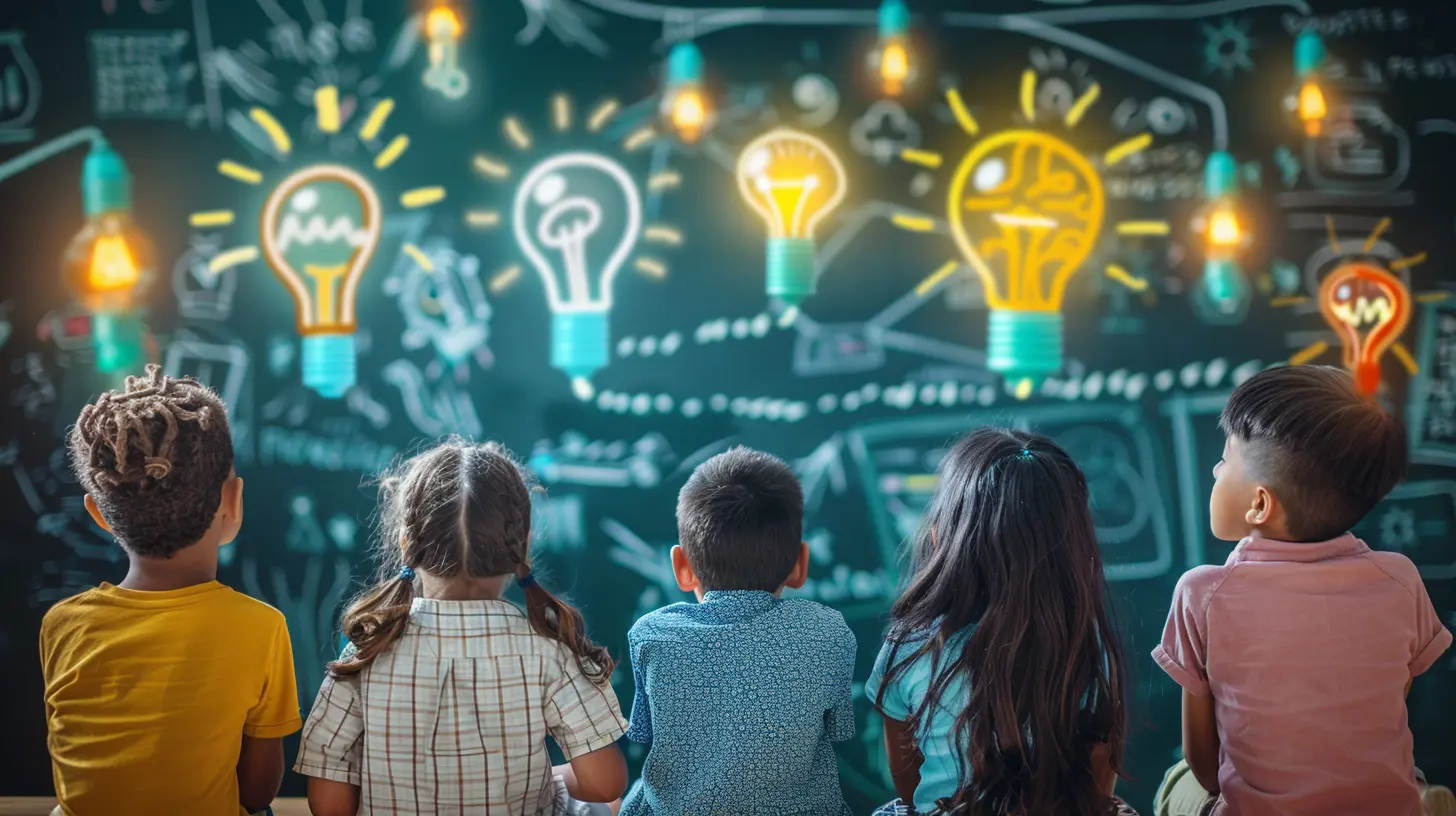
Trend #1: Tech-Driven Personalization
Let’s face it—technology is everywhere. And when it comes to differentiated instruction, edtech is a total game-changer.AI-Powered Learning Platforms
Artificial Intelligence isn't just for sci-fi movies anymore. Tools like AI-driven LMS (Learning Management Systems) can now analyze student performance in real-time. Based on that data, they customize lessons, quizzes, and even feedback to suit each learner's specific needs.Ever used tools like Khan Academy or DreamBox? These platforms adjust content on the fly, just like a tailor adjusting an outfit to fit just right.
Data-Driven Decision Making
Teachers are now armed with dashboards that track everything from engagement to mastery level. This data helps educators tweak their instruction instantly. No more guessing who “gets it” and who doesn’t—data makes it crystal clear.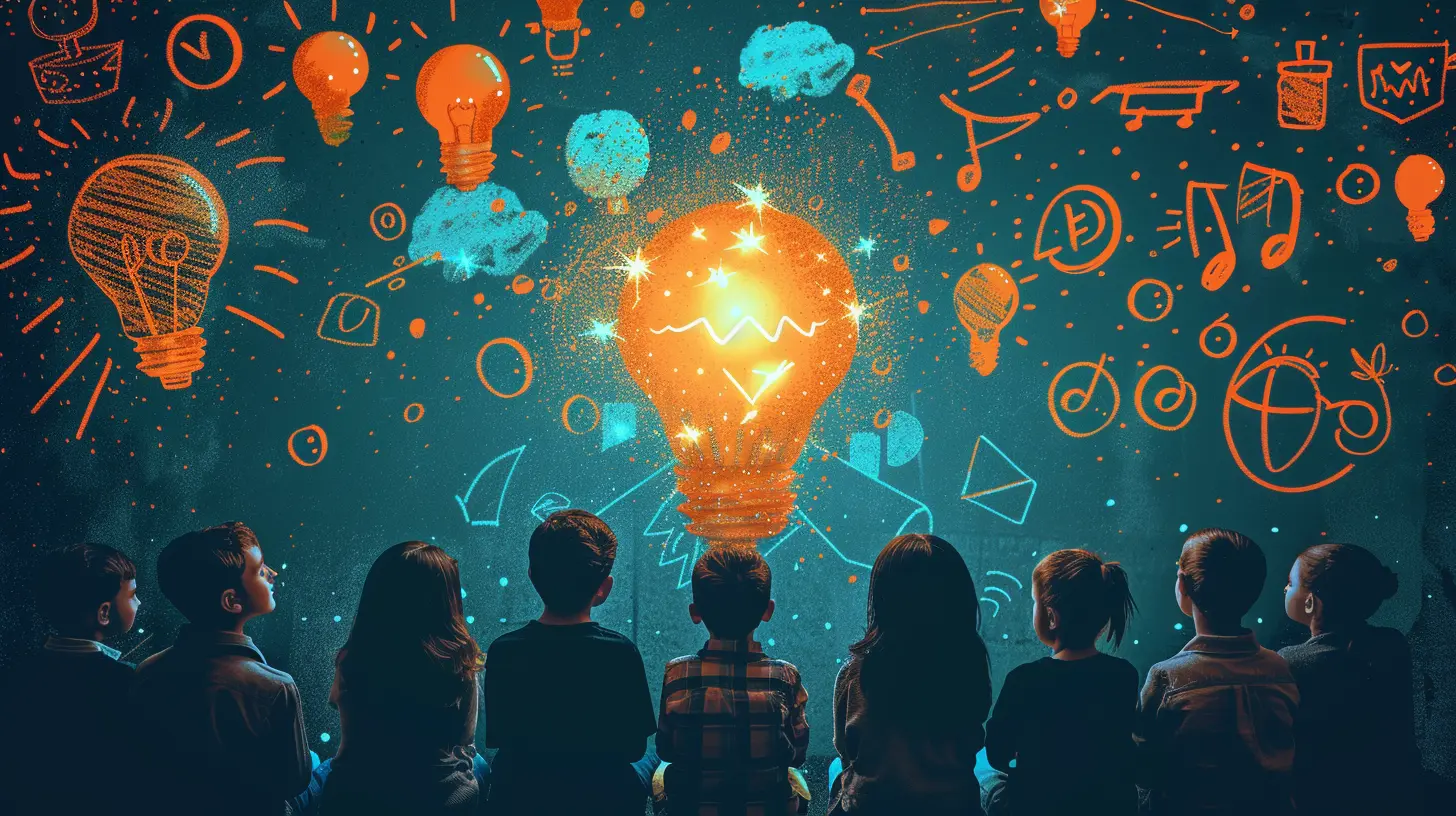
Trend #2: Blended and Hybrid Learning Environments
If the pandemic taught us anything, it’s that learning doesn’t have to happen solely within four walls.Combining Online and In-Person Learning
Blended learning mixes face-to-face instruction with online content. This gives students more control over pace, path, and even place—core principles of differentiated instruction.For example, a student might attend a live lecture, then dive into an interactive simulation at home. They learn the same concept, just in a way that suits their rhythm.
Self-Paced Modules
More schools are using self-paced units powered by platforms like Edgenuity or Canvas. This lets students move ahead when they’re ready and gives struggling learners time to master the basics without holding the class back.Trend #3: Universal Design for Learning (UDL)
Differentiation is often thought of as reactive—something you do after identifying a student's needs. But what if it were proactive?Designing for All From the Start
Universal Design for Learning (UDL) is about building accessibility into the lesson from the beginning. That means offering multiple ways to engage with material, express understanding, and consume content.Think of it as building a ramp alongside the stairs, instead of waiting to install one after someone in a wheelchair shows up.
Tools That Support UDL
Voice-to-text apps, closed captioning, audiobooks, and visual organizers are all becoming more mainstream. These tools make classrooms more inclusive and keep students from feeling “different” because they learn differently.Trend #4: Culturally Responsive Teaching
Differentiation isn’t just academic. It’s cultural too.Honoring Student Backgrounds
Culturally responsive teaching recognizes the importance of including students' cultural references in all aspects of learning. It ensures that content, examples, and discussions reflect the diverse world students live in.When students feel seen and heard, they’re more likely to engage—which is key for effective differentiation.
Personalized Cultural Contexts
Imagine learning history from the perspective of your ancestors or reading literature that reflects your own life experience. That’s where we’re headed—learning that resonates on a personal and cultural level.Trend #5: Project-Based and Inquiry-Based Learning
Let’s talk about real-world learning. Project-based and inquiry-based learning are soaring in popularity and for good reason—they naturally lend themselves to differentiation.Student-Driven Projects
In these models, students choose their topics, ask their own questions, and present their findings in creative ways. That means they can work at their own level, play to their strengths, and still meet core objectives.One student might code a video game to explain a scientific concept, while another might write a rap. Different paths, same learning goal.
Deeper Engagement
Because students are working on something they care about, they’re more invested—meaning better outcomes across the board.Trend #6: Social-Emotional Learning (SEL) and Differentiation
Here’s the part that often gets overlooked: emotional needs are just as important as academic ones.Building Relationships
Differentiated instruction works best when teachers know their students well. That includes understanding what motivates them, what stresses them out, and how they respond to challenges.Incorporating SEL strategies helps educators build stronger classroom communities where all students feel safe to take risks and try new things.
Mindfulness and Flexible Learning
Incorporating mindfulness activities, brain breaks, and emotional check-ins creates space for students to self-regulate. This emotional flexibility makes it easier for them to engage in differentiated tasks.Trend #7: Gamification and Differentiation
Let’s face it—kids love games. So why not use that to our advantage?Leveling Up Learning
Gamification uses game elements (like points, levels, and badges) to motivate students. Many of these systems adapt to a student’s level, gradually increasing difficulty as they improve.Think of language learning apps like Duolingo—fun, adaptive, and motivating.
Instant Feedback
Games give immediate results. Did you get it right or wrong? Should you try again? This kind of instant feedback is crucial for differentiated instruction because it allows learners to self-correct and grow at their own pace.Trend #8: Teacher Professional Development and Coaching
Let’s be real: differentiation isn’t easy. It requires a big toolbox and the know-how to use it. Thankfully, support for teachers is getting better.Just-in-Time Learning
Micro-credentials, coaching, and online PD platforms like Coursera and Edpuzzle allow teachers to upskill on the go. These resources focus on techniques for reaching all learners—so teachers aren’t just expected to differentiate, but are empowered to do it well.Collaborative Planning
More schools are adopting PLCs (Professional Learning Communities) where teachers co-plan and brainstorm differentiated strategies together. Because teamwork makes the dream work, right?What’s the Bottom Line?
Differentiated instruction isn’t going anywhere—it’s becoming more essential than ever. The future of education is one-size-fits-none, and that’s a good thing.With technology, cultural responsiveness, student-driven projects, and a strong focus on social-emotional health, we’re creating classrooms where every student can thrive. It’s not about giving everyone the same thing; it’s about giving each student what they need to succeed.
So, whether you’re a classroom teacher, a parent, or an education leader, now’s the time to embrace the changes and lean into personalized learning. Because the future? It belongs to every learner.
all images in this post were generated using AI tools
Category:
Differentiated InstructionAuthor:

Olivia Chapman
Discussion
rate this article
1 comments
Nancy McGinnis
Great insights! Excited for the future of teaching.
July 8, 2026 at 4:47 AM
Olivia Chapman
Thanks for your support! I'm excited too about where teaching is headed.