Culturally Responsive Teaching Meets Differentiated Instruction
20 August 2026
In today’s diverse classrooms, teachers face the challenge of meeting the needs of a wide range of students with different backgrounds, learning styles, abilities, and interests. So, how do we ensure that every student feels seen, heard, and supported while effectively learning? The answer lies at the intersection of two powerful teaching approaches: Culturally Responsive Teaching (CRT) and Differentiated Instruction (DI).
These two strategies, when blended, create a dynamic classroom environment that fosters inclusivity, engagement, and academic success for all students. But what are they exactly, and how do they work together? Let’s dive into it!
What is Culturally Responsive Teaching?
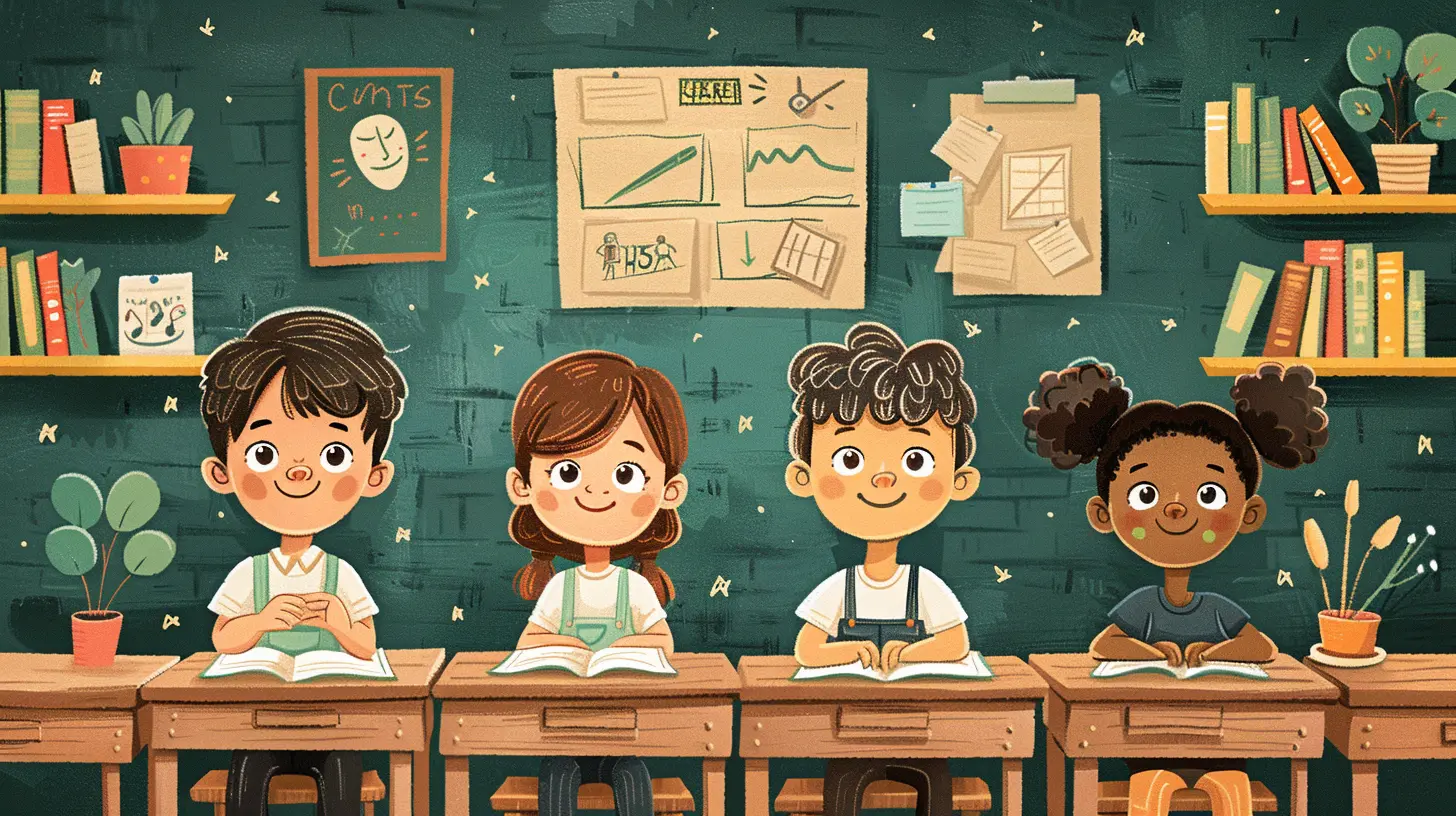
Culturally Responsive Teaching (CRT) is an educational approach that recognizes and honors the cultural backgrounds of students. It’s more than just learning about different cultures; it’s about using students’ cultural contexts to facilitate meaningful learning experiences. CRT invites educators to see students' cultural references as strengths and use them as a foundation for instruction.Imagine you’re in a room full of people who speak different languages, have different customs, and celebrate different holidays. Wouldn't it be easier to communicate and connect if everyone’s unique experiences were acknowledged and used as a bridge for understanding? That’s what CRT aims to do—ensure that students’ cultural identities are not only respected but integrated into the learning process.
Key Principles of Culturally Responsive Teaching
1. Cultural Awareness: Teachers must be aware of their own cultural biases and understand how these might influence their teaching. It’s about recognizing that not every student shares the same norms or experiences.2. Building Relationships: CRT emphasizes strong relationships between teachers and students. When students feel understood and valued, they are more likely to engage in learning.
3. Culturally Relevant Curriculum: The curriculum should reflect the diversity of the students. This doesn’t mean just adding a lesson on Black History during February; it means weaving diverse perspectives and contributions into all subjects throughout the year.
4. High Expectations for All: CRT believes that all students are capable of success, regardless of their background. Teachers should set high expectations while providing the necessary support for students to meet them.

What is Differentiated Instruction?
Now, let’s talk about Differentiated Instruction (DI). This is an approach where teachers adapt their instruction to meet the varying needs of students. Think of it as a tailored suit—you wouldn’t expect someone to wear a one-size-fits-all suit, right? Similarly, in the classroom, one style of teaching won't fit every student.Differentiated Instruction allows teachers to modify content, process, product, and learning environment based on students' readiness levels, interests, and learning profiles. It’s a way to ensure that every student can access the curriculum, no matter where they are starting from.
Key Principles of Differentiated Instruction
1. Content: Teachers adjust what students learn. This could mean simplifying texts for some learners or providing more complex materials for advanced students.2. Process: Teachers vary how students learn. Some students might benefit from hands-on activities, while others prefer working through problems at their own pace.
3. Product: Teachers can allow students to show what they know in different ways—whether through a written essay, a presentation, or a creative project.
4. Learning Environment: The physical and social environment can also be differentiated to support learning. Some students may thrive in a quiet space, while others need collaborative group work to succeed.
Where Culturally Responsive Teaching Meets Differentiated Instruction
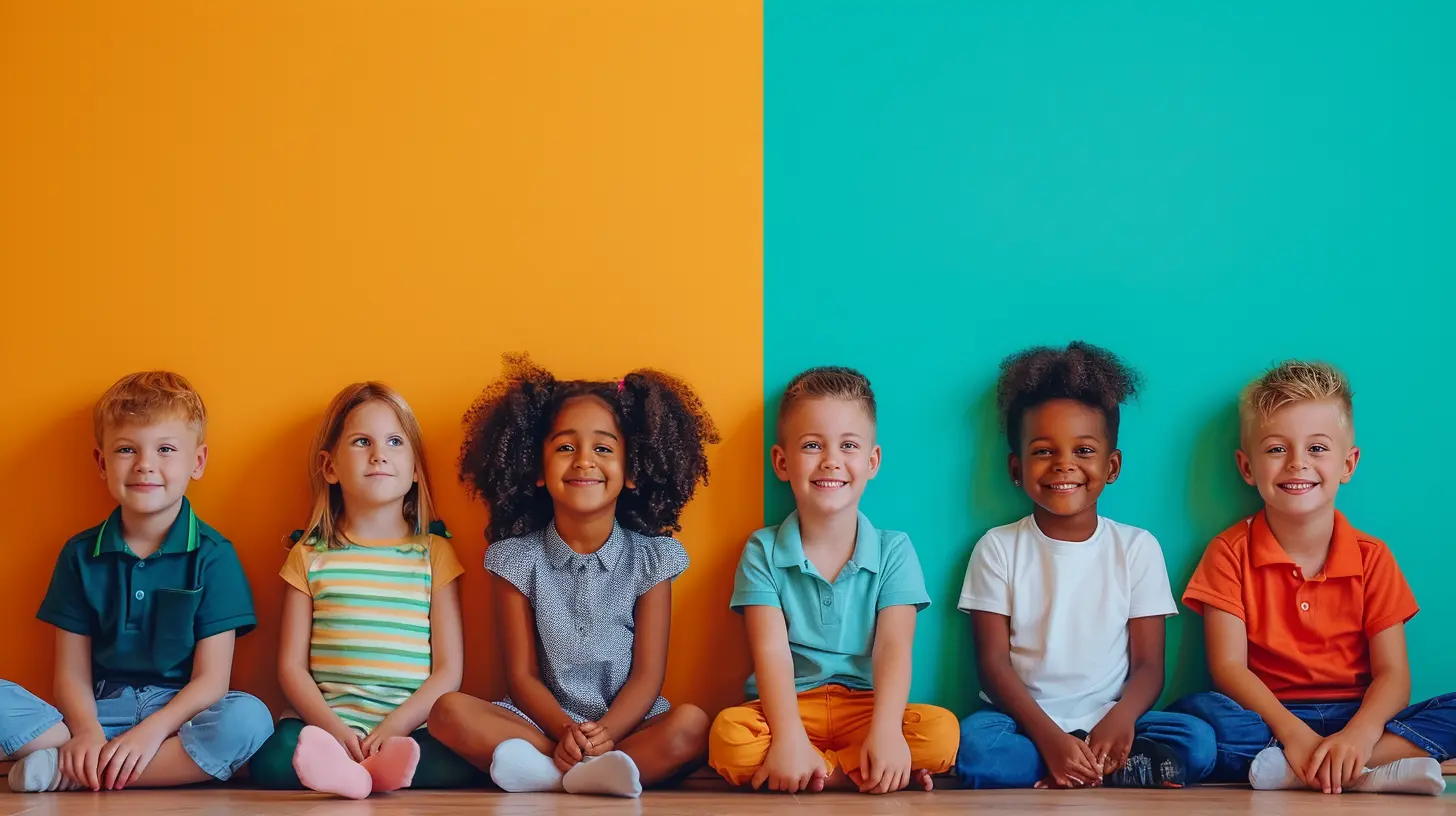
At first glance, CRT and DI might seem like two separate approaches. But when you dig in, you’ll see that they overlap beautifully. Both focus on meeting the unique needs of students, whether that’s based on culture, learning style, or ability. Together, they create a more inclusive and effective classroom.Why Combine CRT and DI?
When you combine CRT and DI, you’re not just addressing academic needs; you’re nurturing the whole child. You’re recognizing their cultural identities while also adapting to their individual learning needs. This combination ensures that students aren’t just learning—they’re thriving.Practical Strategies for Combining CRT and DI
Let’s get practical. How can you merge these two approaches in the classroom?1. Know Your Students
The first step in combining CRT and DI is to truly know your students. This goes beyond knowing their names and favorite subjects. Learn about their cultural backgrounds, home lives, and interests. What languages do they speak at home? What traditions do they celebrate?Once you have this information, you can begin to differentiate instruction in a way that’s culturally responsive. For example, if you know that one of your students comes from a culture that values storytelling, you might incorporate more oral presentations or narrative writing into your lessons.
2. Offer Choice in Learning
Incorporating student choice is a key component of both CRT and DI. Allowing students to choose how they engage with the material or demonstrate their learning gives them ownership over their education. Plus, it acknowledges that students come from different backgrounds and have different strengths.For instance, if you’re teaching a history lesson on civil rights, you could offer students the option to write a report, create a video, or develop a presentation. This way, students can engage with the material in a way that resonates with them and their cultural context.
3. Differentiate Based on Cultural Strengths
Differentiation doesn’t just have to be based on readiness or learning style—it can also be based on cultural strengths. For example, in some cultures, collaboration is highly valued, while others may prioritize individual achievement. You can differentiate group work based on these cultural preferences.If you’re working with a group of students from a culture that values community, you might design more collaborative learning experiences. If you have students who come from a more individualistic culture, you can provide opportunities for independent work.
4. Use Culturally Relevant Materials
One of the most impactful ways to combine CRT and DI is by using culturally relevant materials. This doesn’t just mean adding diverse authors to your reading list (although that’s a great start). It means ensuring that all materials reflect the cultures and experiences of your students.For example, when teaching math, you could incorporate word problems that reference cultural traditions or community events. In science, you could explore contributions from scientists around the world. By weaving cultural relevance into your differentiated instruction, you’re validating students’ identities while helping them connect with the content.
5. Scaffold Learning with Cultural Contexts
Scaffolding is a key part of Differentiated Instruction, and it works even better when combined with Culturally Responsive Teaching. Scaffolding involves breaking down complex concepts and providing support as students build understanding. When you scaffold learning using cultural contexts, you make the content more accessible.For instance, if you’re teaching a unit on poetry, you could start by exploring poems from the students’ cultural backgrounds. This helps students engage with the content from a place of familiarity before moving on to more complex or unfamiliar material.
6. Foster a Safe and Inclusive Environment
Both CRT and DI emphasize the importance of creating a supportive classroom environment. Students need to feel safe—both physically and emotionally—to take academic risks. This is especially important for students from marginalized communities, who may not always feel seen in traditional educational settings.As a teacher, you can foster this environment by encouraging open discussions about culture and identity. Make it clear that all perspectives are valued and that the classroom is a space for learning and growth.
Benefits of Merging CRT and DI
So, what are the benefits of blending Culturally Responsive Teaching and Differentiated Instruction? The truth is, when these two approaches come together, amazing things happen in the classroom.1. Increased Student Engagement: When students see themselves reflected in the curriculum and are given choices that align with their strengths, they’re more likely to engage in learning.
2. Improved Academic Achievement: By tailoring instruction to each student’s needs—whether cultural, academic, or social—you’re setting students up for success.
3. Stronger Teacher-Student Relationships: When teachers take the time to understand and respond to students’ cultural contexts and learning styles, it builds trust and rapport.
4. Greater Inclusivity: Combining CRT and DI ensures that all students, regardless of their background or learning style, have access to the curriculum and feel valued in the classroom.
Challenges and Considerations
Of course, merging CRT and DI isn’t without its challenges. It requires time, effort, and a willingness to reflect on your own teaching practices. It also demands flexibility, as you’ll need to continually assess and adjust your instruction based on the needs of your students.But the rewards far outweigh the challenges. By adopting a culturally responsive and differentiated approach, you’re not just teaching content—you’re empowering students to become confident, capable learners who feel seen and valued.
Conclusion: The Power of CRT Meets DI
When Culturally Responsive Teaching meets Differentiated Instruction, the result is a classroom where all students can thrive. It’s a space where culture is celebrated, differences are embraced, and learning is personalized. By blending these two approaches, teachers can create an environment that’s not only academically rigorous but also deeply inclusive and supportive.So, whether you’re a seasoned teacher or just starting your journey, consider how you can bring CRT and DI together in your classroom. Your students will thank you for it!
all images in this post were generated using AI tools
Category:
Differentiated InstructionAuthor:

Olivia Chapman
Discussion
rate this article
2 comments
Buzz Rogers
This article beautifully highlights the power of combining culturally responsive teaching with differentiated instruction. Such an approach not only respects diverse backgrounds but also nurtures each student's unique strengths. Great insights!
September 16, 2026 at 12:12 PM
Selkie McQuade
This article provides valuable insights into blending culturally responsive teaching with differentiated instruction. It highlights the importance of recognizing students' diverse backgrounds and adapting teaching methods to foster an inclusive learning environment. Great read for educators looking to enhance their practices!
August 23, 2026 at 4:36 AM
Olivia Chapman
Thank you for your kind words! I'm glad you found the article helpful in promoting inclusive teaching practices.