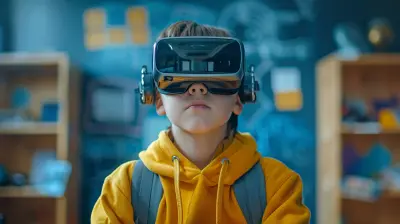
Curriculum Design for Lifelong Learning and Skill Development
24 June 2026
Let’s face it—education today isn’t just about getting a diploma and calling it a day. The world’s changing fast. New technologies, industries we couldn’t even dream of a decade ago, and shifting job landscapes mean that we need to keep learning—constantly. That’s where the idea of curriculum design for lifelong learning and skill development comes into play. It’s not some buzzword thrown around in policy meetings. It's a game-changer.
But how do you design a curriculum that doesn’t just fill a student’s brain with information for one exam season but keeps them learning, growing, adapting, and thriving for life? Buckle up, because we’re diving deep into that today.
What Is Curriculum Design Anyway?
Let’s start with the basics. Curriculum design is the planning and structuring of educational content, experiences, and activities in a way that helps learners achieve specific goals. It’s like building a road map for learning.But here’s the twist—when we talk about lifelong learning and skill development, the curriculum needs to look a whole lot different than the one-size-fits-all system we’re used to. Why? Because life doesn’t follow a syllabus.
Why Lifelong Learning Matters (Now More Than Ever)
Think about it. The careers we see today—data analysts, AI specialists, digital marketers—many of them didn’t even exist twenty years ago. And the jobs of the future? We don’t even know what they are yet.That’s why developing a mindset for lifelong learning is crucial. It’s not just about picking up new degrees. It’s about staying curious, being open to change, and having the skills to evolve when the world does.
So, what does that mean for curriculum designers? It means shifting from memorization to problem-solving, from lectures to experiences, and from rigid pathways to flexible, learner-driven journeys.
Key Principles of Effective Curriculum Design for Lifelong Learning
Alright, now that we know why it matters, let’s talk about what makes a curriculum truly future-ready.1. Learner-Centric, Not Institution-Centric
Gone are the days when institutions dictated every step of a learner’s journey. Today, the best curriculum starts with the learner—what they know, what they want to learn, and how they learn best.Think of it like tailoring a suit. You wouldn’t buy a one-size-fits-all jacket and expect it to fit perfectly, right? The same goes for learning. It has to be personalized and adaptive.
2. Skills Over Subjects
Sure, algebra and history are important. But employers and real life don’t care just about subject knowledge—they care about skills. Communication, critical thinking, collaboration, digital literacy—these are must-haves in today’s world.Curriculum should weave skill development through every subject. Learning geography? Great. How about also teaching data analysis with maps?
3. Practical Learning Takes the Spotlight
Let’s be honest—how much do you really remember from your high school textbooks? Probably not much. But that group project? That coding competition? That real-world internship? That stuff sticks.Hands-on, project-based, and experiential learning is the backbone of a curriculum aimed at lifelong skill development. It turns passive learners into active creators.
4. Continuous Feedback, Not One-Time Testing
Traditional education measures success with exams. Get an A, move on. Get a D, better luck next time. But lifelong learning demands something better: constant feedback.Think of it like fitness training. You don’t just work out once and expect to stay fit forever. You track your progress, adjust your routine, and keep improving. Learning should work the same way.
The Role of Technology in Today’s Curriculum
We can’t talk about modern curriculum design without giving a nod to the digital age. Ed-tech has opened up a world of possibilities.Personalized Learning Paths
With AI and machine learning, platforms can now adapt to how each student learns best. Struggling with math but acing language arts? The system adapts. That’s a win for lifelong learners.Accessibility and Flexibility
Online courses, mobile learning apps, and virtual classrooms mean learning doesn’t have to stop because of geography or schedule. Whether you’re 18 or 80, you can pick up a course anytime, anywhere.Interactive and Engaging Content
Animations, gamified lessons, virtual labs—today’s curriculum isn’t just informative; it’s fun. And when learning is engaging, it sticks.Building a Foundation Early: Start With Schools
You can’t wait until someone’s mid-career to teach them how to learn. The seeds of lifelong learning have to be planted in childhood.Encouraging Curiosity
Children are naturally curious. A good curriculum fans those flames instead of snuffing them out. Give them room to question, explore, and experiment.Teaching How to Learn
The “how” of learning is just as important as the “what.” Teaching kids how to research, think critically, and reflect on their learning sets them up for life.Cross-Disciplinary Learning
Life isn’t divided into neat little subjects, so why should school be? A good curriculum blends knowledge across disciplines—science meets art, math meets music, and so on.The Role of Higher Education: Rethinking Degrees
Universities have a massive role to play, too. Unfortunately, many are stuck in the past, delivering knowledge in rigid formats that don’t always serve today’s dynamic world.Modular Learning
Instead of committing to a full-degree program, why not pick and choose learning modules as needed? Want to upskill in Python today and design thinking tomorrow? Go for it.Industry Partnerships
Higher-ed institutions should buddy up with industries to make sure what they teach aligns with what the world actually needs. That way, students graduate not just with knowledge but with skills that are in demand.Lifelong Learning Infrastructure
Imagine alumni receiving updates or mini-courses every year based on trends in their field. That’s what modern universities should be aiming for—not just a four-year experience, but a lifelong partnership.Curriculum for Adult Learners: Because It’s Never Too Late
Let’s not leave adults out of the equation. Whether you’re changing careers, returning to work, or just chasing a personal goal, you deserve a curriculum that empowers you.Bite-Sized Learning
Nobody wants to sit through hour-long lectures after a 9-to-5 job. Microlearning—small, focused lessons—is the way to go. It’s like snackable learning.Flexible Scheduling
Online, on-demand lessons that fit into a busy life? Yes, please. Adults need learning that works around their jobs, kids, and errands.Recognition of Prior Learning
Adults bring a lot to the table—work experience, life skills, self-learning. Curriculum should recognize and build on that, not make learners start from scratch.Challenges In Curriculum Design (And How to Tackle Them)
Designing a perfect curriculum isn’t easy. There are roadblocks. But where there’s a challenge, there’s also a solution.Resistance to Change
Let’s be real—some educators are stuck in their ways. Change is scary. But with training, support, and clear evidence of success, even the most traditional systems can evolve.Limited Resources
Not every school has high-tech tools and endless funding. But creative teaching, community involvement, and low-cost tech solutions can go a long way.Assessment Gaps
How do you measure lifelong learning? It’s tricky. But combining performance-based assessments, portfolios, and learner reflections can give a fuller picture.The Future of Curriculum Design: What’s Next?
We’re moving toward a future where education isn’t a phase—it’s a lifelong journey. And curriculum? That’s the GPS guiding us through.Expect to see:
- AI-driven learning plans personalized to each learner
- Global classrooms with students from different corners of the world
- Curriculums updated in real-time to reflect market needs
- Emotional intelligence and mental well-being built into learning goals
The takeaway? Curriculum won’t just prepare you for a job. It’ll prepare you for life.
Wrapping It Up
Designing a curriculum for lifelong learning and skill development isn’t just about making school more interesting—it’s about equipping people to thrive in a world that never stops changing. Whether you’re a student, a teacher, a parent, or just someone passionate about learning, you’ve got a role to play. Let’s ditch the dusty textbooks and start building learning experiences that actually matter.Because in the end, it’s not about what you know. It’s about how ready you are to learn what you don’t.
all images in this post were generated using AI tools
Category:
Curriculum DesignAuthor:

Olivia Chapman
Discussion
rate this article
1 comments
Kirk Banks
Great article! It's inspiring to see how effective curriculum design can empower lifelong learning. By focusing on skill development, we not only prepare students for today's challenges but also equip them for a future full of possibilities. Keep up the fantastic work in shaping minds!
July 12, 2026 at 10:43 AM
Olivia Chapman
Thank you! I'm glad you found it inspiring. Empowering students through effective curriculum design is truly rewarding.