Designing Curriculum for Maker Education and Hands-On Learning
13 June 2026
In a world where creativity, problem-solving, and innovation are driving forces of success, traditional education often feels like it's stuck in a box. Students are fed pre-written instructions and expected to regurgitate information. But have you ever wondered what could happen if we flipped that script? What if instead of teaching students what to think, we empowered them to figure things out for themselves? That’s where Maker Education steps in.
Designing curriculum for maker education isn't just about adding a few craft projects to the semester plan. It’s about creating an environment where students engage actively, fail safely, and learn deeply. If you're an educator, curriculum designer, or just curious about how hands-on learning can revolutionize classrooms, keep reading — we’re diving into the nuts and bolts of how to design a curriculum that sparks innovation and keeps students curious.
What Is Maker Education?
Let’s start with the basics. Maker Education is a teaching approach grounded in the "maker movement"—a culture that values creation over consumption. Think 3D printing, robotics, electronics, woodworking, coding, and even sewing. It brings together STEM (Science, Technology, Engineering, and Math), the arts, and real-life problem solving into a multidisciplinary, hands-on learning experience.In short, it’s learning by doing, failing, and doing it all over again. Sound messy? It can be—and that’s kind of the point.
Why Does Maker Education Matter?
Before jumping into curriculum design, let’s talk about the "why."Traditional education heavily emphasizes memorization and passive learning. Unfortunately, this approach often fails to prepare students for real-world challenges. Maker education flips that narrative by encouraging:
- Creative problem-solving
- Collaboration
- Resilience through failure
- Critical thinking
- Innovation
We’re no longer in an economy that rewards people for following the rules. Today’s jobs demand thinkers, tinkerers, and lifelong learners. That’s what maker education sets out to build from the ground up.
Key Principles of Designing a Maker-Centric Curriculum
Designing curriculum for maker education means tossing out the cookie-cutter lesson plans. It calls for a flexible, open-ended framework that puts student curiosity and creativity front and center. Here are some guiding principles:1. Student-Centered Learning
Let’s be real: students tune out when they feel like passive recipients. Maker education flips the script. Students take the lead, making choices about what they create and how they solve problems.In your curriculum, build in open-ended challenges. Instead of saying, “Build a bridge exactly like this,” try, “Build a structure that can hold 10 pounds using only cardboard and tape.”
2. Iteration Over Perfection
One of the coolest things about hands-on learning is that it encourages kids to fail—and then try again. This is where growth happens.Your curriculum should support the "design-test-redesign" loop. That means giving ample time for students to prototype, test, and revise. It’s not about creating a perfect end product; it’s about learning through the process.
3. Real-World Relevance
Kids ask this all the time: “When am I ever gonna use this?” With maker education, you actually have an answer. By anchoring projects in real-world problems, you show students that what they’re learning matters.Try incorporating local or global challenges. Think sustainability, accessibility, or clean energy. Ask students to build solutions that connect with their communities.
4. Collaboration and Communication
Makers don’t work alone. Neither should students. Build group projects into your curriculum and encourage students to share ideas, give feedback, and learn from each other.You might even go a step further—host maker showcases, where students present their creations to the class or community. It raises the bar and validates their learning.
5. Cross-Disciplinary Integration
Maker education is a natural mashup of science, engineering, math, art, technology, and more. So don’t box subjects in.Design projects that blur the lines. Want to teach geometry? Have students design a piece of wearable tech. Want to explore biology? Ask them to create a model of a human organ using recycled materials.
Building Blocks of a Maker Curriculum
Now let's get practical. What are the core components that should go into a well-rounded, hands-on curriculum?1. Units Centered on Themes or Challenges
Instead of traditional units like “Chapter 1: Photosynthesis,” think in themes: “Sustainable Living,” “Smart Cities,” or “Future of Transportation.” Themes create a sandbox that fosters creativity.Each theme should include:
- A driving question or problem
- Clear goals or deliverables
- Milestones and checkpoints
- Opportunities for reflection
2. Essential Skills and Concepts
You still need to cover academic content, but now it’s embedded. Think of skills as tools in the student’s creator toolbox.For instance:
- Math: Measurement, scale, budgeting
- Science: Energy transfer, circuits, ecosystems
- Tech: Coding, 3D modeling
- Soft skills: Teamwork, time management, communication
The key is to make learning these skills meaningful within the context of a project.
3. Time for Tinkering
Don’t underestimate unstructured time. Give students a “Tinker Lab” hour where they explore tools and materials without strict rules. Curiosity is contagious—once kids start, they won’t want to stop.Tools and Tech in Maker Curriculum
Let’s talk gear. While you don’t need the fanciest tools to launch a maker curriculum (cardboard and glue go a long way!), having access to tech can expand possibilities.Some popular tools include:
- 3D Printers and Laser Cutters
- Microcontrollers like Arduino and Raspberry Pi
- Design Software (Tinkercad, Scratch)
- Crafting Materials (wood, fabric, recyclables)
- Robotics Kits
Train educators in how to use these tools. Better yet, encourage peer learning among students—let them be the experts sometimes.
Assessment in Maker Education
Now here's the tricky part: How do you grade creativity?Traditional tests don’t cut it in a maker classroom. Instead, think about alternative assessments:
- Project Portfolios: Include sketches, photos, research, and reflections.
- Rubrics: Focus on problem solving, effort, collaboration, and improvement.
- Student Reflections: Let them share what they learned and how they grew.
- Peer Assessments: Encourage constructive feedback between students.
Assess the journey, not just the destination. Remember, it’s about how they think, not just what they make.
Tips for Educators: Making the Mental Shift
Switching to a maker mindset can feel intimidating. Not everyone is a coder or engineer, and that’s totally okay. Here are a few things to keep in mind:- Be a co-learner: You don’t need all the answers. Learn alongside your students.
- Celebrate failure: Make your classroom a safe place to mess up and try again.
- Be flexible: Projects might take unexpected turns—embrace it.
- Connect with the community: Bring in local makers, artists, or professionals.
Remember: you're not just teaching content—you're cultivating curiosity and resilience.
Real-Life Examples of Maker Curriculum in Action
Let’s put theory into practice. Here are a few snapshots from schools that nailed it:1. Urban Farming Challenge
Middle schoolers in an urban school designed mini hydroponic gardens. They used recycled plastic, researched plant nutrients, and calculated water flow using basic algebra. Science? Check. Math? Check. Real-world impact? You bet.2. Wearable Tech Fashion Show
High schoolers combined design and technology to create light-up clothing using circuits and conductive thread. Students learned about electricity, fashion design, and even the ethics of wearable surveillance.3. Disaster Relief Drones
A group of students was challenged to develop drones capable of carrying life-saving supplies to remote areas. They had to program flight paths, calculate weight limits, and justify their designs to a mock relief agency.See how these aren’t just fun projects? They build skills, confidence, and empathy.
Final Thoughts: The Future of Learning Is Hands-On
At the end of the day, designing curriculum for maker education and hands-on learning is about letting students take the wheel. It's less about teaching answers and more about fostering questions. It's not perfect, and it’s not easy—but it’s wildly effective.So, if you're thinking of transforming your teaching strategy or revamping an outdated curriculum, start small. Introduce a maker project. Give your students room to explore. And watch as their creativity—and confidence—takes flight.
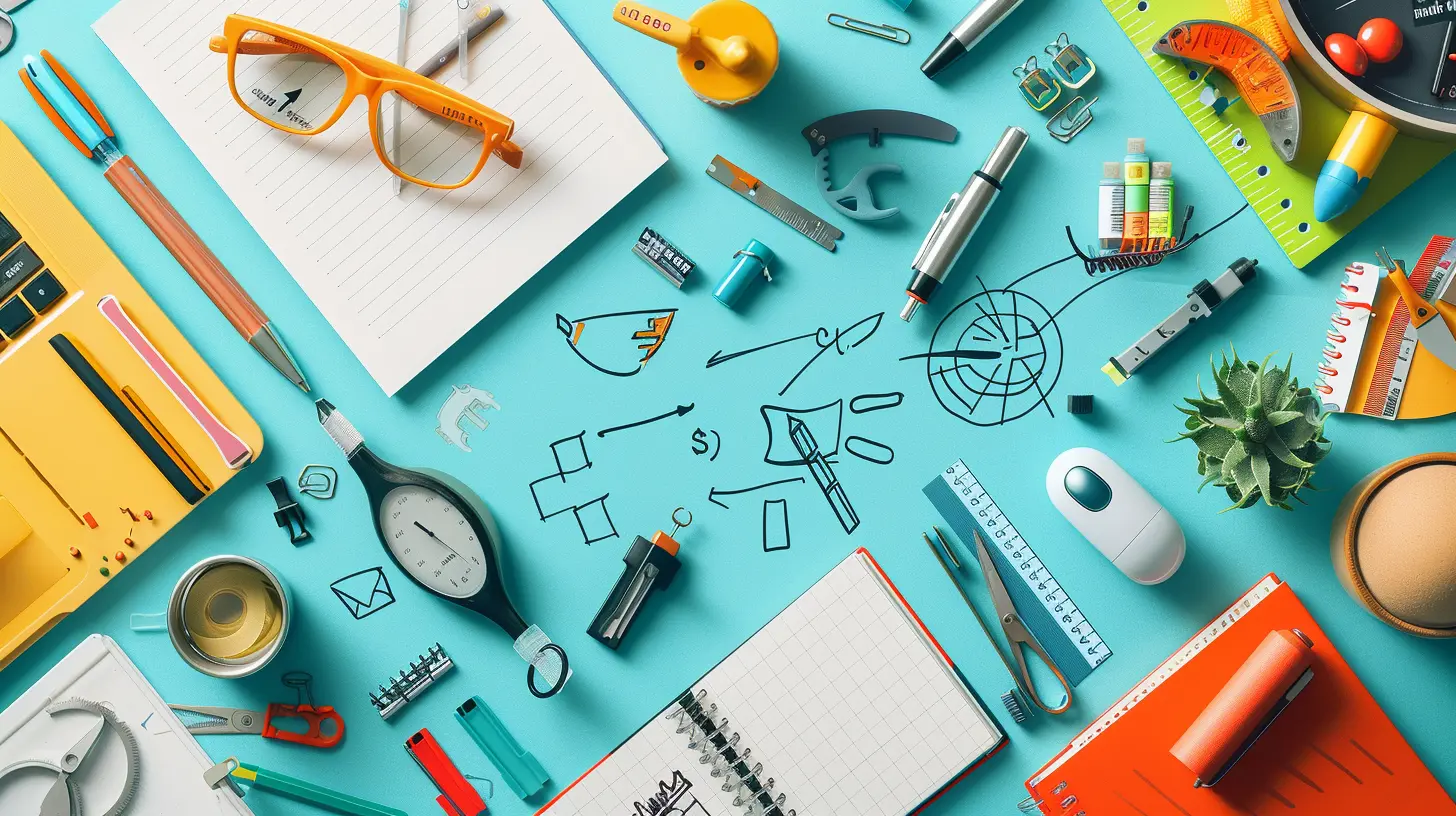
all images in this post were generated using AI tools
Category:
Curriculum DesignAuthor:

Olivia Chapman
Discussion
rate this article
1 comments
Grace Mendez
Great insights! Engaging students through hands-on projects is vital.
June 18, 2026 at 3:09 AM
Olivia Chapman
Thanks for the feedback! I agree, hands-on projects truly make a difference in student engagement.