Designing Interdisciplinary Curriculum to Foster Collaboration
25 September 2026
In recent years, the idea of interdisciplinary education has gained significant momentum within the academic community. Why? Because it's becoming more and more apparent that real-world problems don’t come neatly packaged in "subject-specific" boxes. Instead, they require a breadth of knowledge from various disciplines to solve. This is where interdisciplinary curriculum design steps in as a game-changer.
Interdisciplinary education is about breaking down the traditional walls between subjects, encouraging students to think holistically, and, most importantly, fostering collaboration. In this article, we’ll dive into what an interdisciplinary curriculum is, why it’s crucial for fostering collaboration, and how educators can design one that truly benefits students.

What is an Interdisciplinary Curriculum?
An interdisciplinary curriculum is a framework that integrates knowledge and skills from different subject areas to create a more cohesive learning experience. Rather than teaching subjects in isolation, this approach encourages students to see connections between disciplines and apply their learning to real-world scenarios.Think of it as weaving a tapestry. Each subject—whether it's science, math, literature, or art—represents a unique thread. When woven together, they form a rich, textured fabric of understanding, promoting deeper learning and, importantly, collaboration among students.
The Shift from Traditional to Interdisciplinary Learning
The traditional model of education often compartmentalizes subjects. Students learn math in math class, history in history class, and so on. While this approach works for building foundational knowledge, it can limit students’ ability to apply what they know to solve complex, real-world problems.By contrast, interdisciplinary learning breaks down these silos, helping students connect the dots between subjects. Imagine studying climate change—students can explore it from the lens of science, economics, ethics, and even literature. This kind of rich learning environment prepares them for the collaborative problem-solving required in today’s world.
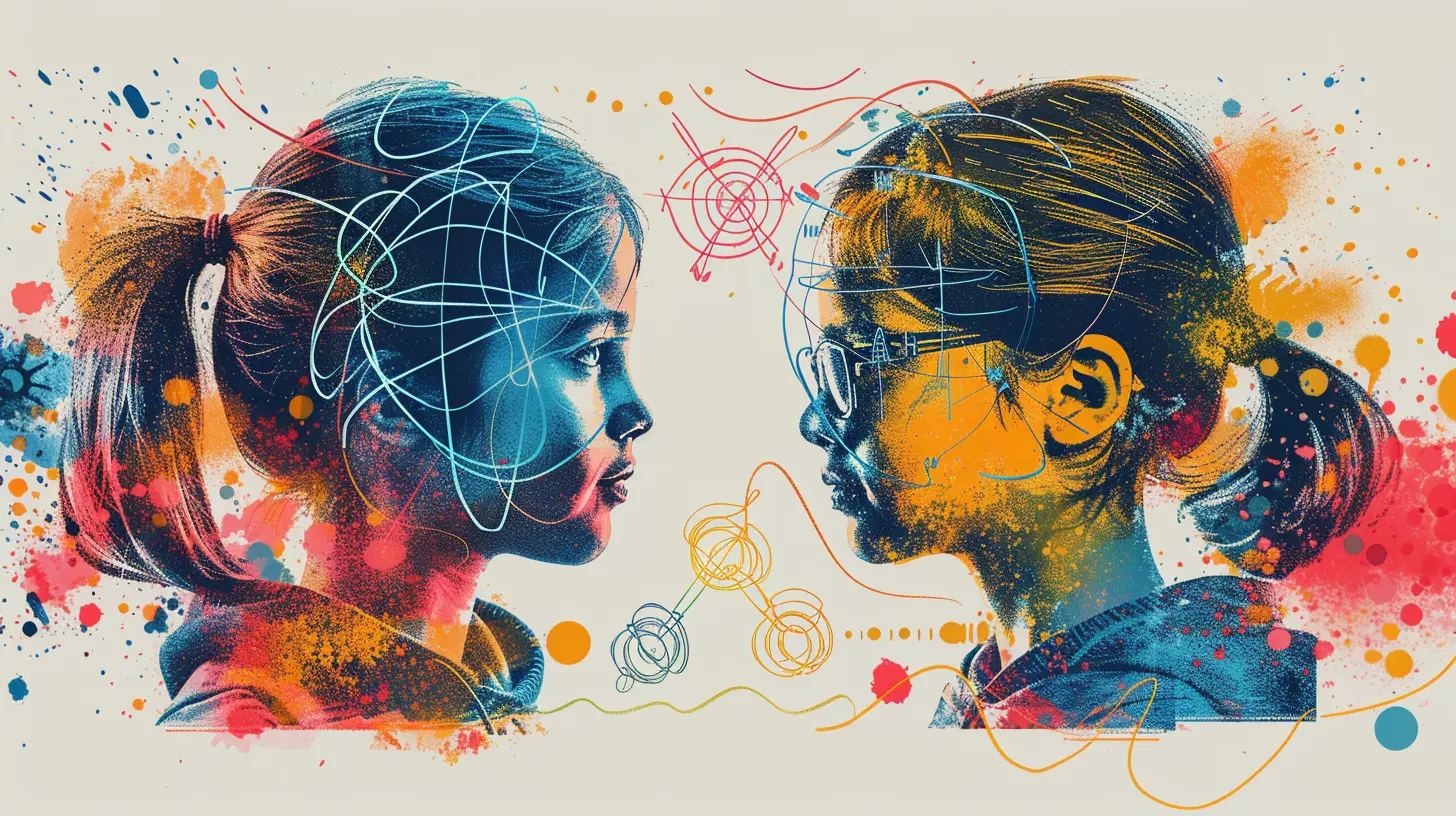
Why Collaboration Matters in Education
Before we delve into how to design an interdisciplinary curriculum, let’s talk about why collaboration is so essential.The Power of Teamwork
In the working world, collaboration is key. It’s rare to find a job, especially in fields like engineering, healthcare, or business, where you're working entirely on your own. Instead, you’re part of a team, each member bringing unique skills and perspectives to the table. So, why not start fostering these collaborative skills in the classroom?When students collaborate on projects, they learn to appreciate different viewpoints, share knowledge, and problem-solve together. These are all skills that are not only useful in the classroom but are also crucial in real-world work environments.
Building Empathy and Communication
Collaboration also builds empathy. When students work together, they start to understand the value of listening to others, communicating clearly, and respecting diverse perspectives. These soft skills are often overlooked in traditional education but are absolutely crucial for success in both personal and professional settings.Solving Complex Problems
Many of today’s global challenges—such as climate change, poverty, and healthcare—are multifaceted problems that cannot be solved by one discipline alone. They require collaboration across various fields of expertise. When students engage in interdisciplinary learning, they practice integrating knowledge from different subjects, which is exactly what they’ll need to do to tackle these challenges.
How to Design an Interdisciplinary Curriculum to Foster Collaboration
Designing an interdisciplinary curriculum sounds great in theory, but how do we put it into practice? How do we ensure that this approach fosters collaboration and not chaos? Let’s break it down.1. Start with a Central, Real-World Problem
The best way to kick off an interdisciplinary curriculum is by anchoring it in a significant, real-world problem. This could be an issue like climate change, global inequality, or even something closer to home, like improving community health.Why start with a problem? Because it gives students a goal to work toward, and it naturally encourages collaboration. For example, let’s say the central problem is "How can we reduce waste in our school?" This project could involve math (calculating how much waste is produced), science (understanding the environmental impact), and social studies (exploring policies around waste management).
By framing the curriculum around a real-world issue, students are more likely to feel motivated and engaged. They’ll also realize that no single subject holds the key to solving the problem—collaboration between disciplines is essential.
2. Encourage Cross-Subject Collaboration Among Teachers
If we want students to collaborate across disciplines, we need teachers to do the same. In many schools, teachers are still siloed into their own subject areas, rarely interacting with teachers from other departments. But to create a truly interdisciplinary curriculum, teachers from different subjects must work together to design lessons and projects.For example, a science teacher might team up with an art teacher to create a project where students design eco-friendly packaging. Or a history teacher and a literature teacher could collaborate on a unit exploring the social impact of major historical events through novels and primary sources.
When teachers collaborate, it models the kind of teamwork we want to see from students. And it also helps create a more cohesive learning experience, where students can see how different subjects connect.
3. Use Project-Based Learning (PBL)
Project-based learning (PBL) is an ideal method for interdisciplinary education. In PBL, students work on a project over an extended period, which could last weeks or even months. The project typically involves solving a complex problem or answering a significant question, and it requires students to apply knowledge from multiple disciplines.For example, a project on designing a sustainable city could involve math (budgeting), science (understanding energy consumption), social studies (exploring the political and social implications of urban design), and art (creating visual representations of the city).
PBL encourages students to collaborate, not just within their own group but also across subject areas. It’s hands-on, engaging, and, most importantly, it mirrors the kind of interdisciplinary teamwork they’ll encounter in the real world.
4. Incorporate Technology and Digital Tools
In today’s digital age, technology plays a crucial role in fostering collaboration. Tools like Google Docs, Trello, and Zoom make it easier than ever for students to work together, even if they’re not in the same room. These tools also allow for more flexibility in how students collaborate, whether it’s brainstorming ideas, dividing tasks, or providing feedback on each other’s work.Moreover, technology can help bridge the gap between different subjects. For example, students could use coding skills to create a digital solution to a real-world problem, or they could use video editing software to create a documentary that combines history, literature, and art.
Technology not only enhances collaboration but also prepares students for the digital-first world they’ll be entering once they graduate.
5. Assess Collaboration, Not Just Content Knowledge
If collaboration is a key goal of interdisciplinary learning, then it should also be assessed. Too often, traditional assessments focus solely on content knowledge—how well students understand the facts and figures of a particular subject. But in an interdisciplinary curriculum, we also need to assess how well students work together.This could involve peer assessments, where students reflect on their team’s collaboration and contribution. It could also involve rubrics that evaluate not just the final product but also the collaborative process—how well students communicated, delegated tasks, and solved conflicts.
By assessing collaboration, we send a clear message that teamwork is just as important as individual knowledge. This helps students develop the collaboration skills they’ll need in the future, both in education and in life.

The Benefits of an Interdisciplinary, Collaborative Curriculum
So, what are the tangible benefits of designing an interdisciplinary curriculum that fosters collaboration?1. Enhances Critical Thinking
By integrating multiple disciplines, students are encouraged to think critically and synthesize information in new ways. They learn to approach problems from various angles, which leads to deeper understanding and more innovative solutions.2. Prepares Students for the Real World
As mentioned earlier, most real-world problems require collaboration across different fields. An interdisciplinary curriculum prepares students for this reality by giving them the opportunity to work together on projects that mirror real-world challenges.3. Builds Social and Emotional Skills
Collaboration isn’t just about learning practical skills—it’s also about developing emotional intelligence. When students work together, they practice empathy, communication, and conflict resolution. These are all critical life skills that are just as important as academic knowledge.4. Increases Engagement and Motivation
When students see the connection between what they’re learning and the real world, they’re more likely to stay engaged. Interdisciplinary projects often feel more relevant and meaningful, which can increase motivation and reduce the "why do we need to learn this?" attitude.Conclusion: Bridging the Gaps Between Disciplines
Designing an interdisciplinary curriculum to foster collaboration is not just a trend—it’s a necessity in today’s complex, interconnected world. By breaking down the barriers between subjects, encouraging teamwork, and focusing on real-world problems, educators can create a learning environment that prepares students for the challenges of the future.It’s time to move away from the traditional, siloed approach to education and toward a more collaborative, interdisciplinary model. The results? Students who are not only knowledgeable but also equipped with the critical thinking, problem-solving, and teamwork skills they’ll need in the real world.
all images in this post were generated using AI tools
Category:
Curriculum DesignAuthor:

Olivia Chapman
Discussion
rate this article
1 comments
Talia Wade
Interdisciplinary curriculum design transforms education by breaking down silos, encouraging diverse perspectives, and fostering collaboration. It not only prepares students for real-world challenges but also cultivates critical thinking and creativity, essential skills for navigating the complexities of our interconnected world.
September 25, 2026 at 10:42 AM