Differentiating Instruction for Students With Learning Disabilities
5 August 2026
Every student learns differently, but for those with learning disabilities, the traditional "one-size-fits-all" approach in education can feel like trying to fit a square peg into a round hole. That’s where differentiated instruction swoops in like a superhero, ensuring every student gets the support they need to thrive.
If you’re wondering how to tailor your teaching strategies effectively, don’t worry—you’re not alone! We’re about to break it all down in a way that’s easy to understand and even easier to apply in your classroom. 
What Is Differentiated Instruction?
Think of differentiated instruction as a buffet instead of a fixed menu. Instead of serving the same dish to every student, you offer a variety of options so each learner gets exactly what they need.In simple terms, it’s about adjusting how you teach based on students' abilities, learning styles, and needs. This might mean tweaking the content, changing how students engage with the material, or even modifying how they show what they’ve learned.
But here’s the kicker: Differentiation isn’t just about making things easier; it’s about making them accessible. 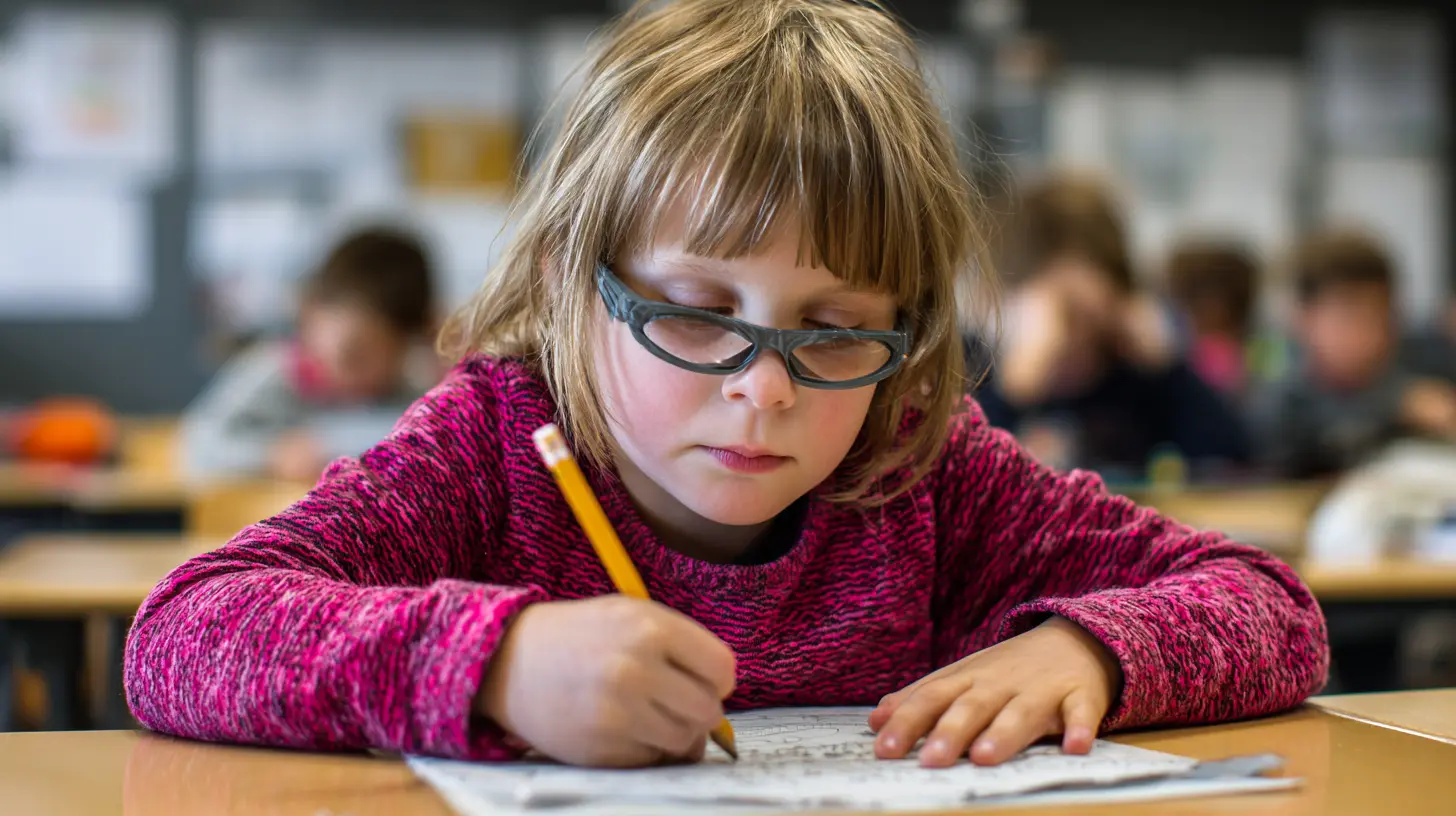
Why Is Differentiation Important for Students With Learning Disabilities?
Imagine trying to run a marathon in shoes that don't fit. You’d struggle, right? That’s how students with learning disabilities feel when they’re expected to learn in ways that don’t match their strengths.Differentiation helps level the playing field by:
✅ Encouraging confidence in struggling learners.
✅ Allowing students to demonstrate their knowledge in ways that work for them.
✅ Reducing frustration and increasing engagement.
✅ Making learning feel more like an adventure and less like a chore.
When students feel supported, they’re more likely to take risks, push themselves, and—most importantly—believe in their abilities. 
Strategies for Differentiating Instruction
Now, let's get to the good stuff—how to actually make this happen in your classroom!1. Modify the Content (What You Teach)
Students with learning disabilities might need information presented in a way that feels more digestible.- Use simplified texts or audiobooks for those who struggle with reading.
- Introduce visual aids like charts, diagrams, and videos.
- Offer hands-on activities for kinesthetic learners who thrive through movement.
- Break lessons into bite-sized chunks to prevent cognitive overload.
Remember, the goal isn’t to water down content but to make it more accessible.
2. Adjust the Process (How You Teach)
Since not every student learns the same way, why should they be taught the same way?- Flexible grouping: Some students work well in pairs, while others might thrive in small groups or even one-on-one instruction.
- Choice boards: Let students pick from different activities that accomplish the same goal.
- Technology integration: Apps, audiobooks, and speech-to-text tools can be game changers.
By giving students different ways to engage with material, you’re letting them take control of their learning.
3. Differentiate the Product (How They Show What They Know)
Traditional tests and essays aren’t the only ways to measure learning.- Some students might shine through oral presentations instead of written exams.
- Others might prefer creating a video or a poster instead of writing a paper.
- Portfolios can be a great way to assess progress over time rather than relying on one high-stakes assessment.
Giving students choices in how they express what they’ve learned can make a world of difference.
4. Adapt the Learning Environment
The setup of your classroom can have a huge impact.- Provide quiet spaces for students who are easily distracted.
- Offer fidget tools for those who need sensory input.
- Consider alternative seating (bean bags, standing desks, etc.) for students who struggle with sitting still.
Even small environmental changes can help make a classroom more inclusive. 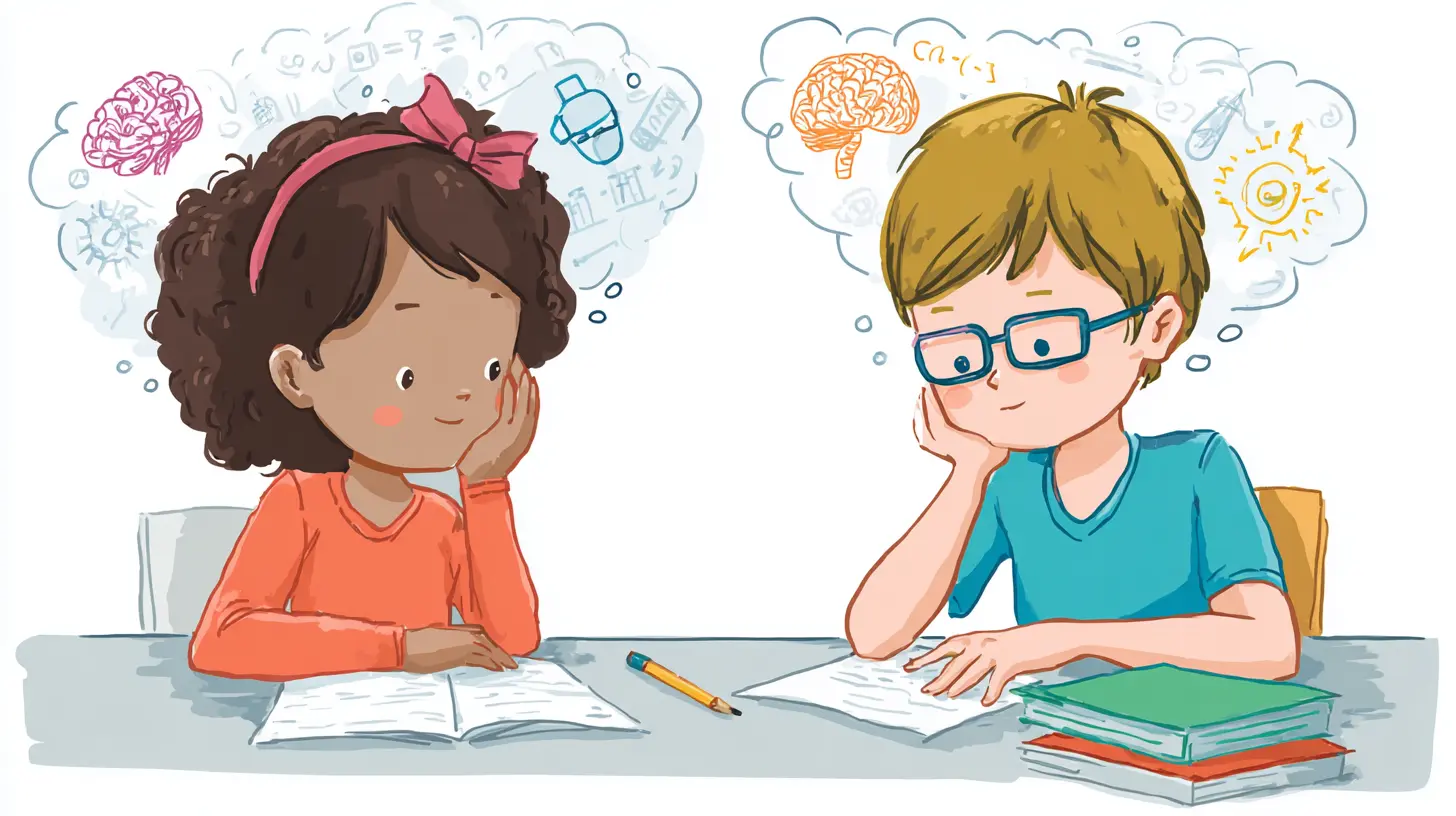
The Role of Assistive Technology
Technology isn’t just for entertainment—it can be a powerful tool for students with learning disabilities.Some great assistive tools include:
?️ Text-to-speech software for students who struggle with reading.
?️ Speech-to-text tools for those with writing difficulties.
? Audiobooks and podcasts for auditory learners.
?️ Graphic organizers to help with organizing thoughts.
Using the right tech can help remove learning barriers and set students up for success.
Supporting Students Emotionally
Let’s not forget: Learning isn’t just about academics—it's also about emotions.Students with learning disabilities often face anxiety, low self-esteem, or even embarrassment. Here’s how you can be their biggest cheerleader:
? Celebrate small wins—Progress is progress, no matter how small.
? Encourage a growth mindset—Remind them that abilities evolve with effort.
? Foster peer support—Create a classroom culture where differences are embraced.
When students feel safe and supported, they’re more open to learning.
Common Myths About Differentiation (And Why They’re Wrong)
? "It’s just extra work for teachers."✅ Not necessarily! It’s about working smarter, not harder. Small tweaks go a long way.
? "It lowers the bar for struggling students."
✅ Nope! Differentiation isn’t about lowering expectations—it’s about giving students the tools to meet them.
? "Only special ed teachers need to do this."
✅ All students benefit from differentiation, not just those with learning disabilities!
Final Thoughts
Differentiating instruction for students with learning disabilities isn’t about reinventing the wheel—it’s about giving every student a seat at the table.Small changes in how we teach can make massive differences in how students learn. So, embrace flexibility, stay patient, and remember: Every student has potential, and it’s our job to help them unlock it.
At the end of the day, teaching is less about what we teach and more about who we teach—and when we meet students where they are, amazing things happen.
all images in this post were generated using AI tools
Category:
Differentiated InstructionAuthor:

Olivia Chapman
Discussion
rate this article
1 comments
Karson Sullivan
In every mind, a unique song; teaching's gentle touch helps each voice sing.
August 18, 2026 at 6:24 PM
Olivia Chapman
Absolutely, every student has a unique rhythm. Tailoring instruction is key to helping each voice shine.