The Role of Play in Curriculum Design for Young Learners
4 June 2026
Let’s be honest—when you think of kids and learning, what pops into your head? Probably books, lessons, maybe a teacher standing in front of a whiteboard, right? But there's something even more powerful than worksheets and flashcards when it comes to young learners: play.
Yep, good old-fashioned play.
You might be thinking, “Wait, isn’t play just... fun?” Well, yes—it is fun. But it’s also the secret sauce that makes early education stick. When schools embrace play as part of curriculum design, magical things happen.
Ready to dig into why play matters so much in shaping how little ones learn? Let’s roll!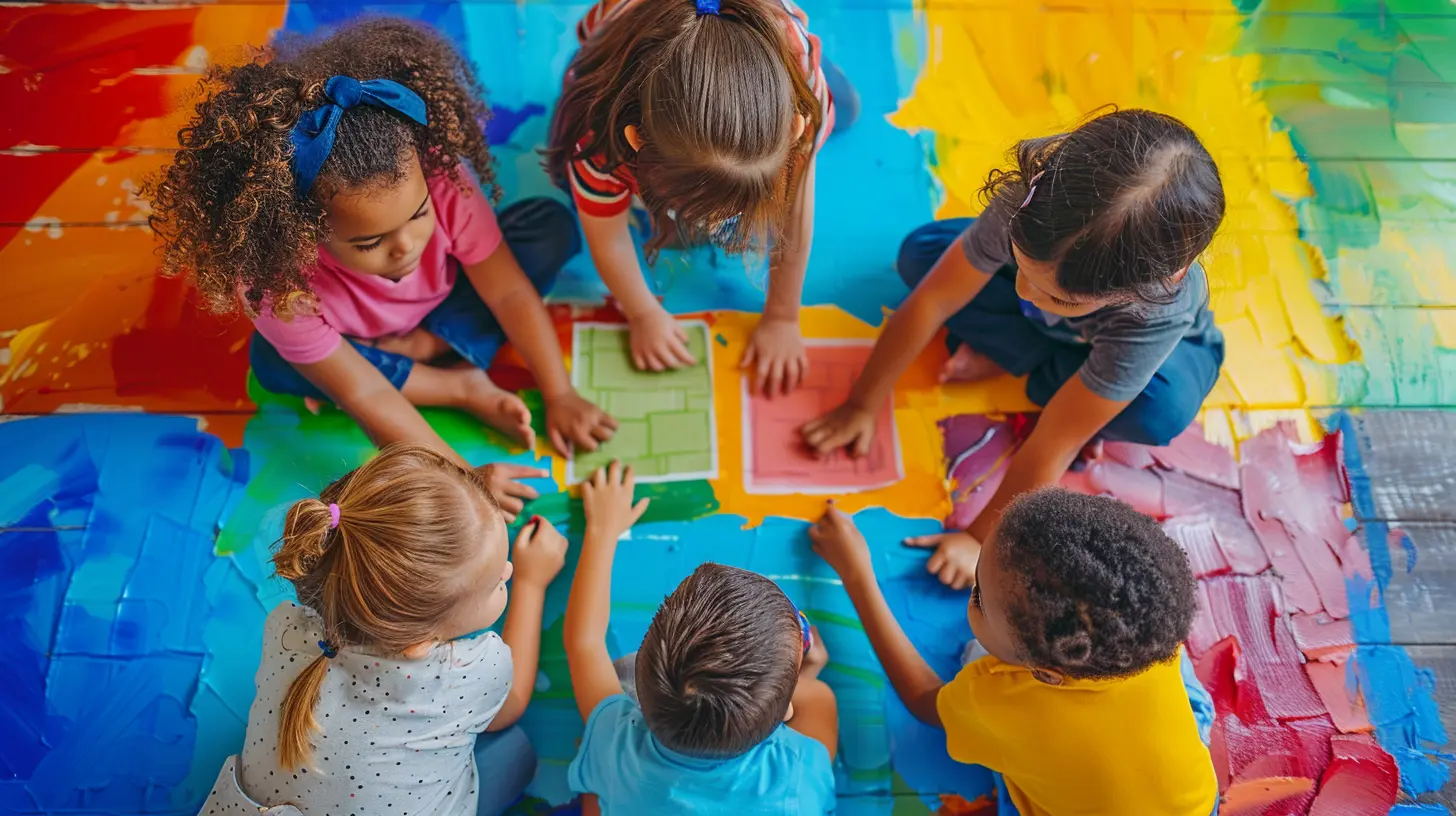
Why Play Deserves a Seat at the Academic Table
Before we dive in, let’s clear up the biggest misconception: Play isn’t the opposite of learning. It’s not a break from learning—it is learning, especially for young children.When kids play, they aren’t just burning off energy or keeping busy. They’re exploring, solving problems, building social skills, and laying down the foundations for literacy, numeracy, and even emotional intelligence.
Think of it this way—play is the sandbox where all the puzzle pieces of a child’s development come together.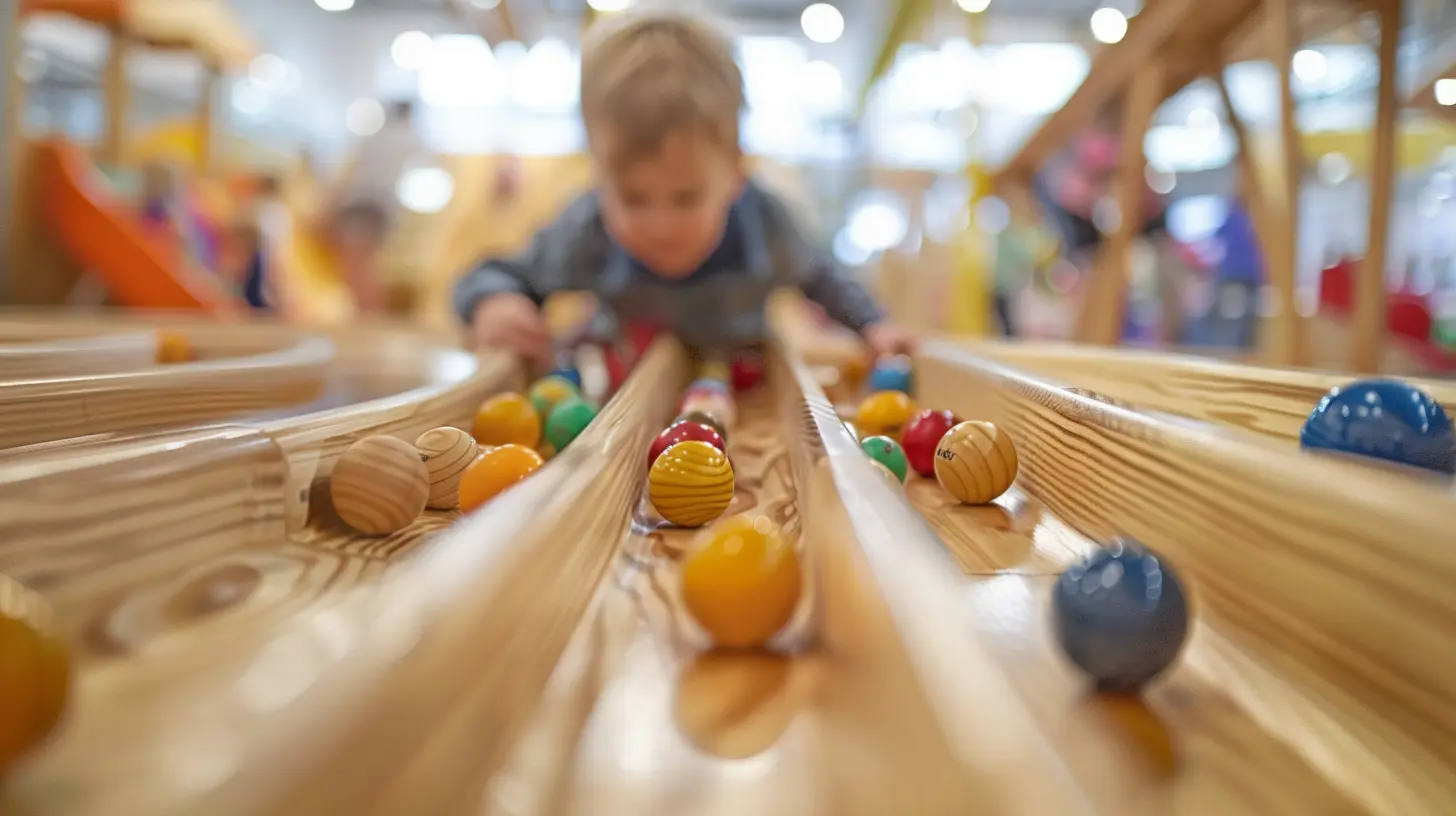
The Science Behind the Giggles
So, what’s the big deal neurologically?Play activates critical brain regions associated with memory, language development, decision-making, and emotional regulation. During imaginative play—for example, when a child pretends to run a store or care for a sick stuffed animal—the brain is firing on all cylinders.
This kind of enriched engagement actually wires the brain for future academic learning. The connections kids form while playing become pathways they’ll rely on later.
Cool, right?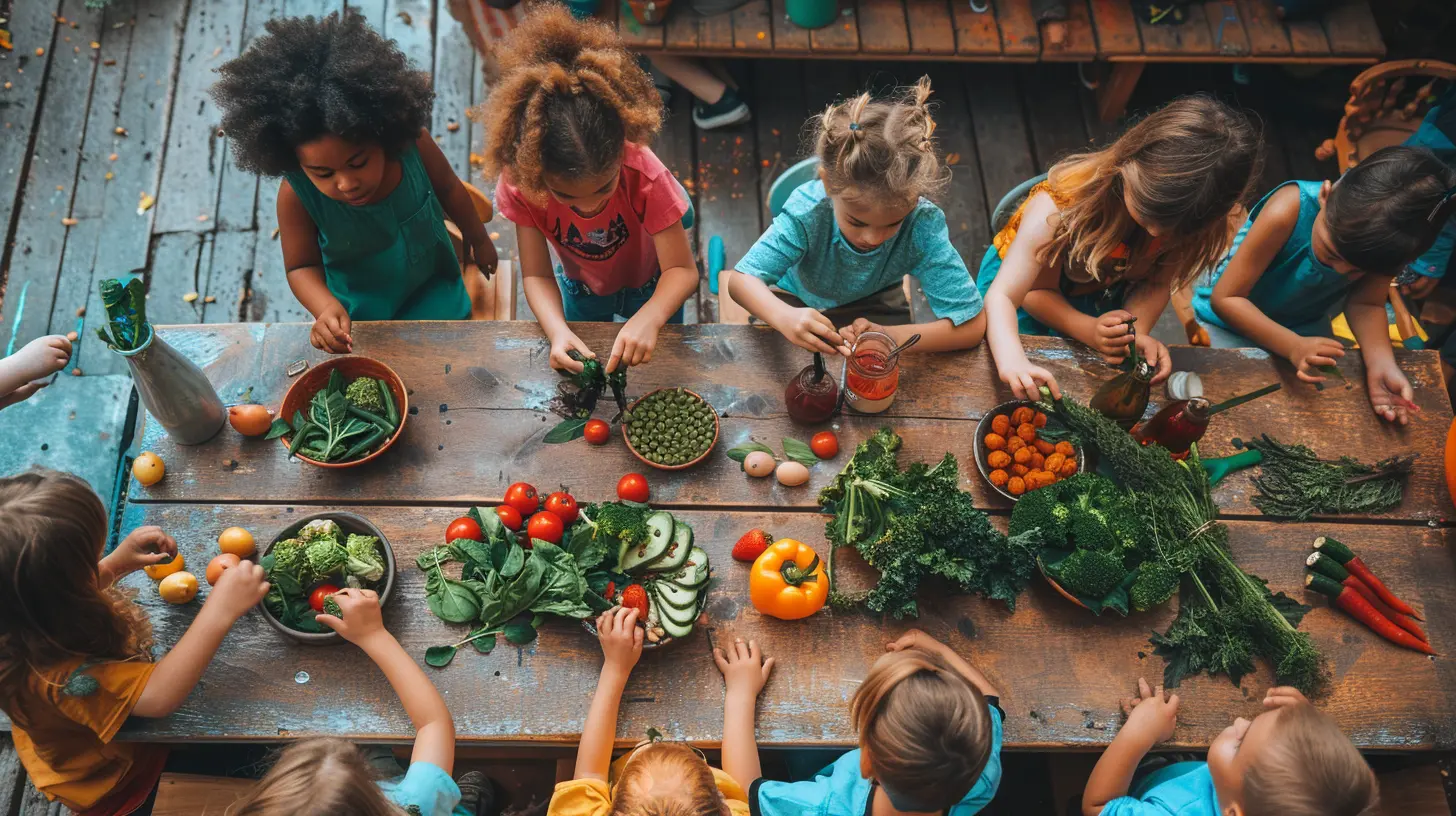
Types of Play That Belong in the Classroom
Not all play is created equal. When we talk about incorporating play into curriculum, we're looking at different types—each with its own set of superpowers.1. Free Play
This is the unstructured, self-directed type of play. Think dress-up corners, building blocks, or drawing with crayons. It builds decision-making, independence, and creativity.Kids set the rules, and honestly, this is where the magic happens. Their minds are free to wander, imagine, and create.
2. Guided Play
Now this one’s a bit more structured. Teachers set up the environment or give a gentle nudge, but kids still lead the action. Think of a science table where children explore magnets or water play stations that introduce volume and measurement.It's like planting seeds and letting nature do the rest.
3. Structured Play
This is teacher-led play that’s designed with specific learning outcomes. Think scavenger hunts that focus on letter sounds or role-playing scenarios that teach empathy and teamwork.Structured doesn’t mean “strict.” It just means intentional.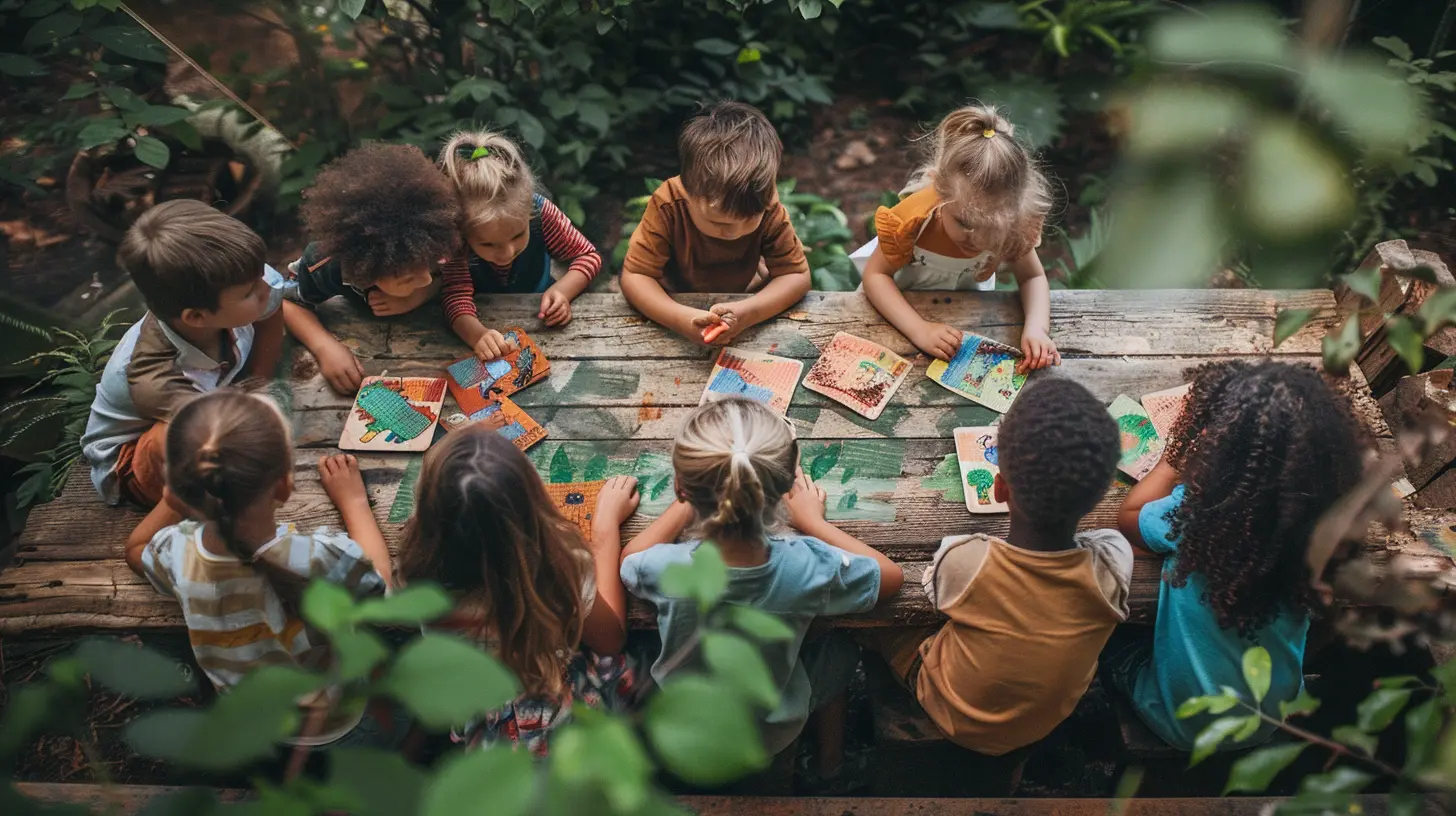
How Play Supports All Areas of Development
Play isn’t just fun—it’s functional. It touches virtually every domain of development. Let’s break it down:? Cognitive Development
Puzzles, matching games, and building blocks? Yep, they’re helping kids figure out how the world works. Play lays the groundwork for problem-solving, critical thinking, and spatial awareness.?️ Language and Communication
Ever hear a 4-year-old narrating every move during play? That’s language development in action! Through storytelling and role-playing, children expand their vocabulary and improve sentence structure.? Motor Skills
Running, jumping, stacking, molding—play fine-tunes both gross and fine motor skills faster than any worksheet ever could.❤️ Social and Emotional Growth
Play teaches sharing, negotiating, and understanding others’ feelings. Whether it’s deciding who goes first or comforting a crying friend, these experiences build empathy and emotional intelligence.Challenges of Integrating Play (and How to Crush Them)
Okay, let’s get real—infusing play into curriculum isn’t always a walk in the park. Here are some common hurdles and how to leap over them:1. “Play Isn’t Real Learning” Mindset
Many adults (parents, administrators, even teachers) still see play as a time-filler rather than a learning tool.How to handle it: Show the research. Demonstrate how play supports academic outcomes. Use terms like “play-based inquiry” to bridge the gap.
2. Curriculum Pressure
Standardized testing and academic benchmarks can leave little wiggle room for playful learning.How to handle it: Blend standards into play. For example, use dramatic play to teach math (e.g., running a pretend store with price tags).
3. Classroom Management Worries
Some educators worry that play gets chaotic.How to handle it: Set up clear zones and expectations. Remember—play doesn’t mean free-for-all. It's structured freedom.
Building a Curriculum That Plays Nice
So, how do you actually embed play into curriculum design without losing sight of learning goals?Here’s a roadmap:
? 1. Align Play With Learning Objectives
Start with your learning goals. Then think—how can we teach this through a game, activity, or story?Teaching counting? Set up a pretend grocery store. Focusing on storytelling? Create a puppet theater.
? 2. Design Inviting Learning Environments
Your classroom matters. Use centers, stations, and materials that invite exploration. Think cozy reading nooks, nature tables, or construction zones.Trust me, the right space sparks the right mindset.
?? 3. Be the “Guide on the Side”
You don’t have to lead every moment. Just observe, step in when needed, ask thought-provoking questions, and scaffold their discoveries.It’s a bit like being a museum tour guide—point things out but let them wander freely.
? 4. Schedule Time to Play
Intentional play needs time on the clock. Block it out just like you would math or reading instruction.This tells everyone—students and fellow educators alike—that play matters.
Real-World Success Stories
Want proof that play-based learning works? Let’s look at a few examples from around the globe:- Reggio Emilia (Italy): Centers on project-based, play-driven learning. Children lead the way, teachers document their discoveries, and artistic expression is everywhere.
- Finland: Often hailed as one of the best education systems in the world, Finnish schools emphasize play over testing in the early years—and performance remains sky-high.
- HighScope (USA): This approach blends structured play with active learning and is backed by decades of research showing strong long-term academic and social outcomes.
Play isn’t a trend—it’s a time-tested, research-backed pillar of early childhood education.
The Long-Term Payoff
Still wondering whether play is worth the time and effort?Here’s the kicker—children who experience play-based learning early in life tend to have stronger self-regulation, better problem-solving skills, and a lifelong love of learning.
And isn’t that the goal?
Because let’s face it—there’s no worksheet in the world that can teach curiosity. But put a magnifying glass in a child’s hand and watch the wonder ignite.
What This Means for Educators and Parents
Whether you’re designing a preschool curriculum or just figuring out how to keep a toddler busy at home, the key takeaway is simple: Don’t underestimate play.It’s not a reward for finishing “real” work. It is the real work—especially for young learners.
So build it in. Fight for it. Celebrate it.
Even if someone side-eyes your classroom because it looks more like a playground than a lab—know that those blocks, costumes, and finger paints are shaping bright futures.
Key Takeaways
- Play isn’t just fun—it’s a powerful tool for cognitive, social, emotional, and physical development.- There are different types of play (free, guided, structured) and all serve a purpose in early learning.
- Educators can align play with academic goals through creative environments and thoughtful scheduling.
- Challenges like rigid curriculum expectations or outdated mindsets can be overcome with intentional design and advocacy.
- Real-world examples (like Finland and Reggio Emilia) show the effectiveness of play-based learning.
Final Thoughts
When we shift our mindset from "playtime" to "learning through play," everything changes. Suddenly, the noise in the block corner isn't chaos—it’s collaboration. That dress-up game? It’s storytelling. Those giggles? They’re signs of growth.So let’s stop pushing play to the sidelines. Let’s make it the heart of early education—because that’s exactly where it belongs.
all images in this post were generated using AI tools
Category:
Curriculum DesignAuthor:

Olivia Chapman
Discussion
rate this article
1 comments
Archer Benton
Play isn't just fun; it's a vital tool that fuels creativity and critical thinking in our youngest learners.
June 8, 2026 at 2:33 AM
Olivia Chapman
Absolutely, play is essential. It sparks creativity and nurtures critical thinking, laying a strong foundation for learning.