Embracing Cultural Differences in the Classroom
4 August 2026
Imagine walking into a classroom filled with chatter in different languages, students proudly wearing traditional attire from their heritage, and lessons sprinkled with stories from every corner of the globe. Sounds inspiring, right? That’s the magic that happens when we start embracing cultural differences in the classroom.
Now, let’s be real—navigating cultural diversity isn't always easy. But it’s absolutely necessary. In today’s world, classrooms are melting pots of cultures, beliefs, traditions, and languages. And that? That’s a gift. If used wisely, it can become one of the most powerful tools for meaningful education.
Let’s dive deep into how educators, students, and schools can create an inclusive and enriching learning environment that celebrates, rather than just tolerates, cultural differences.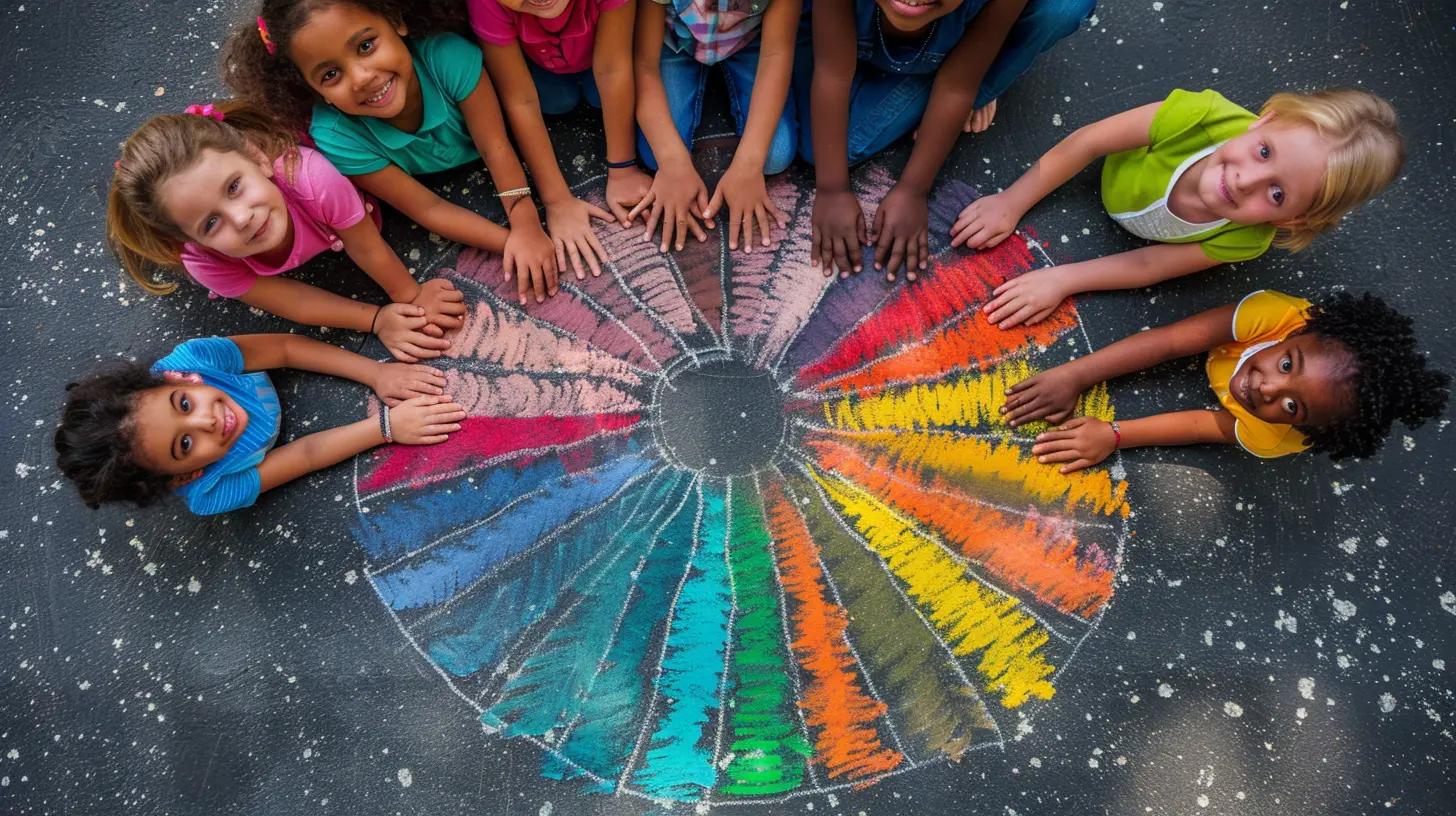
Why Cultural Diversity in the Classroom Matters
Let’s start with a simple truth: culture shapes who we are. It influences how we think, how we communicate, how we interpret the world, and even how we learn.When students from diverse cultural backgrounds are brought together, they don't just carry books and backpacks—they carry their unique worldviews. A multicultural classroom becomes a space where empathy, global awareness, and social skills grow, almost effortlessly.
Breaking Down Stereotypes
Cultural exposure helps to bust myths and challenge stereotypes. When students learn firsthand about traditions, customs, and beliefs from their classmates, they begin to realize that no culture is “weird” or “wrong.” It’s just different—and different is beautiful.Broadening Perspectives
The more students interact with peers from other cultures, the more open-minded they become. They begin to ask better questions, think critically, and appreciate the nuances of the human experience. It’s like switching from black-and-white TV to full-blown HD color.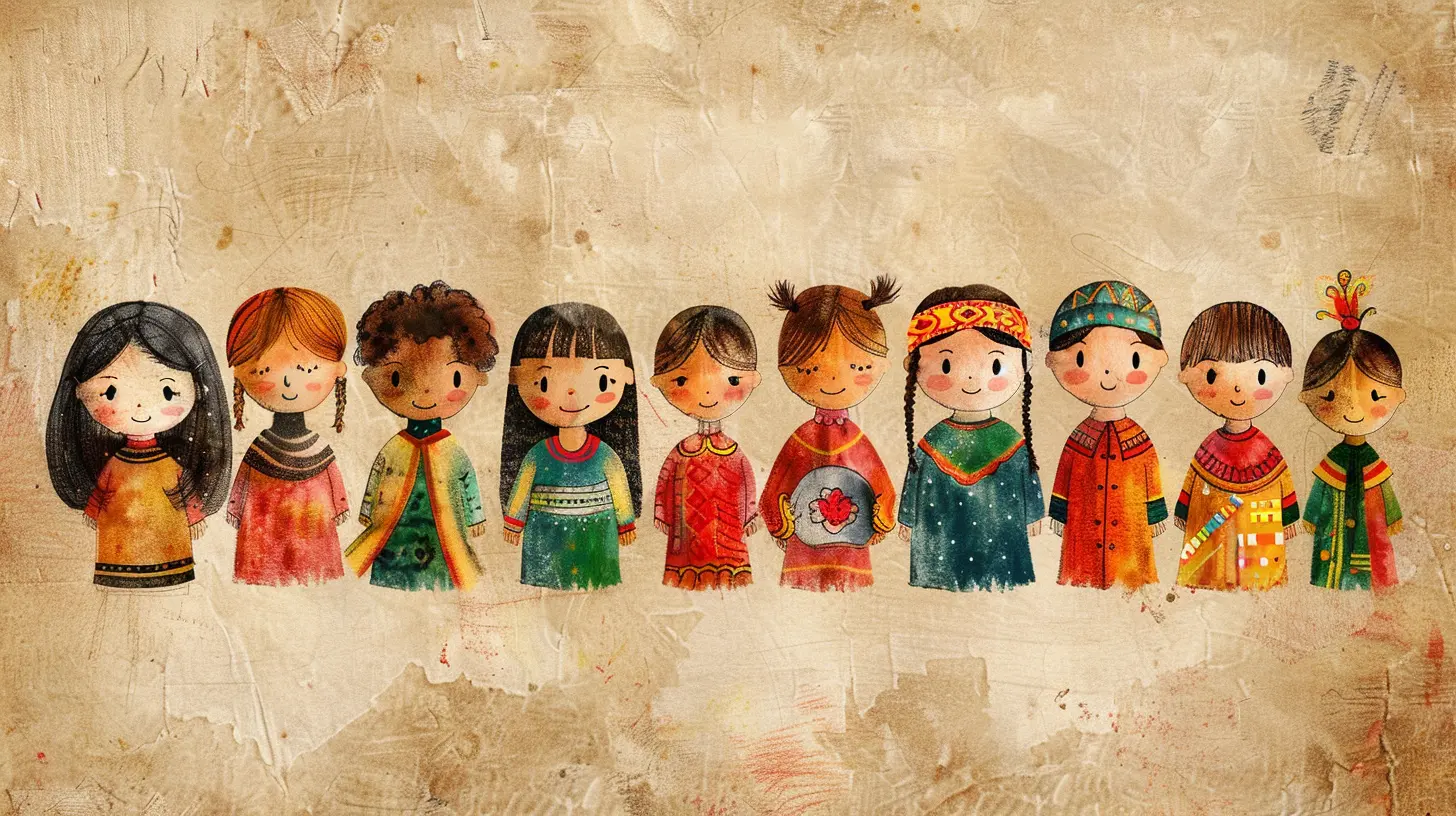
Challenges of Embracing Cultural Differences
Of course, embracing cultural diversity is easier said than done. It’s not all sunshine and rainbows. Sometimes, cultural misunderstandings can lead to awkward moments—or even clashes.Here are a few bumps educators might run into:
Language Barriers
Let’s face it—language can be a huge hurdle. Students who are English Language Learners (ELLs) might feel isolated or embarrassed. Teachers might struggle to communicate effectively. But instead of seeing this as a roadblock, why not see it as an opportunity to get creative with communication?Unconscious Bias
We all carry unconscious biases. It’s human. The trick lies in recognizing them and actively working to eliminate them from our teaching practices. The smallest assumptions can have the biggest impact on a student’s self-esteem.Cultural Norms and Expectations
What’s considered respectful in one culture might be seen as rude in another. For example, direct eye contact shows confidence in some cultures, while in others, it’s a sign of disrespect. Teachers need to be aware of these cultural nuances to avoid misunderstandings.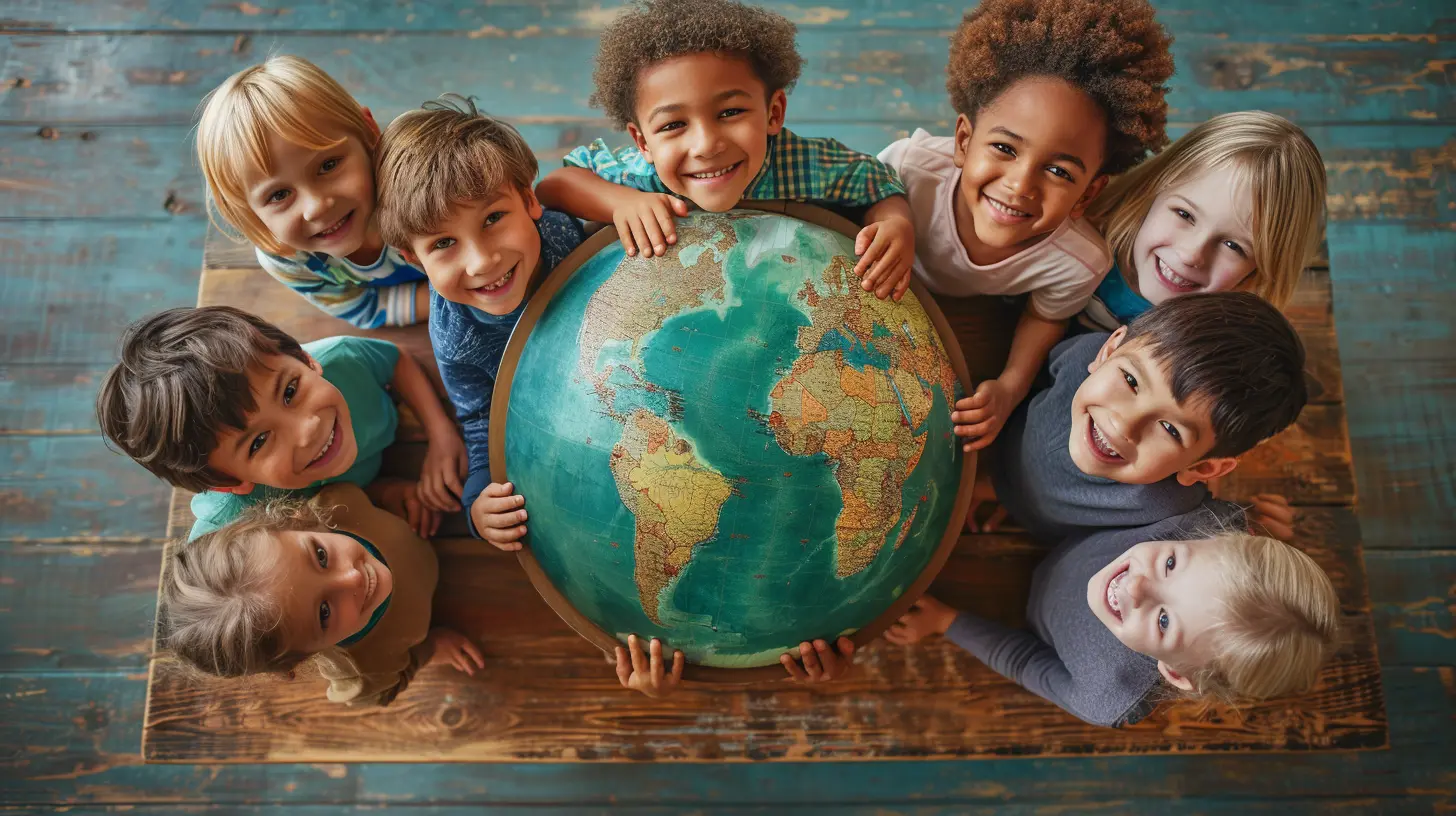
Simple Ways to Embrace Cultural Differences in the Classroom
Not sure where to start? Don’t worry—we’ve got you covered. Embracing cultural diversity doesn’t require a complete curriculum overhaul. Small, conscious changes can make a world of difference.1. Create a Culturally Responsive Curriculum
Think about your lesson plans. Whose stories are you telling? Whose histories are being shared? A culturally responsive curriculum includes voices from all backgrounds—not just the dominant culture.You can:
- Include global literature from diverse authors
- Use history examples from different regions
- Celebrate international holidays and traditions
- Highlight contributions of figures from all cultures
2. Encourage Students to Share Their Culture
Want to learn about a student’s culture? Ask them!Invite students to share their family traditions, favorite meals, or stories from their heritage. It’s a fun way to build community and educate others.
Try a “Culture Day,” where students can bring in food, art, music, or clothing from their background. It’s like show-and-tell but with a multicultural twist.
3. Foster Open Dialogue
Let students talk about their experiences. Encourage them to ask questions. The classroom should be a safe space where curiosity thrives and judgments fade.Use discussion prompts like:
- “What’s a tradition from your family that you love?”
- “How do you celebrate special occasions?”
- “What does your name mean in your culture?”
These conversations help build empathy and understanding.
4. Diversify Classroom Materials
Representation matters. Look around your classroom—do your posters, books, and images reflect a rainbow of cultures? Or do they look a bit… bland?Make sure the visuals in your space reflect the beautiful diversity of the world. When students see themselves represented, they feel seen, valued, and motivated.
5. Educate Yourself Continuously
Let’s be honest—teachers wear a thousand hats. But one hat that should never come off is that of a lifelong learner.Take time to read about different cultures, attend diversity training, and listen to your students. You won’t have all the answers, and that’s okay. The goal isn’t perfection, it’s progress.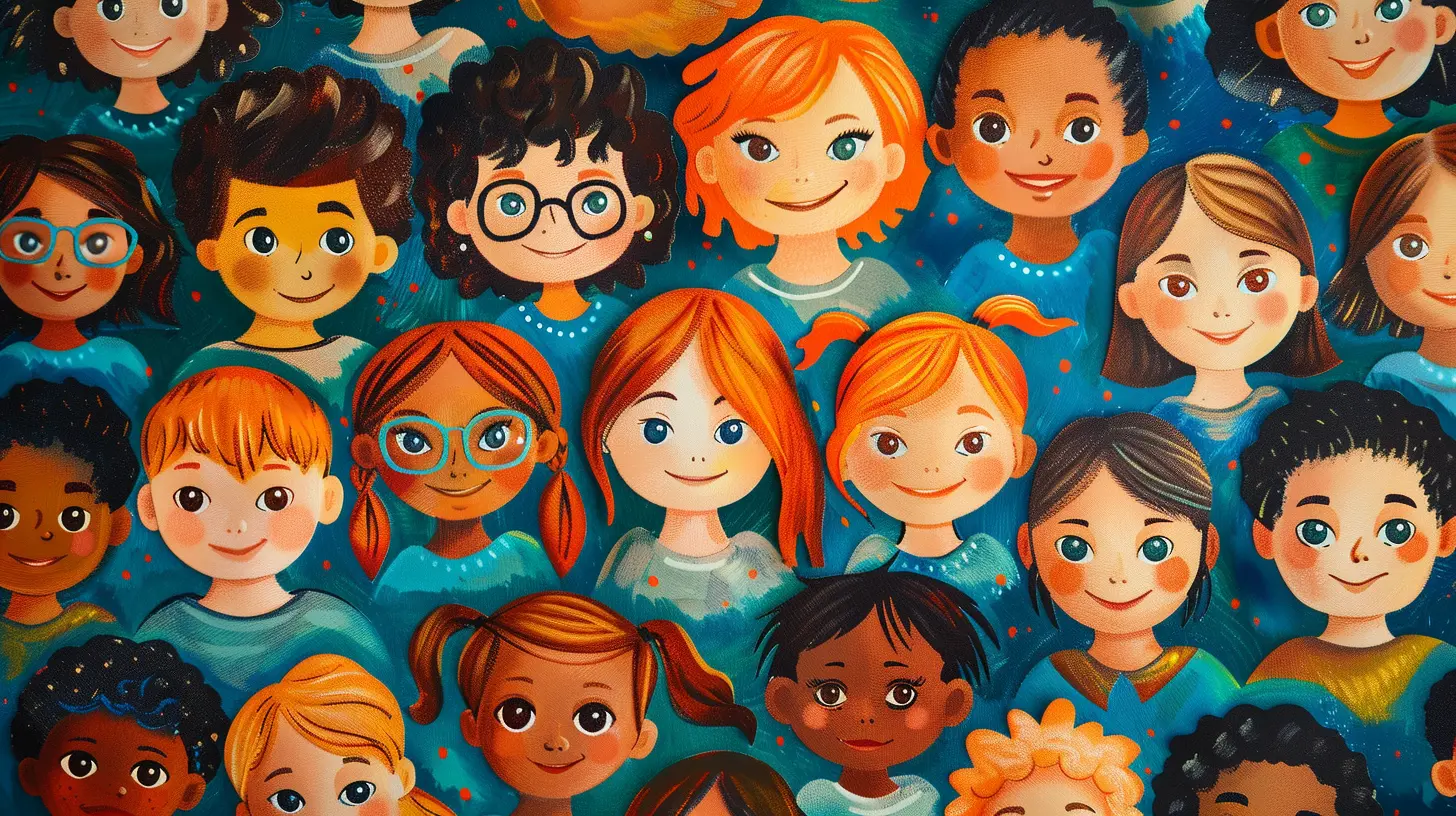
Creating a Safe and Inclusive Environment
All students—regardless of race, religion, language, or background—deserve to feel safe and included. This goes beyond academics. It’s about emotional safety, respect, and belonging.Build Relationships
Take time to know your students beyond their test scores. Learn their names, ask about their weekends, listen to their stories. Relationships are the foundation of a culturally inclusive classroom.Address Bullying Swiftly
Sadly, cultural differences can sometimes make students targets for bullying. Teachers must take a zero-tolerance approach and create clear protocols for dealing with discriminatory behavior.Use Inclusive Language
Words matter. Avoid assumptions about family structures, gender roles, or beliefs. Instead of saying “mom and dad,” try using “grown-up” or “family.” It’s a small change, but it makes a big difference.The Role of Parents and the Community
It’s not just up to teachers. Parents and the wider community play a huge role in shaping students' attitudes toward cultural differences.Involve Families
Invite families to participate in cultural events, classroom activities, or school projects. Their involvement shows students that their culture is respected and valued.Partner with Community Organizations
Local cultural centers, religious institutions, and immigrant support groups can offer resources, guest speakers, or cultural artifacts for classroom use. It takes a village, and that’s a good thing.Technology and Cultural Connection
Here’s a fun idea: bring the world to your classroom (without a passport). With technology, it’s easier than ever to connect with students from around the globe.Pen Pal Programs
Set up digital pen pals with schools in other countries. Your students can practice communication skills while learning about daily life in different cultures.Virtual Field Trips
Use online platforms to explore museums, cultural landmarks, and historical sites from other regions. Imagine touring the Great Wall of China or the Pyramids of Egypt—right from your projector screen.Final Thoughts: Start With the Heart
Here’s the thing—embracing cultural differences in the classroom starts with a simple shift in perspective. It’s not about having the right checklist or perfect pronunciation. It’s about leading with empathy, curiosity, and an open heart.Will there be awkward moments? Absolutely. Will you make mistakes? Probably. But those are just stepping stones on the path to a richer, more inclusive educational experience.
The more we open our eyes to the diverse cultures around us, the more vibrant and meaningful our classrooms become. And who knows? Maybe, just maybe, the lessons learned from honoring cultural differences will stick with students far longer than any math equation or grammar rule.
So let’s not just teach tolerance—let’s celebrate diversity. Let’s create classrooms where every student feels seen, heard, and valued. Because when we embrace each other’s differences, we all grow.
all images in this post were generated using AI tools
Category:
Cultural AwarenessAuthor:

Olivia Chapman
Discussion
rate this article
1 comments
Tobias McCarthy
Embracing cultural differences enriches the classroom experience. It fosters understanding and respect, allowing students to learn from one another. This diversity not only enhances education but also prepares students for a global society.
August 5, 2026 at 12:01 PM