Encouraging Cultural Curiosity in Students
19 August 2026
In today’s global world, understanding and appreciating different cultures isn't just a nice-to-have—it's essential. But how do we get students genuinely interested in cultures that might seem foreign, strange, or completely out of their comfort zone? That’s where the magic of cultural curiosity comes in. When students are curious about other cultures, they become more open-minded, empathetic, and better prepared for the diverse world around them.
So, how do we spark that curiosity? Let’s talk about it!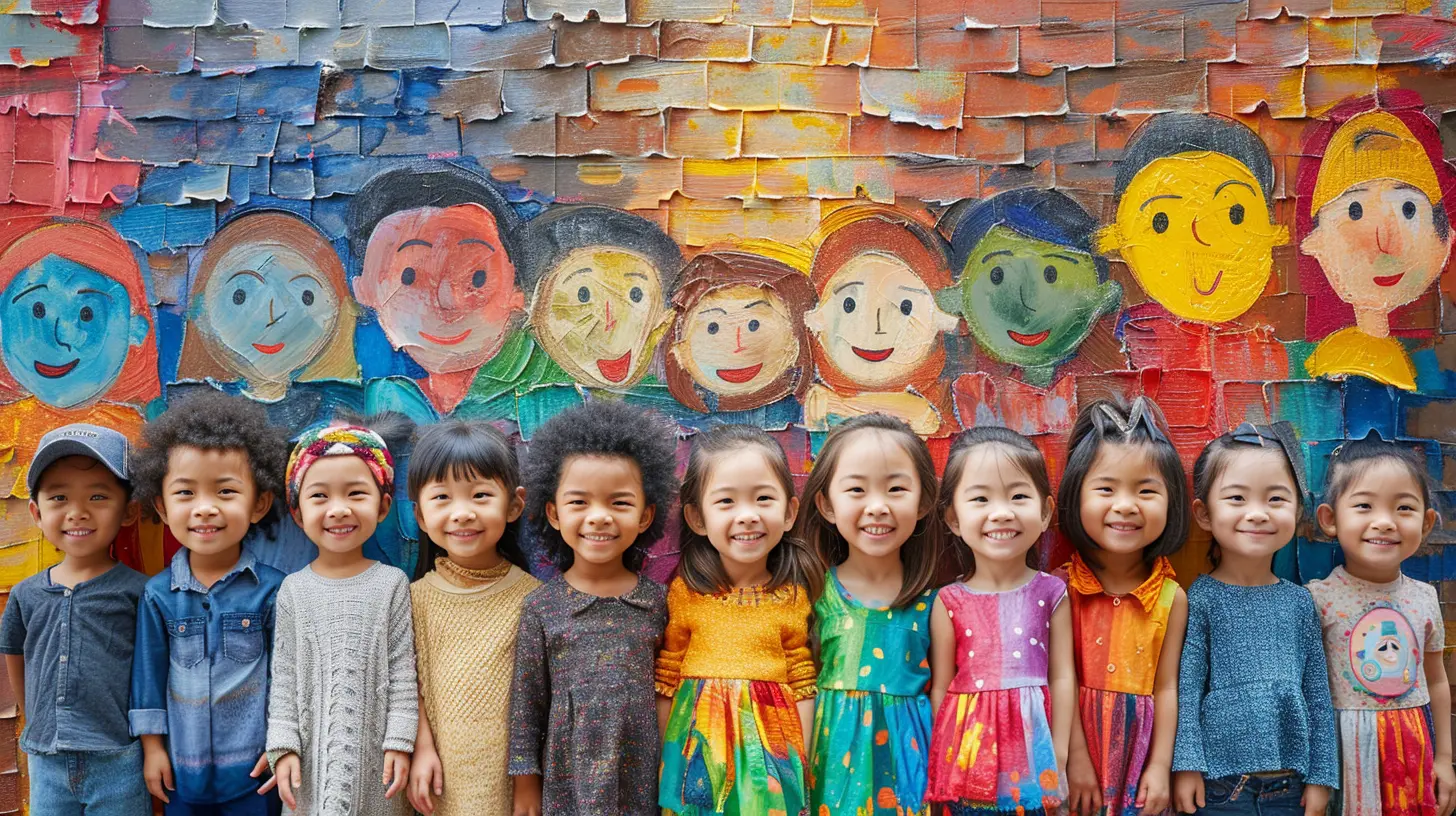
Why Cultural Curiosity Matters More Than Ever
We’re living in an interconnected world. A student in California might be collaborating on a project with someone in Tokyo. Cultural competencies aren’t just useful—they're necessary. Encouraging cultural curiosity in students isn't about turning everyone into a globetrotter. It's about nurturing respect, interest, and understanding of different peoples’ traditions, values, and worldviews.Think of it like adding new spices to your cooking—you don't need to visit every country to appreciate its flavor. The same goes for culture.
What Is Cultural Curiosity, Really?
Let’s break it down. Cultural curiosity is the desire to understand and engage with cultures outside your own. It’s asking questions like:- Why do people eat with chopsticks in some places and forks in others?
- What does that traditional dance actually mean?
- Why do people greet each other differently around the world?
These questions open windows into how others live, think, and celebrate life. And when students start asking them, they’re already on the path to becoming global citizens.
The Benefits of Encouraging Cultural Curiosity
Before diving into strategies, it’s good to know the “why.” What do students gain from this?1. Improved Empathy and Understanding
When students learn about the struggles, joys, and traditions of others, they naturally develop empathy. They start to understand that not everyone lives, thinks, or experiences the world the same way they do—and that’s okay.2. Better Communication Skills
Understanding cultural nuances helps students communicate more effectively. Whether it’s avoiding unintentional offense or finding common ground, cultural curiosity helps break down barriers.3. Stronger Problem-Solving Abilities
Exposure to different viewpoints helps students think outside the box. They begin to appreciate that there's more than one right way to approach a problem.4. College and Career Readiness
Universities and employers love culturally curious individuals. Why? Because they’re adaptable, open to challenges, and great team players—especially in diverse environments.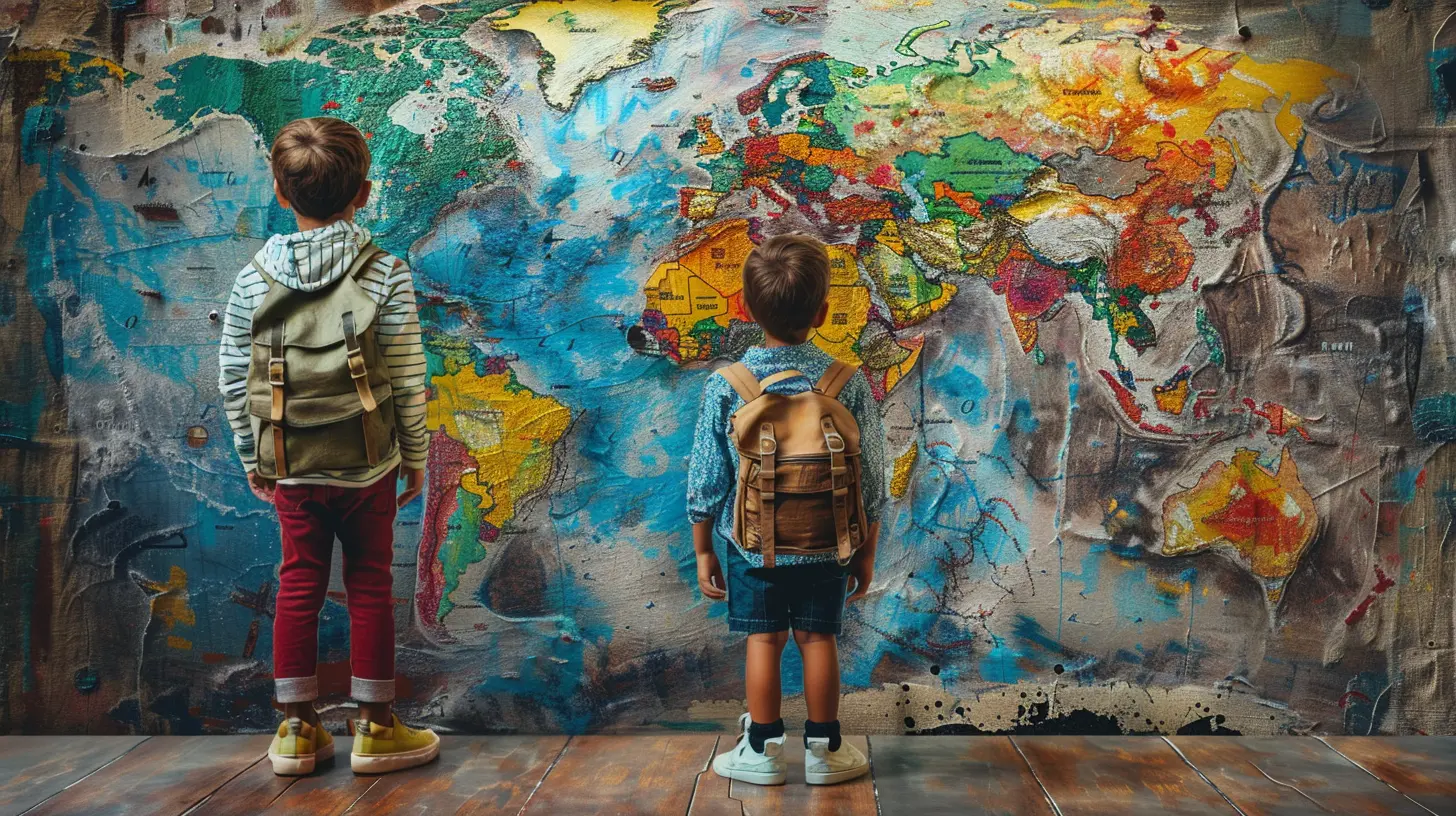
Barriers to Cultural Curiosity—and How to Break Them Down
Let’s be honest, cultural curiosity doesn’t always come naturally. Sometimes, bias, fear, or lack of exposure can get in the way.1. Lack of Exposure
You can’t be curious about something you’ve never even heard of, right? The solution is simple—start introducing students to different cultures early and often.2. Stereotypes and Misconceptions
These create walls instead of bridges. Teachers and parents can play a big role in challenging stereotypes and promoting accurate, respectful representations.3. Fear of Saying the Wrong Thing
This is a big one. No one wants to sound rude or ignorant. Creating a safe environment where questions are encouraged (and mistakes are okay!) is crucial.Practical Ways to Foster Cultural Curiosity in the Classroom
Let’s talk action. Here are some idea-packed strategies to turn your classroom into a launchpad for cultural exploration.1. Start with Stories
Books, movies, and podcasts are fantastic gateways into different cultures. Reading a novel set in another country? It’s more than a story—it’s a trip abroad without leaving your desk.Bonus: Stories build emotional connections, making cultures feel personal, not foreign.
2. Celebrate Cultural Holidays
From Diwali to Ramadan to Dia de los Muertos—there are so many vibrant, meaningful holidays around the world that bring culture to life. Hosting classroom celebrations or discussions around these events can be eye-opening.Just don’t reduce a culture to one day of celebration—make it meaningful, not performative.
3. Pen Pals and Virtual Exchanges
Remember pen pals? They still exist—only now with video calls and instant messaging. Pair your students with classmates in other countries to exchange cultural insights. It’s real, exciting, and incredibly eye-opening.4. Invite Guest Speakers
From local artisans to global travelers, inviting diverse voices into your classroom gives students firsthand insight. Hearing lived experiences is way more impactful than reading facts off a slide.5. Use Food as a Gateway
Let’s face it—kids love food. Use it to your advantage. Exploring traditional cuisines opens up conversations about history, geography, and culture. Maybe host a culture-themed potluck (where allergies are considered, of course!).6. Language Exposure
You don’t need fluency in 20 languages. Even learning a few phrases like “hello,” “thank you,” or “goodbye” in different languages can boost appreciation. It's also just plain fun!Tip: Post a "language of the week" on the board and practice greetings every day.
7. Encourage Open Conversations
Allow students to ask questions—especially the uncomfortable or awkward ones. This is how we learn. Normalize curiosity. Normalize not knowing.Role of Teachers and Parents in Cultivating Curiosity
Teachers and parents aren't just bystanders—they’re the co-pilots in this journey.Teachers
You don’t have to be an expert in every culture. Lead by example. Show that you're learning too.- Use inclusive teaching materials
- Encourage debates and global discussions
- Stay updated on global current events and tie them into lessons
Parents
Curiosity doesn’t end at the classroom door.- Watch foreign films or documentaries as a family
- Support exchange programs or international club activities
- Talk about your own heritage or family traditions
Integrating Cultural Curiosity Into the Curriculum
Cultural curiosity shouldn’t be an afterthought—it should be woven into the daily fabric of learning.Here’s how:
Language Arts
Assign literature from global authors. Discuss themes like identity, belonging, and tradition.History
Highlight multiple perspectives. Don’t just teach about colonizers—talk about the colonized too. Focus on interconnected histories, not isolated ones.Science
Show how scientific contributions come from all around the world. Think ancient Egyptian medicine or modern Japanese technology.Art & Music
Explore music and art styles from various cultures. Why not try African drumming one day and Japanese calligraphy the next?Creating a Culture of Respect and Openness
This part is huge.Encouraging curiosity without fostering respect is like giving keys to a car without teaching how to drive it. You’ll crash.
Make it clear from the start: curiosity is about understanding, not judging. There’s no room for mockery or exoticizing. It’s not about pointing fingers—it’s about shaking hands.
Assessing Cultural Engagement—Yes, It’s Possible
You might wonder: how do I know if students are actually growing in cultural curiosity?Try this:
- Reflective journals: Have students write about what they’ve learned, what surprised them, and what questions they still have.
- Projects and presentations: Let them research and share a culture of their choice.
- Group discussions: Are students asking better, deeper questions? That’s a major sign of growth.
Wrapping It Up: Why It All Matters
Encouraging cultural curiosity in students isn't just about learning new facts or ticking diversity boxes. It's about creating kinder, more compassionate human beings. Students who grow up appreciating cultures different from their own are more likely to build bridges, not walls.In a world that sometimes feels divided, what better gift can we give the next generation than the tools to connect?
So, let’s make classrooms places where curiosity thrives, questions are welcomed, and every culture has a seat at the table. Because when students become curious about other cultures, they also start to understand their own place in the world a little better.
And isn’t that what education is all about?
all images in this post were generated using AI tools
Category:
Cultural AwarenessAuthor:

Olivia Chapman
Discussion
rate this article
2 comments
Lexi Jimenez
Nurturing curiosity opens minds and fosters a world of possibilities.
August 30, 2026 at 3:53 AM
Olivia Chapman
Absolutely! Curiosity is the key to exploration and understanding diverse cultures, enriching students' perspectives.
Luma Adkins
What if every lesson could unlock a hidden world? Discover the secrets that shape our cultures...
August 21, 2026 at 2:51 AM
Olivia Chapman
That's an inspiring thought! Each lesson can indeed open a window to different cultures, revealing fascinating traditions and stories just waiting to be explored.