Exploring Famous Artists: Classroom Projects Inspired by Masters
23 January 2026
Art has always been a powerful medium of expression. Whether it’s the bold strokes of Van Gogh or the surreal dreams of Dalí, every masterpiece tells a story. But what if we could bring these artists into the classroom—not just as history but as inspiration for hands-on projects?
Integrating famous artists into classroom activities doesn’t just make learning fun—it helps students develop creativity, critical thinking, and problem-solving skills. So, let’s dive into some fantastic classroom projects inspired by legendary artists that will ignite students’ artistic curiosity and appreciation for the masters! 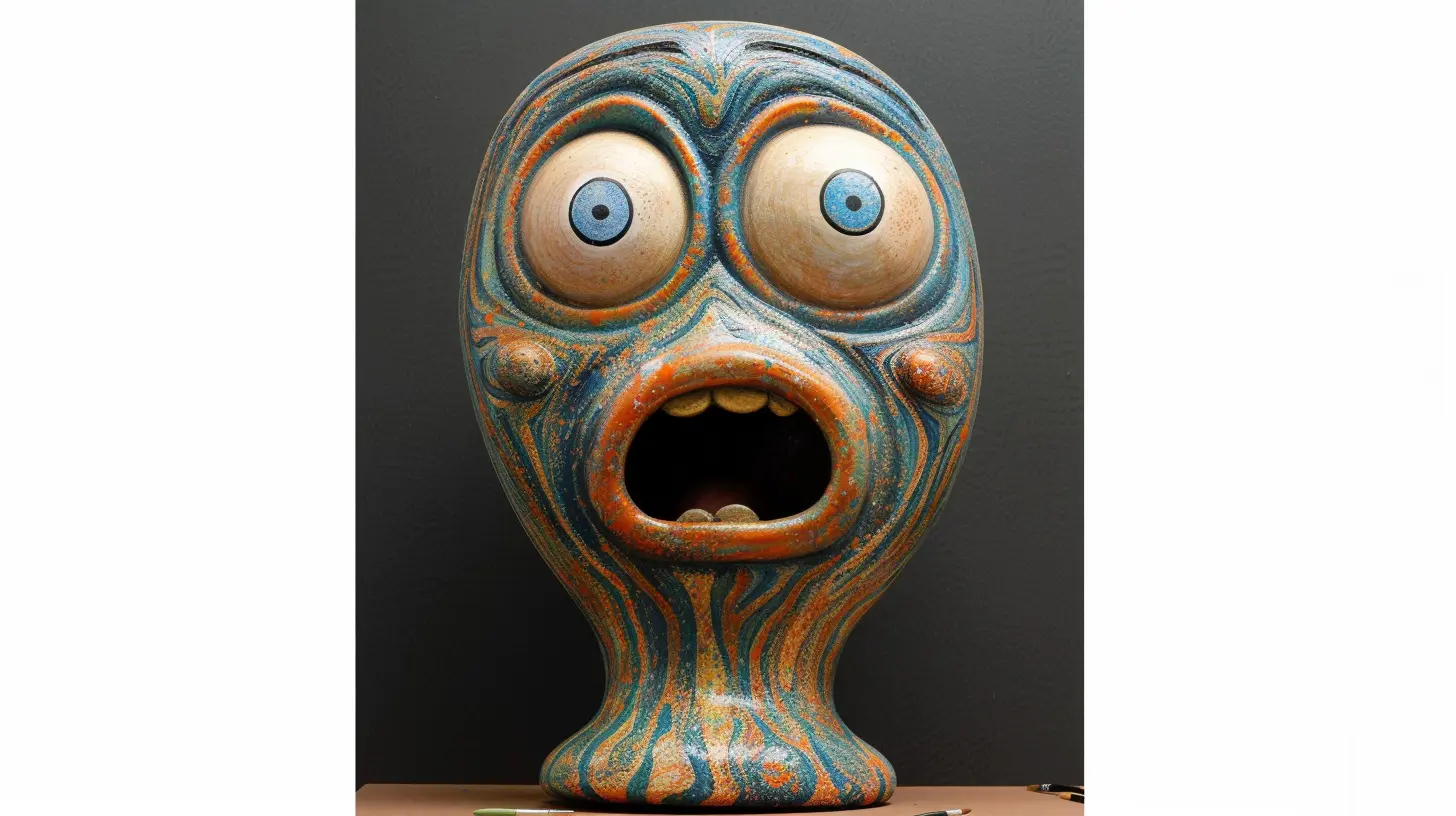
🎨 Why Teach Art Through Masters?
You might be wondering, “Why focus on famous artists?” Well, studying the greats offers students more than just art appreciation. It provides them with a creative toolkit!- Boosts Creativity – Seeing how different artists express emotions and ideas helps students experiment with their own styles.
- Encourages Critical Thinking – Analyzing an artist’s techniques and themes fosters deeper thinking.
- Enhances Cultural Awareness – Art is a reflection of history and culture, allowing students to connect with different time periods and perspectives.
- Develops Fine Motor Skills – Painting, drawing, and sculpting improve precision and coordination.
Now that we’ve got our "why," let’s dive into some awesome artist-inspired projects! 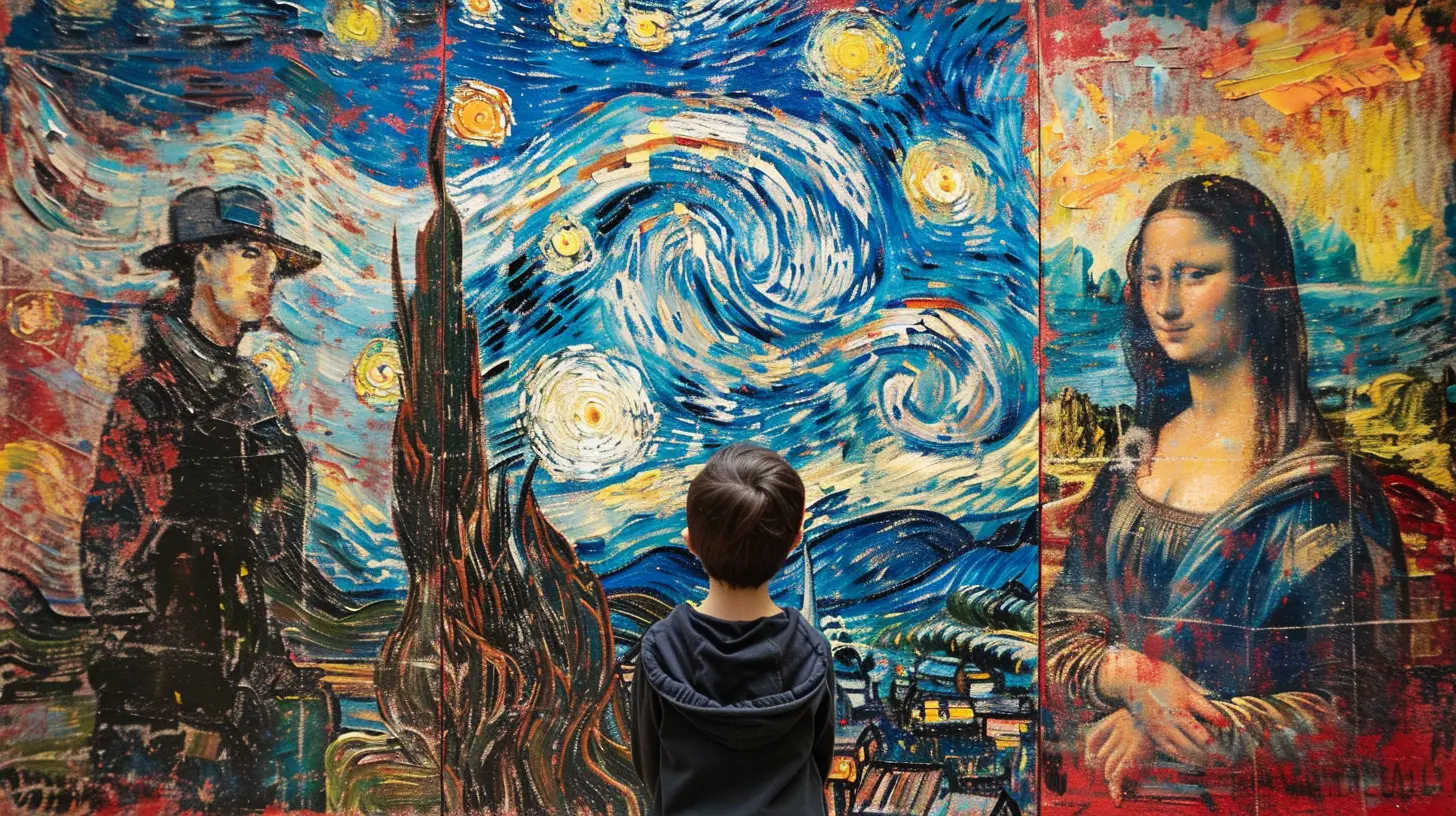
🎭 Vincent van Gogh: Swirling Starry Nights
Project: Starry Night Collage
Van Gogh’s Starry Night is one of the most famous paintings ever. Its swirling sky and bold colors make it perfect for a classroom project!What You’ll Need:
- Black construction paper- Oil pastels or soft chalk
- Cut-out stars and moon (from yellow paper)
- Glue
How to Create It:
1. Start with a black canvas (construction paper).2. Using oil pastels, let students swirl blue, white, and yellow circles to mimic Van Gogh’s sky.
3. Cut out and glue stars and a moon for added texture.
4. Encourage students to add a landscape at the bottom, just like Van Gogh’s village scene.
Why It Works: This project helps students explore movement and texture in art while experimenting with bold, expressive colors. 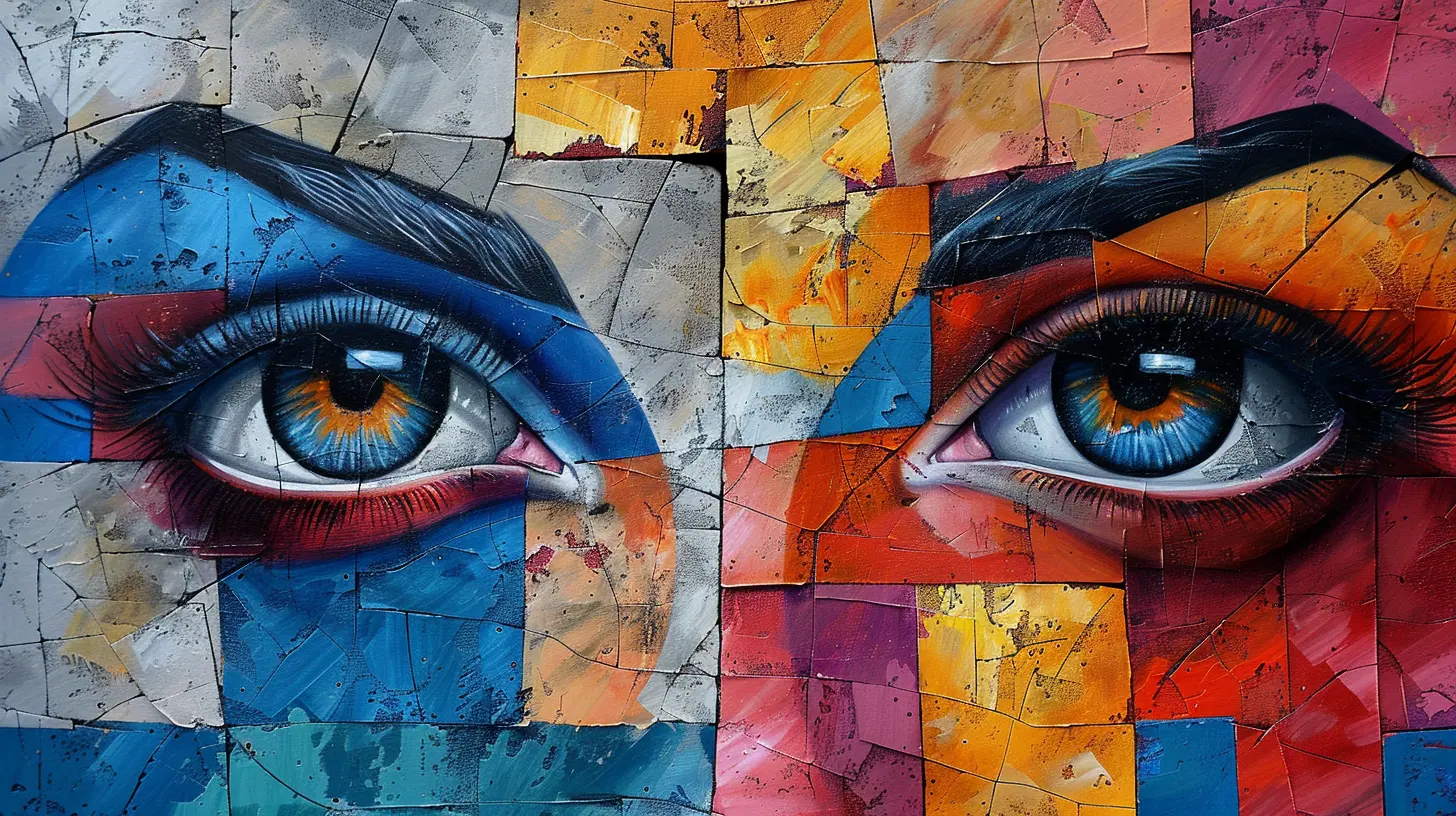
🖌️ Pablo Picasso: Abstract Faces
Project: Cubist Self-Portraits
Picasso's Cubism changed the art world forever. His fragmented, geometric faces are a fun way to teach students about perspective and abstraction.What You’ll Need:
- White drawing paper- Colored paper scraps
- Glue
- Scissors
- Markers
How to Create It:
1. Have students sketch a self-portrait but break it into different angles, similar to Cubism.2. Use colored paper scraps to collage sections of the face.
3. Outline with a black marker for bold definition.
4. Mix warm and cool colors to create contrast.
Why It Works: This hands-on project helps students understand abstract art and encourages them to see the world from different angles—literally! 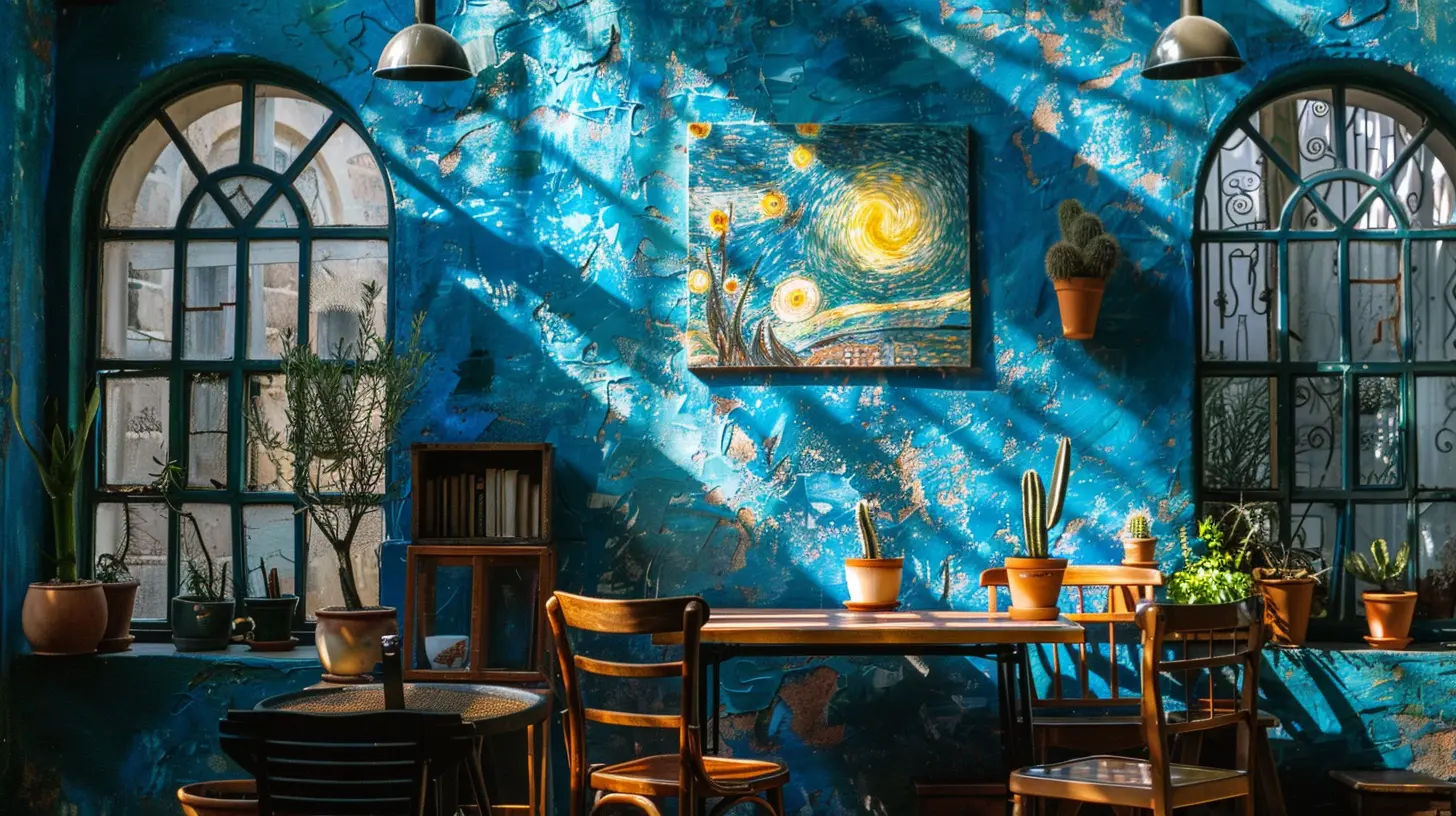
🏜 Georgia O’Keeffe: Zoomed-In Flowers
Project: Oversized Flower Paintings
O’Keeffe was known for her larger-than-life flowers that focused on details. This project teaches students to examine nature closely and paint on a grand scale.What You’ll Need:
- Large sheets of paper- Watercolor or acrylic paints
- Soft brushes
How to Create It:
1. Have students choose a flower (real or from a photo).2. Encourage them to zoom in on a section rather than drawing the whole flower.
3. Using soft brush strokes, paint the details with vibrant colors.
4. Blend colors smoothly like O’Keeffe’s famous technique.
Why It Works: This project sparks observation skills and teaches students about scale and composition while appreciating nature’s beauty.
🎭 Salvador Dalí: Surreal Dreamscapes
Project: Dreamlike Collages
Dalí’s surreal paintings feel like stepping into another world. This project encourages students to unleash their imagination.What You’ll Need:
- Magazines for cutouts- Colored pencils
- Construction paper
- Glue
How to Create It:
1. Ask students to think of a dream or a fantastical world.2. Let them find magazine cutouts that represent bizarre, dreamlike imagery.
3. Arrange and glue the cutouts onto the paper.
4. Add hand-drawn elements to create a seamless surrealist world.
Why It Works: Surrealism teaches students to break artistic rules and embrace creativity without limits.
🏰 Claude Monet: Watercolor Impressions
Project: Impressionist Landscapes
Monet’s impressionist paintings capture light and movement like magic. This project is a great way to introduce students to soft, blended brushwork.What You’ll Need:
- Watercolor paper- Watercolor paints
- Sponges or soft brushes
How to Create It:
1. Show Monet’s famous Water Lilies or Impression, Sunrise paintings.2. Have students pick a simple nature scene.
3. Using a sponge or soft brush, create blended shapes instead of defined lines.
4. Focus on how light and colors interact rather than small details.
Why It Works: This project teaches students how to paint with emotion rather than precision—just like the Impressionists!
🏺 Frida Kahlo: Symbolic Self-Portraits
Project: Nature & Identity Portraits
Kahlo’s self-portraits often included nature and symbolic elements that reflected her emotions.What You’ll Need:
- Drawing paper- Colored pencils or oil pastels
How to Create It:
1. Have students draw a self-portrait but surround it with symbols that represent their personality or culture.2. Use vibrant colors and bold lines.
3. Add flowers, animals, or elements that tell their personal story.
Why It Works: This project encourages self-expression and storytelling through art.
🏠 Bringing Famous Artists to Life in Your Classroom
Teaching art through famous painters isn’t just about copying their work—it’s about understanding their techniques and making them personal. By combining history with hands-on creativity, students not only learn about artistic styles but also develop their voice as young artists.Which of these projects will you try first? The beauty of art is that there’s no right or wrong—just inspiration waiting to happen!
all images in this post were generated using AI tools
Category:
Art EducationAuthor:

Olivia Chapman
Discussion
rate this article
2 comments
April Clayton
Unleash creativity's spark, let brushstrokes dance; through masters’ visions, young minds find their chance.
February 13, 2026 at 1:12 PM
Olivia Chapman
Absolutely! It's all about igniting imagination and making art come alive in the classroom. Great observation!
Caitlin Barlow
Great article! The suggested projects provide an excellent way for students to connect with art history. Consider incorporating digital tools for a modern twist, allowing for creative expression while exploring the techniques of these masters.
January 26, 2026 at 4:14 AM
Olivia Chapman
Thank you! I appreciate your feedback and will definitely consider integrating digital tools to enhance creative expression in future projects.