Fostering Cross-Cultural Communication in Classrooms
2 March 2026
In today’s increasingly globalized world, classrooms are becoming more diverse than ever before. Students from different cultural backgrounds bring a variety of perspectives, traditions, and languages into the learning environment. While this diversity can greatly enrich the educational experience, it can also pose challenges, especially when it comes to communication and understanding.
So, how do we bridge the gap? How do we ensure that every student feels heard, respected, and included, regardless of where they come from? The answer lies in fostering cross-cultural communication within the classroom. But it’s more than just about language—it's about creating a space where every student’s culture is acknowledged and valued.
In this article, we'll dive deep into why cross-cultural communication in classrooms is essential, the challenges that may arise, and actionable strategies teachers can implement to foster a more inclusive learning environment.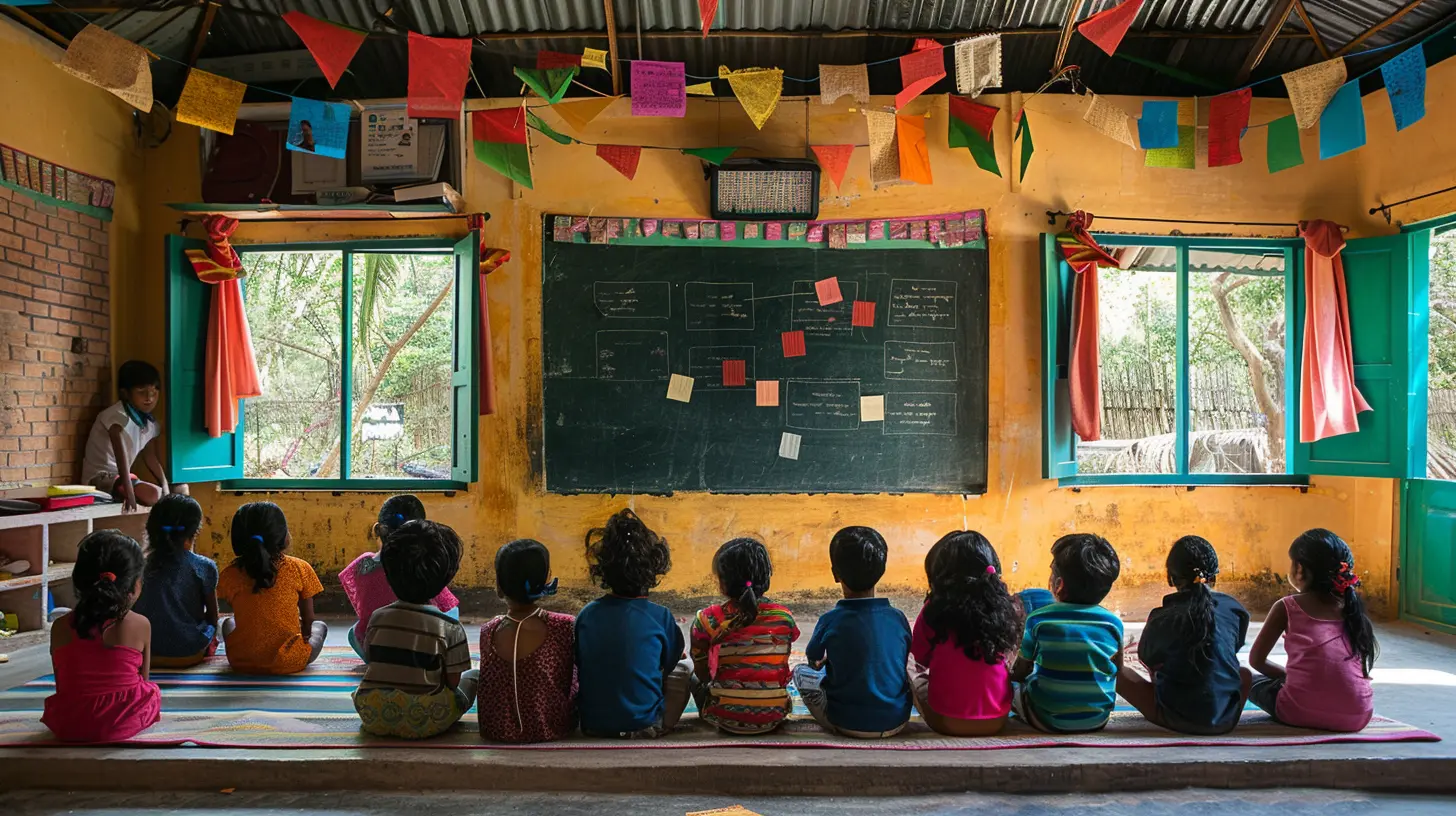
Why Cross-Cultural Communication Matters in Classrooms
Imagine walking into a room where no one speaks your language, understands your customs, or even knows how to pronounce your name. It can feel isolating, right? For many students from diverse cultural backgrounds, this is a daily reality. But classrooms should be safe spaces where every student feels accepted and heard. That’s why fostering cross-cultural communication is so crucial.Here’s the key: Effective communication isn’t just about speaking the same language; it’s about understanding each other’s experiences and perspectives. When students can communicate openly and effectively across cultural barriers, it leads to:
- Increased empathy: When students understand different cultural experiences, they become more empathetic and open-minded.
- Enhanced learning: Exposure to multiple perspectives enriches learning, making discussions more vibrant and thoughtful.
- Better collaboration: When students communicate effectively despite cultural differences, they work better together on group projects and activities.
- Reduced conflict: Misunderstandings stemming from cultural differences can be avoided, leading to a more harmonious classroom environment.
So, fostering cross-cultural communication isn’t just a “nice to have”—it’s a necessity in today’s diverse classrooms.
The Challenges of Cross-Cultural Communication
While the benefits are clear, the road to fostering cross-cultural communication isn’t without its challenges. Understanding these obstacles is the first step in overcoming them.1. Language Barriers
Let’s be real—language is often the most obvious hurdle. Students who aren’t fluent in the dominant language of instruction may struggle to comprehend lessons, participate in discussions, or even ask for help. This can lead to frustration, disengagement, and even isolation. And it’s not just about vocabulary; cultural nuances in language, such as idioms or slang, can also cause confusion.2. Non-Verbal Misunderstandings
Did you know that body language, gestures, and facial expressions can mean different things in different cultures? A simple hand gesture that is friendly in one culture might be offensive in another. Non-verbal communication plays a big role in how we interact, and misunderstandings can arise when cultural differences aren’t understood.3. Cultural Norms and Expectations
Every culture has its own set of norms and expectations regarding behavior, authority, and education. For example, in some cultures, questioning a teacher might be seen as disrespectful, while in others, it’s encouraged as a sign of engagement. These differences can create friction if students or teachers aren’t aware of them.4. Stereotypes and Bias
We all carry unconscious biases, and sometimes these can manifest in the classroom. Stereotyping students based on their cultural background can limit their potential and create an environment of exclusion. For instance, assuming that a student from a particular background will excel in math or struggle with language due to stereotypes can hinder their growth.5. Fear of Offending
Sometimes, students (or even teachers) may hold back from engaging with someone from a different culture out of fear of saying the wrong thing. This fear can stifle communication and prevent meaningful connections from forming.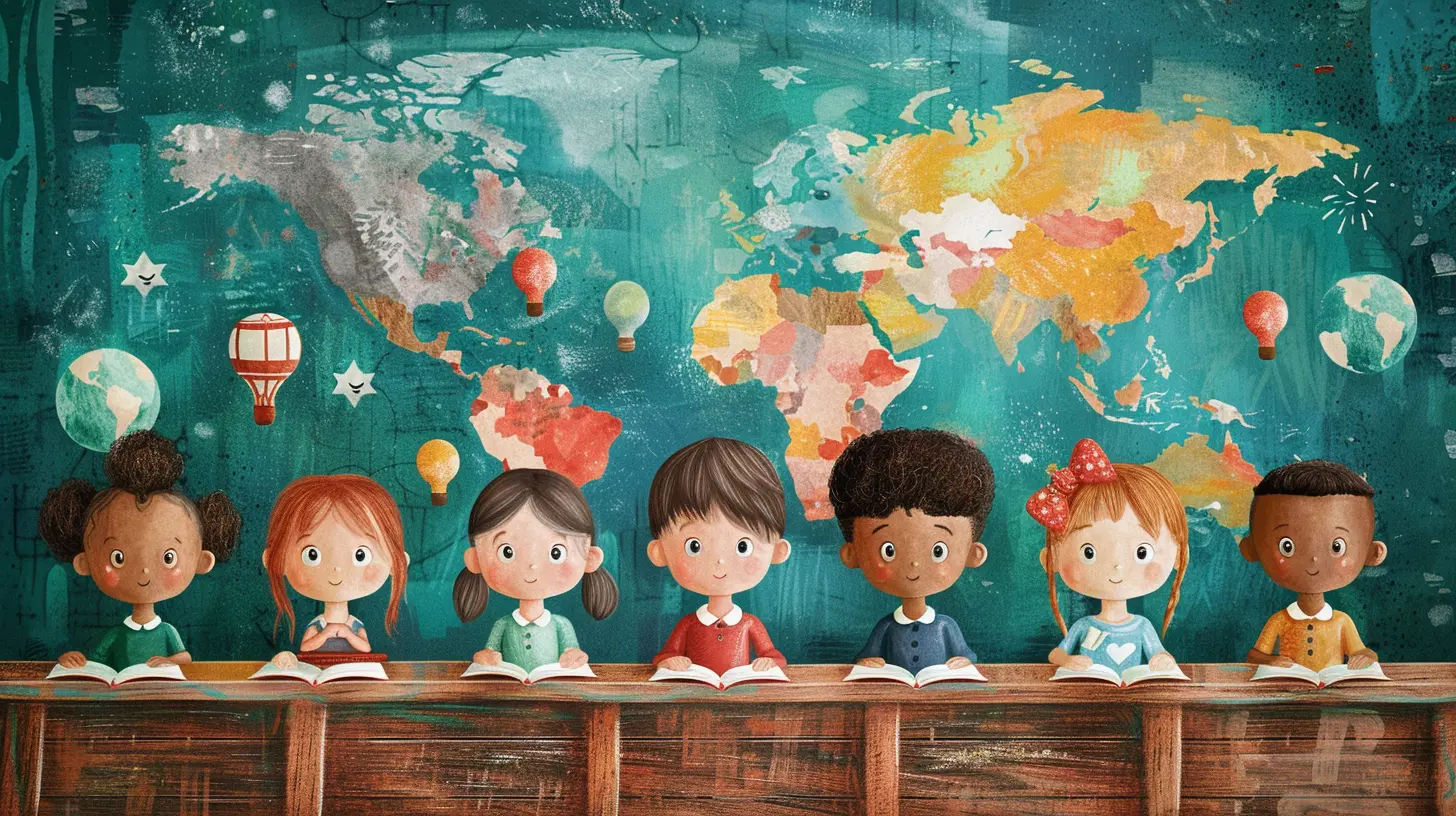
Strategies to Foster Cross-Cultural Communication in Classrooms
Now that we’ve covered the challenges, let’s talk solutions. How can educators create an environment where cross-cultural communication thrives? Here are some practical strategies to implement:1. Create a Culturally Inclusive Curriculum
One of the best ways to foster cross-cultural communication is to ensure that the curriculum reflects the diversity of the classroom. Incorporate literature, history, and examples from various cultures. When students see their own cultures represented in the content, it helps them feel more included—and it also exposes other students to new perspectives.For example, if you’re teaching a history lesson, don’t just focus on Western history. Include stories and contributions from other parts of the world. If you’re teaching literature, select books by authors from diverse cultural backgrounds. This not only fosters cross-cultural understanding but also makes learning more engaging.
2. Encourage Open Discussions
Classrooms should be a space where students feel safe to share their thoughts and experiences. Encourage open discussions about culture, diversity, and inclusion. You could set aside time for students to talk about their own cultural backgrounds or share stories that highlight their unique experiences.Create structured activities like cultural show-and-tell or debate teams where students can engage with different perspectives. This type of interaction promotes empathy and helps students develop strong communication skills.
3. Use Multimodal Teaching Methods
Since language barriers can be a challenge, using multiple forms of communication can make a big difference. Instead of relying solely on verbal instructions, incorporate visual aids, videos, and hands-on activities. This ensures that students who may struggle with the language still have ways to engage with the material.For instance, when presenting a new lesson, you could use images, diagrams, or even role-playing activities to help students grasp the concepts. This not only aids comprehension but also makes learning more dynamic and fun.
4. Celebrate Cultural Diversity
Make it a point to celebrate the diverse cultures in your classroom. This could be through cultural days, potluck lunches, or themed lessons where students get to share their traditions and customs with others. By celebrating diversity, you create a sense of belonging and pride among students.A fun idea could be to host an International Day, where students dress in traditional attire, bring food from their culture, and share stories about their heritage. This not only fosters cross-cultural communication but also makes learning a lot more fun and interactive.
5. Set Clear Classroom Norms
It’s essential to create a classroom environment where respect and empathy are non-negotiable. From day one, set clear norms and expectations regarding how students should communicate with each other. Make it clear that cultural differences are to be celebrated, not ridiculed.Encourage students to actively listen when others speak, ask questions respectfully, and refrain from making assumptions based on cultural backgrounds. By setting these expectations early, you set the tone for a classroom rooted in mutual respect.
6. Leverage Technology
Technology can be a fantastic tool for fostering cross-cultural communication. There are countless apps and platforms that can help break down language barriers, such as translation apps or tools that provide subtitles during presentations. You could even connect with classrooms in other parts of the world through virtual exchanges or pen-pal programs.For instance, students could participate in a live video chat with a classroom from another country to discuss a shared topic. This type of interaction not only improves language skills but also fosters a deeper understanding of different cultures.
7. Train Teachers in Cultural Competency
At the end of the day, teachers are the ones guiding the classroom environment. That’s why it’s essential for educators to undergo training in cultural competency. This training can help teachers become more aware of their own biases, understand the cultural backgrounds of their students, and learn how to handle cross-cultural conflicts when they arise.Cultural competency training equips teachers with the skills they need to create a truly inclusive classroom where every student feels valued.
The Role of Parents in Cross-Cultural Communication
Parents play a vital role in fostering cross-cultural communication as well. By encouraging parents to be involved in classroom activities, you can create a bridge between the home and school environments. This not only helps students feel more connected but also exposes other students to different cultures and traditions.Encourage parents to participate in cultural events, parent-teacher meetings, and even share their own stories or traditions with the class. When the entire community is involved, the classroom becomes a more vibrant and inclusive space.
Conclusion
Fostering cross-cultural communication in classrooms is about more than just overcoming language barriers—it’s about creating an inclusive environment where every student feels valued and understood. By acknowledging and celebrating cultural differences, encouraging open discussions, and implementing inclusive teaching strategies, teachers can create a classroom atmosphere that promotes empathy, collaboration, and mutual respect.While challenges will always exist, the rewards of fostering a culturally inclusive classroom are immense. Students who learn to communicate across cultures will be better prepared to thrive in an increasingly globalized world—and isn’t that one of the ultimate goals of education?
all images in this post were generated using AI tools
Category:
Cultural AwarenessAuthor:

Olivia Chapman
Discussion
rate this article
2 comments
Caleb Jackson
This article offers valuable insights on enhancing cross-cultural communication in classrooms, promoting inclusivity and understanding. Implementing these strategies can significantly enrich the learning environment for all students.
March 15, 2026 at 7:46 PM
Olivia Chapman
Thank you for your thoughtful comment! I'm glad you found the insights valuable for enhancing inclusivity and understanding in classrooms.
Kira Reese
This article highlights the importance of cross-cultural communication in classrooms, emphasizing its benefits for inclusivity, collaboration, and enriched learning experiences for all students.
March 10, 2026 at 4:03 AM
Olivia Chapman
Thank you for your insightful comment! I'm glad you found the article's focus on cross-cultural communication's benefits for inclusivity and collaboration valuable.