Gamification as a Driver for Future-Proof Skills
7 November 2026
In an era where traditional education methods face scrutiny for their effectiveness in preparing students for a rapidly changing workforce, gamification has emerged as a promising strategy. It combines the elements of game design with educational practices to engage students, enhance learning experiences, and cultivate essential skills for the future. This article delves into what gamification entails, why it is effective, and how it can shape future-proof skills necessary for success in a dynamic world.

Understanding Gamification
What is Gamification?
At its core, gamification involves applying game-like elements in non-game contexts to motivate and enhance user engagement. This can include points, badges, leaderboards, challenges, and rewards. In education, gamification transforms the learning process into an interactive experience that mirrors the engagement found in games.The Psychology Behind Gamification
The effectiveness of gamification stems from solid psychological principles. The desire for achievement, social interaction, and competition drives individuals to engage more deeply. Techniques such as positive reinforcement and intrinsic motivation can enhance learning outcomes by making the process enjoyable and rewarding.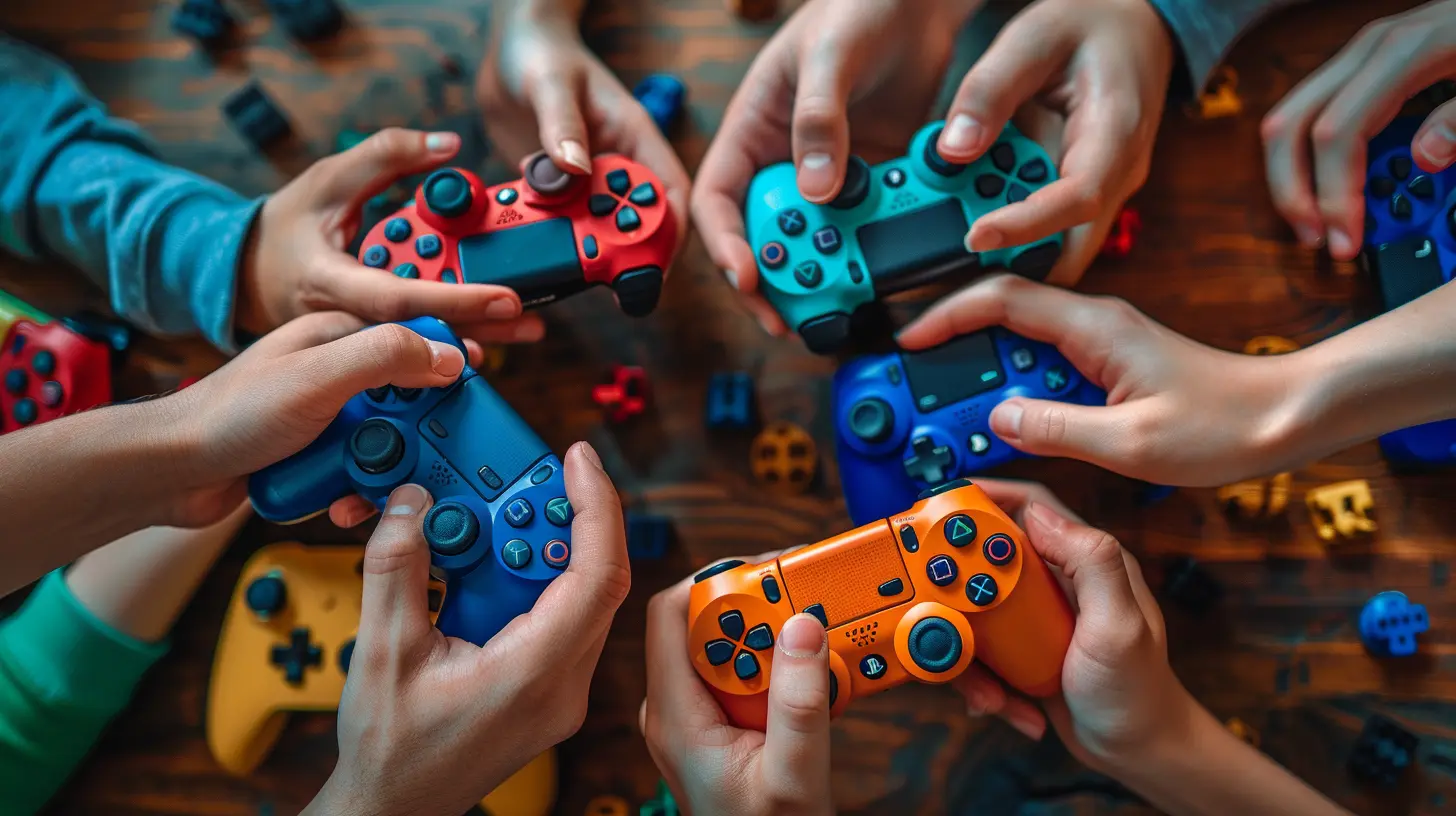
Why Gamification Works
Increased Engagement and Motivation
One of the standout benefits of gamification is its ability to increase student engagement. Traditional teaching methods often struggle to keep students' attention, especially in the digital age where distractions abound. Gamification meets learners where they are, utilizing compelling narratives and interactive elements to captivate their interest.For example, educational platforms like Kahoot use quizzes that allow students to compete against one another in real-time, turning assessment into an engaging game rather than a stressful test.
Development of Critical Skills
Gamification is not just about making learning fun; it is a strategic approach to developing critical skills. Skills such as problem-solving, collaboration, and adaptability are often integrated into gamified learning environments.Consider a simulation-based game where students must work together to solve real-world problems, such as environmental sustainability challenges. This fosters teamwork and critical thinking, essential skills in any future career.
Immediate Feedback and Iteration
Another advantage of gamification is the provision of immediate feedback. In a gamified environment, students can receive instant results on their performance, allowing them to identify areas for improvement right away. Unlike traditional assessments, where feedback may come days or weeks later, gamification promotes continuous learning through iterative practice.
Real-World Examples of Gamification in Education
Classcraft: A Role-Playing Game for the Classroom
Classcraft turns the classroom into a role-playing game where students create characters and embark on quests for knowledge. The platform incorporates elements like team collaboration and individual challenges, allowing students to earn points for positive behavior and academic success. In doing so, it encourages a growth mindset and a sense of responsibility towards their learning and that of their peers.Duolingo: Language Learning Through Games
Duolingo has revolutionized language learning by incorporating gamified elements such as streaks, rewards, and levels. Users engage in bite-sized lessons that feel like games, making the process enjoyable and less intimidating. The app has proven effective in maintaining learner motivation over time, showcasing how gamification can enhance language acquisition.
Essential Skills for the Future
Critical Thinking and Problem Solving
As automation and artificial intelligence reshape the job landscape, critical thinking and problem-solving skills have become paramount. Gamified learning environments that challenge students to think critically about scenarios prepare them for real-life situations they will face in their careers.Collaboration and Communication
The modern workplace values collaboration more than ever. Gamified activities that require group work can cultivate interpersonal skills, teaching individuals how to communicate effectively and work as a team. For instance, designing a group project around a gamified platform can help students practice these skills in a low-stakes environment.Digital Literacy
With the increasing reliance on technology, digital literacy is crucial. Gamification often involves using various digital tools and platforms, helping students become proficient with technology. This familiarity not only prepares them for future careers but also equips them to navigate the digital landscape effectively.Best Practices for Implementing Gamification
Start Small and Scale Gradually
When introducing gamification in educational settings, it's wise to start with small projects or activities. Experiment with simple elements like points or badges before incorporating more complex systems. This allows educators to gauge student reactions and adjust accordingly.Align Gamification with Learning Objectives
Gamification should align with educational goals rather than exist as a standalone component. Educators must ensure that game elements serve a purpose in the learning process. For instance, if the objective is to enhance reading comprehension, gamified quizzes should directly assess that skill.Foster a Supportive Environment
Creating a safe space where students feel comfortable taking risks is essential for effective gamification. They should understand that failure is part of the learning journey. Encourage a culture of support where students celebrate each other's successes and learn from setbacks.
Common Mistakes to Avoid
Overemphasis on Competition
While competition can drive engagement, too much focus on winning can create anxiety and undermine collaboration. Strive for a balance that encourages healthy competition while also highlighting the importance of teamwork and shared goals.Neglecting Individual Learning Styles
Not all students respond to gamification equally. Some may thrive in competitive environments, while others may find it intimidating. It is crucial to consider diverse learning styles when designing gamified experiences. Providing various pathways for achievement can ensure that all students find value.Failing to Measure Outcomes
Implementing gamification without assessing its impact is a missed opportunity. Regularly evaluate the effectiveness of gamified elements on student engagement and learning outcomes. This data can inform future improvements and iterations.The Trade-offs of Gamification
Benefits vs. Drawbacks
While gamification offers numerous advantages, it is essential to acknowledge potential drawbacks. For instance, it may require significant upfront investment in terms of time and resources to design effective gamified experiences. not all subjects lend themselves to gamification equally.Educators must weigh these trade-offs carefully. In some situations, traditional methods may still be more effective, especially in conveying complex concepts that require deep understanding rather than superficial engagement.
When to Use Gamification
Gamification can be a powerful tool in many contexts, but it is not a one-size-fits-all solution. Ideal scenarios for its application include:- Engaging students in challenging subjects that may otherwise feel tedious or intimidating.
- Fostering collaborative learning where teamwork significantly enhances the educational experience.
- Encouraging practice and repetition in skills that benefit from iterative learning, such as math or languages.
Conversely, it may be less effective in situations where deep analytical thinking or critical discussion is required.
Conclusion
Gamification stands as a dynamic approach to education, effectively engaging students while cultivating essential future-proof skills. By thoughtfully integrating gamified elements into learning environments, educators can create experiences that are not only enjoyable but also transformative. The key lies in understanding the unique needs of students, aligning gamification with learning objectives, and regularly assessing its impact.As we continue to navigate a rapidly changing world, equipping students with skills such as critical thinking, collaboration, and digital literacy will be vital. Gamification offers a promising pathway toward achieving these goals, ensuring that learners are prepared to thrive in an uncertain future.
all images in this post were generated using AI tools
Category:
21st Century SkillsAuthor:

Olivia Chapman