Gamification in Curriculum Design: Keeping Learners Engaged
18 March 2026
Let’s face it—traditional education can sometimes be as exciting as watching paint dry. Remember those monotone lectures, endless worksheets, and PowerPoint slides that could put even an over-caffeinated squirrel to sleep? Yeah… not exactly engaging.
But what if learning felt more like playing your favorite video game? What if students leveled up instead of zoning out, earned badges instead of yawns, and competed on leaderboards instead of silently suffering through pop quizzes?
Welcome to the wonderful world of gamification in curriculum design—where education and gaming join forces for the ultimate learning power-up. 🎮📚
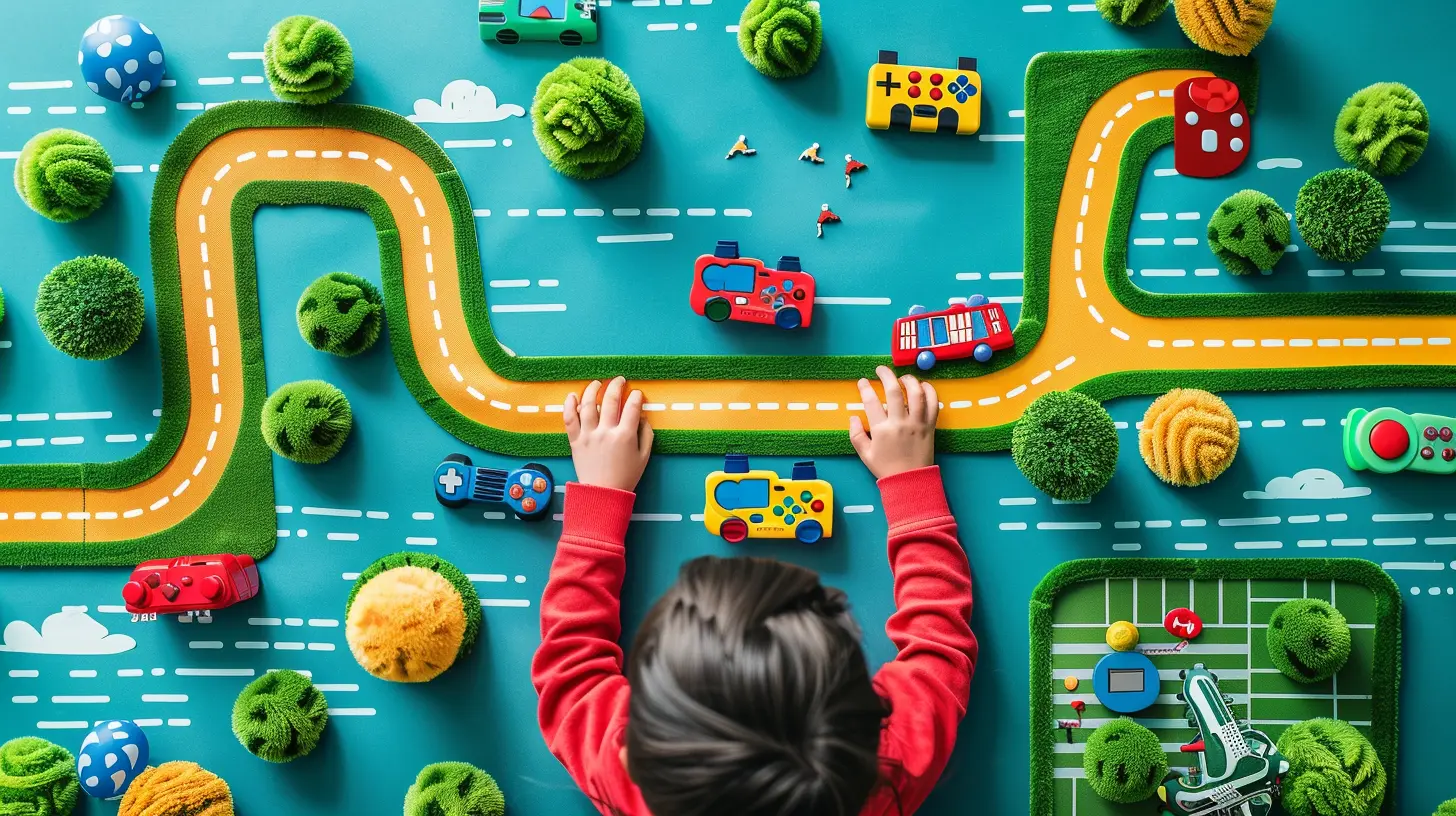
What the Heck is Gamification, Anyway?
Before we dive into the fun stuff, let's decode the buzzword. Gamification isn't turning your entire course into a video game. (Although, how cool would that be?) It's about using game-like elements in non-game settings—like classrooms—to boost motivation, increase participation, and make learning less “meh” and more “heck yes!”We’re talking points, badges, challenges, storylines, avatars, quests, and even boss battles (minus the scary dragons... unless you’re into that).
Imagine this: Instead of a boring quiz, students go on a “quest” to defeat the "Grammar Goblin," collecting magical punctuation marks along the way. Sounds fun, right?

Why Bother With Gamification in Education?
You might ask, “Isn't this just fancy fluff?” Not really. Think of gamification as broccoli covered in cheese. The nutrients (a.k.a. educational content) are still there, but now they're wrapped in something deliciously appealing.Here’s why educators are enthusiastically jumping on the gamification bandwagon:
1. Keeps Learners Hooked Like It's Candy Crush
Gamification taps into what psychologists call intrinsic motivation. That’s the "I’m doing this because it’s fun" kind of motivation—not the "I’m doing this because I’ll get grounded if I don’t."By incorporating elements like rewards, levels, and competition, students stay engaged and keep coming back for more. Just like people can’t stop playing mobile games (I'm looking at you, midnight Sudoku players), learners stay hooked.
2. Instant Feedback Feels Oh-So-Good
Let’s be real. Waiting a week to find out how you did on an assignment is a buzzkill. Games, on the other hand, give you instant feedback. You know immediately if you’re winning, failing, or need to go back and try again.Gamified learning mimics this by providing real-time feedback, helping students reflect, re-learn, and improve on the spot.
3. Failure Becomes Fabulous
In traditional learning, failure often feels like the end of the world. In games? It's just part of the process. You die, you respawn. You mess up, you try again. No judgment.Gamification normalizes failure and turns it into a valuable learning experience. Now that’s a mindset shift we can all cheer for!
4. Encourages Progress Over Perfection
Instead of focusing only on the final grade, gamification emphasizes progress and mastery. Students earn points for effort, achievements for small wins, and badges for milestones. It’s like a report card doing a cartwheel—way more fun and encouraging!
Let's Get Practical: How to Gamify Your Curriculum (Without Losing Your Mind)
Okay, so you’re jazzed about throwing in some game elements into your lessons—but where do you even start? Don’t panic. You don’t need to be a game developer or own a PS5. You just need some creativity (and maybe a few sticky notes).1. Set “Game Goals” Instead of Learning Objectives
Traditional Goal: “Students will understand the causes of World War I.”Gamified Goal: “Students must complete a mission to prevent the outbreak of the Great War by uncovering hidden clues and negotiating peace treaties between nations.”
See what we did there? Same objective, better packaging.
2. Create a Backstory or Theme
People love stories. That’s why every good game has a plotline, even if it’s just rescuing a princess or surviving a zombie apocalypse. You can do the same in your curriculum!Turn your classroom into:
- A pirate ship looking for treasure (math problems)
- A science lab investigating a virus outbreak (hello, bio!)
- A space station studying alien civilizations (social studies, anyone?)
A good story gives context and a sense of adventure. Suddenly, students aren’t doing homework—they’re saving the world.
3. Introduce Points, Badges, and Leaderboards
This is gamification’s bread and butter. Keep it simple:- Points: Earned for completing tasks, participating, helping others
- Badges: Awarded for achievements like “Most Creative Thinker” or “Grammar Ninja”
- Leaderboards: Add a touch of friendly competition (but keep it optional—no need to shame the shy folks)
You can track all this using apps like Classcraft, Kahoot, or just good ol’ spreadsheets. No cape required. 🦸
4. Add Levels and Unlockable Content
Leveling up isn’t just for gamers—it’s for learners too! Break your course into “levels” (modules or units), and let students unlock content as they progress. This keeps things mysterious and magical.Want bonus points? Include side quests. Optional challenges with extra rewards. Like writing a haiku about mitochondria. (Because why not?)
5. Gamify Assessments
Who says tests have to be boring? Spice them up with:- Escape rooms: Solve puzzles to “escape” the exam
- Boss battles: Answer challenging questions to defeat the villain
- Collaborative challenges: Team up to crack problems (like a digital Marvel squad)
Assessments don’t have to suck. They can be just another level in the game of learning.

Wait—Doesn’t This All Sound a Little... Distracting?
Totally fair question. Critics of gamification often argue that it prioritizes fun over substance. But here’s the thing: fun and learning are not mutually exclusive.Think about it: when learners are engaged, they retain more information. When they're motivated, they work harder. When they feel in control, they take ownership—and that’s when real learning happens.
Of course, the key is balance. Don't gamify everything, or it’ll lose its charm faster than a lost Mario mushroom. Use it strategically to enhance—not replace—solid teaching.
Real-Life Examples That Prove Gamification Isn’t Just Hype
You didn’t think we’d leave you hanging without some real-life success stories, right?“World Peace Game” – John Hunter
John Hunter, a 4th-grade teacher, created a massive geopolitical simulation called the "World Peace Game," where students take on roles in global governments. It's like Risk and the United Nations had a baby. Kids love it. They learn negotiation, critical thinking, and diplomacy without even realizing it.Duolingo – Language Learning Level: Beast Mode
Millions use Duolingo, and with good reason. It’s gamification on steroids: streaks, hearts, XP points, and goofy owl reminders that guilt-trip you daily. But hey—it works.Classcraft – The RPG for Classrooms
This platform lets teachers manage their class as a role-playing game. Students get avatars, join teams, earn XP for good behavior, and lose HP when they're off-task. Suddenly, classroom management feels like a Dungeons & Dragons campaign.Boom. Engagement.
Common Pitfalls to Avoid (A.K.A. “How Not to Gamify”)
Yes, gamification is awesome, but it’s not magic fairy dust. Done wrong, it can flop harder than a dad joke at a teenager convention. Here’s what to watch out for:1. Over-Gamifying
Too many bells and whistles can make learning chaotic. Don’t turn every lesson into a game show. Use gamification elements to enhance, not overwhelm.2. Ignoring the Learning Goals
Cool graphics and XP points mean nothing if the content is weak. Make sure every game element aligns with actual learning objectives.3. Making It All About Competition
A little friendly competition can be motivating. But too much? That can discourage learners who aren’t at the top of the leaderboard. Include cooperative elements too!4. Forgetting Students Are People, Not Players
Real talk—some students just don’t like games. That’s okay. Make sure your gamified classroom still has options for those who’d rather work solo or aren’t motivated by points and prizes.The Future of Fun Learning
So, what’s next for gamification in curriculum design?With AR/VR tools, AI tutors, and next-level ed-tech platforms, things are only getting more exciting. Imagine stepping into your history lesson with VR, or having AI generate personalized quests based on your unique learning style. The possibilities are wilder than a Pokémon Go hunt in a shopping mall.
Gamification isn’t just a trend—it’s a movement. One that meets learners where they are, speaks their language, and makes education feel like an adventure instead of a chore.
Final Thoughts (And Maybe a Treasure Chest of Wisdom)
Gamification in curriculum design isn’t about dumbing down school. It’s about smartening up the way we deliver content. It brings joy, agency, and excitement into a space that desperately needs it. And honestly? If it gets even one more student to say, "Hey, that was kinda fun!" after class—mission accomplished.So next time you’re crafting your curriculum, ask yourself—how can I make this feel like a game worth playing?
Because when learning feels like play, everyone wins.
all images in this post were generated using AI tools
Category:
Curriculum DesignAuthor:

Olivia Chapman
Discussion
rate this article
2 comments
Piper Barlow
Great insights on gamification! Incorporating elements like rewards and challenges can truly enhance learner engagement. It might be helpful to share specific examples or case studies highlighting successful implementations, as they can inspire educators looking to adopt these strategies in their own curriculums.
March 21, 2026 at 7:21 PM
Olivia Chapman
Thank you for your feedback! I appreciate your suggestion and will consider including specific examples and case studies in future discussions on gamification in curriculum design.
Iliana Good
Gamification transforms learning into an exciting adventure! By incorporating game elements into curriculum design, we can ignite passion and curiosity in students, fostering deeper engagement and a love for learning. Let's inspire creativity and motivation in every classroom!
March 21, 2026 at 3:58 AM
Olivia Chapman
Thank you for your insights! I completely agree—gamification truly enhances learning by making it interactive and enjoyable, helping to inspire students and cultivate a passion for knowledge.