Gamification: Turning Learning into an Engaging Experience
2 February 2026
Let’s be honest—traditional learning can sometimes feel like a chore. The same old textbooks, lectures, and tests can make even the most interesting subjects seem dull. But what if learning didn’t feel like learning? What if it felt more like playing a game—something you actually look forward to? That’s exactly where gamification comes in.
Gamification is not just a buzzword; it’s redefining how we think about education. By adding game-like elements to the learning process, we can motivate students, foster curiosity, and make education way more exciting.
In this article, we’re diving deep into the world of gamification in education. We'll break down what it is, why it works, how it’s being used in real classrooms, and how you can bring it into your own learning (or teaching) journey.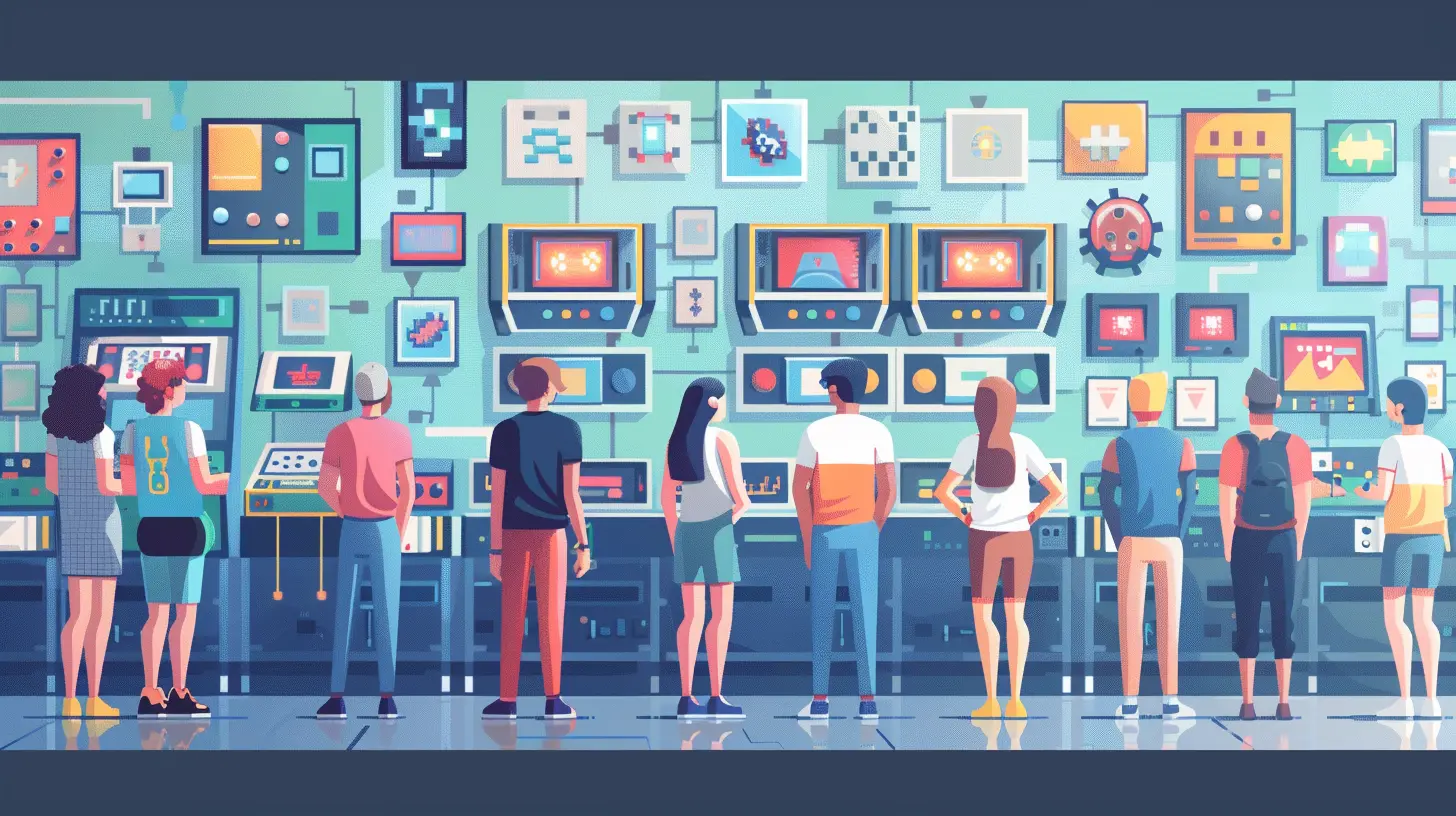
What Is Gamification in Learning?
At its core, gamification is all about applying game mechanics—like points, challenges, badges, levels, and leaderboards—to non-game settings. In the context of education, that means turning parts of the learning experience into something interactive and fun.Think about apps like Duolingo, Kahoot!, or Quizizz. They make learning feel like a game. You get rewards for completing lessons, compete with others for high scores, and unlock achievements along the way. And you know what? It works. Suddenly, vocabulary quizzes and math drills aren’t so boring anymore.
Why Does Gamification Work?
You might be wondering, “Okay, sounds cool—but does it actually help people learn better?”Short answer: Yes, it does—and here’s why.
1. It Taps Into Intrinsic Motivation
People love to achieve things. Whether it’s earning stars, leveling up, or just seeing your name on the leaderboard, those small wins can give us a big boost in motivation. Gamification takes advantage of that natural human drive by creating a sense of progress and achievement.2. It Makes Learning Active
Passive learning (think listening to lectures or reading a textbook) doesn’t always cut it. Gamification encourages active participation. Students don’t just consume information—they engage with it, apply it, and even teach it to others in some cases.3. It Encourages Healthy Competition
A little friendly competition can make learning more exciting. When students race to answer questions or complete assignments faster, they’re not only having fun—they’re reinforcing what they’ve learned in real-time.4. It Provides Instant Feedback
You know how games tell you right away if you’ve made a mistake? That’s valuable. Gamified systems do the same, allowing learners to understand what they got right or wrong in the moment and adjust their approach immediately.
Real-Life Examples of Gamification in Education
Let’s take a look at how schools, educators, and even companies are using gamification to seriously level up education.Duolingo
Probably one of the most well-known examples, Duolingo uses points, streaks, XP, and daily challenges to keep users coming back to learn new languages. The streak system alone keeps millions of users engaged for hundreds of days in a row!Kahoot!
With this game-based classroom response system, teachers can turn quizzes into fast-paced competitions. Students respond in real-time using their phones or devices, keeping them actively engaged—and slightly addicted—in a good way.Classcraft
Classcraft transforms classroom behavior and academic tasks into a role-playing game. Students create avatars, go on quests, and work in teams to earn points. It’s like “World of Warcraft” meets your high school science class.Minecraft: Education Edition
This isn’t just building pixelated worlds—it’s serious education wrapped in creative exploration. Teachers use Minecraft to teach everything from history to biology, allowing students to build models, solve problems, and work on collaborative projects.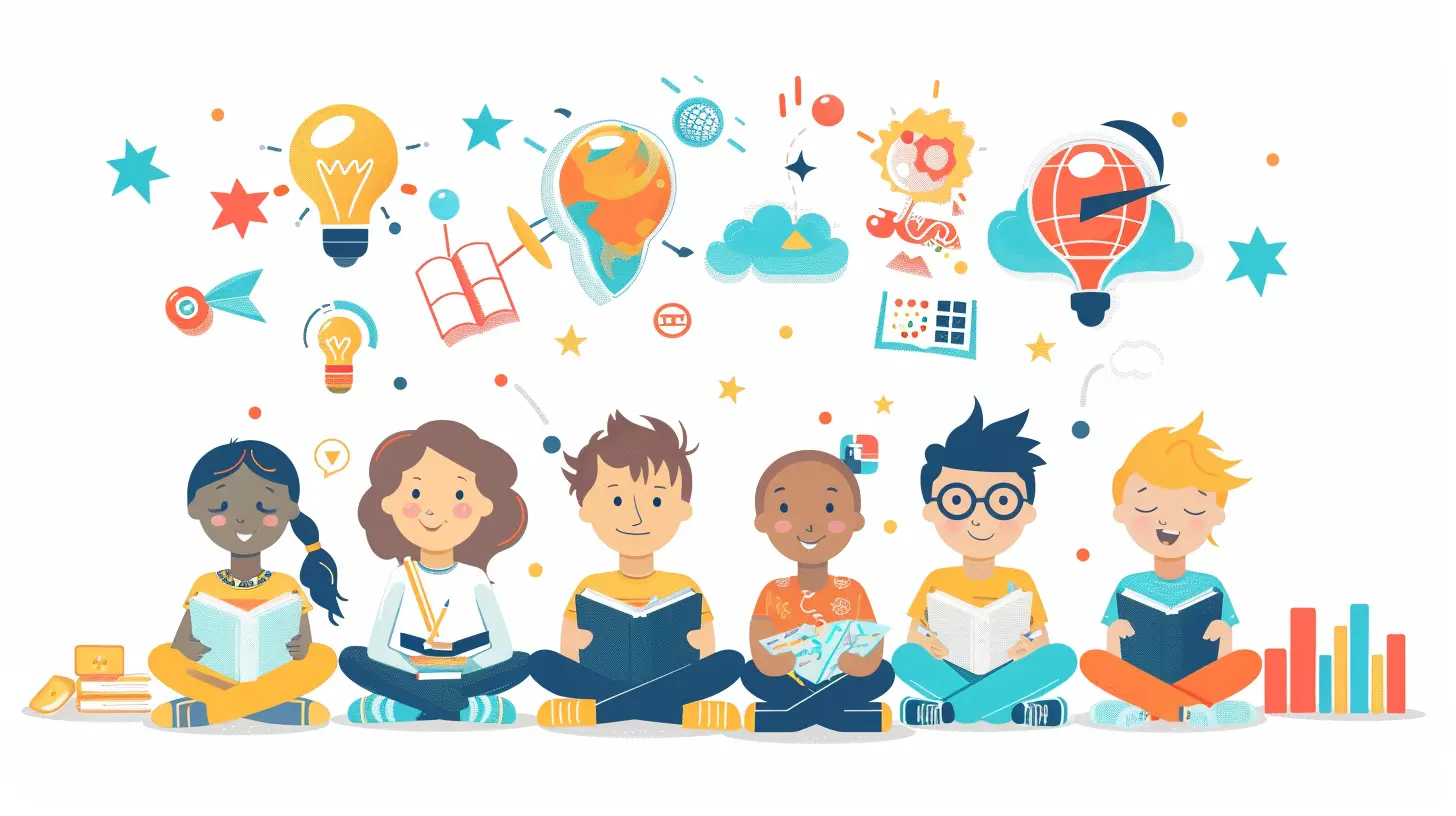
The Key Elements of Successful Gamification
Gamification isn’t about slapping a leaderboard onto a lesson and calling it a day. To be effective, it needs to be thoughtfully designed. Here are some core elements that make gamified learning work:Points & Progress Tracking
Just like fitness apps track your steps and calories, gamified learning apps track your progress. Seeing your score go up or watching and moving to the next level gives a tangible sense of accomplishment.Badges & Rewards
Whether it's a gold star or a trophy icon, earning rewards feels good. Badges serve as visual proof of what you've accomplished—and they push learners to unlock more.Levels & Challenges
Levels break big learning goals into digestible chunks. You beat level one, move to level two, and bam—you’re mastering complex topics without realizing it.Leaderboards
Competition isn’t for everyone, but for many, it’s super motivating. Leaderboards make learning social and dynamic, encouraging students to try harder, study more, and stay consistent.Storytelling & Narratives
Adding a story element can transform a boring topic into an epic quest. When learners feel like the heroes of their journey, they invest more emotionally. This results in greater focus—and better retention.How Gamification Positively Impacts Educational Outcomes
Still skeptical? Let's walk through how gamification improves actual learning outcomes, not just engagement.Improved Retention Rates
When students are actively involved, they remember stuff better. Gamified learning encourages repetition and hands-on activities, both of which are proven memory boosters.Better Classroom Behavior
Gamification can even improve behavior. Systems like ClassDojo reward students for arriving on time, participating in class, and completing homework. Suddenly, doing the right thing is... fun?Personalized Learning
Good gamified platforms adapt to the learner’s pace. If you’re struggling, the system adjusts. If you’re flying through the material, it offers harder challenges. This kind of personalization is what traditional classrooms often lack.Boosted Confidence and Autonomy
When students can see their progress and earn rewards, they feel more in control. That autonomy can boost self-esteem and reduce anxiety. It’s no longer about pleasing the teacher—it’s about challenging yourself.Pitfalls to Watch Out For
Gamification is powerful, but it’s not perfect. Here are a few common pitfalls you’ll want to avoid:Overemphasis on Rewards
If students only learn for the badges or prizes, they might miss the point entirely. Make sure the learning goals remain the focus, not just the game mechanics.One-Size-Fits-All Design
Not every student is motivated by competition. Some prefer collaboration or creativity. A good gamified system offers a mix of rewards, challenges, and social interactions to reach everyone.Complexity Overload
If the system is too complex, it becomes more of a distraction than a learning tool. Keep it simple and make sure the game elements enhance—not replace—the educational content.Simple Ways Educators Can Start Using Gamification
If you’re an educator or parent wondering where to start, you don’t need to overhaul your entire curriculum. Here are a few easy ways to dip your toes into the gamified waters:- Create a class leaderboard for quiz scores or completed assignments.
- Award badges for achieving milestones like perfect attendance or homework completion.
- Turn lessons into mini-challenges or quests.
- Use gamified apps like Quizlet, Socrative, or ClassDojo to add game elements effortlessly.
- Let students earn “XP” for contributions, projects, or peer mentoring.
The key is to start small, see what works, and gradually expand.
The Future of Gamified Learning
Gamification isn’t going anywhere. In fact, it's becoming more advanced thanks to technology like AI, VR, and adaptive learning algorithms. Imagine a future where students explore the solar system via VR headsets, solve chemistry equations in role-playing games, or collaborate in virtual simulations of historical events.Educational platforms are also getting smarter. They can now analyze learning patterns and tailor game-based challenges to each student's level. It’s like having a personal coach that also knows how to make learning ridiculously fun.
Final Thoughts
Let’s face it—attention is the new currency, and traditional learning methods are losing value fast. Gamification gives education a much-needed facelift. It’s a way to make learning fun again—not by dumbing it down, but by making it more human.At the end of the day, gamification isn’t about adding bells and whistles. It’s about understanding how people work. We crave progress. We love a little competition. And deep down, we all want to win—even if it’s just a gold star on a spelling test.
So whether you’re a student, teacher, or lifelong learner, maybe it’s time to stop thinking of education as something boring and start leveling up your learning game.
all images in this post were generated using AI tools
Category:
Innovation In EducationAuthor:

Olivia Chapman
Discussion
rate this article
2 comments
Astranor McLaughlin
This article beautifully highlights the potential of gamification in education. It’s inspiring to see how engaging learning experiences can transform students’ motivation and involvement. Thank you for sharing these valuable insights!
March 1, 2026 at 4:12 AM
Olivia Chapman
Thank you for your kind words! I'm glad you found the insights on gamification valuable and inspiring.
Evangeline Wilcox
Excited to explore how gamification enhances learning!
February 3, 2026 at 5:21 AM
Olivia Chapman
Thank you! I'm thrilled to hear your excitement—gamification truly transforms learning into a dynamic experience!