How Cultural Backgrounds Influence Student Behavior
8 April 2026
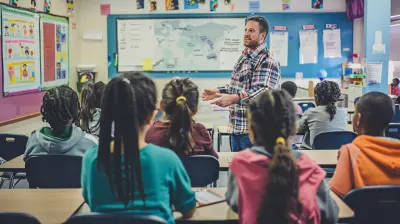
In today’s world, classrooms are melting pots of diverse cultures. Students come from various backgrounds, bringing with them their unique customs, traditions, and worldviews. But have you ever thought about how these cultural differences influence student behavior? Understanding the impact of cultural backgrounds on behavior can be crucial for educators who want to create inclusive and productive learning environments.
In this article, we’ll dive deep into how cultural backgrounds shape student behavior. We’ll look at various aspects, from communication styles to learning preferences, and explore how educators can adapt to create a supportive environment for all students. Let’s get started!
What is Culture, and Why Does it Matter in Education?
Culture is like the invisible thread that binds individuals to specific beliefs, customs, and values. It’s not just about the food, language, or clothing a person associates with—it goes much deeper, influencing how we communicate, learn, and interact with others. In the classroom, culture plays a pivotal role in shaping student behavior.Imagine two students sitting side by side. One may come from a culture that values independence and questioning authority, while the other might come from a background that respects hierarchy and values silence. Both students are in the same classroom, but their behaviors, expectations, and reactions can be worlds apart.
Cultural Influence on Behavior
Culture shapes our identity, and that identity influences behavior. When students enter the classroom, they bring with them a set of cultural norms that define how they behave toward peers, teachers, and even the subject material. Let’s break down some of the key influences:- Communication Styles: Some cultures emphasize direct communication, where students are encouraged to speak their minds openly. Others may favor indirect communication, where students are more reserved and prefer non-verbal cues.
- View of Authority: In some cultures, questioning a teacher is seen as a sign of disrespect, while in others, it is encouraged as a way to foster critical thinking.
- Attitudes Toward Education: In certain cultures, education is highly valued, and students may be under pressure to excel academically. In contrast, others may prioritize social interactions or extracurricular activities.
Understanding these cultural nuances can help teachers create a more inclusive and respectful learning environment, where all students feel valued and heard.
How Cultural Backgrounds Affect Student Behavior
Now that we have a basic understanding of why culture matters, let’s delve into the nitty-gritty of how cultural backgrounds influence specific student behaviors in the classroom. From participation to discipline, culture plays a subtle but powerful role.1. Classroom Participation
Ever notice how some students are more eager to raise their hands and participate, while others seem reluctant to speak up? Cultural differences could be at play here.- Western Cultures: In many Western cultures, especially in the U.S. and Europe, classroom participation is often highly encouraged. Students are expected to ask questions, give their opinions, and engage in active debate.
- Eastern Cultures: In contrast, students from Eastern cultures may be more reserved. In countries like Japan and China, silence in the classroom is often seen as a sign of respect. Students may hesitate to speak up, fearing they may offend or embarrass others.
- Collectivist vs. Individualist Cultures: In collectivist cultures, such as those in many Asian, African, and Latin American countries, students may prefer group activities and tend to avoid standing out. On the other hand, individualist cultures, like those in the U.S. and much of Europe, celebrate individual achievement, and students are often encouraged to differentiate themselves.
As educators, understanding these differences can help create an environment where students from all cultural backgrounds feel comfortable participating.
2. Discipline and Behavioral Expectations
Discipline is another area where cultural differences can dramatically influence student behavior. What may be considered rude or inappropriate in one culture might be entirely acceptable in another.- Eye Contact: In many Western cultures, maintaining eye contact is a sign of respect and attentiveness. However, in some Asian and African cultures, prolonged eye contact may be seen as disrespectful, especially when directed at authority figures. A student who avoids eye contact might not be trying to be rude but could instead be showing respect according to their cultural norms.
- Body Language: In some cultures, fidgeting or moving around in class might be seen as signs of disrespect or inattentiveness. In others, it may simply be a natural way to express enthusiasm or nervousness.
- Response to Authority: In cultures with a strong sense of hierarchy, students may be more likely to follow rules without question, while students from cultures that value independence might challenge authority more often. This doesn’t mean one group is more rebellious than the other; it’s simply a reflection of their cultural conditioning.
By recognizing these cultural differences in behavior, teachers can address discipline issues in a way that’s fair, consistent, and culturally sensitive.
3. Learning Preferences and Styles
Cultural background can also shape how students prefer to learn. Some students may excel in group settings, while others may thrive in independent study. This can often be linked to the cultural values they’ve grown up with.- Group vs. Individual Learning: In many collectivist cultures, like those in Asia and Latin America, group harmony is highly valued. Students from these cultures may prefer collaborative learning environments where they can share ideas and work together. On the flip side, students from individualist cultures may be more comfortable working independently and may excel in tasks that require personal initiative.
- Problem-Solving Styles: Students from different cultural backgrounds may also approach problem-solving in unique ways. For example, students from Western cultures might focus on critical thinking and questioning the status quo, while students from other cultures might rely on memorization and following established methods.
- Concept of Time: Time management and the concept of deadlines can also vary across cultures. In some cultures, punctuality and strict adherence to deadlines are important, while in others, there may be more flexibility. This can affect how students approach assignments and exams.
By being aware of these cultural differences in learning preferences, teachers can offer different teaching methods that cater to the needs of all students.
How Can Teachers Support Culturally Diverse Students?
Understanding how cultural backgrounds influence student behavior is just the first step. The real challenge is creating a classroom environment where all students feel supported, regardless of their cultural background. So, how can teachers achieve this?1. Foster a Culturally Inclusive Environment
Creating an inclusive environment starts with acknowledging and celebrating cultural diversity. Teachers can incorporate cultural references in their lessons, allowing students to see themselves reflected in the curriculum. This could be as simple as including books or case studies that represent a variety of cultures or celebrating cultural holidays in class.Encouraging students to share their cultural experiences can also help foster a sense of belonging. This not only makes students feel more connected to the classroom but also allows their peers to learn about different cultural perspectives.
2. Adapt Teaching Methods
Since students from different cultures may have varying learning preferences, it’s essential to offer a range of teaching methods. For example, teachers can balance group projects with individual assignments to cater to both collectivist and individualist students.Additionally, teachers can offer flexible ways for students to participate in class. For example, instead of always encouraging verbal participation, teachers can allow students to contribute through written reflections or small group discussions.
3. Clear and Open Communication
Communication is the key to understanding and addressing cultural differences. Teachers should be transparent about their expectations while being open to feedback from students. It’s also essential to be patient and understanding when cultural differences arise.By establishing clear communication channels, teachers can create a classroom where students feel comfortable expressing themselves, regardless of their cultural background.
4. Professional Development and Training
Finally, teachers can benefit from professional development and training on cultural competency. Workshops on diversity and inclusion can provide valuable insights into how cultural backgrounds influence behavior, and they can equip teachers with the tools they need to support their students effectively.
The Role of Parents and Communities
Teachers are not the only ones responsible for bridging cultural gaps in the classroom. Parents and communities play a significant role in shaping student behavior and can be valuable partners in creating an inclusive learning environment.- Parent-Teacher Collaboration: Regular communication between teachers and parents can help identify cultural factors that may be influencing a student’s behavior. Parents can provide insight into their child’s cultural background and offer suggestions on how to best support their learning.
- Community Involvement: Schools can also engage with local communities to celebrate cultural diversity. Hosting cultural events or inviting guest speakers from different backgrounds can help foster a sense of unity and understanding.
Conclusion
At the end of the day, every student is unique, shaped by their individual experiences and cultural upbringing. By understanding how cultural backgrounds influence student behavior, educators can create more inclusive and supportive classrooms that cater to the diverse needs of their students.It’s not about treating every student the same way but about recognizing and respecting their differences. By doing so, we can help every student succeed, regardless of where they come from.
all images in this post were generated using AI tools
Category:
Cultural AwarenessAuthor:

Olivia Chapman
Discussion
rate this article
2 comments
Fatima Ford
This article insightfully highlights the profound impact of cultural backgrounds on student behavior. Understanding these influences is essential for educators to foster inclusive environments that respect diversity. By acknowledging and addressing cultural differences, teachers can better support students’ social and emotional needs, ultimately enhancing their academic success and interpersonal relationships.
April 28, 2026 at 4:55 AM
Olivia Chapman
Thank you for your thoughtful comment. I'm glad the article resonated with you. Understanding cultural backgrounds truly is vital for creating supportive and inclusive classrooms.
Grant Martin
This article highlights the crucial role of cultural backgrounds in shaping student behavior, emphasizing the need for educators to recognize diversity in their classrooms.
April 12, 2026 at 2:26 AM
Olivia Chapman
I appreciate your insights. Understanding cultural backgrounds is vital for effective teaching and fostering an inclusive environment.