How Educators Can Avoid Cultural Stereotyping
20 June 2026
Cultural diversity in the classroom is a beautiful thing. It brings together perspectives, traditions, and experiences from all over the world. But along with that diversity comes a responsibility—educators must ensure that they don't fall into the trap of cultural stereotyping.
Stereotyping is one of those things that often happens unconsciously. A simple assumption about a student's background can impact how they are treated and, in turn, how they view themselves. So, how can educators ensure they foster an inclusive environment, free from harmful stereotypes? Let’s dive in.
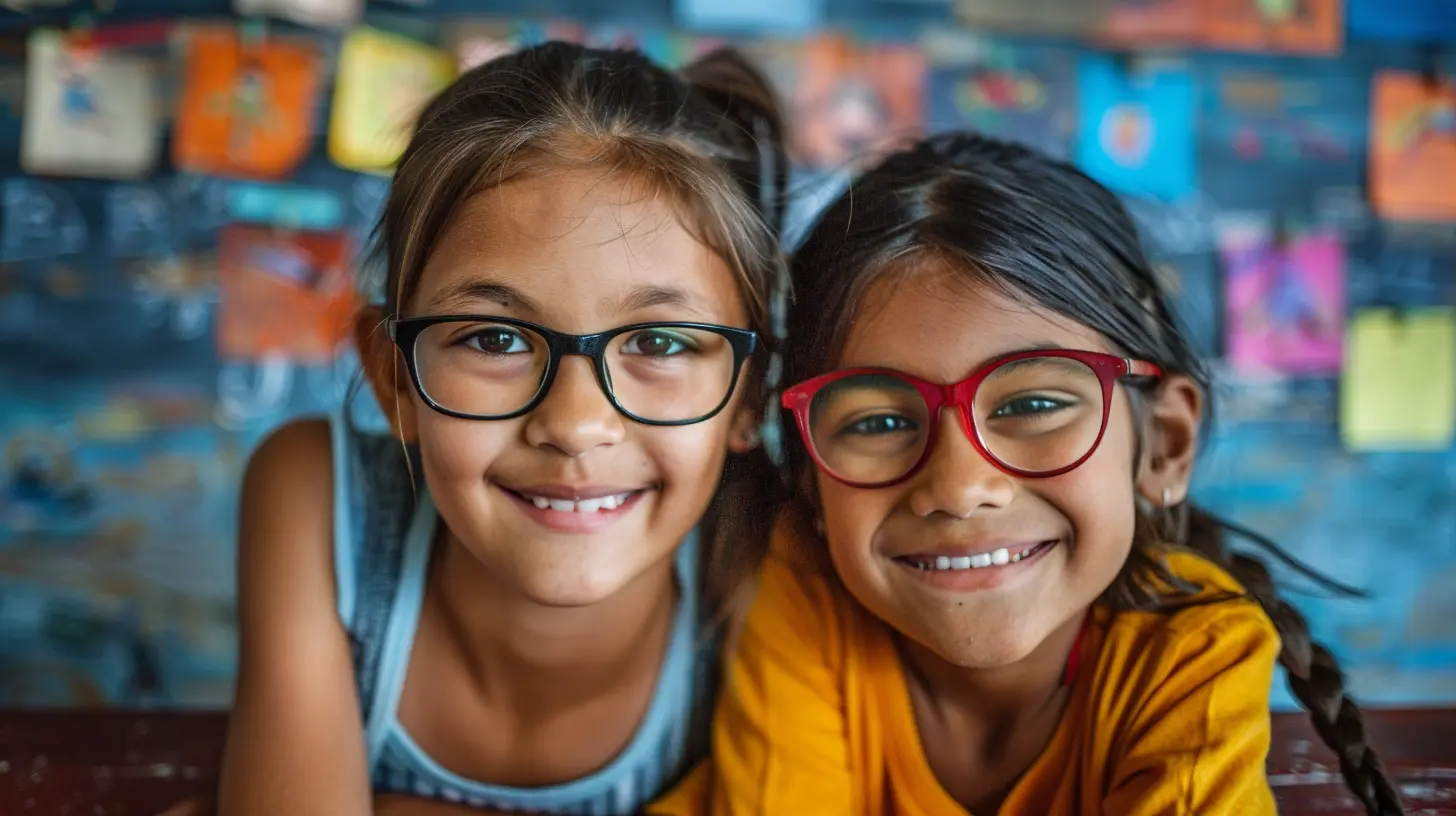
Understanding Cultural Stereotyping
Before we talk about how to avoid it, let's understand what cultural stereotyping actually is.Cultural stereotyping happens when we make broad generalizations about a group of people based on their ethnicity, nationality, religion, or cultural background. These assumptions are often inaccurate and can lead to unfair treatment, bias, or even discrimination.
For example, if an educator assumes that all Asian students are naturally good at math or that students from African backgrounds excel in sports, they are engaging in stereotyping. While these might seem like "positive" stereotypes, they still place unfair expectations on students and ignore their individuality.
Why Avoiding Stereotypes Matters
You might be wondering, "Is it really that big of a deal?" The answer is a resounding yes. Cultural stereotyping can have serious consequences:- Limits Student Potential: When students are labeled, they may feel pressured to fit into certain roles, even if they have different interests and talents.
- Erodes Confidence: A child may start to believe they are only capable of what people expect from their cultural background.
- Creates Exclusion: If students feel that they are being judged based on stereotypes, they may become disengaged from learning.
- Encourages Bias: Unchecked stereotypes in the classroom can reinforce cultural prejudices and bias in the broader society.
Educators play a critical role in shaping how students see themselves and others. By avoiding stereotypes, they can create a more inclusive and supportive learning environment.
How Educators Can Avoid Cultural Stereotyping
Now that we understand the problem, let’s take a look at practical ways educators can avoid cultural stereotyping in the classroom.1. Get to Know Students as Individuals
The easiest way to avoid stereotypes? See each student as a unique individual.- Take the time to learn about their interests, strengths, and aspirations rather than making assumptions based on their background.
- Have one-on-one conversations to understand their personal experiences.
- Encourage students to express their identities in their own way.
When educators build personal connections, stereotypes naturally start to disappear.
2. Be Aware of Unconscious Bias
We all have unconscious biases—assumptions we make without even realizing it. The key is to recognize them and work to overcome them.Think about your own perceptions:
- Do you expect certain students to perform better or worse in certain subjects because of their background?
- Are you more lenient or stricter with specific groups of students?
- Do you assume students from certain cultures will behave in a particular way?
By reflecting on these questions, educators can become more self-aware and work toward fairer treatment of all students.
3. Use Inclusive Teaching Materials
The materials used in the classroom play a huge role in shaping students' understanding of the world. If a history book only highlights the achievements of one culture, it can reinforce stereotypes.To create a more balanced curriculum:
- Include diverse voices in textbooks, literature, and classroom discussions.
- Show multiple perspectives on historical events.
- Use real stories from people of different cultural backgrounds.
When students see a range of experiences represented, they develop a broader and more accurate understanding of the world.
4. Encourage Open Discussions About Culture
Rather than avoiding the topic of culture, educators should create a safe space for discussions.- Let students share their own cultural experiences.
- Discuss how stereotypes affect people.
- Teach students to question and challenge generalizations.
When cultural topics are addressed openly, students learn to appreciate differences rather than rely on outdated stereotypes.
5. Avoid Grouping Students by Cultural Background
It’s common for educators to group students based on perceived similarities, but this can reinforce stereotypes.For example:
- Avoid assuming that students from the same cultural background will naturally work well together.
- Don’t call on students to represent their entire culture in discussions. (e.g., “As a Latina, what do you think?”)
Treat students as individuals rather than representatives of a particular identity.
6. Set Expectations for Respectful Behavior
A culturally inclusive classroom starts with clear expectations. Educators can:- Teach students about the impact of stereotypes.
- Encourage respect and kindness in peer interactions.
- Address any instances of stereotyping or bias immediately.
Students will follow the example set by their teacher. If they see an educator standing against stereotypes, they'll be more likely to do the same.
7. Celebrate Cultural Differences Without Exoticizing
Cultural appreciation is great, but it’s important to do it in an authentic way.Instead of a superficial celebration of cultures (e.g., “Mexican Day” with sombreros and tacos), focus on meaningful learning experiences:
- Invite guest speakers from different backgrounds to share their stories.
- Integrate cultural elements naturally into lessons.
- Teach about cultures in a way that highlights their depth and complexity rather than reducing them to stereotypes.
8. Commit to Lifelong Learning
Cultural awareness isn’t something that can be mastered overnight—it’s an ongoing journey.- Attend workshops and training on cultural competence.
- Read books and articles about diversity in education.
- Listen to students and families about their experiences.
By continuously learning, educators can ensure they are creating the best possible environment for all students.
Final Thoughts
Avoiding cultural stereotyping in the classroom isn’t just about being politically correct—it’s about fostering a space where every student feels valued, respected, and empowered to reach their full potential.When educators take steps to challenge their biases, promote inclusivity, and encourage meaningful cultural discussions, they help build a more accepting and understanding world—one classroom at a time.
So, the next time you catch yourself making an assumption about a student based on their background, pause and ask yourself: “Am I seeing this student as an individual?” If the answer is no, it’s time to shift your perspective.
By doing so, we can create classrooms that celebrate uniqueness rather than confine students to stereotypes.
all images in this post were generated using AI tools
Category:
Cultural AwarenessAuthor:

Olivia Chapman
Discussion
rate this article
1 comments
Zealot James
This article highlights an important topic. Educators must actively reflect on their biases and seek diverse perspectives to create an inclusive environment. Open dialogue with students and communities can help challenge stereotypes and foster a more understanding and supportive classroom culture. Essential reading for all educators.
June 26, 2026 at 3:52 AM
Olivia Chapman
Thanks for your thoughtful comment. I completely agree-reflection and open dialogue are key to fostering inclusivity in education.