Creating a Safe Learning Space to Encourage Student Motivation
6 March 2026
Ever walked into a room and instantly felt like you didn’t belong? Maybe the vibe was off, or perhaps it just didn’t feel welcoming. Now imagine being a student and feeling like that every single day in class. Not fun, right?
Creating a safe learning space isn't just about cushy chairs and colorful posters on the walls. It’s about the emotional and mental atmosphere we build for students—a space where they feel seen, heard, and valued. A space where it’s okay to be wrong as long as you're trying. When students feel safe, they’re not just more likely to participate—they’re motivated. They thrive.
Let’s dig deep into how we can build these kinds of environments and why they matter so much.
Why Safety Comes Before Success
Before a student can even start thinking about grades, exams, or homework, they have to feel safe. This isn’t just physical safety we’re talking about—though that’s important—it’s also emotional and psychological safety.Think about Maslow’s Hierarchy of Needs. Safety is foundational, right? Only when that's covered can someone move toward achieving their full potential. So if a student is worried about being judged, bullied, or called out for asking a “dumb” question, chances are they’ll stay quiet. Motivation takes a hit. Opportunity gets missed.
Students need to know that the classroom is a judgment-free zone. A place where their voices matter, where they won’t be ridiculed, and where they can be themselves.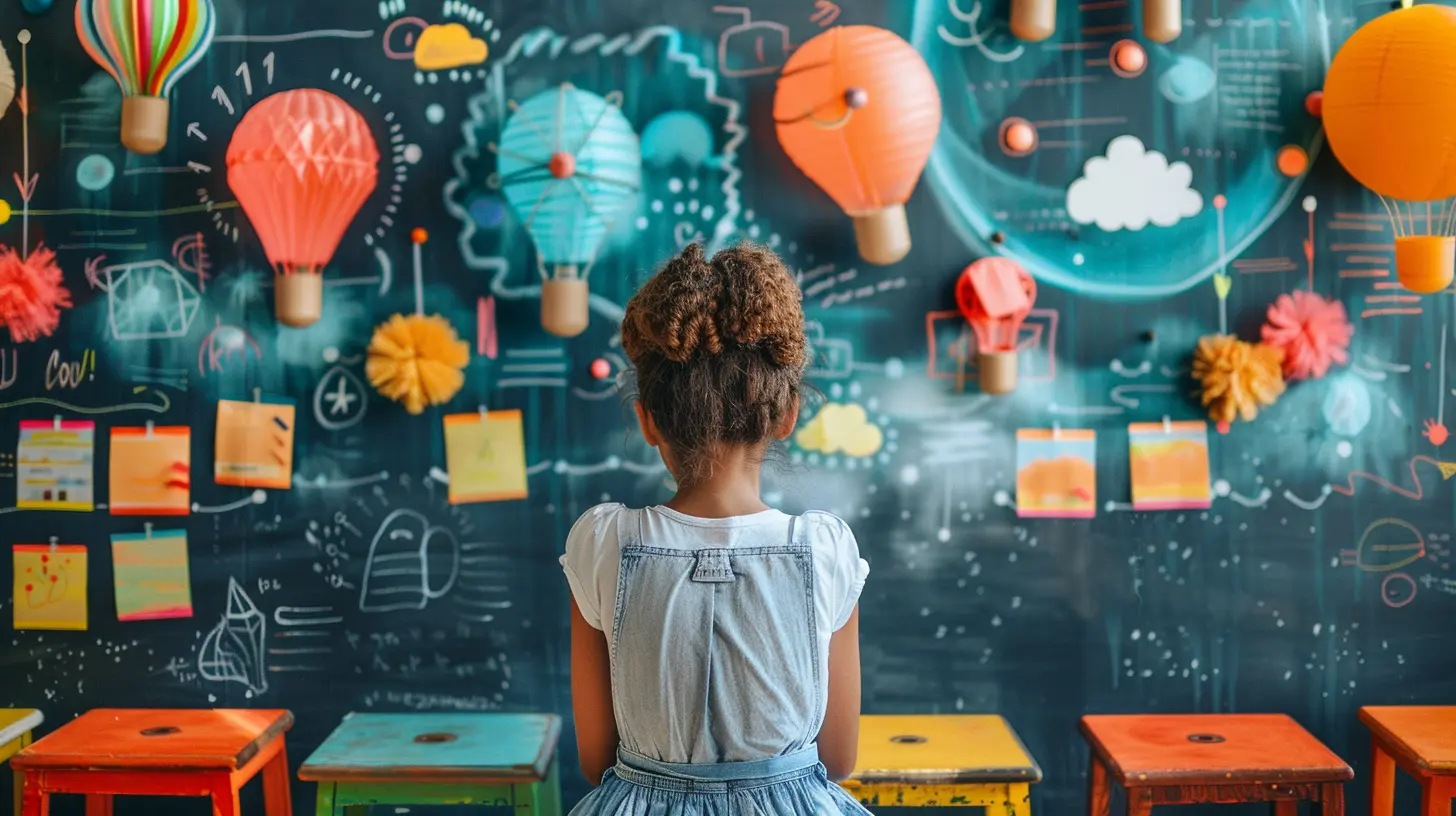
A Safe Space is a Motivating Space
Let’s break it down. What does a “safe learning space” really mean?It includes:
- Emotional safety: Students feel comfortable sharing ideas and asking questions without fear.
- Social safety: They know peers respect them, and there's no tolerance for bullying.
- Cultural safety: Their identity, background, and experiences are acknowledged and appreciated.
- Academic safety: Mistakes are seen as part of the learning journey, not as failures.
When all of these are in play, motivation skyrockets.
Imagine a classroom where students are excited to come in, ready to work together, take risks, and support one another. Doesn’t sound like a dream—it’s totally possible.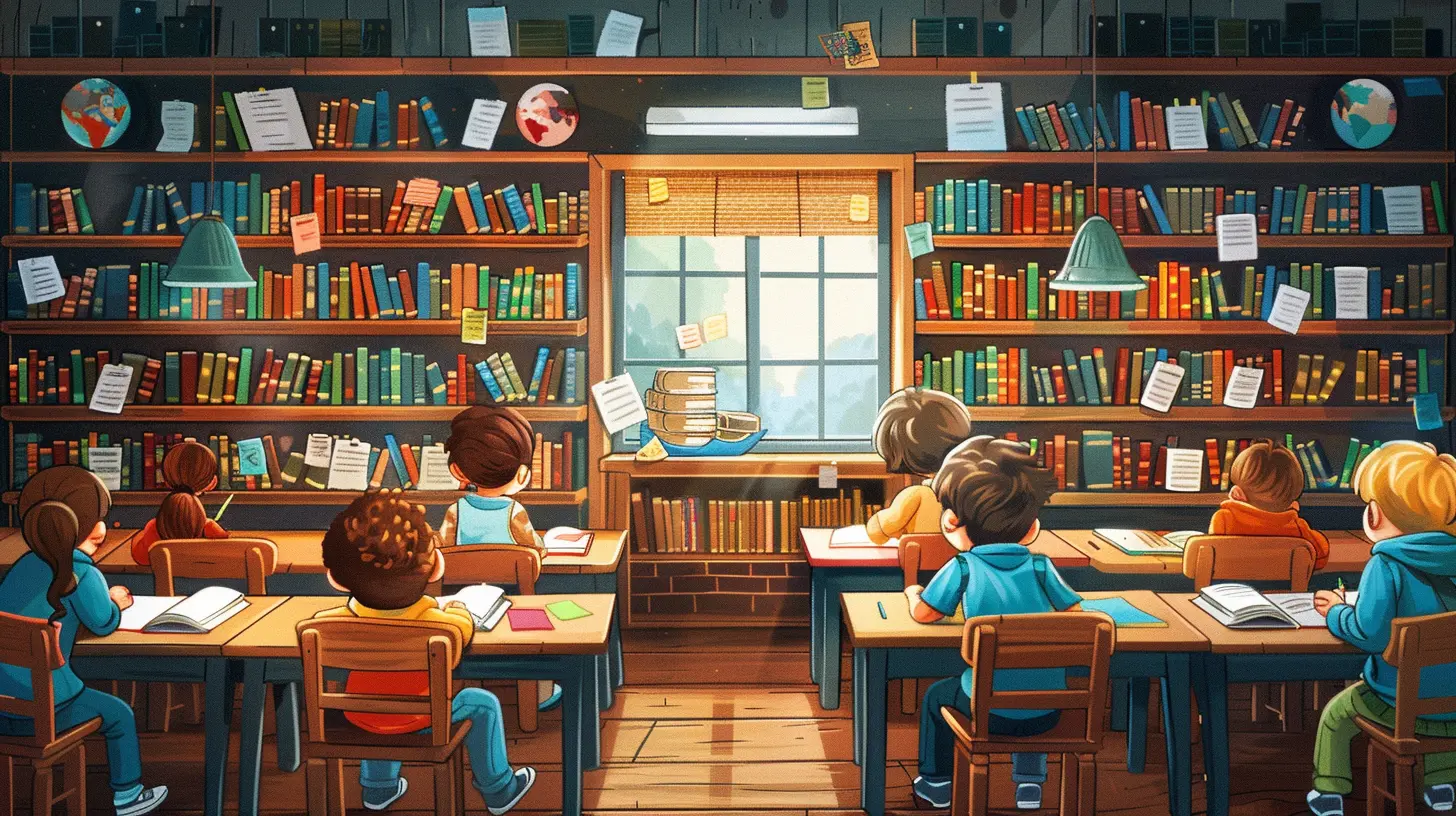
Trust: The Cornerstone of Safety
Let me ask you something—would you open up to someone you didn’t trust? Probably not. Same goes for students. Building trust in your classroom is non-negotiable.So how do we do it?
- Be consistent: Stick to your word. If you say there are no “stupid questions,” follow through.
- Be transparent: Share your expectations clearly and involve students in creating classroom norms.
- Be human: It’s okay to admit mistakes. In fact, it’s powerful. It shows students you’re learning too.
Trust doesn’t happen overnight. It’s built interaction by interaction, moment by moment. But once it's there? It opens the floodgates for motivation.
Encouraging Student Voice and Choice
Want to seriously boost motivation? Give students a voice. Empower them. When they have a say in what or how they learn, they feel respected and in control.Some practical ways to do this:
- Flexible assignments: Let students choose from a list of project ideas or how they present their work (slides, videos, presentations).
- Classroom decisions: Invite students to help set ground rules or decide on class rewards.
- Open dialogue: Allow students to share feedback and make time for real conversations.
This kind of autonomy lights a fire within students. It tells them, “Hey, you matter here. Your input counts.” That’s incredibly motivating.
Fostering Positive Relationships
You know that saying, “Students don’t care how much you know until they know how much you care”? It hits the nail on the head.Positive relationships between teachers and students (and students with each other) make all the difference. They create a sense of community, a feeling of belonging. And guess what? Belonging is a huge motivator.
Here’s how you can make that happen:
- Greet students by name: Simple, personal, effective.
- Check-in regularly: Ask how things are going, both academically and personally.
- Celebrate growth: Not just achievements, but effort and improvement too.
When students feel connected, they’re more likely to take initiative, ask for help, and stay motivated even through challenges.
Setting Clear Expectations and Boundaries
Here’s the thing—safe doesn’t mean anything goes. In fact, structure and boundaries are part of what makes a learning environment safe in the first place.Students feel secure when they know what’s expected of them. It removes the guesswork and builds confidence. Plus, consistency is calming. When classroom routines and rules are clear, students can focus on learning instead of constantly second-guessing.
But don’t just hand them a list of rules—get them involved. When students help set the expectations, they’re more likely to own them. It becomes a shared code rather than a top-down mandate.
Normalizing Mistakes and Building Resilience
Let’s be real—making mistakes is part of life. Yet so many students are terrified of getting things wrong. That fear? It crushes motivation.In a safe learning space, mistakes aren’t seen as failures. They’re seen as stepping stones. Learning opportunities. Even something to celebrate.
Here’s how to promote a mistake-friendly classroom:
- Model it: Share your own learning moments and talk about what you learned.
- Use positive language: Instead of “wrong,” try “good try—let’s tweak it this way.”
- Highlight growth: Show students how far they’ve come, not just where they lack.
When failure is no longer scary, students get brave. They speak up. They try again. That’s resilience—and it’s a key driver of motivation.
Making Diversity and Inclusion a Priority
No two students are the same. That’s a beautiful thing. But it also means the teacher has to be intentional about making every student feel included.Think of your classroom like a patchwork quilt—each thread representing a unique voice, background, and experience. When woven together with care, it becomes something strong and meaningful.
To build inclusivity into your classroom:
- Represent all students: In books, images, examples, and discussions.
- Address biases: Even the small ones. Language matters.
- Celebrate cultures: Not just during heritage months, but year-round.
When students see themselves reflected in the room, they feel like they belong. And when they feel like they belong, they engage. They’re inspired. They try.
Creating Physically Comfortable and Inviting Spaces
Okay, we’ve talked a ton about emotional and psychological safety—but don’t underestimate how the physical environment plays into motivation too.The classroom should be a place that invites learning. Think lighting, seating, organization, and even smells or sounds. This isn’t about being Pinterest-perfect. It’s about comfort and functionality.
Some tips?
- Flexible seating: Choice helps students settle into their learning.
- Declutter: A tidy space leads to a clear mind.
- Add warmth: Plants, posters, student work, or inspiring quotes can cozy up the room.
When students feel comfortable in their surroundings, they're more likely to focus and less likely to feel anxious.
Encouraging Collaboration and Peer Support
No one learns in a vacuum. Collaboration encourages not just academic growth but social-emotional development too. In a collaborative environment, students learn how to listen, share, challenge ideas respectfully, and support one another.Here’s how to encourage it:
- Group projects with roles: So everyone has a part to play.
- Peer tutoring: Let students teach and learn from one another.
- Think-pair-share activities: These lower the pressure and build confidence.
When students know they’re not alone, learning becomes a shared journey. That community boosts motivation big time.
The Role of Feedback in Safe Learning Environments
Feedback can either motivate or crush a student’s spirit. It all depends on how it’s delivered.In a safe learning space, feedback isn’t a slap on the wrist—it’s a gentle nudge forward.
Here’s what motivational feedback looks like:
- Specific: “Great job using a strong opening sentence!” vs. “Good job.”
- Actionable: Give tips for improvement, not just a grade.
- Encouraging: Focus on effort and potential, not just outcome.
When students see feedback as support rather than criticism, they actually want to improve. That desire? Motivation in action.
Final Thoughts: It Starts with Us
Creating a safe learning space isn’t a one-time checklist. It’s an ongoing commitment. It takes heart, patience, and reflection. But the payoff is huge—a classroom full of motivated, resilient, and confident learners.Remember, students don’t need us to be perfect. They need us to be real, consistent, and caring. When we show up with intention and empathy, we create more than just a classroom. We create a launchpad for growth.
So let’s make space—safe space—for our students to show up as their best selves, every single day.
all images in this post were generated using AI tools
Category:
Student MotivationAuthor:

Olivia Chapman
Discussion
rate this article
2 comments
Cassandra Jenkins
Empowering students starts with a safe, inspiring learning environment!
March 17, 2026 at 5:19 AM
Olivia Chapman
Absolutely! A safe environment fosters creativity and confidence, paving the way for true empowerment.
Maddison Wallace
Creating a safe learning environment is essential for student growth. When students feel secure and supported, their motivation soars, unlocking their true potential. Let's inspire greatness!
March 9, 2026 at 5:22 AM
Olivia Chapman
Absolutely! A safe learning environment fosters motivation and unlocks student potential, paving the way for greatness. Thank you for your insights!