How Mindfulness Supports 21st Century Skill Growth
12 November 2026
In the rapidly evolving landscape of the 21st century, the demand for a diverse set of skills has never been greater. As traditional education methods struggle to keep pace with technological advancements and changing job requirements, mindfulness has emerged as a powerful tool to support the development of critical skills. This article delves into the multifaceted relationship between mindfulness and skill growth, exploring its implications for education, workplace dynamics, and personal development.

Understanding Mindfulness
Mindfulness refers to the practice of being fully present in the moment, without judgment. It involves a heightened awareness of thoughts, feelings, and bodily sensations. This practice is rooted in ancient contemplative traditions but has gained widespread recognition and application in modern psychology and education.Mindfulness is not merely a stress-relief tool; it serves as a foundation for various cognitive and emotional skills. In an age characterized by information overload and rapid change, cultivating mindfulness can enhance focus, creativity, emotional intelligence, and resilience-all essential skills for success in the 21st century.
Key Components of Mindfulness
1. Attention: The ability to direct and sustain focus is crucial for learning and problem-solving. Mindfulness practices train the brain to improve attention control.2. Awareness: Mindfulness fosters an awareness of one's thoughts and emotions, allowing individuals to respond thoughtfully rather than react impulsively.
3. Acceptance: Embracing experiences without judgment helps individuals navigate challenges and uncertainties more effectively.

The Importance of 21st Century Skills
The World Economic Forum identifies several key skills that are crucial for success in the 21st century. These include:- Critical thinking: The ability to analyze information and make informed decisions.
- Creativity: The capacity to generate innovative ideas and solutions.
- Collaboration: Working effectively with diverse teams to achieve common goals.
- Communication: Conveying ideas clearly and persuasively in various contexts.
- Emotional intelligence: Understanding and managing one's emotions and those of others.
These skills are not only applicable in academic settings but are also essential in the workplace and personal life.
How Mindfulness Enhances Critical Thinking
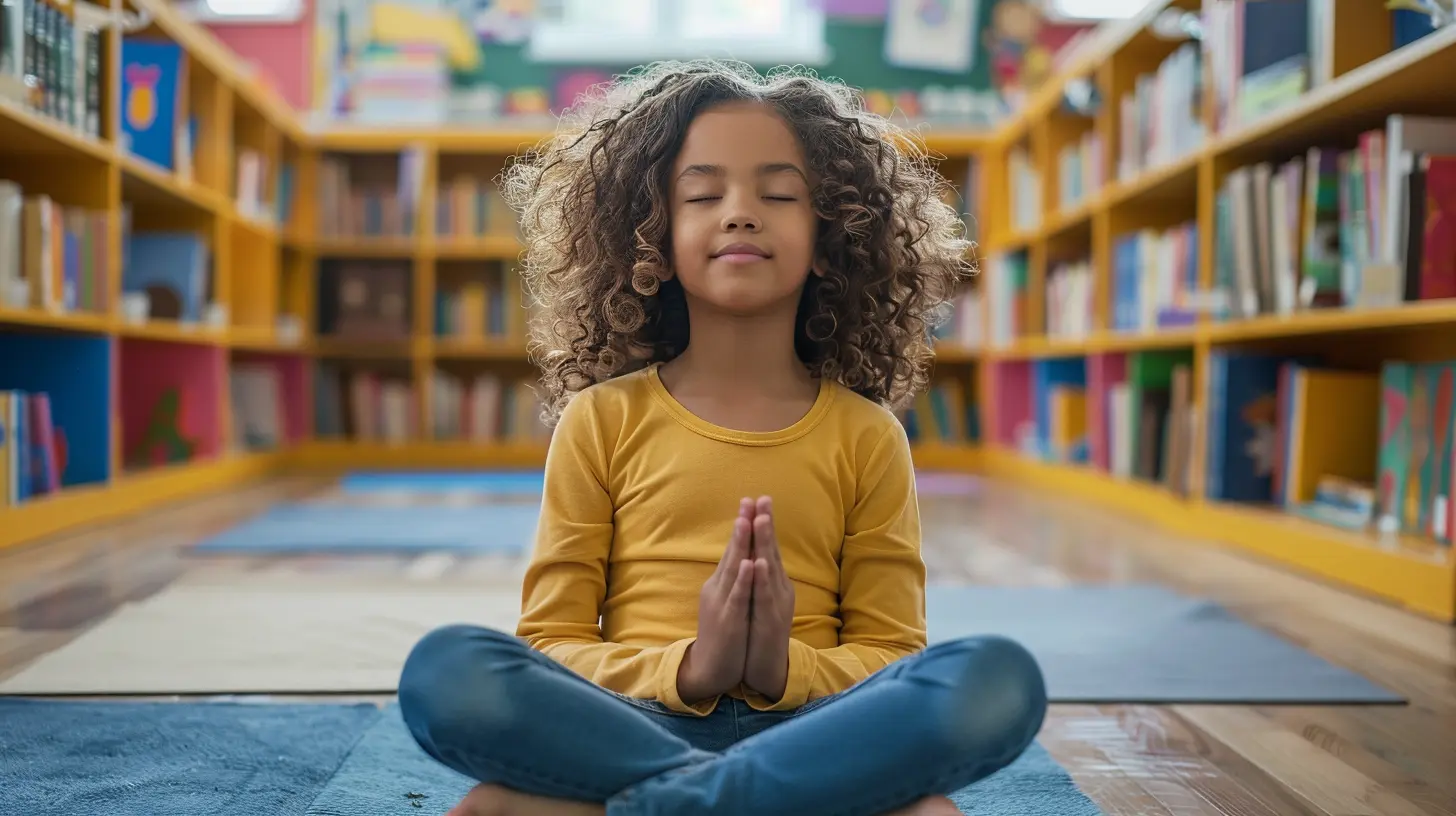
Mindfulness cultivates a critical thinking mindset by promoting better focus and reducing cognitive biases. When individuals practice mindfulness, they develop an ability to analyze situations without the clouding effects of stress or emotional turbulence.Real-World Example:
In a classroom, a student practicing mindfulness may approach a complex problem systematically. Instead of jumping to conclusions or relying on preconceived notions, the student can assess information critically, considering various perspectives before arriving at a solution. This analytical approach is invaluable in fields that require problem-solving, such as science, technology, engineering, and mathematics (STEM).Practical Advice:
To foster critical thinking through mindfulness, educators can incorporate mindfulness exercises into their curriculum. Simple practices, such as mindful breathing or guided meditation, can help students clear their minds, allowing for more focused and analytical thinking.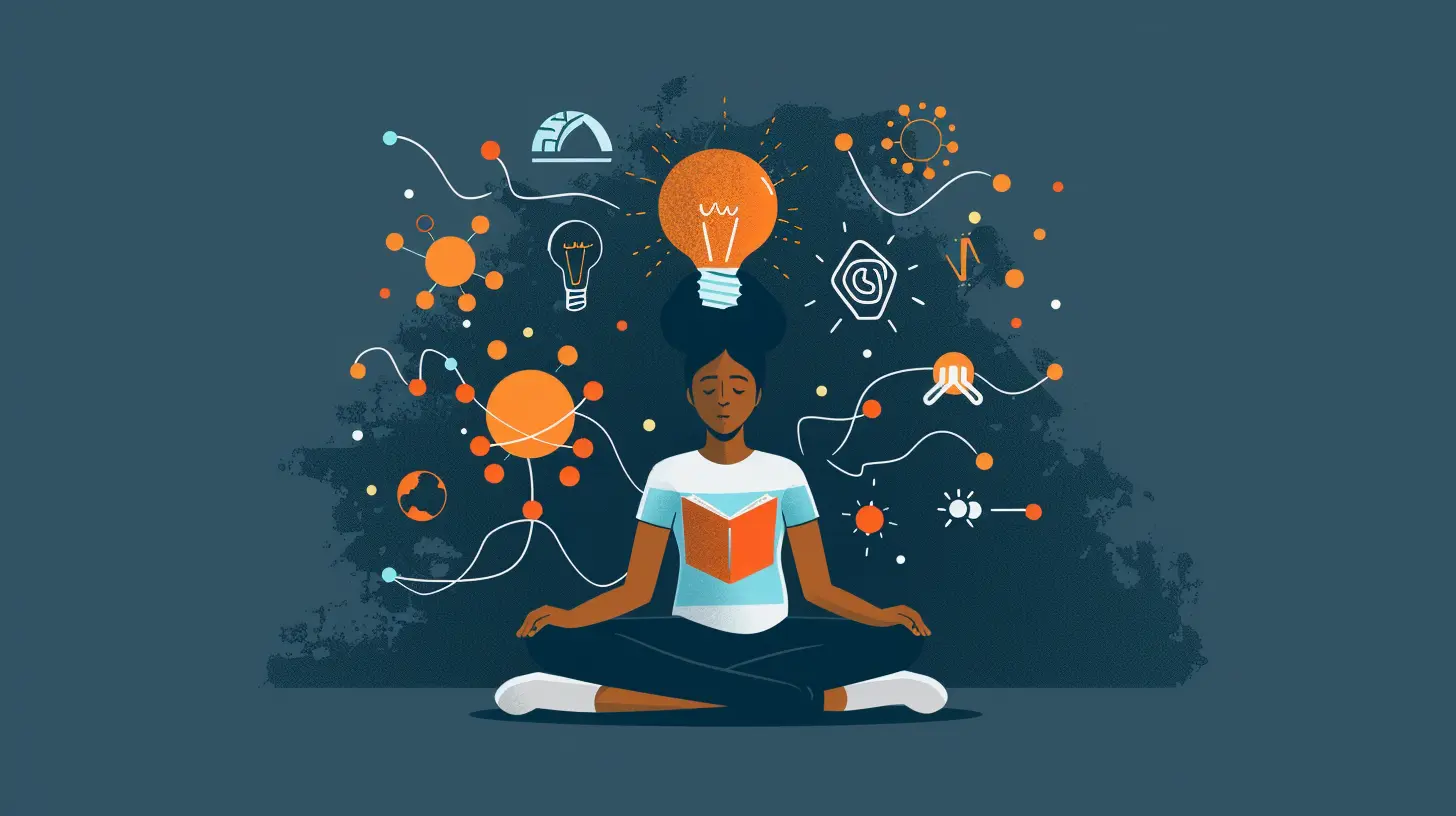
Mindfulness and Creativity
Creativity thrives in environments that allow for exploration and experimentation. Mindfulness helps to create such an environment by reducing fear of failure and enhancing openness to new experiences.The Neuroscience Behind Creativity:
Research indicates that mindfulness can increase divergent thinking, a key component of creativity. Divergent thinking involves generating multiple solutions to a problem, allowing for innovative approaches to challenges.Application in the Arts:
In artistic fields, mindfulness practices can inspire creativity by helping artists connect with their inner thoughts and emotions. For instance, a writer might engage in a mindfulness session to break through writer's block, allowing fresh ideas to emerge without self-criticism.Best Practices for Fostering Creativity:
- Encourage regular mindfulness breaks during creative tasks.- Provide spaces conducive to mindfulness, such as quiet rooms or outdoor areas.
- Promote a culture that values experimentation and embraces mistakes as learning opportunities.
The Role of Mindfulness in Collaboration
Collaboration is essential in today's interconnected world. Mindfulness enhances collaboration by improving emotional intelligence and communication skills.Emotional Awareness and Team Dynamics:
When team members practice mindfulness, they become more attuned to their own emotions and those of their colleagues. This heightened emotional awareness facilitates better communication and fosters a supportive team environment.Real-World Application in the Workplace:
In a corporate setting, a team that engages in regular mindfulness practices may find that members communicate more effectively, listen actively, and provide constructive feedback. This dynamic can lead to more productive meetings and innovative projects.Tips for Enhancing Collaboration Through Mindfulness:
- Incorporate mindfulness training into team-building activities.- Establish regular check-ins where team members can share their emotional states and challenges.
- Create a mindful communication framework that encourages active listening and empathy.
Mindfulness and Communication Skills
Effective communication is a cornerstone of personal and professional success. Mindfulness enhances communication by promoting active listening and reducing misunderstandings.The Power of Active Listening:
Mindfulness encourages individuals to listen without the urge to respond immediately. This practice allows for a deeper understanding of the speaker's message, fostering more meaningful interactions.Application in Education:
In educational settings, teachers can model mindful communication by demonstrating active listening to students' concerns. This approach not only builds trust but also encourages students to express their thoughts more freely.Common Mistakes to Avoid:
- Rushing conversations: Mindfulness teaches the importance of taking time to engage in meaningful dialogue.- Interrupting: Practicing patience during conversations can prevent misunderstandings and promote clearer communication.
Building Resilience through Mindfulness
Resilience is the ability to bounce back from setbacks and adapt to challenges. Mindfulness fosters resilience by promoting a positive mindset and coping strategies.Coping with Stress:
Mindfulness practices help individuals manage stress by promoting relaxation and emotional regulation. This ability to cope with stress is essential in high-pressure environments, whether in academic settings or the workplace.Real-World Example in Education:
Students who engage in mindfulness practices may find themselves better equipped to handle academic pressures, such as exams or project deadlines. This resilience not only improves academic performance but also contributes to overall well-being.Strategies for Building Resilience:
- Encourage regular mindfulness practices, such as meditation or yoga, to help manage stress.- Teach students and employees how to reframe negative thoughts and focus on constructive outcomes.
- Create a supportive environment that recognizes and addresses the challenges of individuals.
The Trade-Offs of Implementing Mindfulness
While the benefits of mindfulness are significant, there are trade-offs to consider when implementing mindfulness practices in educational and workplace settings.Time Investment:
Mindfulness requires time and commitment. Educators and employers must allocate time for training and practice, which may initially seem counterproductive in fast-paced environments.Resistance to Change:
Some individuals may be skeptical of mindfulness practices or view them as unnecessary. Overcoming this resistance requires effective communication about the benefits and purpose of mindfulness.Balancing Mindfulness with Other Approaches:
It is essential to integrate mindfulness into existing frameworks rather than viewing it as a standalone solution. Combining mindfulness with other pedagogical or organizational strategies can enhance its effectiveness.Addressing Misconceptions about Mindfulness
Despite its growing popularity, several misconceptions about mindfulness persist.Myth: Mindfulness is Just About Relaxation
While relaxation is a component of mindfulness, its true value lies in enhancing awareness and focus. Mindfulness encourages individuals to engage fully with their experiences, which goes beyond mere relaxation.Myth: Mindfulness is Only for the Stressful Moments
Mindfulness can be beneficial not only during stressful times but also during routine activities. Incorporating mindfulness into daily practices can enhance overall well-being and skill development.Addressing Misconceptions:
Educators and leaders should promote a clear understanding of mindfulness, emphasizing its practical applications and benefits beyond stress relief.
Conclusion
Mindfulness is a powerful ally in the quest for 21st-century skill growth. By enhancing critical thinking, creativity, collaboration, communication, and resilience, mindfulness equips individuals with the tools necessary to navigate an increasingly complex world.As we continue to face new challenges and opportunities, integrating mindfulness into education, workplace training, and personal development can lead to transformative outcomes. The journey toward cultivating mindfulness requires commitment and patience, but the skills developed through this practice offer lasting benefits that extend far beyond the classroom or office.
all images in this post were generated using AI tools
Category:
21st Century SkillsAuthor:

Olivia Chapman