How to Create a Culturally Responsive Curriculum
25 July 2026
Creating a culturally responsive curriculum isn’t just a nice-to-have anymore—it’s an absolute necessity in today’s multicultural classrooms. We’re living in a world where students come from all kinds of backgrounds, and if we don’t meet them where they are, we risk leaving them out of the conversation completely. So how do we build something that works for everyone? Let’s dive deep and break it all down.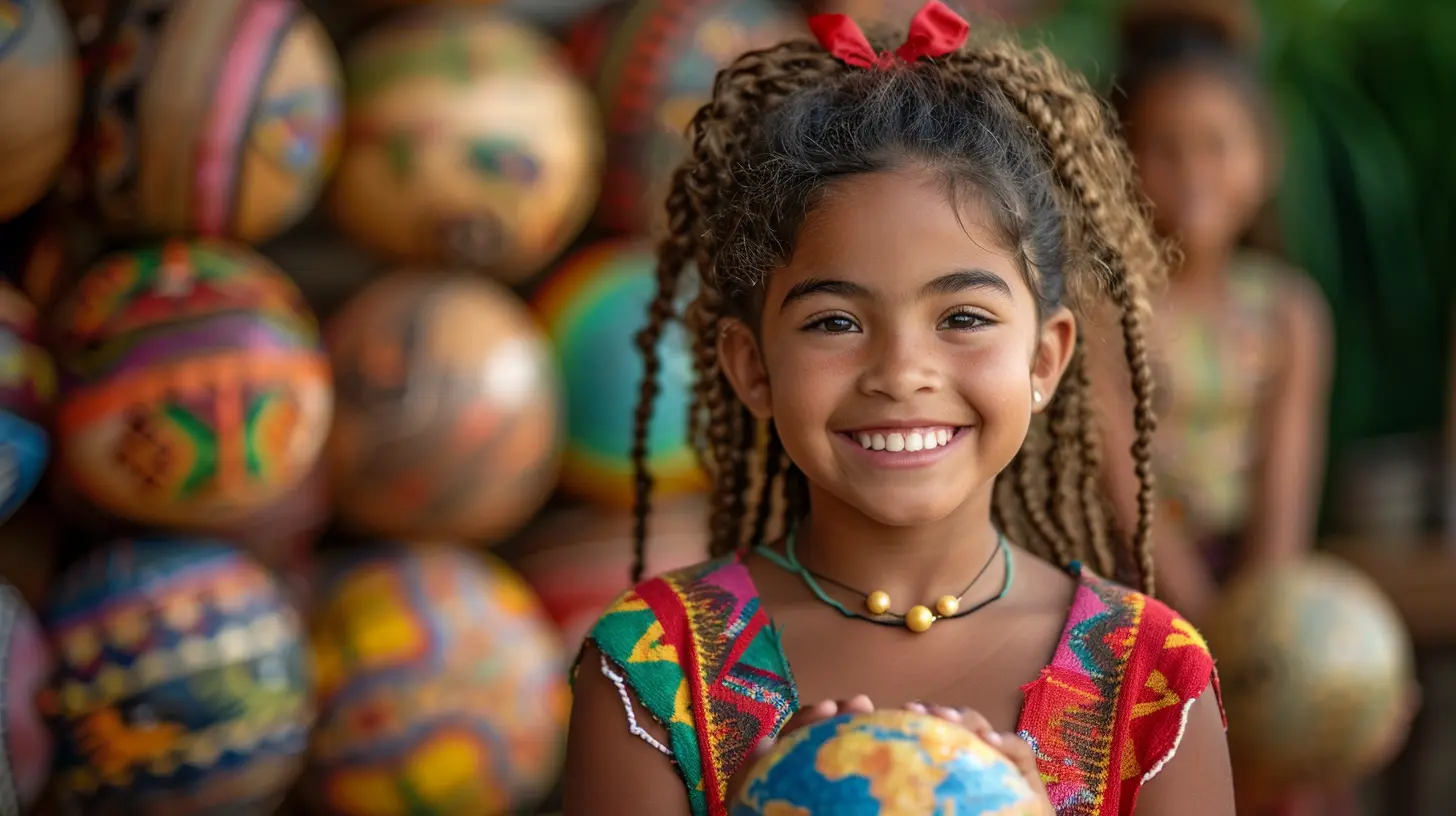
What Does "Culturally Responsive" Even Mean?
Before we tackle the “how,” let’s make sure we’re all on the same page. A culturally responsive curriculum is all about representing, respecting, and reflecting the diverse cultures, languages, and experiences of students. It’s not just about "adding a diversity week" or throwing in a lesson on different holidays.Nope, it's much deeper than that.
It's about weaving the threads of culture into the fabric of everyday instruction. This means that students don’t just "see themselves" in what they learn—they see their communities, their histories, their languages, their families, and their values.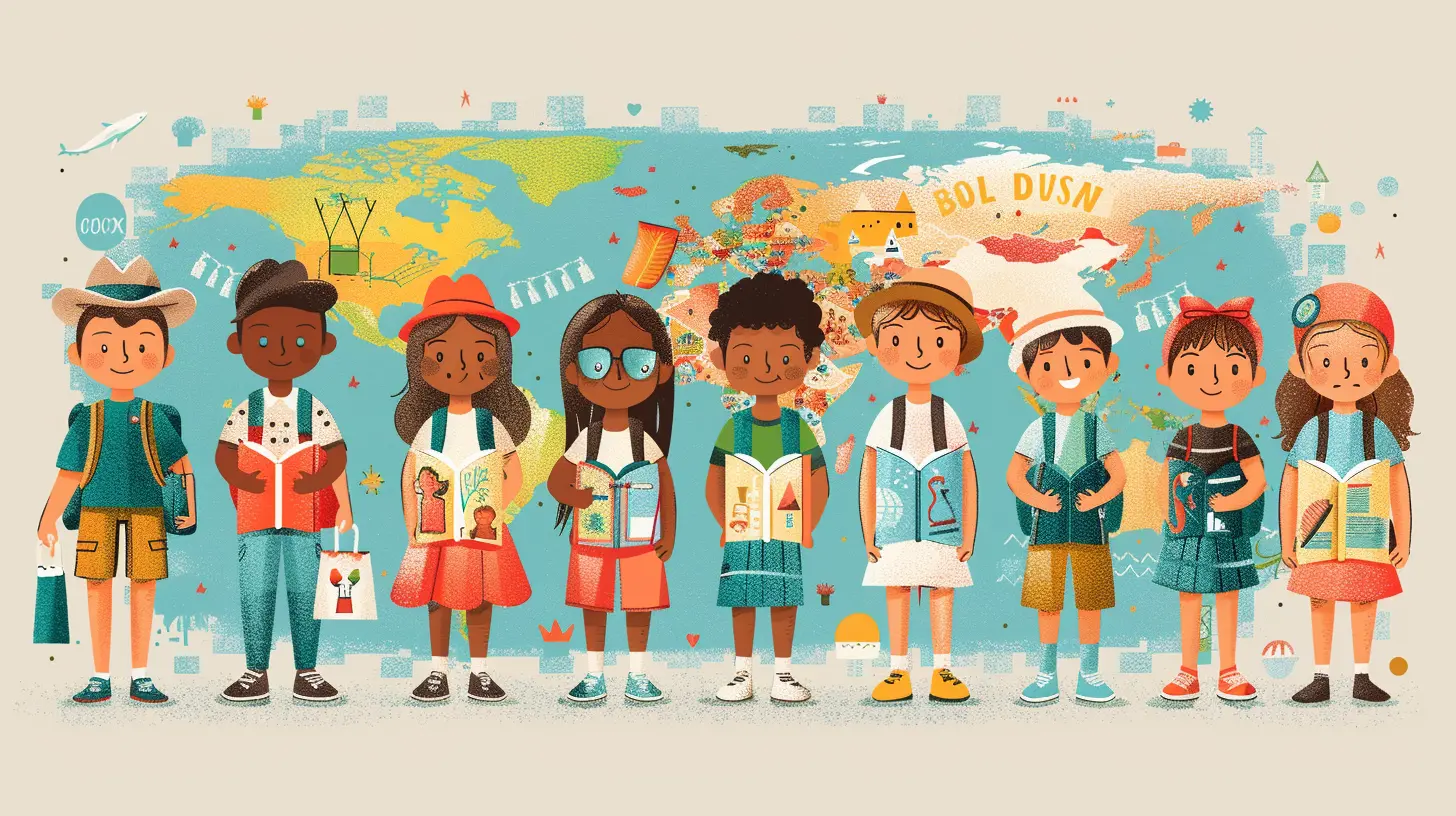
Why Is It So Important?
Okay, rhetorical question time: How can a student truly succeed if they feel invisible in the classroom?Cultural responsiveness is key to:
- Increasing engagement: Students are more motivated when they can relate to the material.
- Building trust: They feel seen, valued, and respected.
- Creating equality: It levels the playing field by addressing systemic biases.
- Empowering identity: It allows students to take pride in who they are.
Bottom line? A culturally responsive curriculum helps everyone grow—academically, socially, and emotionally.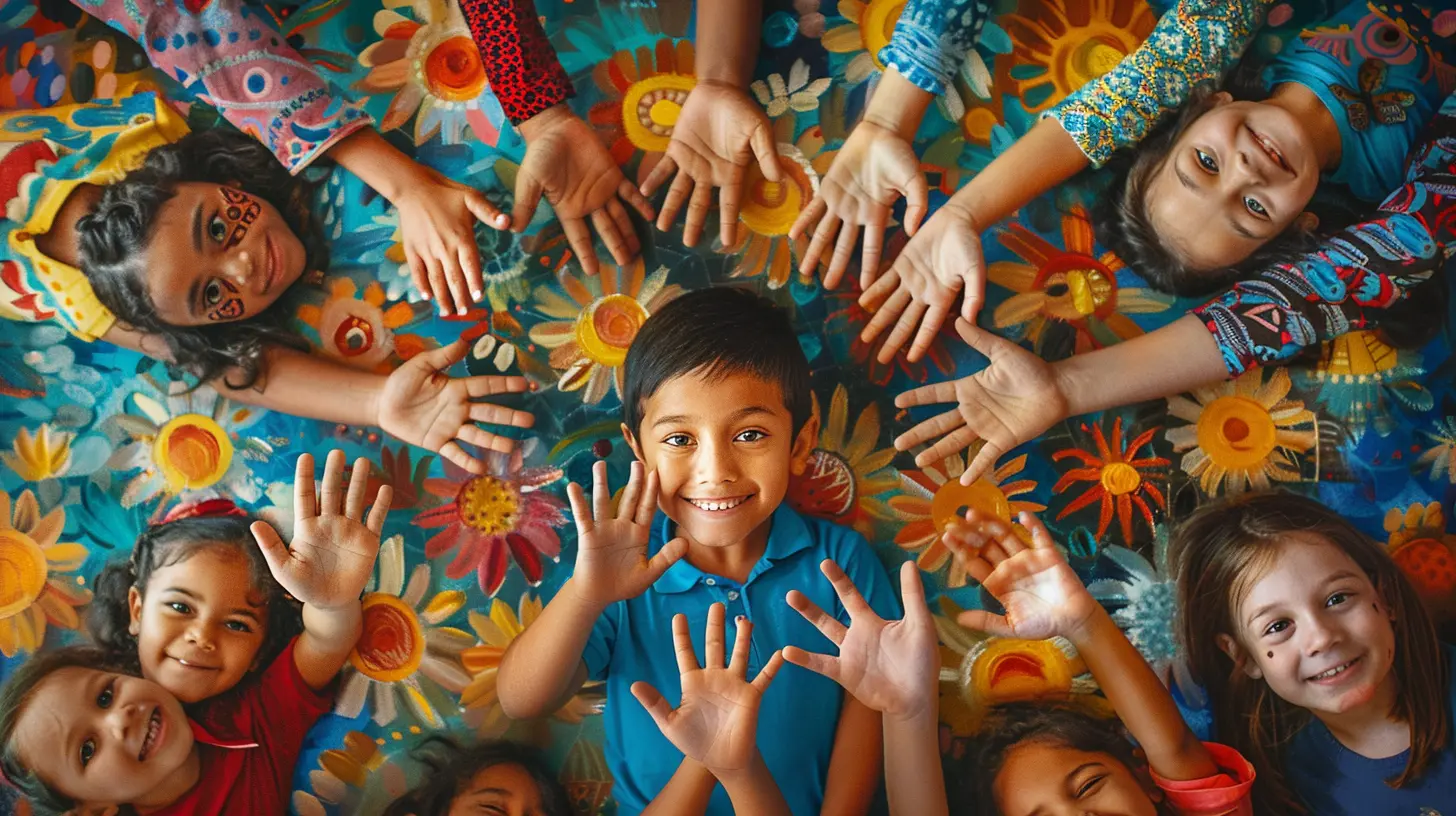
Step 1: Reflect on Your Own Cultural Lens
Here’s the truth: you can’t teach what you don’t acknowledge.The first step in this journey isn’t about your students—it’s about YOU. Ask yourself:
- What culture were you raised in?
- What biases or assumptions do you carry?
- How do those shape the way you teach?
Taking a moment to reflect (and be real with yourself) sets the foundation. You can’t design a culturally inclusive space unless you understand how your own background influences what and how you teach.
It’s kind of like cleaning your glasses before stepping into a room full of windows—you need a clear lens to see clearly.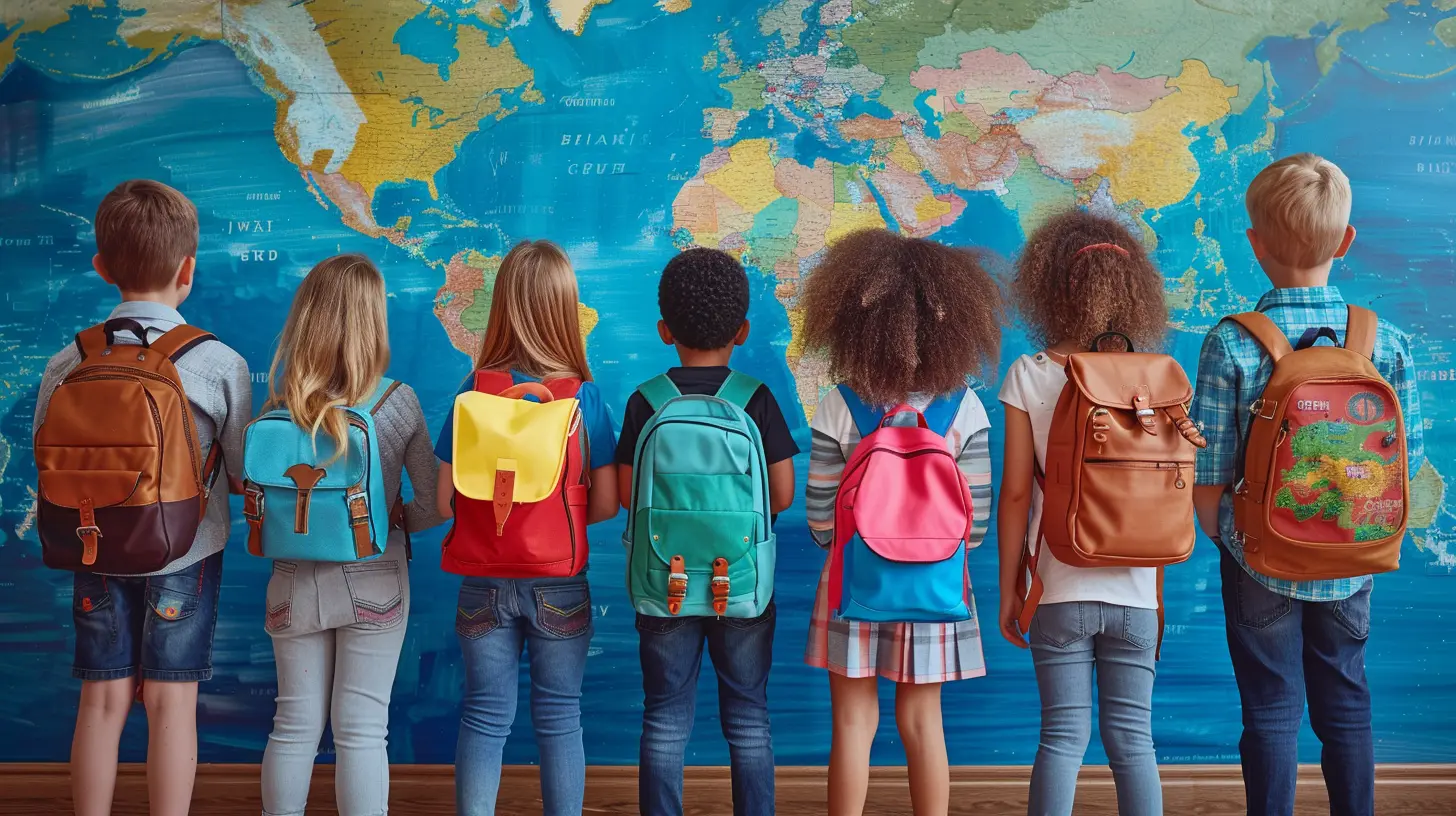
Step 2: Know Your Students Deeply
Ever tried creating something meaningful for someone without knowing who they are? Didn’t work so well, right?Knowing your students is non-negotiable. And no, I’m not just talking about their grades or their reading levels. I mean really knowing them:
- What languages do they speak at home?
- What traditions does their family celebrate?
- What cultural values guide them?
Use student surveys, family interviews, class discussions, and simple one-on-one chats. You’ll be surprised how much context you can gather just by paying attention and being genuinely curious.
Remember: every student has a story. Know it. Honor it.
Step 3: Diversify Your Content
Now we’re getting to the meat of it.Look at your curriculum. Whose voices are centered? Whose stories are missing? If all the authors, scientists, and historical figures you teach about come from the same demographic, that’s a red flag.
Start including:
- Literature from different cultures and perspectives
- Accurate history from non-Western viewpoints
- Local community stories and oral traditions
- Scientific contributions from underrepresented groups
This isn’t about erasing anything; it’s about expanding the narrative. Add more seats to the table so all students feel they belong.
And keep in mind: don’t just include diverse content during specific months (i.e., Black History Month or Asian Heritage Month). Make it a regular part of instruction throughout the year.
Step 4: Make Room for Multiple Ways of Learning
Not everyone learns the same way—and cultural background plays a HUGE role in this.Some students grow up in communities that value group learning and oral storytelling. Others may prefer independence and written expression. Honor both. Mix it up.
Try including:
- Collaborative group projects
- Visual and performance-based assessments
- Oral presentations and storytelling
- Journals and reflective writing
- Hands-on activities
By offering multiple entry points, you're not just being inclusive—you’re making the learning richer for everyone.
It’s like a buffet: not everyone wants the same dish, so give options!
Step 5: Challenge Stereotypes, Don't Reinforce Them
Here’s where things get tricky… and super important.Avoid generalizing or stereotyping cultures. Teaching "Africa is poor" or "Asians are great at math" does more harm than good. It reduces entire communities to one dimensional stereotypes—and students know when you’re doing it, even if it’s unintentional.
Instead, present cultures as complex, dynamic, and multi-faceted. Bring in sources from within those cultures; let people tell their own stories.
Also, check your materials for hidden biases—textbooks, media clips, even the images you use. Ask yourself: What narrative is this creating?
Step 6: Involve the Families and Communities
Guess what? Education doesn’t stop at the school door.To truly be culturally responsive, connect with families. Invite them into the classroom (physically or virtually). Ask them to share stories or teach about traditions. Make communication two-way—not just sending newsletters home but opening space for families to contribute.
Also, consider tapping into community leaders, local artists, and cultural organizations as guest speakers or collaborators. This bridges the gap between school and the real world.
When students see their home life respected in school, magic happens. Confidence goes up. Engagement deepens. Barriers break down.
Step 7: Change How You Assess Learning
Standardized tests don’t tell the whole story. Shocking, right?Many traditional assessments are based on a narrow cultural framework. They don’t always value creativity, oral expression, or community-based knowledge—all of which are vital in culturally rich environments.
So, shake it up:
- Use portfolios
- Let students pick from a menu of projects
- Encourage reflection and self-assessment
- Offer real-world tasks (like creating a podcast or writing to a local leader)
Give students the chance to show what they know in a way that makes sense for them.
Step 8: Stay Flexible and Open to Feedback
Let’s be honest: you’re not going to get it perfect right off the bat. And that’s okay.Creating a culturally responsive curriculum is an ongoing journey. It requires feedback, adaptation, and a bunch of humility.
- Ask your students what’s working
- Invite critique from colleagues and families
- Read new research, attend workshops, and keep growing
Teaching is like gardening. You plant some seeds, make adjustments, and nurture the environment. Growth takes time—and care.
Step 9: Advocate for Systemic Change
Real talk: your classroom doesn’t exist in a vacuum.If your school’s curriculum is outdated or centered around one culture, speak up. Use your voice to push for policies that embrace inclusion schoolwide. Share your experience. Offer to pilot a more culturally responsive approach. Support other teachers trying to do the same.
Change is hard. But silence is harder—especially for the students who are waiting to be seen.
Final Thoughts
Creating a culturally responsive curriculum isn’t just an educational strategy—it’s about basic human dignity. It affirms that every student, regardless of their background, deserves to feel valued, represented, and empowered in the classroom.And the beauty of it? When we open our curriculum to the world, students don’t just learn more—they become better humans. Compassionate. Curious. Confident. Ready to take on a diverse, global society.
So, what are you waiting for? It’s time to reimagine what’s possible in your classroom. Not just for some—but for all.
all images in this post were generated using AI tools
Category:
Cultural AwarenessAuthor:

Olivia Chapman
Discussion
rate this article
1 comments
Drift McGuire
Creating a culturally responsive curriculum requires more than just inclusion. It demands a deep understanding of diverse perspectives and a commitment to ongoing dialogue. Educators must actively engage with their communities to ensure relevance and authenticity in their teaching.
July 30, 2026 at 12:43 PM
Olivia Chapman
Absolutely. Engaging with communities and understanding diverse perspectives are crucial for making curriculum truly relevant and impactful.