How to Create a Motivating Classroom Environment
3 June 2026
Creating a motivating classroom environment is about more than just hanging colorful posters or playing upbeat music. It’s about crafting a space where students feel safe, encouraged, and excited to learn. When students are motivated, they engage more, retain information better, and develop a genuine love for learning.
If you're an educator, you know the struggle—some students arrive eager and ready, while others seem disconnected or uninterested. So, how can we spark that inner drive in every student? Let's break it down.

Why a Motivating Classroom Environment Matters
A classroom isn’t just a room with desks and chairs; it's a second home for students. The atmosphere you create directly impacts their enthusiasm, confidence, and performance.Think about it—have you ever walked into a dull, lifeless room and instantly felt drained? Now, imagine stepping into a vibrant, welcoming space where you feel valued. That’s the kind of transformation we're aiming for in the classroom.
When students feel motivated, they:
- Participate actively
- Develop problem-solving skills
- Build resilience and confidence
- Stay curious and engaged
- Perform better academically
Now, let's dive into the specific ways you can build a classroom that inspires and motivates.
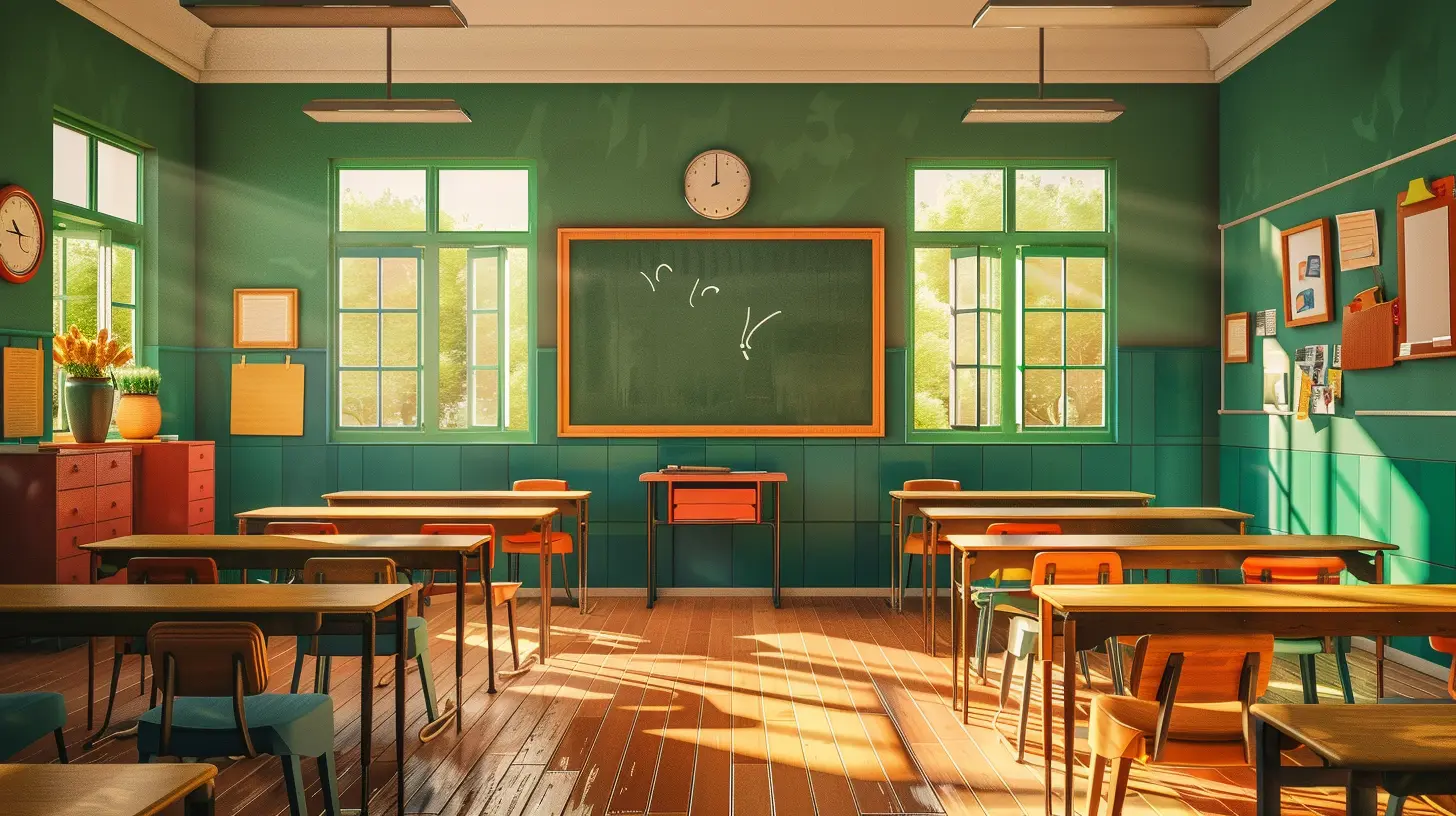
1. Foster a Positive Classroom Culture
Students thrive when they feel respected and included. The foundation of motivation is a classroom culture built on trust, encouragement, and a sense of belonging.How to Build a Positive Culture
- Encourage Open Communication – Let students know their thoughts and feelings matter. Create an environment where they feel comfortable expressing themselves.- Celebrate Small Wins – Whether it's answering a tough question or improving their handwriting, acknowledging achievements fosters positivity.
- Promote Kindness – Teach students to uplift one another. A "kindness wall" where they write positive notes about classmates can make a big difference.
- Set Clear Expectations – When students understand what’s expected of them, they feel more secure and willing to engage.
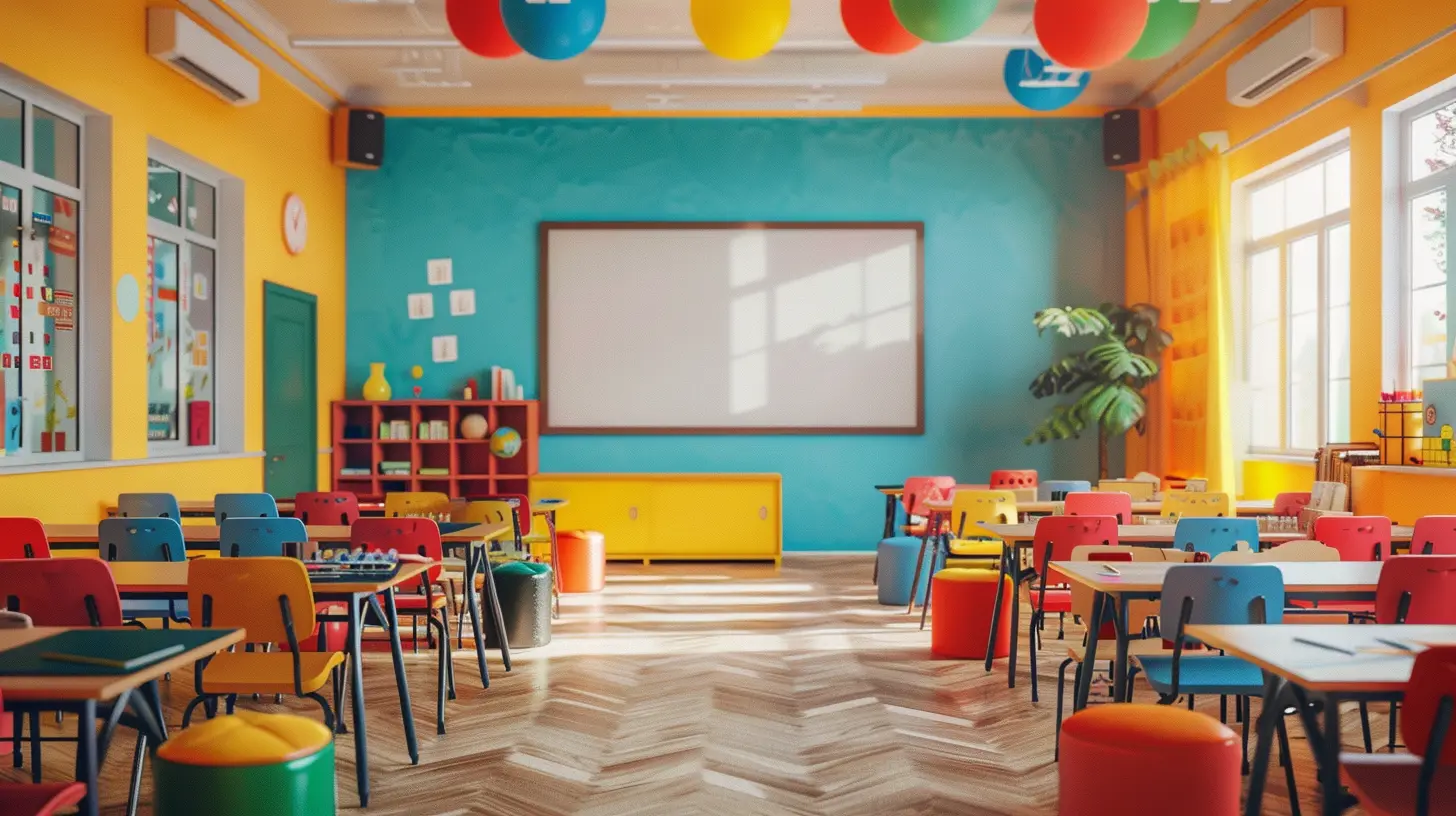
2. Make Learning Engaging and Interactive
Sitting through monotonous lectures can make even the most enthusiastic students zone out. An engaging classroom makes all the difference.Ways to Keep Learning Interesting
- Use Hands-On Activities – Science experiments, group projects, and interactive lessons keep students hooked.- Incorporate Technology – Smartboards, educational apps, and online quizzes turn lessons into fun experiences.
- Gamify Learning – Turn lessons into challenges or friendly competitions. Learning through games boosts motivation like nothing else.
- Encourage Group Work – Collaboration promotes teamwork, and students often learn better from peers.

3. Make the Classroom Physically Inviting
A dull and cluttered environment can feel unwelcoming, while an inviting space keeps students engaged and comfortable.How to Create a Welcoming Space
- Use Bright, Warm Colors – Studies show that certain colors impact mood. Choose shades that encourage focus and relaxation.- Organize and Declutter – A messy space can be distracting. Keep materials easily accessible and the room tidy.
- Create Comfortable Seating – If possible, offer flexible seating options like bean bags or standing desks for variety.
- Display Student Work – Showcasing students' achievements makes them feel valued and encourages them to take pride in their work.
4. Build Strong Teacher-Student Relationships
Ever had a teacher you connected with? If so, you probably worked harder in their class. That’s because students are more motivated when they feel respected and understood by their teacher.Ways to Build Strong Connections
- Show Genuine Interest – Learn about your students' hobbies, strengths, and goals.- Be Approachable – Let students know they can come to you with academic or personal concerns.
- Use Positive Reinforcement – A simple “Great job!” goes a long way in building confidence.
- Be Patient and Understanding – Every student learns differently. Encourage progress rather than perfection.
5. Encourage a Growth Mindset
A growth mindset is the belief that abilities and intelligence can develop with effort and persistence. When students understand that making mistakes is part of the learning process, they become more motivated.Ways to Promote a Growth Mindset
- Praise Effort, Not Just Talent – Instead of saying, “You’re so smart,” say, “I love how hard you worked on this.”- Teach the Power of 'Yet' – If a student says, “I can’t do this,” remind them, “You can’t do this yet.”
- Share Stories of Perseverance – Talk about famous personalities who failed before succeeding to inspire resilience.
- Encourage Reflection – Ask students what strategies worked for them and how they can improve next time.
6. Give Students Choices and Autonomy
Nobody likes being forced into things, especially students. Giving them a sense of control increases their motivation and engagement.How to Give Students More Autonomy
- Offer Choices in Assignments – Let them decide between a presentation, an essay, or a creative project.- Let Them Have a Say in Classroom Rules – When students help set the rules, they’re more likely to follow them.
- Encourage Self-Directed Learning – Allow students to explore topics they’re passionate about through independent projects.
7. Incorporate Real-World Connections
Students often ask, “When will I ever use this in real life?” Making learning relevant to their lives boosts motivation drastically.How to Make Lessons Meaningful
- Use Real-Life Examples – Relate math problems to budgeting or science lessons to everyday phenomena.- Bring in Guest Speakers – Seeing professionals apply knowledge in the real world can be inspiring.
- Take Learning Beyond the Classroom – Field trips, virtual tours, or real-world projects make education feel more practical.
8. Encourage Self-Motivation and Goal Setting
Students who take charge of their learning feel more invested in their progress.How to Help Students Stay Motivated
- Set Personal Goals – Guide students toward small, achievable milestones.- Create a Vision Board – Let them visualize their aspirations and track their progress.
- Provide Regular Feedback – Instead of just grades, offer constructive advice on how they can improve.
- Encourage Journaling – Let them reflect on what they’ve learned and what excites them.
9. Make Room for Fun and Creativity
Learning doesn’t have to be all serious business. A classroom that balances structure with fun keeps students coming back eager for more.Ways to Add Fun
- Theme Days – Dress-up days, storytelling sessions, or art exploration inject excitement.- Brain Breaks – Quick dance-offs, mindfulness exercises, or mini-games help reset attention.
- Creative Expression – Encourage students to express themselves through writing, music, or art.
Final Thoughts
Creating a motivating classroom environment isn’t about making drastic overnight changes. It’s about small, consistent efforts that build a space where students feel safe, excited, and inspired to learn.As educators, our role isn’t just to teach—it’s to ignite a passion for learning. When we create an environment that nurtures curiosity, confidence, and perseverance, we set students up for a lifetime of success.
So, what’s one small thing you can do today to make your classroom more motivating? Start there, and watch the magic unfold.
all images in this post were generated using AI tools
Category:
Student MotivationAuthor:

Olivia Chapman
Discussion
rate this article
1 comments
Patrick Mendoza
Creating a motivating classroom is essential for fostering a love of learning. By valuing each student's voice and nurturing their unique strengths, we can inspire them to reach their fullest potential.
June 10, 2026 at 2:47 AM
Olivia Chapman
Absolutely! Valuing each student's voice truly makes a difference. When they feel heard and appreciated, it fuels their passion for learning.