How to Incorporate Global Perspectives into Your Curriculum
16 June 2026
In today’s interconnected world, understanding diverse cultures, histories, and global challenges is more important than ever. Teaching students about different perspectives doesn’t just expand their minds—it prepares them for a world that is increasingly connected through technology, business, and social structures.
But how can educators bring a global perspective into their curriculum in a meaningful way? It’s not just about adding international topics to the syllabus; it’s about creating a learning environment where students develop empathy, critical thinking, and a deep appreciation for diverse viewpoints.
Let’s break it down step by step and explore practical ways to bring the world into your classroom.
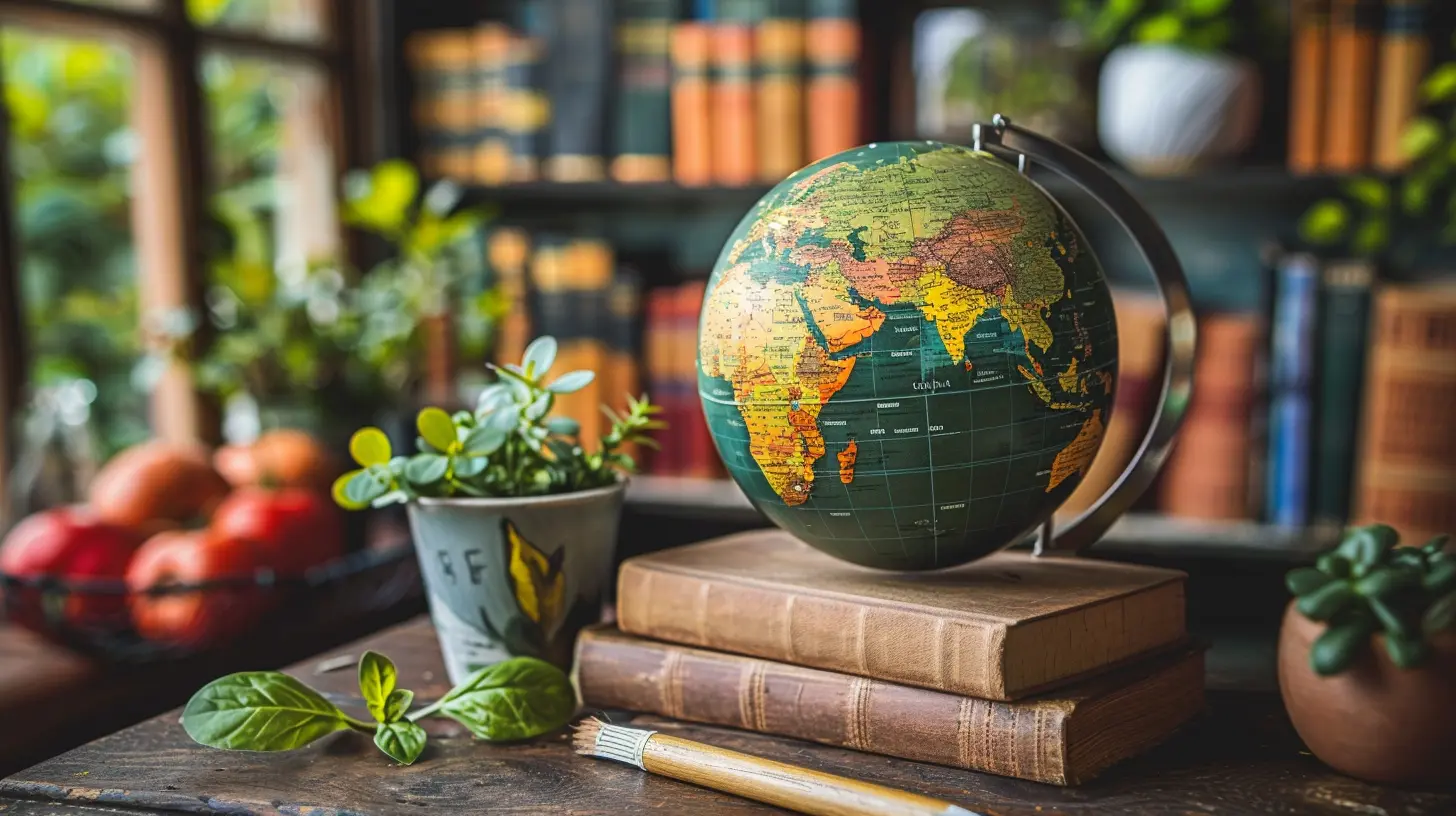
1. Why Global Perspectives Matter in Education
If we want to prepare students for the real world, we need to go beyond local and national perspectives. Incorporating global perspectives:- Helps students develop cultural awareness and empathy
- Encourages critical thinking about world issues
- Prepares students for international careers and collaborations
- Gives students a broader understanding of history, literature, politics, and economics
By integrating a global approach, we help students become well-rounded individuals who see beyond their immediate surroundings.
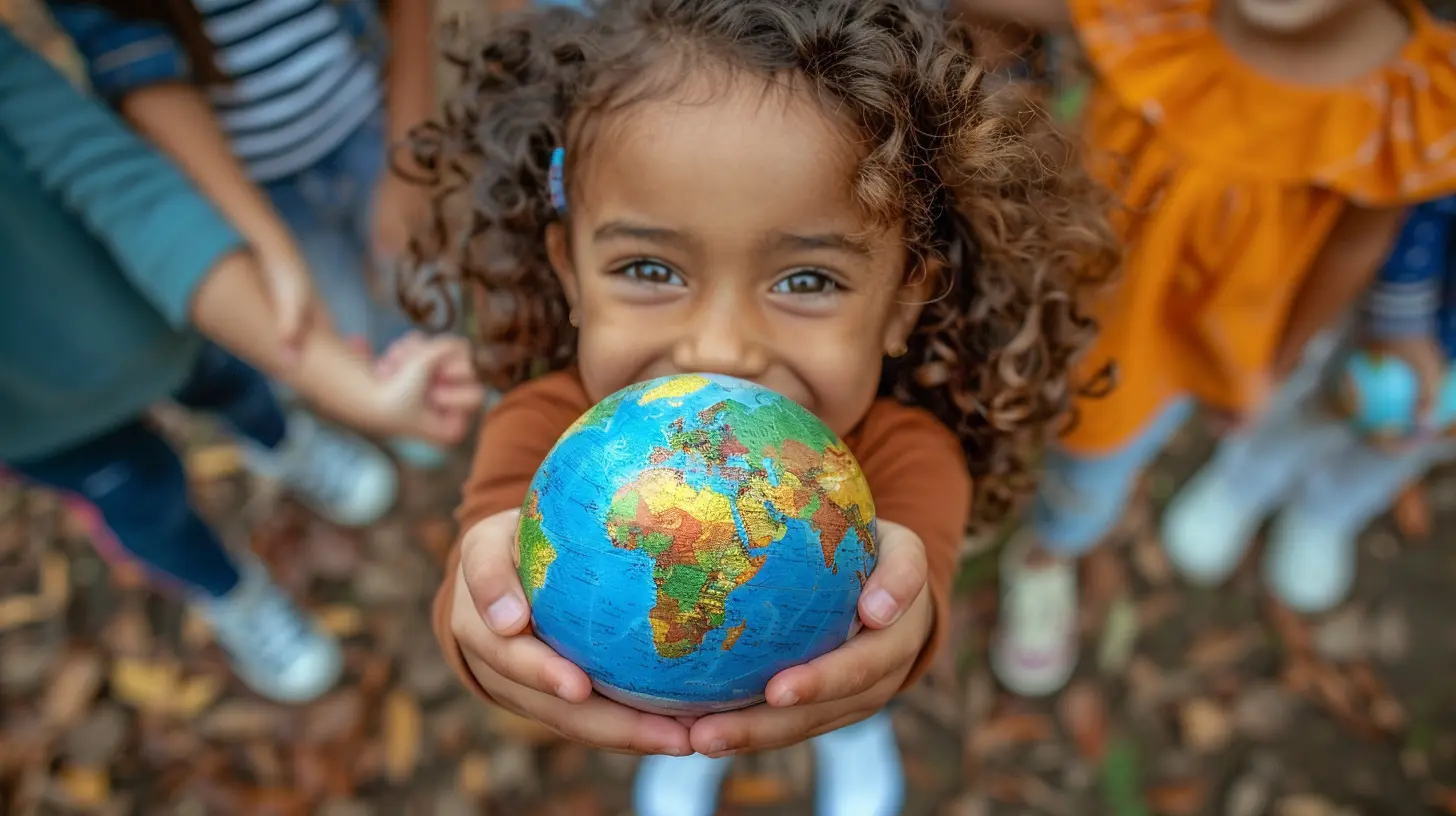
2. Start with Culturally Diverse Content
One of the easiest ways to make a curriculum more global is by including diverse voices in teaching materials. Instead of focusing solely on Western literature, history, or philosophies, educators can explore:- Literature from different parts of the world
- Historical events from multiple perspectives
- Scientific discoveries made by diverse cultures
- Contributions of underrepresented communities in various fields
For example, when teaching literature, educators can incorporate works from African, Asian, Latin American, and Indigenous authors to offer a richer, more inclusive experience.
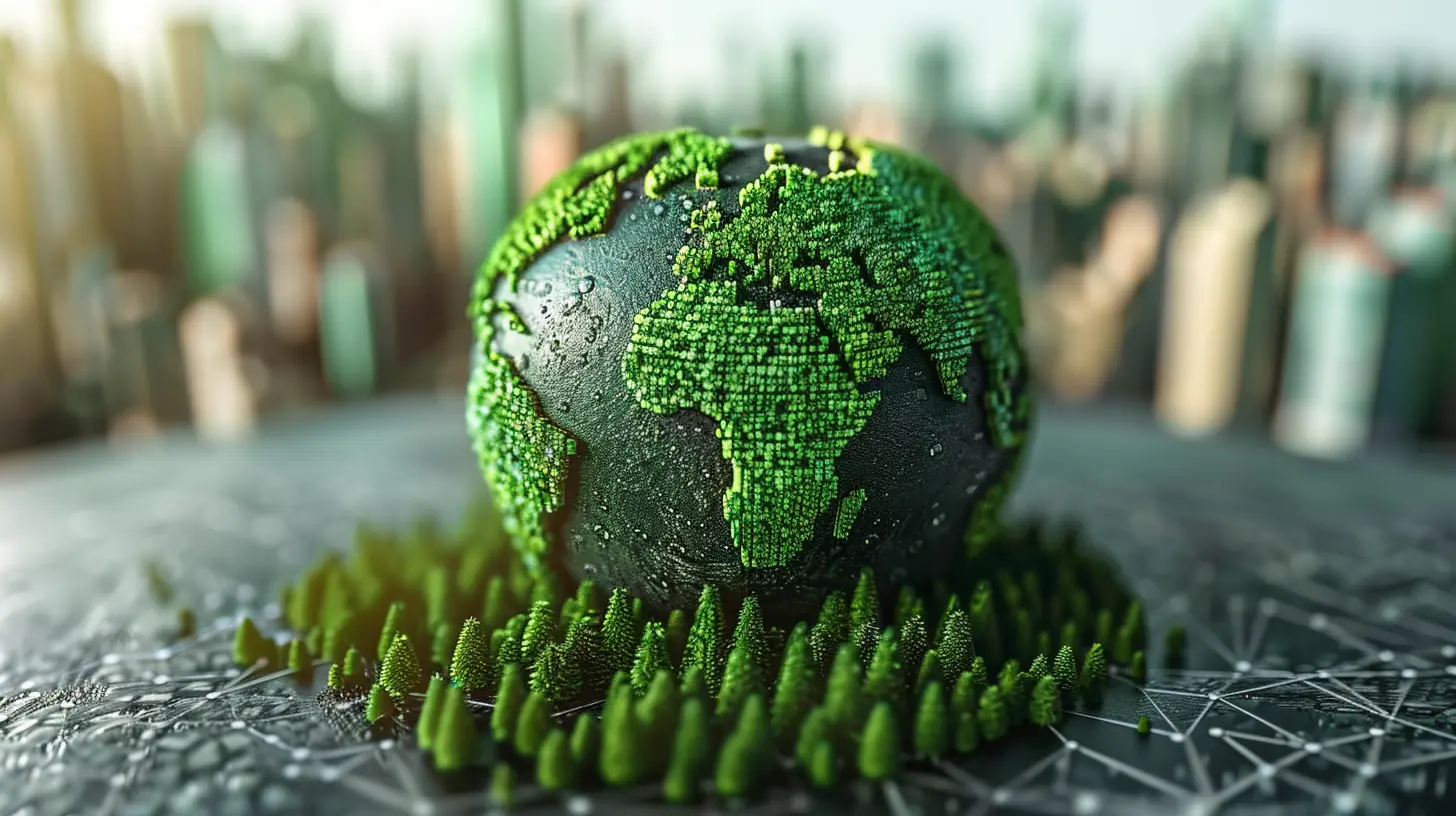
3. Use Technology to Connect with the World
Thanks to technology, the world is quite literally at our fingertips. Utilize digital tools to help students engage with global perspectives firsthand:- Virtual Exchange Programs – Partner with schools in other countries for online discussions, projects, and collaborations.
- Video Conferencing – Invite international guest speakers, authors, or subject experts to interact with your students.
- Online News Resources – Encourage students to read news from multiple countries to understand how events are perceived differently worldwide.
- Educational Apps and Platforms – Websites like Google Arts & Culture or Global Nomads Group provide interactive learning experiences.
Using technology brings a dynamic element to learning, making complex global issues feel more real and relevant.
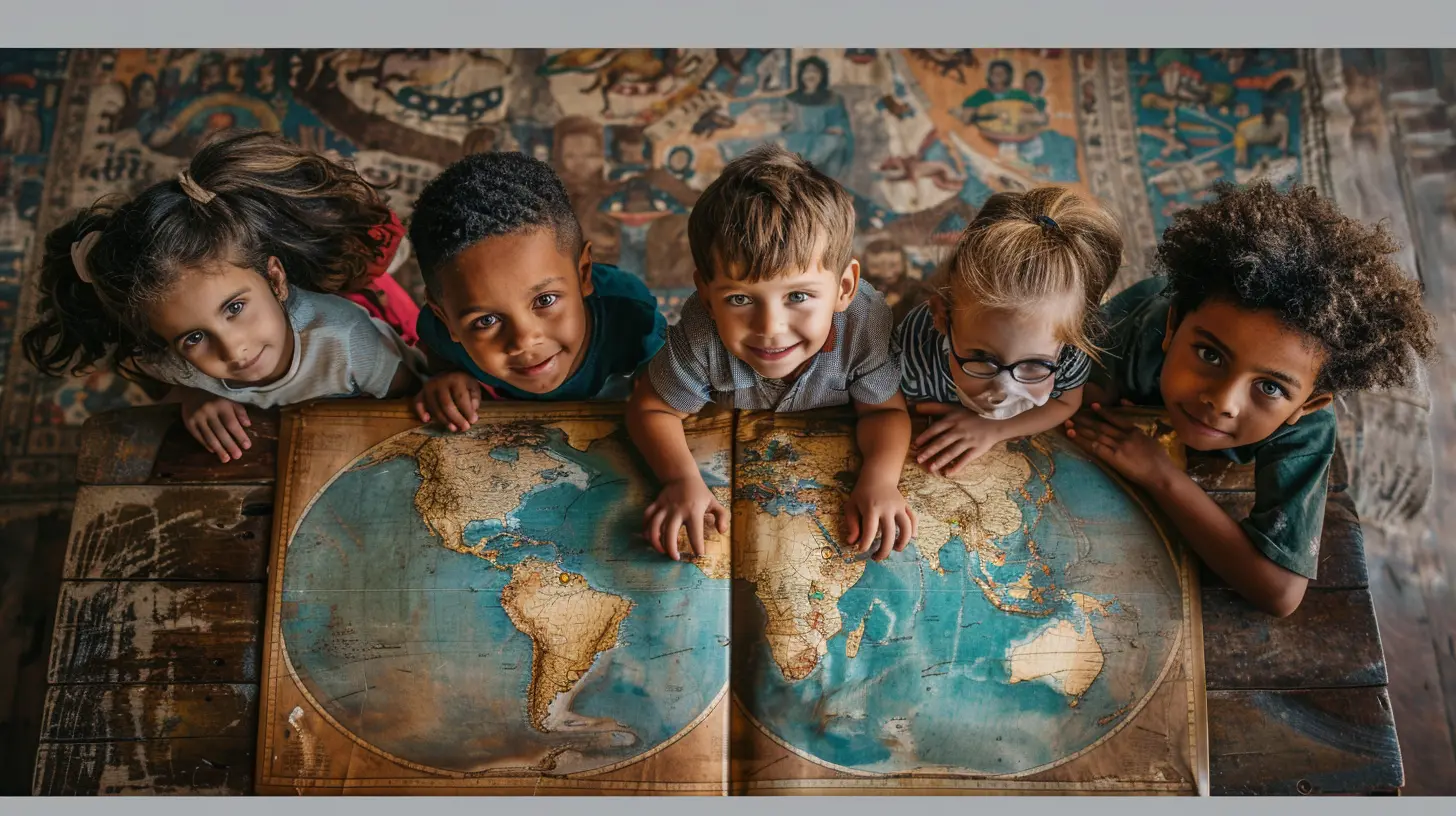
4. Encourage Critical Thinking About Global Issues
A global curriculum should not just introduce students to new topics—it should challenge them to analyze and question information. Encourage classroom discussions on:- Climate change and its worldwide impact
- Human rights issues across different nations
- Economic disparities between countries
- Global conflicts and peace-building efforts
By engaging students in debates and research projects, they develop problem-solving skills and a deeper understanding of global challenges.
5. Celebrate Cultural Festivals and Traditions
One of the most engaging ways to introduce students to different cultures is through their traditions, festivals, and customs. Why not organize:- International Food Day – Where students bring dishes from different cultures and learn their significance.
- Culture Weeks – Focus on a specific country each month, exploring its history, traditions, and contributions.
- Music and Dance Events – Let students experience different cultural art forms firsthand.
Experiencing culture through food, art, and celebration makes learning both fun and memorable.
6. Integrate Global Case Studies into Lessons
Whatever subject you’re teaching, there’s always a way to bring in real-world global examples. Examples include:- Science: Studying environmental issues like deforestation in the Amazon or air pollution in Beijing.
- Mathematics: Comparing economic data from different countries to understand global inequalities.
- History: Analyzing revolutions, wars, and movements from multiple perspectives.
- Economics: Examining global trade policies and their impact on developing nations.
These real-life examples help students connect theory to practice, making lessons more engaging and relevant.
7. Encourage Multilingualism
Being able to speak multiple languages is a huge advantage in today’s world. While not every student can become fluent in a second language, exposure to different languages can:- Improve cognitive skills and problem-solving abilities
- Boost cross-cultural communication skills
- Enhance global career opportunities
Teachers can encourage multilingualism by incorporating foreign language phrases into lessons, using bilingual books, or promoting foreign language clubs.
8. Foster Global Citizenship through Community Projects
Learning about the world shouldn't just stop at books and discussions—it should inspire action. Encourage students to engage in:- Volunteer work with refugee communities
- Fundraisers for international relief efforts
- Letter exchanges with students from other countries
- Advocacy projects focusing on global sustainability
These initiatives help students see themselves as global citizens who can make a difference beyond their local community.
9. Engage with International Pen Pals and Exchange Programs
A personal connection with someone from another culture can be life-changing. Schools can partner with international organizations to set up virtual or physical student exchanges.By communicating with international peers, students:
- Understand cultural differences firsthand
- Develop communication and interpersonal skills
- Build lifelong friendships across borders
Even simple activities like writing letters or sending video messages can create meaningful connections.
10. Encourage Teachers to Develop Their Global Awareness
Before educators can teach global perspectives, they must embrace them themselves. Teachers can expand their worldviews by:- Attending international education conferences
- Enrolling in cultural competency training
- Reading books and research from global scholars
- Traveling and engaging with different cultures firsthand
When educators bring their own global experiences into the classroom, it naturally inspires students to think beyond their immediate environment.
Final Thoughts
Incorporating global perspectives into your curriculum isn’t just “nice to have”—it’s essential for preparing students for the future. By broadening their horizons, exposing them to different cultures, and challenging them to think critically about global issues, we equip them with the skills they need to thrive in an interconnected world.The best part? It doesn’t have to be complicated! Small steps, like including diverse books, discussing world events, and engaging with international communities, can make a big difference.
So, what’s one small way you can start incorporating global perspectives in your classroom today?
all images in this post were generated using AI tools
Category:
Curriculum DesignAuthor:

Olivia Chapman
Discussion
rate this article
1 comments
Diesel Holland
This article is a great reminder of how vital it is to broaden our students' horizons. Global perspectives enrich learning and help foster empathy in the classroom.
June 20, 2026 at 6:29 PM
Olivia Chapman
Thank you for your thoughtful comment! I'm glad you found the article valuable in promoting global perspectives in education.