Incorporating Cultural Holidays into the Classroom
5 July 2026
Cultural diversity is what makes our world vibrant and unique. Every culture celebrates holidays that hold special meaning for its people, and incorporating these cultural holidays into the classroom can be a game-changer for students. It’s not just about adding fun activities—it's about fostering respect, understanding, and inclusivity.
So, how can teachers seamlessly blend cultural holidays into their lesson plans? Let’s dive in! 
Why Cultural Holidays Matter in Education
Imagine a classroom where students feel seen, valued, and respected for who they are. That’s what incorporating cultural holidays can do. Celebrating diverse traditions helps students:- Gain global awareness – Understanding different cultures prepares students for a diverse world.
- Build respect and empathy – Learning about others’ traditions fosters appreciation and breaks down stereotypes.
- Feel represented – For students from diverse backgrounds, seeing their culture recognized boosts confidence and self-worth.
Neglecting cultural holidays can send an unintended message that certain traditions matter more than others. By embracing diversity, teachers create an inclusive space where everyone belongs. 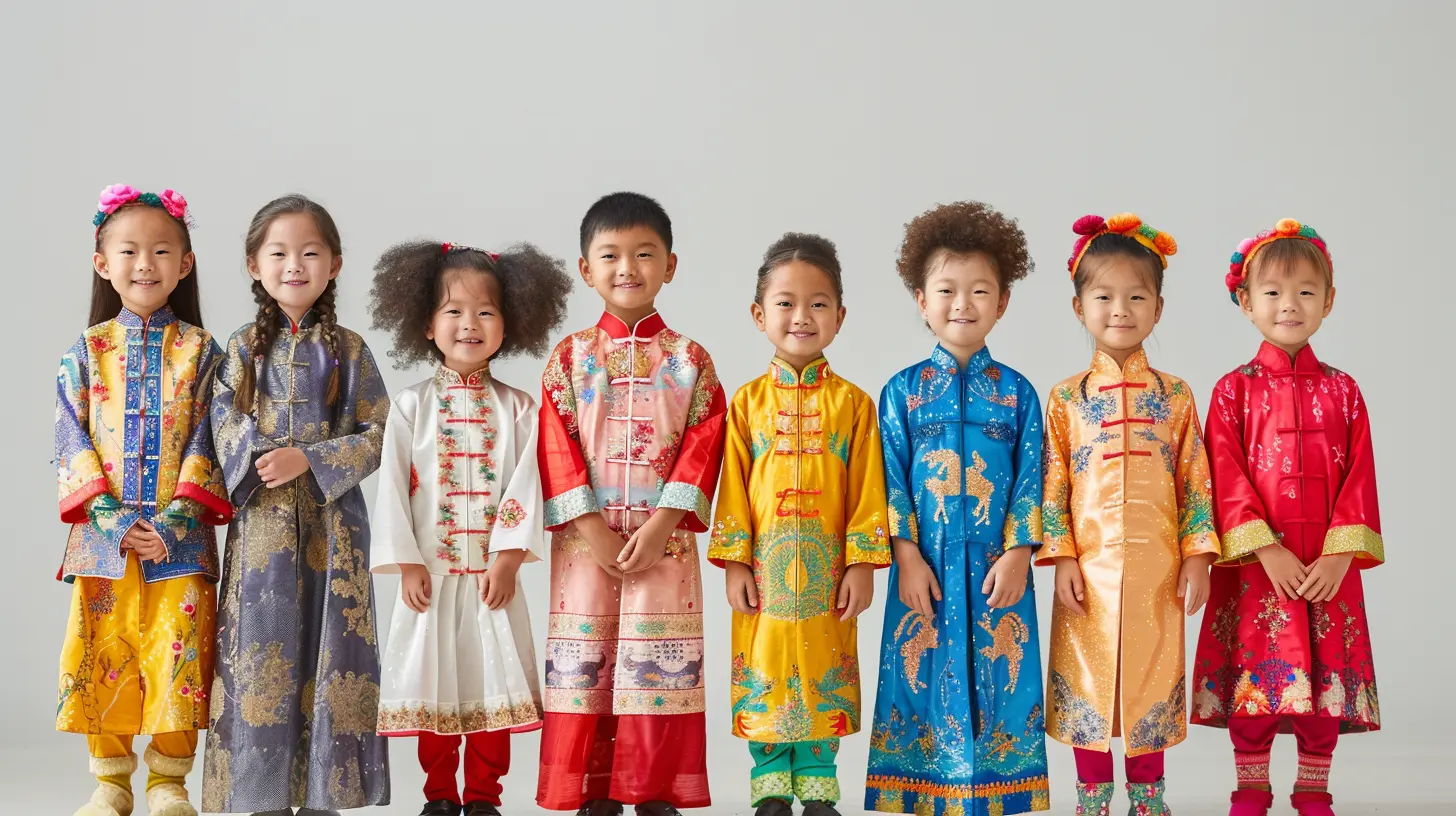
The Best Ways to Incorporate Cultural Holidays
Now that we know why it’s important, let’s tackle the how. Here are some effective ways to introduce cultural holidays into your classroom.1. Let Students Lead the Way
What better way to learn than from someone with firsthand experience? Encourage students to share their family traditions and customs. They can bring pictures, artifacts, or even traditional food (if allowed).For younger students, invite parents to participate. A mother demonstrating how to make a traditional dish or a father explaining the significance of a festival can create unforgettable learning moments.
2. Create a Cultural Holiday Calendar
Instead of only celebrating well-known holidays like Christmas or Halloween, introduce a classroom holiday calendar that highlights festivals from around the world.Some ideas include:
- Diwali (Hindu Festival of Lights) – India
- Lunar New Year – Celebrated in China, Korea, Vietnam, and other Asian cultures
- Hanukkah – Jewish Festival of Lights
- Ramadan & Eid – Observed by Muslims globally
- Día de los Muertos – Mexican Day of the Dead
You don’t need to celebrate every single holiday but rotating through different ones each year keeps things fresh and engaging.
3. Use Books and Stories
Storytelling is a powerful teaching tool. Find books that introduce students to cultural holidays in an engaging way. Here are some great options:- "Festival of Colors" by Kabir Sehgal & Surishtha Sehgal (Holi)
- "Ruby’s Chinese New Year" by Vickie Lee (Lunar New Year)
- "My First Ramadan" by Karen Katz (Ramadan)
- "The Night Before Hanukkah" by Natasha Wing (Hanukkah)
Reading stories helps students connect emotionally with different traditions and cultures while improving literacy skills.
4. Incorporate Arts and Crafts
Kids love hands-on activities, and cultural holidays provide the perfect opportunity for creativity. Some ideas include:- Diwali – Making paper diyas (lamps) using colorful paper
- Chinese New Year – Crafting red envelopes or paper lanterns
- Día de los Muertos – Cutting out papel picado (decorative banners)
- Eid – Designing Eid greeting cards in Arabic calligraphy
- Hanukkah – Creating a paper menorah or dreidel
These activities don’t just introduce culture—they also encourage creativity and engagement.
5. Cook (or Simulate) Traditional Foods
Food is a universal language that brings people together. While cooking may not always be possible in a classroom, learning about traditional dishes is just as fun!- Lunar New Year: Dumplings and rice cakes
- Diwali: Sweets like ladoo and jalebi
- Ramadan & Eid: Dates and biryani
- Hanukkah: Latkes and sufganiyot (jelly donuts)
- Día de los Muertos: Pan de muerto (sweet bread)
If allowed, students can bring homemade dishes from home. If not, watching cooking videos or discussing traditional meals still provides insight into cultural traditions.
6. Music and Dance Performances
Music and dance are deeply tied to cultural celebrations. Play traditional songs and, if possible, invite guest performers to showcase cultural dances. Some examples include:- Chinese New Year: Lion dance performances
- Diwali: Bollywood or classical Indian dance
- Hanukkah: Jewish folk dances like Hora
- Eid: Arabic music with traditional percussion instruments
- Día de los Muertos: Traditional Mexican mariachi or folk dances
If in-person performances aren’t possible, watching video clips and trying simple dance steps as a class can still be a fun and educational experience.
7. Research Projects on Cultural Holidays
For older students, assign individual or group research projects on cultural holidays of their choice. Have them present their findings through:- Posters
- Slide presentations
- Short videos
- Creative storytelling
Encourage creativity! Some students may want to create a skit, write a song, or even put together a mock festival.
8. Respect and Sensitivity in Cultural Discussions
While incorporating cultural holidays, it's critical to focus on authenticity and respect. Avoid stereotypes, and encourage thoughtful discussions. Ask questions like:- What values does this holiday celebrate?
- How do families observe it differently?
- Why is this holiday meaningful to the people who celebrate it?
Teach students that cultural appreciation is different from cultural appropriation. The goal is to honor traditions, not mimic them without understanding. 
Addressing Potential Challenges
Bringing cultural holidays into the classroom can sometimes feel tricky, especially in schools with strict policies on religious or cultural teachings. Here’s how to navigate common challenges:- Be mindful of religious sensitivities – Some parents may have concerns about religious discussions. Frame lessons as cultural education rather than religious instruction.
- Include a variety of holidays – Avoid focusing on just one culture. A well-balanced approach ensures inclusivity.
- Give students a choice – Not every student may be comfortable participating in holiday activities. Offer alternative assignments if needed.
By handling these concerns thoughtfully, teachers can make cultural learning accessible for all. 
The Lasting Impact of Cultural Celebrations in School
When students learn about different holidays, they don’t just memorize facts—they develop empathy, curiosity, and a sense of global citizenship.Classrooms that integrate cultural holidays become more than just places of learning. They become communities where students appreciate and celebrate diversity, setting the foundation for a more inclusive society.
So, why not bring the magic of cultural celebrations to your classroom? Your students will thank you for it!
all images in this post were generated using AI tools
Category:
Cultural AwarenessAuthor:

Olivia Chapman
Discussion
rate this article
1 comments
Brooke McLoughlin
This article highlights an important aspect of education. Incorporating cultural holidays fosters inclusivity and helps students appreciate diversity, making the classroom a richer learning environment.
July 7, 2026 at 11:07 AM
Olivia Chapman
Thank you for your insight! I completely agree that celebrating cultural holidays can really enhance the learning experience and build a sense of community in the classroom.