Integrating Character Education into STEM Subjects
1 August 2026
Picture this: a classroom filled not just with equations and experiments, but with empathy, integrity, and creativity. A space where students not only build robots but also build responsibility. That’s the magic waiting to happen when we talk about integrating character education into STEM subjects.
Sure, we’re all buzzing about science, technology, engineering, and math – and rightly so. These fields shape our future, fuel innovation, and help students prepare for real-world careers. But what if we could shape not only brilliant minds but also good hearts? Let's dive into this juicy intersection of intellect and ethics.
Why Character Education Matters Now More Than Ever
Let’s be real. The world today is churning with challenges – misinformation, climate change, inequality, and more. So, while we absolutely need sharp problem-solvers, we also desperately need people who can think ethically, lead empathically, and act responsibly. That’s where character education comes in.But here’s the catch: character education doesn't have to be a standalone subject. It can flow right into what we’re already teaching – yes, even STEM.
Think of it like embedding vitamins in your favorite smoothie. You don’t notice it, but it makes everything healthier.
The Power Couple: STEM and Character Education
STEM trains students to solve problems. Character education teaches them to solve the right problems in the right way.Together? They’re like peanut butter and jelly – better together. Here’s how it works:
- Critical Thinking + Ethics = Responsible decision-making
- Teamwork + Respect = Healthier collaboration
- Innovation + Integrity = Trustworthy solutions
- Resilience + Grit = Better persistence during failures
In essence, integrating character education into STEM creates holistic learners — thinkers who care as much as they calculate.
How to Seamlessly Blend Character Education in STEM
Alright, now let’s roll up our sleeves and get practical. How do we bring this poetic fusion into our classrooms and curricula? Spoiler: It’s not that hard.1. Start with Real-World Problems
One of the best ways to integrate character into STEM is to give students real-world problems that require ethical consideration.Ask yourself and your students:
- What are the implications of this technology on society?
- Is this engineering solution environmentally sustainable?
- How might this mathematical model impact diverse communities?
When students use STEM to work on meaningful projects — like designing accessible tech or reducing food waste — they naturally bump into moral dilemmas. And guess what? That’s where character education lives.
2. Emphasize Teamwork in Projects
Group work isn’t just about splitting tasks — it’s a golden opportunity to cultivate character traits like cooperation, accountability, and empathy.Encourage students to:
- Respect diverse opinions
- Share responsibilities equitably
- Handle conflict respectfully
- Apologize and forgive mistakes
Let’s not forget, even in the tech world, people hire for attitude and train for skill. Teaching these 'soft' skills in STEM gives students a competitive edge.
3. Highlight Ethical Dilemmas in Science and Tech
Who says classroom scenarios can’t get dramatic?Bring in juicy case studies about AI bias, genetic editing, climate engineering, or even self-driving car dilemmas. Then ask:
- What’s the right thing to do here?
- Who gets affected by this decision?
- How would you feel in this situation?
These conversations uncover students' values and build moral muscle. You’re not just developing coders or chemists – you’re shaping conscious citizens.
4. Use Reflective Writing Prompts
Just because STEM is analytical doesn’t mean we should ditch storytelling.Try this: After a STEM project, ask students to write a short reflection answering questions like:
- What were the biggest challenges and how did we overcome them?
- What would I do differently next time with more integrity?
- How did I contribute to the team’s success?
This kind of introspection helps students connect the dots between their actions and their impacts — a cornerstone of character growth.
5. Celebrate Grit, Not Just Grades
Here’s a truth bomb: growth doesn't always wear a gold medal.Instead of only celebrating the top score or fastest solution, highlight students who:
- Didn’t give up after failing
- Helped their teammates finish strong
- Showed curiosity even when confused
These are the unsung moments where character is built. Let’s give them the spotlight they deserve.
6. Role Models in STEM — With Strong Moral Compasses
Introduce your students to STEM heroes who used their brilliance for the greater good.Think:
- Katherine Johnson, whose math helped NASA — and who did it with grace despite segregation.
- Temple Grandin, who used engineering to advocate for humane animal treatment.
- Tim Berners-Lee, who invented the web and chose not to patent it so knowledge could be free.
These stories inspire students to not just be smart, but be good.
7. Foster a Classroom Culture that Breathes Values
You can’t preach what you don’t practice.Model character in your own teaching. Admit when you’re wrong. Show appreciation. Encourage curiosity. Create a space where every student feels seen, heard, and valued.
Remember, the way we teach is just as important as what we teach.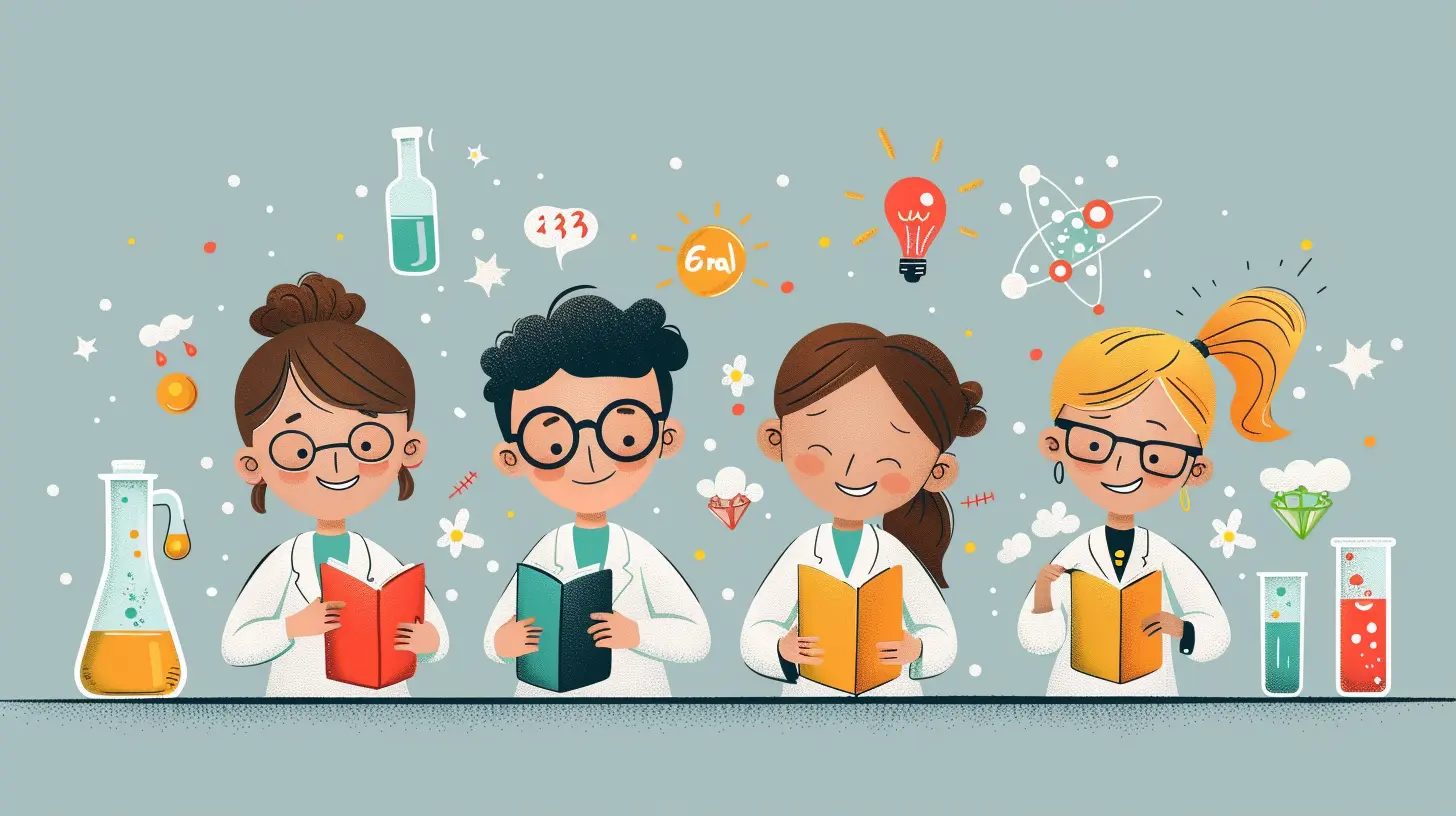
Challenges Teachers Might Face (And How to Tackle 'Em)
No sugarcoating here – integrating character education into STEM isn’t a walk in the park. Teachers already juggle a lot — deadlines, curriculum demands, testing... you name it.But hey, here’s the thing: It doesn’t have to be extra. It just has to be intentional.
Here are some common hurdles and how to leap over them:
- Time Constraints
→ Embed character questions within existing lessons. It’s not about adding, it’s about layering.
- Lack of Training
→ Schools can offer PD (professional development) workshops on social-emotional learning in STEM. Or peer mentorship!
- Assessment Woes
→ Use rubrics that score for collaboration, reflection, and ethics — not just test scores.
- Student Resistance
→ Keep it real. Tie character conversations to current events and everyday decisions. Show how ethics matters.
The Future Belongs to Whole-Hearted Innovators
Let’s face it — the world doesn’t need cold, calculating geniuses. It needs passionate problem solvers, grounded in moral clarity.By integrating character education into STEM, we’re not just teaching content. We’re shaping consciences. We're lighting the fire for a kind of learning that lasts — because it connects not just to the brain, but to the soul.
Imagine a generation of leaders who write code and care. Who build bridges and build trust. Who launch rockets and lift people up.
That’s not a pipe dream. That’s the power of teaching STEM with heart.
Final Thoughts: It’s Time to Rethink What Success Looks Like
In the world of STEM, we often chase precision. But life? Life’s more poetic than precise.Success isn’t just a perfect algorithm or an elegant equation. It’s about solving human problems with human values.
So let’s raise a generation who can calculate and care, code and connect, construct and contribute.
We’ve got the tools. We’ve got the talent. Now let’s put our hearts where our head is.
all images in this post were generated using AI tools
Category:
Character EducationAuthor:

Olivia Chapman
Discussion
rate this article
1 comments
Ava Collins
Character education enriches STEM learning.
August 3, 2026 at 4:20 AM
Olivia Chapman
Absolutely! Integrating character education into STEM fosters critical thinking and ethical responsibility, enhancing overall learning experiences.