Personalized Learning: The Role of Differentiation in Student Success
10 March 2026
Let’s be real—everyone learns differently. Some people are visual learners who need to see things to get them, others are auditory and thrive on lectures and discussions, while many love to move and touch and learn by doing. That’s the beauty of humanity, right? We're all unique. So why do traditional classrooms still expect students to learn the same way, at the same pace, and through the same methods?
That's where personalized learning and differentiation come into play. These aren't fancy buzzwords meant to dazzle educators—they’re actual game-changers when it comes to student success.
In this article, we’ll break down what personalized learning is all about, why differentiation isn’t just a teaching strategy but a necessity, and how these approaches can empower students to thrive academically and personally. Buckle up—it’s time to rethink how we do education.
What is Personalized Learning?
Imagine trying to fit every student into the same mold. Not only is that unrealistic, but it also ignores the unique strengths, challenges, and interests each learner brings to the table.Personalized learning is all about tailoring the educational experience to fit the individual student. It’s like a custom-made suit—perfectly adjusted to fit just right. It considers a student’s skills, needs, preferences, and goals. Instead of a cookie-cutter approach, it’s flexible, responsive, and most importantly—student-centered.
Key Elements of Personalized Learning
- Learner Profiles: Understanding a student’s background, interests, learning styles, and strengths.- Personal Learning Paths: Creating individual learning plans based on needs and goals.
- Competency-Based Progression: Moving forward when a student has mastered the concept, not just based on age or grade.
- Flexible Learning Environments: Providing various ways and places to learn—digitally, hands-on, collaboratively.
Think of it as tuning a radio dial just right so each student can hear their own station loud and clear.
Okay, So What’s Differentiation?
Differentiation is the “how” behind personalized learning. It’s the secret sauce educators use daily (even if they don't realize it) to meet the diverse needs in their classrooms.Put simply, differentiation means adjusting instruction to accommodate different learners. Not all students need the same thing at the same time. Differentiation is about giving every student access to content in a way that works best for them—whether that’s through varied teaching strategies, different materials, or customized assessments.
It’s like a buffet. Not everyone wants the same dish, and that’s okay. The goal is to make sure everyone leaves satisfied and nourished.
Why Personalization and Differentiation Matter More Than Ever
There’s no denying it—education has changed. We’re not just preparing students for tests anymore; we’re preparing them for life.In today’s fast-paced, digital-first world, rigid and one-size-fits-all approaches simply don’t work. Students need to be agile, creative, and deeply connected to what they're learning if we're serious about helping them succeed.
Here are a few solid reasons why personalization and differentiation are no longer optional—they’re essential.
1. Every Brain Is Wired Differently
Neuroscience backs it up: no two brains are alike. Kids come to school with different prior knowledge, language abilities, emotional states, and learning capacities. Trying to teach all of them the same way is like using one key to try and open every lock.Differentiation acknowledges these differences and helps teachers unlock the potential of every learner.
2. Motivation Soars When Students Feel Seen
When students realize that their teacher “gets them,” they come alive. Personalized learning shows them that their voice matters and their journey is their own. That kind of recognition builds confidence and intrinsic motivation like nothing else.3. Flexibility = Engagement
Let’s face it—when students are stuck in a system that doesn’t fit their needs, engagement tanks. But when they get to choose how they learn (or at least have some say in it), they’re far more likely to dive in. Differentiation offers that flexibility. It says, “Let’s find what works for you,” instead of “Here’s what you have to do.”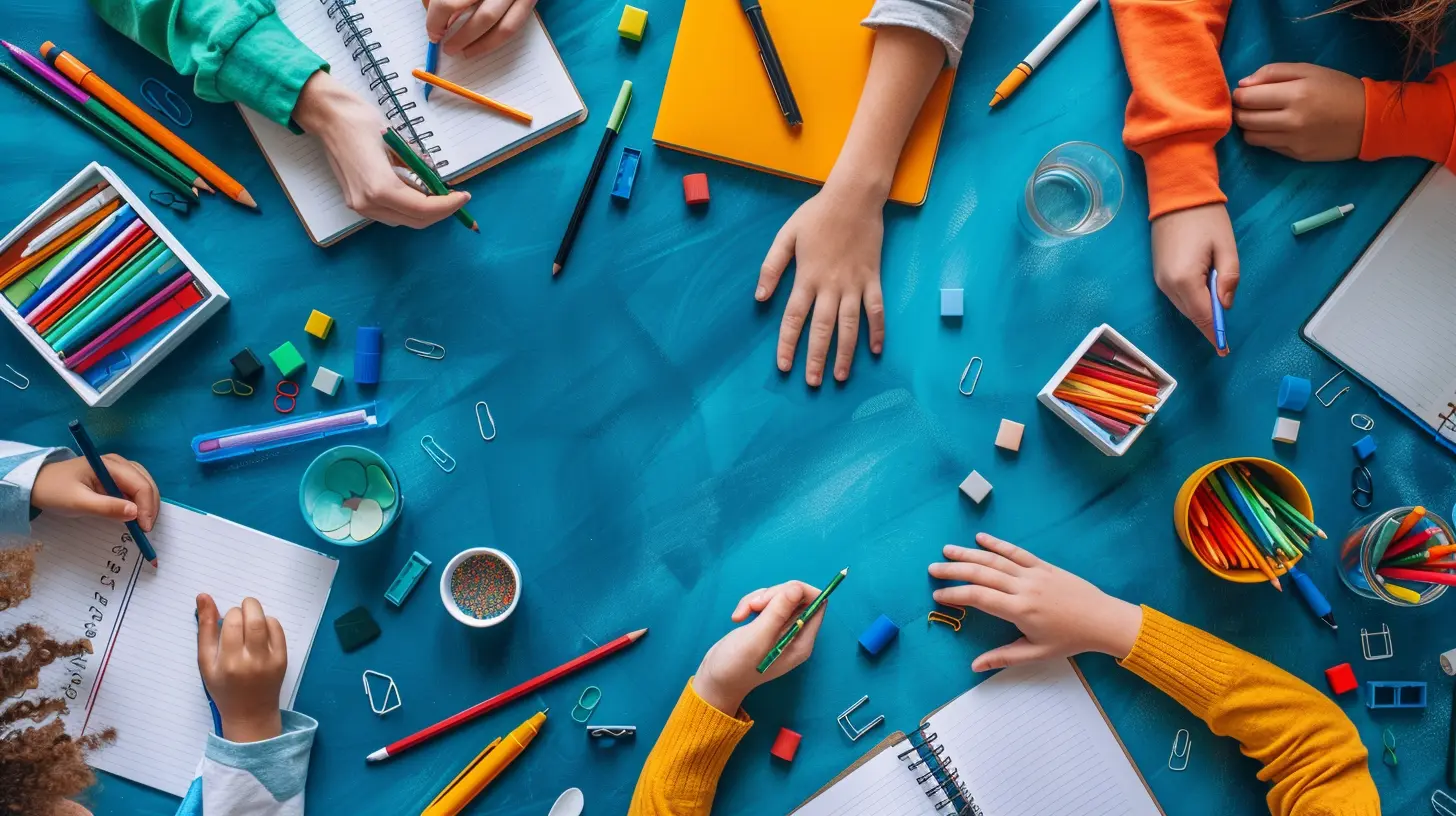
Strategies That Bring Differentiation to Life
Okay, theory is cool, but how does this actually play out in a real classroom?Here are some powerful ways educators are making personalized learning and differentiation part of their daily teaching practice:
1. Tiered Assignments
Not every student needs the same level of complexity. Tiered assignments allow students to work on tasks that are challenging but achievable—based on where they are, not where the curriculum says they “should” be.It’s like lifting weights. You wouldn’t start a beginner with 100 pounds—same goes for learning new concepts.
2. Choice Boards
Who doesn’t love a little autonomy? With choice boards, students pick how they show what they’ve learned. Maybe one student creates a video, another writes an essay, and a third builds a model. Same content, different paths.3. Flexible Grouping
Mix it up! Don’t always group students by ability. Let them collaborate based on interests, learning style, or even randomly sometimes. This keeps things fresh and allows students to explore diverse perspectives.4. Exit Tickets and Check-Ins
These are quick ways to take the pulse of a class. What did students grasp? Where are they stuck? This helps educators adjust instruction in real time instead of waiting until it’s too late.5. Use of Technology
There are tons of tech tools out there—from adaptive learning platforms to interactive games—that adjust content based on skill level. These tools make personalized learning much more manageable, especially in large classrooms.How Students Benefit from Personalized Learning
Now, let’s shine the spotlight on the students. Because at the end of the day, this is all about them.1. Learner Empowerment
When students are part of the learning process—not just passive recipients of information—they feel more in control. They ask better questions, set goals, and take responsibility for their learning journey.2. Mastery Over Memorization
Personalized learning focuses on deep understanding. It’s not about cramming for a test and forgetting it all the next day. It’s about mastery—really knowing the “why” and “how,” not just the “what.”3. Builds Real-World Skills
Students learn time management, problem-solving, communication, and self-assessment. These aren’t just classroom skills—they’re life skills.4. Reduces Learning Gaps
By addressing individual needs and pacing learning appropriately, students who might otherwise fall behind get the support they need to catch up and stay on track.Challenges Are Real—but So Are the Solutions
Let’s not sugar-coat it. Personalized learning and differentiation sound amazing, but they can be hard to implement. Time constraints, standardized testing, large class sizes… the list goes on.But here's the thing: the payoff is worth it. And with the right mindset, tools, and support, it’s doable.
Teachers Need Support Too
Educators are superheroes, but even superheroes need sidekicks. Schools need to invest in professional development that equips teachers with the tools and mindset to personalize learning effectively.Start Small
You don’t need to overhaul your entire classroom overnight. Start with small changes—maybe a single differentiated lesson or a choice board each week. Over time, these small shifts create big transformations.Building a Culture of Personalized Success
Personalized learning isn’t just a teaching strategy—it’s a mindset, a culture, even a movement. When schools embrace differentiation as a way of life, it changes everything—from how lessons are designed to how students feel about themselves.Imagine a classroom where every student's uniqueness is seen as a strength, not a problem to solve. A place where students are excited to learn because they know the education they’re getting is meant just for them.
Sounds like a dream? Not really. It’s already happening—and it can happen anywhere.
Final Thoughts: Your Learning, Your Way
At its core, personalized learning and differentiation are about one thing: seeing students as individuals, not numbers. Every student has a story, a spark, a set of incredible talents waiting to be unleashed. When we teach with that in mind, magic happens.So whether you're a teacher, parent, or student, remember this—one-size-fits-all is out. Custom-fit is in.
Let’s shape education that fits the learner, not the other way around. Because when students feel understood, supported, and empowered, they don’t just succeed—they soar.
all images in this post were generated using AI tools
Category:
Differentiated InstructionAuthor:

Olivia Chapman
Discussion
rate this article
2 comments
Kenna Mason
Personalized learning is like tailoring a suit for each student—one size definitely doesn’t fit all! Let’s help every learner look sharp and strut their academic stuff with style!
March 16, 2026 at 1:39 PM
Olivia Chapman
Absolutely, personalized learning enhances individual strengths and needs, ensuring every student shines in their own unique way.
Patience McNeely
This article highlights the crucial role of differentiation in personalized learning. By addressing individual student needs and learning styles, educators can foster greater engagement and improve outcomes. Effective differentiation empowers students to reach their full potential, making it an essential strategy in modern educational practices for enhanced student success.
March 15, 2026 at 7:46 PM
Olivia Chapman
Thank you for your insightful comment! I completely agree that differentiation is key to unlocking each student's potential and enhancing their learning experience.