Project-Based Learning: Transforming Curriculum for Active Learning
17 January 2026
Education has come a long way from the chalk-and-talk days. Blackboards are now smartboards. Students aren’t just memorizing facts—they’re solving real-world problems. And front and center in this educational revolution? Project-Based Learning, or PBL for short.
Whether you're a teacher, a parent, or just someone curious about how learning is evolving, this article will give you a front-row seat to how project-based learning is shaking up traditional classrooms and making education more meaningful, effective, and fun.
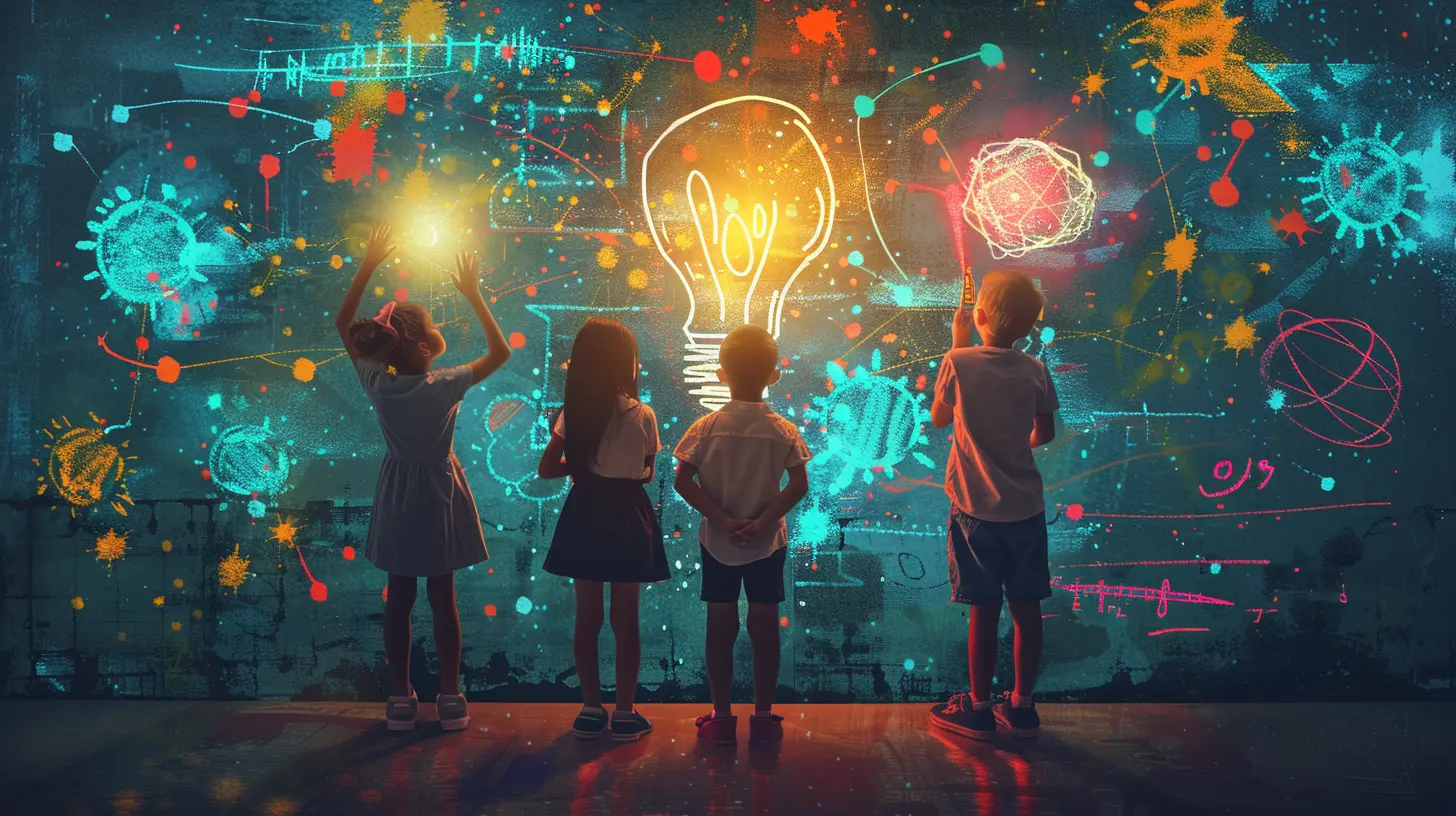
What is Project-Based Learning (PBL), Really?
Let’s cut through the jargon. Project-Based Learning is exactly what it sounds like—students learn by doing projects. But don’t mistake this for your typical poster board assignment. These are real, complex, and engaging projects that require critical thinking, collaboration, and creativity.Students take on challenging questions or problems, work on them over an extended period, and create a final product or presentation. It’s hands-on. It’s minds-on. And it’s a far cry from rote memorization.
A Quick Snapshot of PBL in Action:
Imagine a class learning about the environment. Instead of reading a chapter and taking a test, students identify a local issue like river pollution, research the impact, interview experts, gather data, and propose practical solutions. Then they present their findings to the community. That’s PBL in action—authentic, immersive learning.
How PBL is Transforming the Curriculum
Traditional curriculum often follows a fixed structure: read → memorize → test → forget. PBL flips the script. It embeds learning objectives into purposeful tasks, turning passive learners into active participants.Let’s break down some ways PBL is transforming curriculum:
1. From Passive Absorption to Active Discovery
Kids don’t learn much by sitting in rows, listening quietly, and filling out worksheets. With PBL, students are encouraged to ask questions, investigate, and draw their own conclusions. They don’t just get the “what,” they dig into the “why” and the “how.”2. Multidisciplinary Connections
Life isn’t neatly divided into subjects, right? Neither is PBL.Projects often span multiple subjects—math, science, language arts, and social studies blend together naturally. For example, a project on building a sustainable community involves:
- Math (budgeting, measurements)
- Science (renewable energy, ecosystems)
- English (writing proposals, presenting findings)
- Social Studies (urban planning, community impact)
This interconnected approach mirrors real life and helps students see the bigger picture.
3. Real-World Relevance
Let’s face it: students often ask, “When will I ever use this?” PBL answers that question head-on.By tackling real-world problems, students see the direct impact of their learning. They feel like what they’re doing matters—and you better believe that ups their engagement.
4. Encouraging Critical Thinking and Problem Solving
In the 21st century, knowing how to think is way more important than knowing what to think.PBL hones skills like analysis, evaluation, synthesis, and decision-making. Students become problem-solvers, not just test-takers.
5. Promoting Collaboration and Communication
In most careers, collaboration is key. PBL prepares students for the real world by engaging them in teamwork, peer feedback, and group decision-making. Plus, it strengthens communication skills, both written and verbal, which are essential in any field.
The Core Elements of Successful PBL
Okay, so PBL sounds promising. But what makes a project truly effective for active learning? There are some key ingredients you can’t skip:1. A Driving Question
Every great project starts with a compelling question. This isn’t just any question—it’s open-ended, meaningful, and challenging.Think: “How can we reduce our school’s carbon footprint?” instead of “What is carbon dioxide?”
2. Inquiry and Innovation
Students need room to explore. Instead of giving step-by-step instructions, PBL invites inquiry—students research, test, and experiment. It’s messy, creative, and exciting.3. Student Voice and Choice
Let students take the wheel. When students have a say in their projects—choosing topics, methods, or formats—they're more motivated and invested.4. Reflection
Reflection isn’t just icing on the cake; it’s part of the learning process. Students should regularly reflect on what they’ve learned, what worked, what didn’t, and how they’d improve.5. Public Product
Knowing your work will be shared with an audience beyond your teacher adds a whole new level of accountability. Whether it’s a presentation, a blog, a video, or a community showcase, that public element raises the bar.
The Benefits of Project-Based Learning
So, why should schools and educators lean into PBL? Let’s look at the big wins:1. Deeper Understanding
When students learn by doing, the knowledge sticks. They’re more likely to retain information and apply it in different contexts.2. Higher Engagement
PBL taps into student curiosity and passion. Learning becomes more enjoyable, and students are more motivated to participate.3. Real Skill Development
We’re talking about critical thinking, time management, collaboration, creativity, and communication—skills that carry into careers and life.4. Equity and Inclusion
PBL creates space for all learners. Because projects can be personalized, students of different learning styles, backgrounds, and abilities can thrive.Challenges of PBL (And How to Overcome Them)
We won’t sugarcoat it—PBL isn’t all sunshine and rainbows. It comes with challenges. But with a bit of planning and support, they’re totally manageable.1. It Takes Time
Yep, projects take longer than traditional lessons. But the depth of learning makes it worth it. Tip? Start small. Try a mini-project before diving into a weeks-long unit.2. Assessment Isn’t Always Straightforward
Grading a project can be tricky, especially when it involves teamwork and multiple skills. Rubrics are your best friend here—clear criteria help make expectations transparent for both students and teachers.3. Classroom Management Gets Complex
With students working in groups, moving around, and using materials, things can get... well, loud. But that’s not necessarily a bad thing! Structure, routines, and clear roles can help maintain order without killing creativity.4. Teacher Training is Crucial
Not all teachers feel ready for PBL—and that’s okay. Schools should offer professional development and time for planning and collaboration.
Tips for Implementing PBL in Any Classroom
Thinking about giving PBL a shot? Here are some friendly tips to get you going:1. Start With the Standards
Even in a project-based approach, you still need to cover your bases—curriculum standards, learning objectives, and required content. Start there, and build your project around what's important.2. Use the Backward Design Model
Plan your end goal first: What should students know or be able to do by the end of the project? Then figure out how they’ll demonstrate it and what steps they’ll take to get there.3. Scaffold the Process
Guide students through each phase. Use workshops, checkpoints, mini-lessons, and group discussions to keep everyone on track.4. Encourage Peer Feedback
Create a classroom culture where feedback is constructive and welcomed. This builds stronger communication skills and improves project quality.5. Celebrate the Work
Give students opportunities to share their final products. Host a showcase, post projects online, or invite community members to presentations. Recognition goes a long way.Real-Life Examples of PBL Success
Still not convinced? Let’s look at a couple of real-world successes:- The Edible Schoolyard Project: At this school in California, students learn science, nutrition, and ecology through gardening and cooking. It’s hands-on learning that sticks (and tastes great!).
- High Tech High: This innovative school in San Diego is famous for using PBL across all subjects. Students produce professional-quality work—think documentaries, research papers, and design prototypes—that are publicly exhibited.
These schools show us what’s possible when PBL is embraced wholeheartedly.
Final Thoughts: Why PBL is the Future of Education
Project-Based Learning isn’t a trendy buzzword—it’s a powerful shift in how we think about teaching and learning. It transforms classrooms into active learning environments where curiosity leads the way, and students become the creators of knowledge—not just consumers.Is it challenging? Yep. Does it require a bit of a mindset shift? Absolutely. But the payoff? Huge.
If we want to prepare our learners for the complexities of the real world, PBL just might be the best tool in our educational toolkit. So whether you're a teacher, administrator, or parent—it's time to lean into projects, embrace the mess, and watch students thrive.
all images in this post were generated using AI tools
Category:
Curriculum DesignAuthor:

Olivia Chapman
Discussion
rate this article
2 comments
Icarus Hunter
Project-Based Learning? More like a game-changer! Say goodbye to boring lectures and hello to real-world skills. Get on board!
February 7, 2026 at 5:58 AM
Olivia Chapman
Absolutely! Project-Based Learning truly revolutionizes education by engaging students and equipping them with essential real-world skills. Thanks for your enthusiasm!
Rhea McPhee
This article on project-based learning piques my curiosity! I'm eager to explore how integrating real-world projects can enhance student engagement and foster critical thinking. Excited to see how this approach transforms traditional curricula!
January 27, 2026 at 4:42 AM
Olivia Chapman
Thank you for your enthusiasm! I'm glad the article sparked your interest in project-based learning and its potential to enhance engagement and critical thinking. Excited for you to explore this transformative approach!