Student Voice and Choice in a Differentiated Classroom
1 July 2026
In today’s fast-paced, ever-changing world of education, there’s one magical ingredient that has been proven to transform classrooms: giving students a voice and choice. Yep, you heard that right! When students have a say in their learning, not only do they become more engaged, but they also take more ownership and responsibility for their progress.
But what happens when we toss this concept into the mix of a differentiated classroom—one that already caters to a range of learning styles, abilities, and interests? Well, spoiler alert: things get pretty amazing!
Let’s dive into why student voice and choice are crucial, especially in a differentiated classroom, and how educators can bring this dynamic duo to life.
What Exactly Is Student Voice and Choice?
Student voice and choice means exactly what it sounds like—it’s all about letting students have a say in their learning journey. But more than just picking between a red or blue worksheet, it goes deeper. We're talking about allowing students to express their opinions, pursue their interests, make decisions, and feel heard and valued in their classroom community.Think of it like this: traditional education is like giving every kid the exact same pair of shoes and expecting them to run a marathon. Student voice and choice? That's like giving every student properly fitted sneakers that match their running style and comfort level.
The Power of Differentiation
Before we go too far, let's quickly revisit what a differentiated classroom is. Differentiation is a teaching approach where the teacher tailors content, process, product, and learning environment based on individual students’ needs. It recognizes that no two learners are identical, and therefore, instruction shouldn't be one-size-fits-all.Do you have students who are visual learners? Great—they might grasp concepts better through diagrams and videos. Got a few thinkers who thrive on discussion? Awesome—hand them a mic and let them talk it out. Differentiation meets students where they are.
Now, add in student voice and choice to that mix, and you’ve got the ultimate personalized learning experience.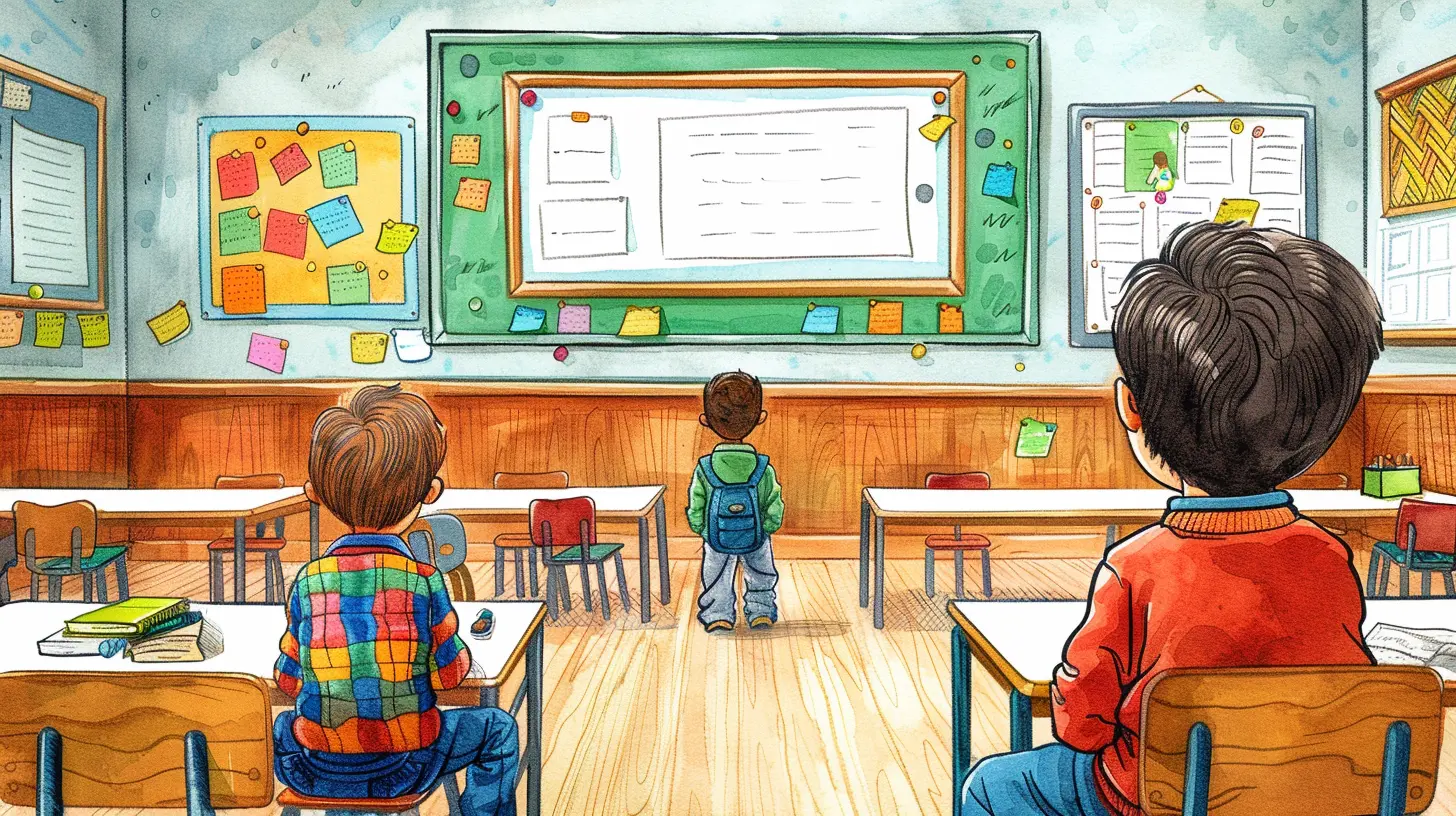
Why Student Voice and Choice Matters in Differentiated Classrooms
1. It Boosts Motivation and Engagement
Let’s be real—if you’ve ever let your students pick how they want to show what they’ve learned, you’ve probably seen those eyes light up. When students feel like they have a say, it taps into their internal motivation. Suddenly, class isn't something being done to them—it's something they actively participate in.And in a differentiated classroom, motivation is key. With multiple learning paths unfolding, voice and choice turn those paths into exciting adventures rather than forced hikes.
2. It Promotes Ownership and Responsibility
When students make choices, they own their decisions. It's like giving them the driver's seat instead of keeping them as passengers. They take more responsibility for their progress, successes, and even their struggles.In a differentiated setting, this fosters independence. Students start to understand how they learn best and begin tailoring their learning experiences themselves.
3. It Supports Individual Learning Styles and Needs
Some kids love writing essays; others can express the same depth through music, art, or presentations. By offering choices, we honor their preferences and strengths. In a differentiated classroom, this approach is gold. It lets diverse learners showcase understanding without forcing them into one delivery method.
How to Integrate Student Voice and Choice in a Differentiated Classroom
Alright, so you're sold on the idea. But how do you actually make it happen without losing control of your classroom or drowning in prep work?Here are some practical, teacher-tested strategies to get started.
1. Offer Flexible Assignment Options
Instead of giving one assignment, offer a menu of choices. Think “learning buffet”—students can choose how they want to demonstrate mastery. Want to test comprehension of a novel?Let students choose between:
- Writing an alternative ending
- Creating a comic strip
- Filming a video summary
- Composing a song
It's low-stakes for you and high-engagement for them.
2. Create Voice Opportunities in Daily Routines
Voice doesn’t need to happen only in big projects. Start small:- Let students vote on class themes or topics.
- Use quick surveys to see what’s working and what’s not.
- Allow them to set personal goals or track their own progress.
These little things add up to a classroom culture where students feel seen and heard.
3. Use Learning Contracts and Goal Sheets
Learning contracts let students commit to tasks, timelines, and expectations. They set the pace and take accountability. Pair this with individual goal-setting sheets where they reflect on what they want to achieve that week.This works wonders in differentiated settings. It lets you guide students toward their learning goals while giving them autonomy in how they’ll get there.
4. Encourage Student-Led Conferences and Reflections
Flip the script! Instead of the teacher always leading, let students run conferences to talk about their learning. Provide them with guiding questions like:- “What have I improved on?”
- “What challenges did I face?”
- “What will I try differently next time?”
This builds metacognition—thinking about their thinking—and that’s a total game-changer for personalized learning.
Addressing Common Concerns
We get it, though. Handing over some control can feel downright uncomfortable. You’ve got standards to meet, assessments to give, and parents expecting results. So let’s tackle a few of the “but, what ifs?”“What if students make the wrong choices?”
That’s part of the learning process! Mistakes teach more than lectures sometimes. You’re not abandoning structure—you’re guiding students within flexible boundaries. You're still the coach; they’re just running more of the plays.“Doesn’t this create more planning work?”
Initially? Maybe a little. But once you build templates and routines around student choice (like project menus or reflection sheets), it becomes second nature. Plus, the payoff in engagement and learning depth is huge.“How do I manage all this variety in the classroom?”
Structure is your friend. Set clear expectations and rubrics, model the process, and scaffold as needed. Offer student support through mini-lessons or small group check-ins. Think of yourself like a learning concierge—always available, but letting guests explore on their own terms.Real Classroom Examples That Rock
Sometimes the best proof is seeing it in action. Here are a few real-world examples of voice and choice working seamlessly in differentiated classrooms.Elementary Level: Genius Hour
Every week, students get one hour to work on a passion project. They pick the topic, research it, and present findings in any format—poster, video, demonstration, you name it. Some study dinosaurs, others build robots. It’s chaotic beauty—and totally student-driven.Middle School: Literature Choice Boards
After reading a novel, students pick 3 tasks from a tic-tac-toe choice board. Options range from writing a diary entry as a character, to designing a new book cover, to creating a playlist of songs that fit key scenes. Each task targets a different learning style.High School: Personalized Learning Pathways
In a high school science class, students choose between three project paths: experiment-based, research-writing, or multimedia presentation. All cover the same standards, but students select based on interest and strength.Tips for Getting Started with Student Voice and Choice
- Start small: Don't overhaul everything overnight. Begin with one class, one unit, or one assignment.- Communicate with students: Let them know why you're giving them more choice. It helps them approach it with maturity.
- Use reflection: Have students reflect on their choices—what worked, what didn’t, and what they'll try next.
- Build gradually: As students get used to the responsibility, expand the choices available.
- Celebrate effort, not just results: Encourage risk-taking and creativity over perfection.
Final Thoughts
A differentiated classroom is already a powerful tool for meeting the diverse needs of your students. But when you sprinkle in voice and choice? That’s when the real magic happens. Students feel empowered, invested, and inspired. They become active participants in their own education instead of passive recipients.Is it messier than traditional teaching? Sure. But is it worth it? Absolutely.
So, what are you waiting for? Start turning up the volume on student voice and unlocking the power of personalized choice. Your students—and your future self—will thank you.
all images in this post were generated using AI tools
Category:
Differentiated InstructionAuthor:

Olivia Chapman
Discussion
rate this article
1 comments
Selkie McFarland
Great insights on empowering student voices!
July 6, 2026 at 4:47 AM
Olivia Chapman
Thank you! I'm glad you found the insights valuable. Empowering student voices is so important.