Teaching Responsibility: Helping Students Take Ownership of Their Actions
13 April 2026
Let’s get real for a second—how many times have you heard a student say, "It wasn’t my fault"? Maybe the homework didn’t make it home, their group didn’t cooperate, or the dog (yet again!) ate their assignment. While we can chuckle at some of these excuses, there’s a bigger message we need to tackle: responsibility.
Teaching responsibility isn't just about getting students to stop blaming others. It’s about helping them own their choices, big or small, and learning from them. In a world where it’s easy to pass the buck, showing kids how to step up and take charge of their actions is more important than ever.
So, how do we actually teach responsibility? Let’s unpack that step-by-step in a way that sticks with students long after the school bell rings.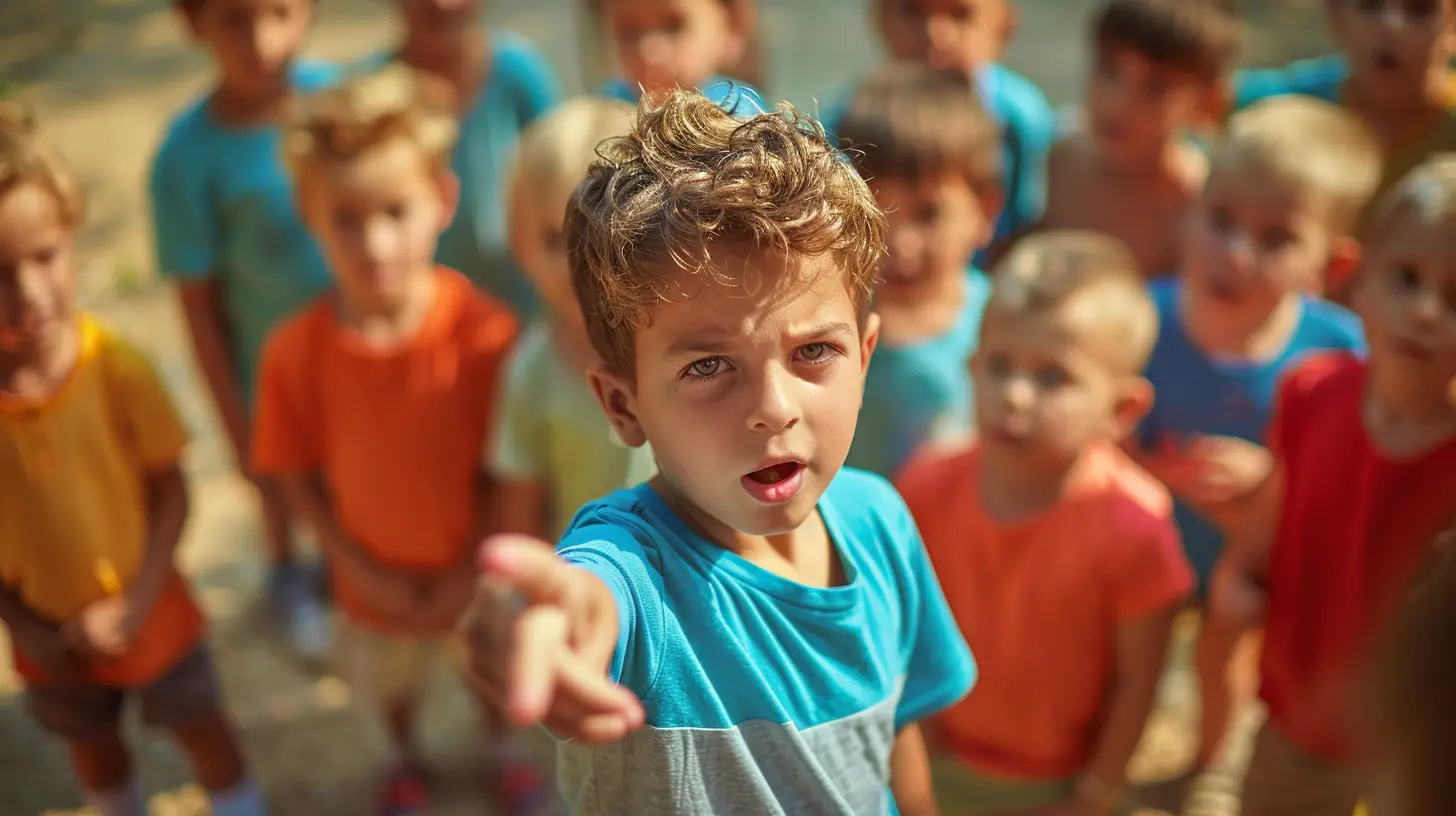
Why Teaching Responsibility Matters
Before we dive into the how, let’s talk about the why. Why is teaching responsibility such a vital aspect of education?Think of responsibility as the glue that holds personal growth together. When students learn to take ownership of their actions, they start becoming proactive, rather than reactive. That means fewer classroom disruptions, better relationships, and stronger academic performance.
Responsible students are more likely to:
- Meet deadlines
- Respect others
- Resolve conflicts peacefully
- Bounce back from mistakes
In short, responsibility plants the seeds for a lifetime of success—both inside and outside the classroom.
Understanding Responsibility in Simple Terms
Let’s not overcomplicate it—responsibility isn’t some abstract idea that's hard for kids to grasp. At its core, it’s just doing what needs to be done, even when you don’t feel like it.It’s turning in your homework even if you were tired. It’s admitting you forgot your project instead of blaming your sibling for distracting you. Small stuff, right? But these little moments shape our students’ character in a big way.
One way to explain it to students is this: “Responsibility is doing what you're supposed to do and owning what you choose to do.” Simple, clear, and it clicks.
Start Young: Build a Culture of Responsibility Early On
You wouldn’t expect a teenager to suddenly become responsible if they didn’t get a chance to practice earlier. Responsibility is like a muscle—it gets stronger the more it’s used.So whether you're working with elementary kids or high school students, it’s never too early (or too late) to build that muscle.
Here’s how you can encourage responsibility from an early age:
- Give them classroom jobs: Let students take turns being the line leader, materials manager, or tech helper.
- Let them make choices: Kids are more likely to own a decision when they feel involved in the process.
- Hold them accountable gently: Mistakes happen. What matters is how we handle them. Guide students to reflect and find solutions.
Remember, small responsibilities lead to big leaps in maturity.
Create a Safe Space for Owning Mistakes
Let’s face it—nobody likes to admit when they’ve messed up. Not adults, and certainly not kids. But taking ownership starts with being comfortable admitting mistakes.As educators, it’s crucial we model this ourselves. If you make an error in class (maybe you wrote the wrong date on the board), own it out loud. Say, “Oops! That one’s on me!”
This shows students that making mistakes is human, and admitting them doesn’t make you weak—it makes you honest.
Encourage an environment where mistakes are learning moments, not reasons for embarrassment. You could even have a “mistake of the week” where students share what they learned through a misstep. It’s a great way to normalize growth through failure.
Set Clear Expectations and Stick to Them
Imagine being told you're responsible for something, but not knowing what that actually means. Frustrating, right? Students feel the same way.That’s why it’s essential to set crystal-clear expectations for behavior, assignments, and classroom routines. The clearer the expectations, the easier it is for students to know when they’re meeting them—or falling short.
Here are a few tips:
- Post a class responsibility chart: Visual reminders help students stay on track.
- Be consistent with consequences: Follow through is key. If you say incomplete homework means missing recess, stick to it.
- Use “I” statements: Instead of “You didn’t do your homework,” try, “I noticed your homework wasn’t turned in. Tell me what happened.”
This approach keeps the conversation supportive rather than confrontational.
Involve Students in Setting Rules
Want to see responsibility in action? Give students a say in the rules they’re expected to follow.When students help create the rules, they feel more invested in upholding them. It’s no longer just the teacher’s classroom—it becomes our classroom.
You can brainstorm together with prompts like:
- “What helps us learn best?”
- “What kind of environment do we want in our classroom?”
- “What should happen if these expectations aren’t followed?”
This collaborative approach sends a powerful message: "We trust you." And when students feel trusted, they start acting more trustworthy.
Use Real-Life Scenarios
Let’s keep it real—students are more likely to understand responsibility when it’s tied to real-life situations.Use case studies, role-plays, or current events to frame meaningful discussions. For example:
- What should you do if you forget your homework?
- How can you fix things when you hurt a friend’s feelings?
- What do you do when your group isn't cooperating on a project?
These scenarios challenge students to think critically and empathize. It’s not just about what they’d do—but how others might feel as a result of their actions.
By walking through these situations, students can picture how responsibility shows up in everyday life—not just in the classroom.
Praise Effort, Not Just Outcomes
We’ve all heard “Good job!” thrown around like confetti. But teaching responsibility means going deeper.Instead of just celebrating the final result, praise the effort and choices along the way.
Try saying things like:
- “I noticed how you kept trying even when the project got tough. That’s real dedication.”
- “You took responsibility for not finishing your assignment and made a plan to catch up. That shows growth.”
When we focus on effort and accountability, we reinforce the value of responsibility—not just performance.
Encourage Reflection and Self-Assessment
One of the best ways for students to take ownership is through personal reflection. When students are given the space to think about their decisions, they're more likely to make intentional choices going forward.You can use tools like:
- Weekly journals: Have students write about a moment they felt proud of taking responsibility—or a time they could’ve done better.
- Self-assessment checklists: Let them rate how responsible they were with recent assignments or behavior.
- One-on-one check-ins: A quick chat can be powerful. Ask, “How do you think you handled that situation?”
Reflection transforms passive learners into active participants in their own growth journey.
Model the Behavior You Want to See
Here’s a little secret: students watch us more than they listen to us.If we want them to be responsible, we need to walk the talk. That means:
- Admitting when we’ve made a mistake
- Following through on our promises
- Being punctual and prepared
- Treating others with respect
When students see us owning our actions, it becomes a blueprint they’re likely to follow.
Involve Parents and Guardians
Responsibility doesn’t stop at the school gates. To really drive the message home, it helps to involve families.Share tips with parents like:
- Giving kids regular chores at home
- Encouraging them to pack their own school bags
- Letting them experience natural consequences, like forgetting their lunch box
When students see that the same expectations apply at home and at school, the lesson sticks.
Celebrate Progress, Not Perfection
Let’s not forget—responsibility is a journey, not a one-time lesson. Kids will mess up. Sometimes a lot. The key is creating an atmosphere where improvement is recognized and praised.Maybe a student owned up to forgetting an assignment even though they were nervous. That’s huge! Celebrate it.
Responsibility isn't about always getting it right. It’s about growing through the process.
Conclusion: Plant the Seeds Today for a More Responsible Tomorrow
Helping students take ownership of their actions won’t happen overnight. It takes time, patience, and plenty of positive reinforcement. But the payoff? Totally worth it.When we consistently model, discuss, and give students opportunities to act responsibly, we’re not just managing behavior—we’re building character.
And isn’t that what education is really about?
So, next time your student blurts out, “It wasn’t my fault,” take a deep breath. Smile. You’ve got the tools—and now, so do they.
all images in this post were generated using AI tools
Category:
Character EducationAuthor:

Olivia Chapman
Discussion
rate this article
2 comments
Roxie McRae
Teaching responsibility is like herding cats—adorable but chaotic! Just remember, when students take ownership of their actions, it’s like giving them a GPS for life. Sure, they might still take a few wrong turns, but at least they’ll learn to ask for directions along the way!
April 23, 2026 at 1:01 PM
Olivia Chapman
You're right! Teaching responsibility can be messy, but those lessons stick. Each mistake is a chance to grow, and that GPS analogy is spot on!
Avery Mendoza
Teaching responsibility is like herding cats—fun, chaotic, and full of surprises! Just remember, every misstep is a step toward growth. So, let’s give our students the toolkit to build their own cat trees!
April 14, 2026 at 4:25 AM
Olivia Chapman
Absolutely! Embracing the chaos of teaching responsibility can lead to wonderful growth. Providing students with the right tools empowers them to navigate their own path!