Teaching Cultural Awareness Through Music and Dance
9 August 2026
Culture is a beautiful mosaic of traditions, customs, and values that define different communities around the world. But in today's increasingly globalized world, cultural awareness is more important than ever. So, how do we teach it effectively? One of the most engaging and immersive ways is through music and dance.
Music and dance are universal languages—they break down barriers, foster connections, and offer deep insights into different cultures. Whether you're an educator, a parent, or simply someone passionate about diversity, integrating music and dance into cultural education can be a game-changer. So, let’s dive into how these art forms help build cultural awareness and how you can incorporate them into learning experiences.
Why Cultural Awareness Matters
Before we get into the rhythm and movement of things, let’s address the big question: why does cultural awareness matter?- Promotes Understanding: When people are exposed to different cultures, it reduces stereotypes and prejudices.
- Encourages Respect: Appreciating other traditions fosters a mindset of respect and inclusivity.
- Prepares for a Global Society: In a world where cross-cultural communication is essential, understanding different traditions is a valuable skill.
- Fosters Empathy: Experiencing the arts of another culture allows us to step into someone else’s shoes—literally and figuratively.
The Role of Music in Cultural Awareness
Music has always been a powerful tool for storytelling and cultural expression. From tribal chants to pop songs, music reflects historical events, values, and emotions of a society. When you introduce students to a culture’s music, you’re giving them a glimpse into the soul of that community.How Music Connects Us to Culture
1. Lyrics Reflect Cultural Stories: Songs often tell stories specific to their time and place. Think of folk songs—they preserve history, traditions, and even dialects that might otherwise fade away.2. Instruments Carry Meaning: Traditional instruments like the African djembe or the Chinese guzheng aren't just tools for making music; they hold cultural significance and unique histories.
3. Rhythm and Melody Influence Emotions: Different cultures have different musical scales and rhythms that evoke distinct emotions. For instance, the melancholic sound of flamenco music from Spain carries the weight of a historic struggle.
4. Music Creates a Sense of Identity: For many cultural communities, music is a way to affirm identity and belonging, whether it's the reggaeton beats of Latin America or the intricate classical compositions of India.
Ways to Use Music to Teach Cultural Awareness
Alright, so we know music is a cultural treasure chest—but how do we use it in a learning environment?- Play Traditional and Modern Songs from Various Cultures – Let students listen to a mix of traditional beats and modern adaptations to see how cultures evolve.
- Analyze Song Lyrics – Break down the meaning behind lyrics, especially those tied to important historical or cultural events.
- Introduce Cultural Instruments – Show videos or bring in real instruments to demonstrate their sound and cultural significance.
- Encourage Music Creation – Have students create their own musical pieces using elements from different cultures.
The Power of Dance in Cultural Expression
Just like music, dance is another deeply rooted aspect of culture. Every movement, step, or gesture in a traditional dance tells a story, and learning these dances helps people connect with cultural traditions in a way that words simply can’t.Why Dance Is a Key to Cultural Awareness
1. Expression Beyond Words: Dance is a form of communication that transcends language barriers.2. Physical Connection to Culture: Moving to the rhythm of a culture’s traditional dance allows learners to feel the essence of its traditions.
3. Rituals and Traditions: Many traditional dances are tied to important life events—weddings, harvests, religious ceremonies, and storytelling.
4. Social Bonding: Dance often brings people together, whether through community performances or group participation in festivities.
Ways to Teach Culture Through Dance
Want to incorporate dance into cultural learning? Here are some simple yet effective ways:- Showcase Traditional Dances – Play videos of cultural dances such as the Indian Bharatanatyam, the Irish Jig, or the Brazilian Samba.
- Invite Guest Dancers – If possible, bring in a professional from a specific culture to demonstrate and discuss their traditional dance forms.
- Teach Simple Dance Moves – Even basic steps from different cultures can help students appreciate diversity.
- Encourage Fusion Dance Activities – Let students blend different dance styles to see how cultures influence each other.
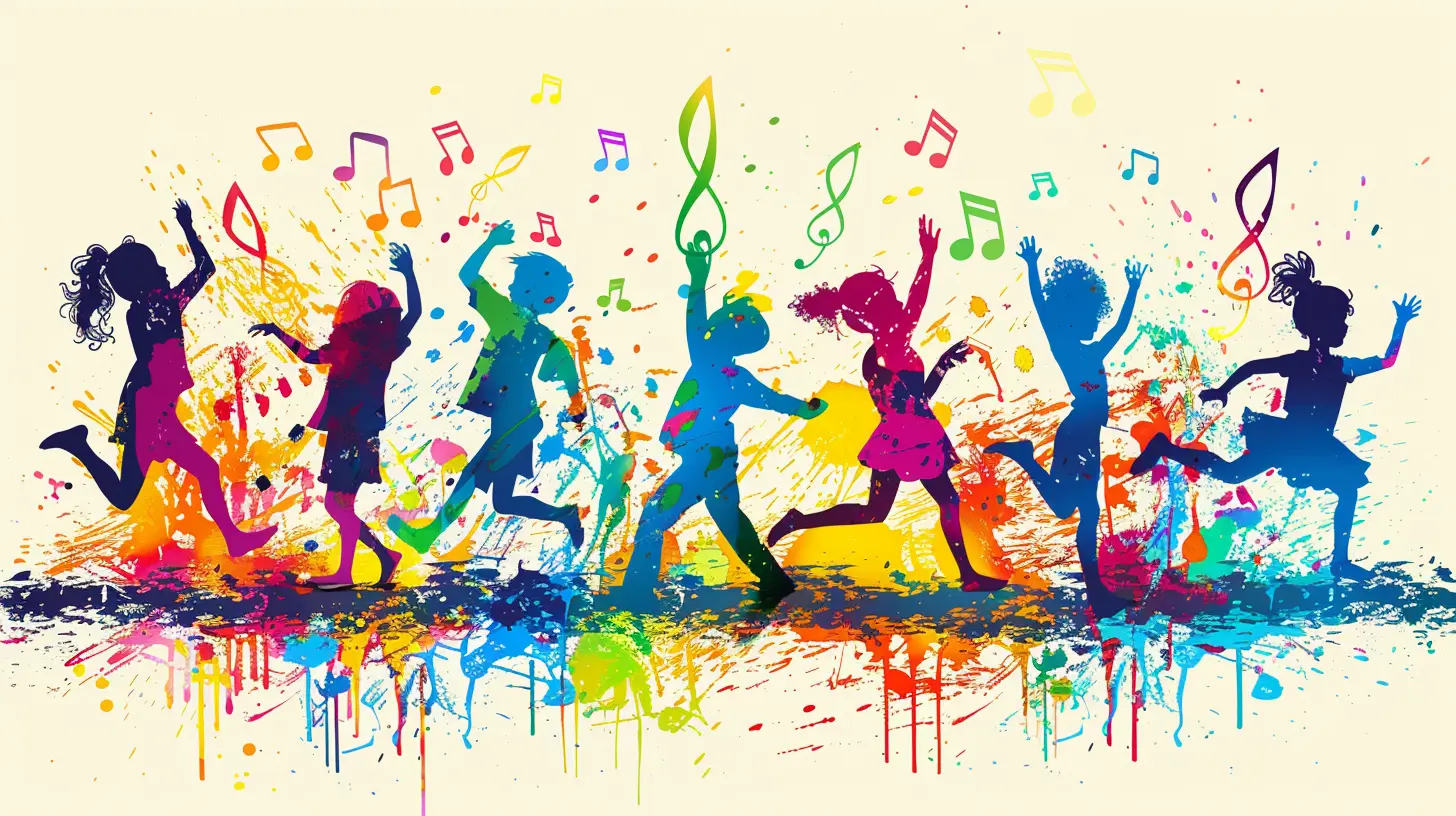
Combining Music and Dance for a Full Cultural Experience
Music and dance are even more powerful when combined. Take Flamenco, for example—it’s not just music or just dance, but a perfect fusion of both that holds deep cultural meaning. Similarly, African drum circles incorporate both elements to tell stories and celebrate community.Engaging Activities to Try
- Cultural Performance Day: Have students pick a cultural tradition and present a dance or music performance.- Storytelling Through Dance and Song: Have students create a short performance that tells a cultural story through movement and melody.
- Global Music and Dance Challenge: Assign different cultures to groups and have them demonstrate popular musical and dance elements from their assigned culture.
Overcoming Challenges in Teaching Cultural Awareness
Even though teaching culture through music and dance is enriching, there can be challenges. Here’s how to tackle them:- Avoid Cultural Appropriation: Teach with respect and context. Make sure students understand the significance of the cultural traditions they're engaging with.
- Find Accurate Resources: When teaching, use authentic sources—books, documentaries, and representatives from the culture.
- Make It Inclusive: Ensure that activities are accessible to everyone, regardless of skill level or background.
The Lasting Impact of Cultural Learning Through Music and Dance
At the end of the day, experiencing culture through music and dance isn’t just about fun performances or catchy beats—it’s about fostering a deeper understanding of the world. It’s about breaking barriers, sparking curiosity, and encouraging respect for different traditions.So next time you hear music from a culture different from yours, stop and listen. Feel the rhythm, understand the story, and maybe even take a step or two into their world.
all images in this post were generated using AI tools
Category:
Cultural AwarenessAuthor:
Olivia Chapman
Discussion
rate this article
1 comments
Seraphine McQuiston
Incorporating music and dance into lessons enriches cultural understanding, fostering appreciation and connection among diverse students.
August 13, 2026 at 4:57 AM
Olivia Chapman
I completely agree. Music and dance not only enhance learning but also build meaningful connections among students from different backgrounds.