Teaching Global Citizenship Through Cultural Study
3 September 2026
In today’s interconnected world, teaching global citizenship has never been more essential. With people and cultures constantly interacting across borders, it's crucial for students to understand their role in the global community. But how can we effectively teach such a broad, complex concept? One of the best ways is through cultural study. By exploring different cultures, students develop empathy, respect, and a deeper understanding of the world. In this article, we’ll dive into how cultural study can be a powerful tool in teaching global citizenship.
What Is Global Citizenship?
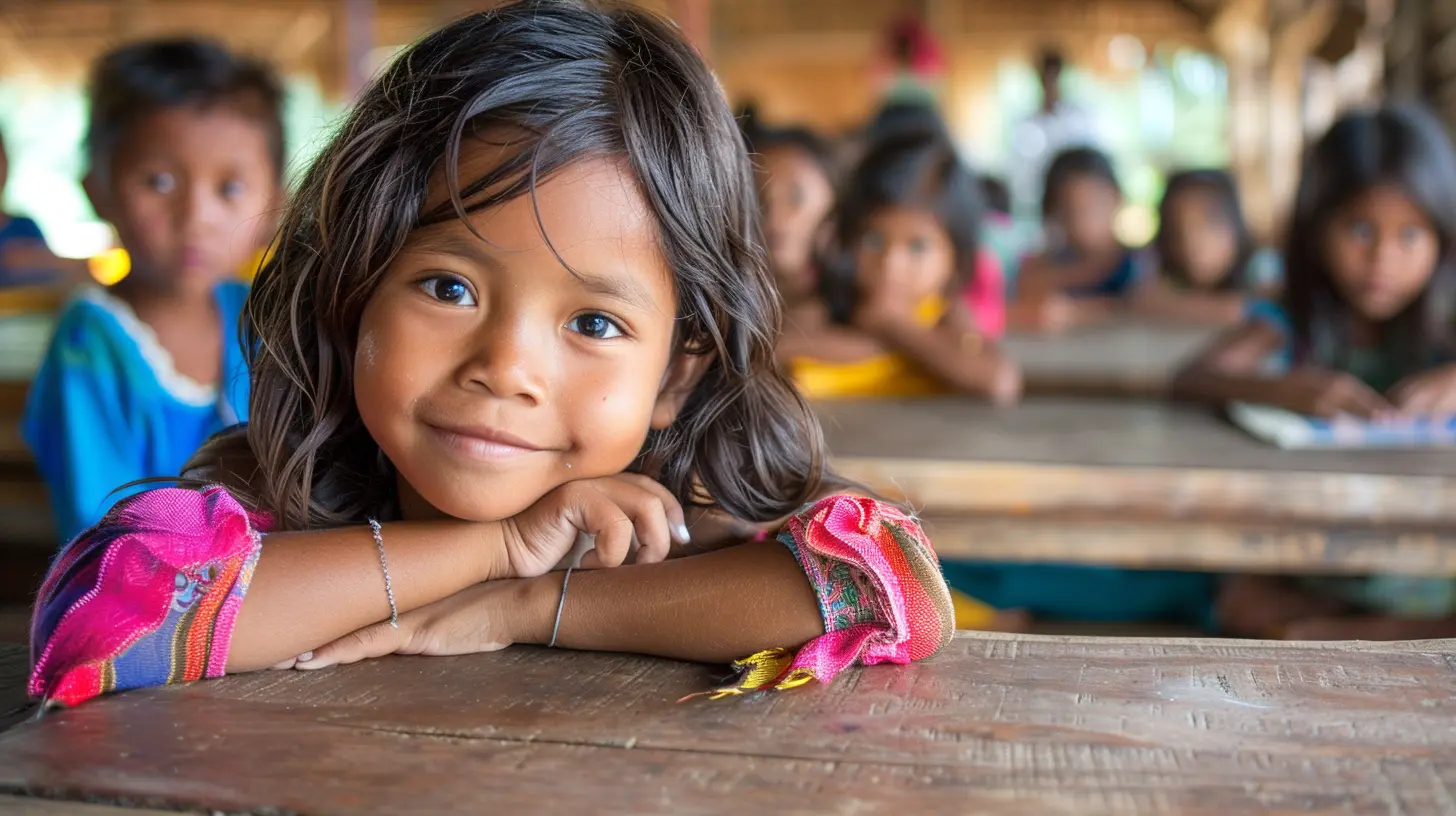
Let’s start with the basics. What exactly do we mean by global citizenship? Global citizenship refers to the idea that all people, regardless of where they come from, are members of a larger, interconnected global community. It’s about recognizing that our actions—whether social, economic, or environmental—can have an impact far beyond our immediate surroundings.In essence, global citizens understand that with the privileges of living in a global society come responsibilities. They are aware of global issues such as climate change, human rights, poverty, and inequality. But more importantly, they are motivated to act, fostering positive change both locally and globally.
Why Is It Important?
We live in a time where borders are becoming less significant. Social media, international trade, tourism, and even pandemics remind us every day that we are all connected. The issues facing the world today are too complex to be solved by any one nation alone. Global citizenship equips students with the skills and mindset to collaborate across cultures and address these global challenges.The Role of Education
Schools play a critical role in fostering global citizenship. It’s not just about teaching students facts and figures; it’s about instilling values, empathy, and critical thinking. Education can break down stereotypes, challenge biases, and help students see the world from multiple perspectives. And what better way to do this than through cultural studies?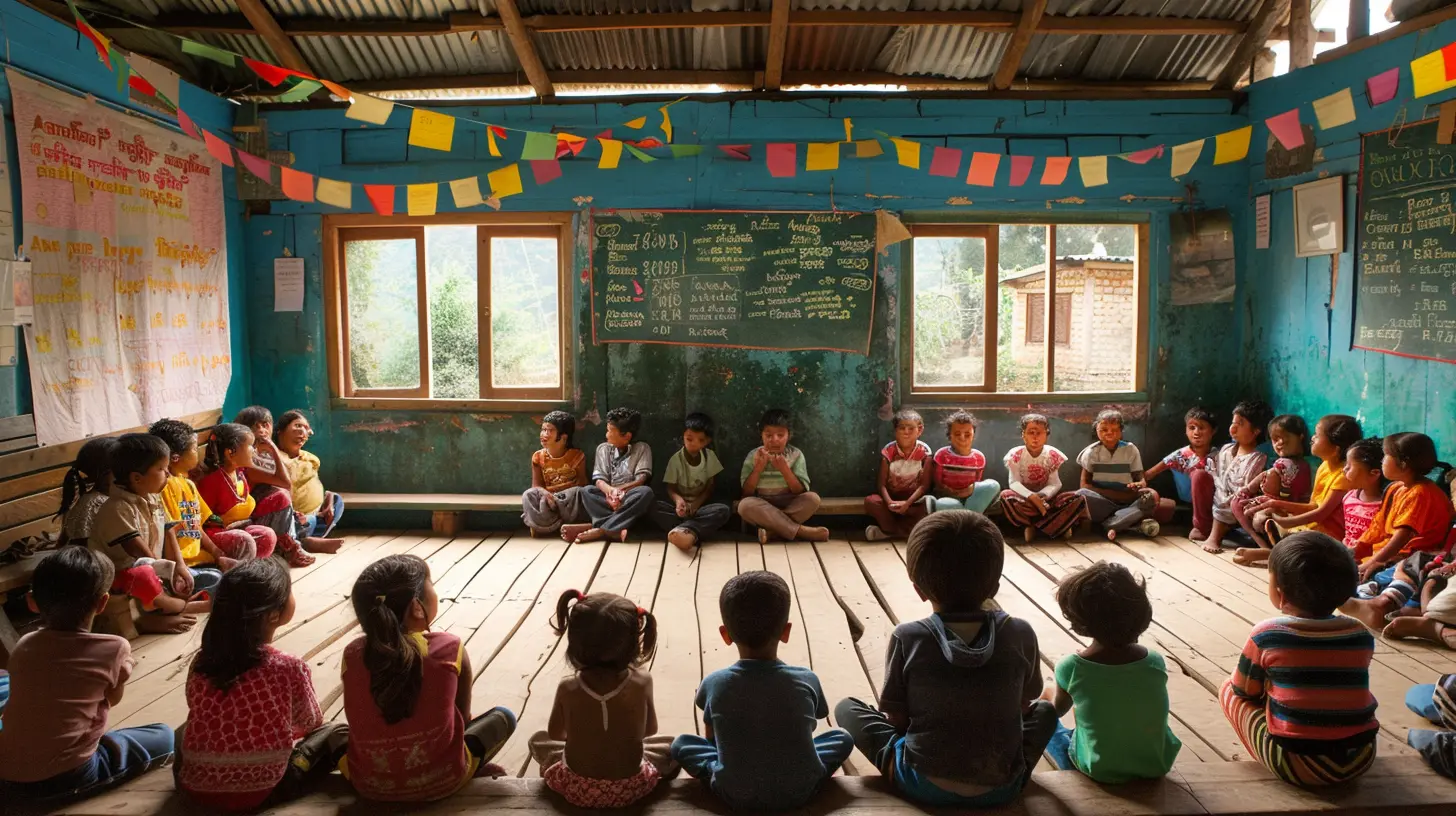
Why Cultural Study?
Cultural study is the heart of teaching global citizenship. It’s about understanding the beliefs, values, traditions, and ways of life of people from different backgrounds. By studying other cultures, students gain more than just knowledge—they gain empathy. When students learn about different cultures, they begin to appreciate diverse ways of thinking and living. This opens their minds and encourages them to engage with the world in a more meaningful and respectful way.The Power of Perspective
Cultural study isn’t just about learning facts. It’s about seeing the world through someone else’s eyes. Think about the last time you heard a story from someone who grew up in a completely different environment. It probably made you think about your own experiences, right? That’s the power of perspective. When students explore other cultures, they start to reflect on their own cultural biases and assumptions. They begin to challenge their own worldview, which is crucial in becoming a global citizen.Encouraging Tolerance and Empathy
One of the main goals of teaching global citizenship through cultural study is to encourage tolerance and empathy. Let’s face it—our world is full of diversity. And while diversity is a strength, it can also lead to misunderstanding if students aren’t taught to appreciate it. By learning about different cultures, students are less likely to view others as “foreign” or “different.” Instead, they start to see the common humanity in all of us.For example, learning about cultural festivals like Diwali, Eid, or Chinese New Year can help students understand that while traditions may differ, the values behind them—family, community, and celebration—are universal. This helps break down barriers and builds a sense of global solidarity.

Key Elements of Cultural Study in Teaching Global Citizenship
So, how exactly can we incorporate cultural study into teaching global citizenship? There are several key elements that educators can focus on:1. Cultural Awareness
Cultural awareness is the foundation. Students need to first be aware of other cultures and their practices. This can be achieved through a variety of methods, such as classroom discussions, cultural exchange programs, and multimedia resources. Teachers can encourage students to research and present on different cultures, highlighting their significance and unique contributions to the world.2. Critical Thinking and Reflection
It’s not enough for students to just learn about other cultures—they must also reflect on their own. Encouraging students to think critically about their own beliefs and values can help them understand how culture shapes their worldview. For example, a class might compare how different cultures approach education, family dynamics, or gender roles. These discussions can lead to deeper insights and help students appreciate the diversity of thought.3. Language Learning
There’s no better way to understand a culture than by learning its language. Language is more than just a means of communication—it’s a reflection of a culture’s history, values, and identity. Introducing students to foreign languages can open doors to deeper cultural understanding. Even simple greetings or phrases can spark curiosity and respect for another culture.4. Cultural Immersion
While classroom learning is important, there’s nothing quite like experiencing a culture firsthand. Schools can organize cultural immersion activities such as field trips to cultural centers, museums, or festivals. Virtual exchanges or partnerships with schools in other countries can also provide students with the opportunity to engage with peers from different cultural backgrounds.5. Global Issues and Social Justice
To truly teach global citizenship, students must understand global issues. Cultural study isn’t just about learning traditions and customs—it’s about exploring the challenges different cultures face in today’s world. Topics like human rights, poverty, refugees, and climate change are essential to this. Students can examine how these issues affect people differently depending on their cultural context.By connecting these global issues to cultural study, students learn that they have the power to make a difference. They begin to see themselves not just as citizens of their country, but as citizens of the world, responsible for creating a more just and equitable society.
How Teachers Can Integrate Cultural Study in the Classroom
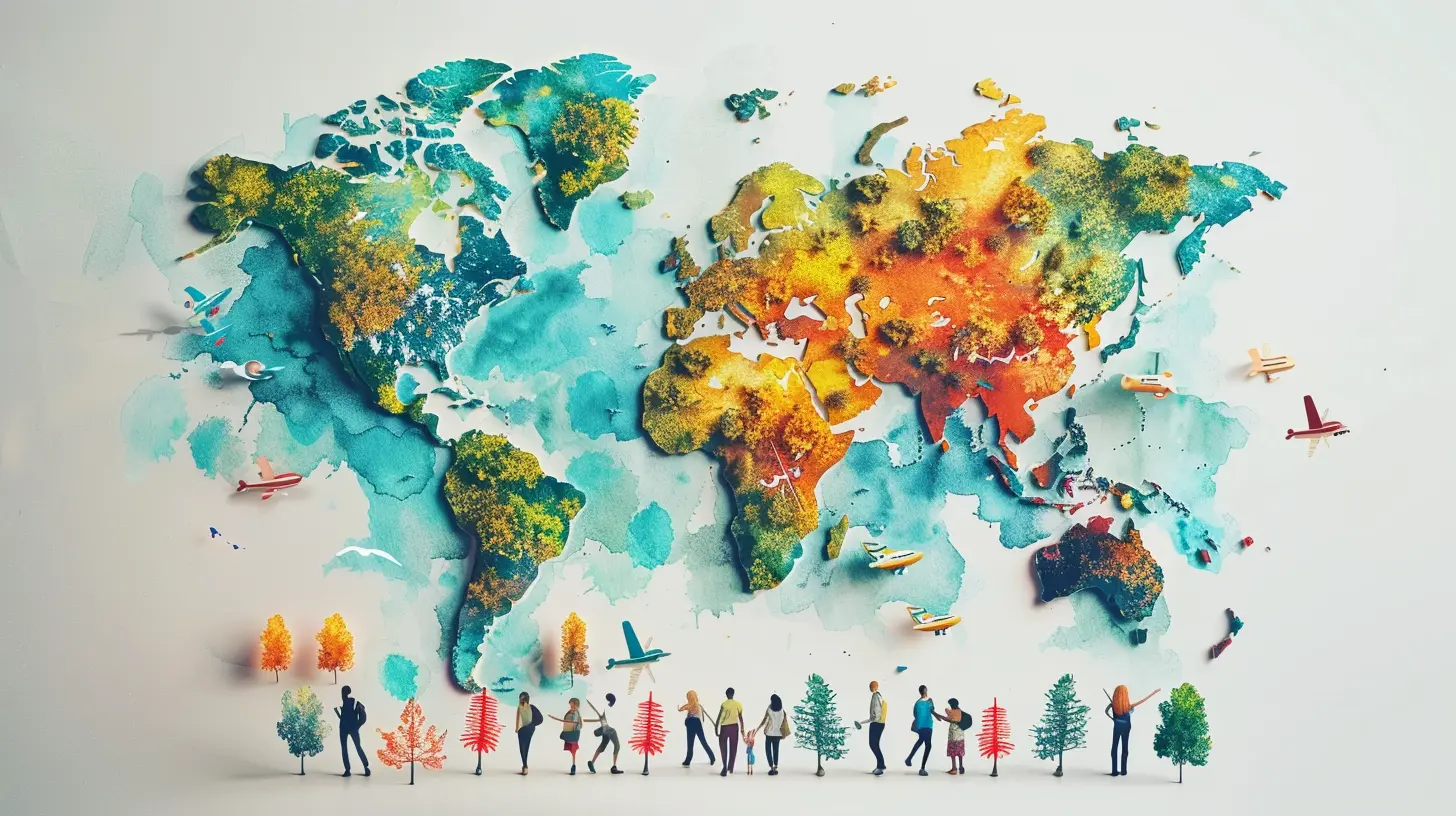
Now that we’ve understood the importance of cultural study in teaching global citizenship, let’s talk about how teachers can actually bring this into the classroom.1. Use Diverse Literature
Books are a fantastic way to introduce students to different cultures. Whether it's novels, short stories, or poetry, literature can transport students to different parts of the world and give them a window into other people's lives. Teachers can create a diverse reading list that includes voices from various cultures. After reading, students can engage in discussions about how cultural contexts shape the characters’ lives and actions.2. Invite Guest Speakers
Bringing in guest speakers from different cultural backgrounds can provide students with real-world perspectives. These speakers can share their personal experiences and stories, making abstract concepts more tangible. Whether it’s a local community leader, an international traveler, or a virtual guest from another country, these interactions can leave a lasting impression on students.3. Celebrate Cultural Festivals
As we mentioned earlier, festivals are a great way to explore different cultures. Why not bring them into the classroom? Teachers can dedicate a day to celebrating various cultural festivals by inviting students to share their own traditions or research different festivals. This could involve traditional food, music, art, or storytelling.4. Encourage Collaborative Projects
Group projects that involve research on different cultures can help students learn from each other. For instance, students can work together to create presentations or reports on different countries, focusing on aspects like history, art, food, and social customs. This not only promotes teamwork but also allows students to become “experts” on their assigned culture.5. Promote Global Citizenship Initiatives
Many schools already have programs that focus on global citizenship, such as Model United Nations (MUN) or international student exchange programs. Encouraging students to participate in these initiatives gives them a broader perspective on global issues and cultural interactions.The Challenges of Teaching Global Citizenship Through Cultural Study
Of course, teaching global citizenship through cultural study isn’t without its challenges. One of the biggest hurdles is avoiding cultural stereotypes. When teaching about other cultures, it’s essential to present them in a nuanced, respectful manner. Simplifying or generalizing a culture can lead to misunderstanding and reinforce harmful stereotypes. Teachers need to be mindful of presenting a balanced view, recognizing that every culture is diverse and constantly evolving.Another challenge is ensuring that students engage with difficult topics such as inequality, racism, and colonialism. These are uncomfortable but necessary conversations for developing a true understanding of global citizenship. Teachers should create a safe space where students can discuss these issues openly and thoughtfully.
Conclusion: Why Cultural Study Is Key to Global Citizenship
In a world that’s becoming more interconnected by the day, teaching global citizenship is no longer optional—it’s essential. By integrating cultural study into the classroom, educators can give students the tools they need to navigate the complexities of our global society. Cultural study fosters empathy, encourages critical thinking, and helps students understand their role in creating a more just and equitable world.The next generation of leaders, innovators, and changemakers will come from classrooms that prioritize global citizenship. By teaching students to appreciate and respect other cultures, we’re not just preparing them for a global economy—we’re preparing them to be compassionate, informed citizens of the world.
all images in this post were generated using AI tools
Category:
Cultural AwarenessAuthor:

Olivia Chapman
Discussion
rate this article
2 comments
Anastasia Whitley
This article beautifully highlights the importance of cultural study in fostering global citizenship. It's inspiring to see how understanding diverse perspectives can promote empathy and connection among students. What a great way to prepare the next generation for a more inclusive world!
September 17, 2026 at 11:17 AM
Kalani Jennings
This article beautifully highlights the importance of cultural study in fostering global citizenship. By encouraging students to engage with diverse perspectives, we prepare them to become empathetic and informed global citizens. A valuable read for educators everywhere.
September 13, 2026 at 3:04 AM