Teaching Respect for Cultural Diversity
8 January 2026
Hey there! Have you ever found yourself in a situation where someone just doesn’t get that the world is made up of more than just their tiny bubble? Maybe they think their way of eating spaghetti is the only way (fork twirlers, I see you judging the cut-and-chew crowd). Well, that’s exactly why teaching respect for cultural diversity is so important—so people stop embarrassing themselves with their one-size-fits-all mindset.
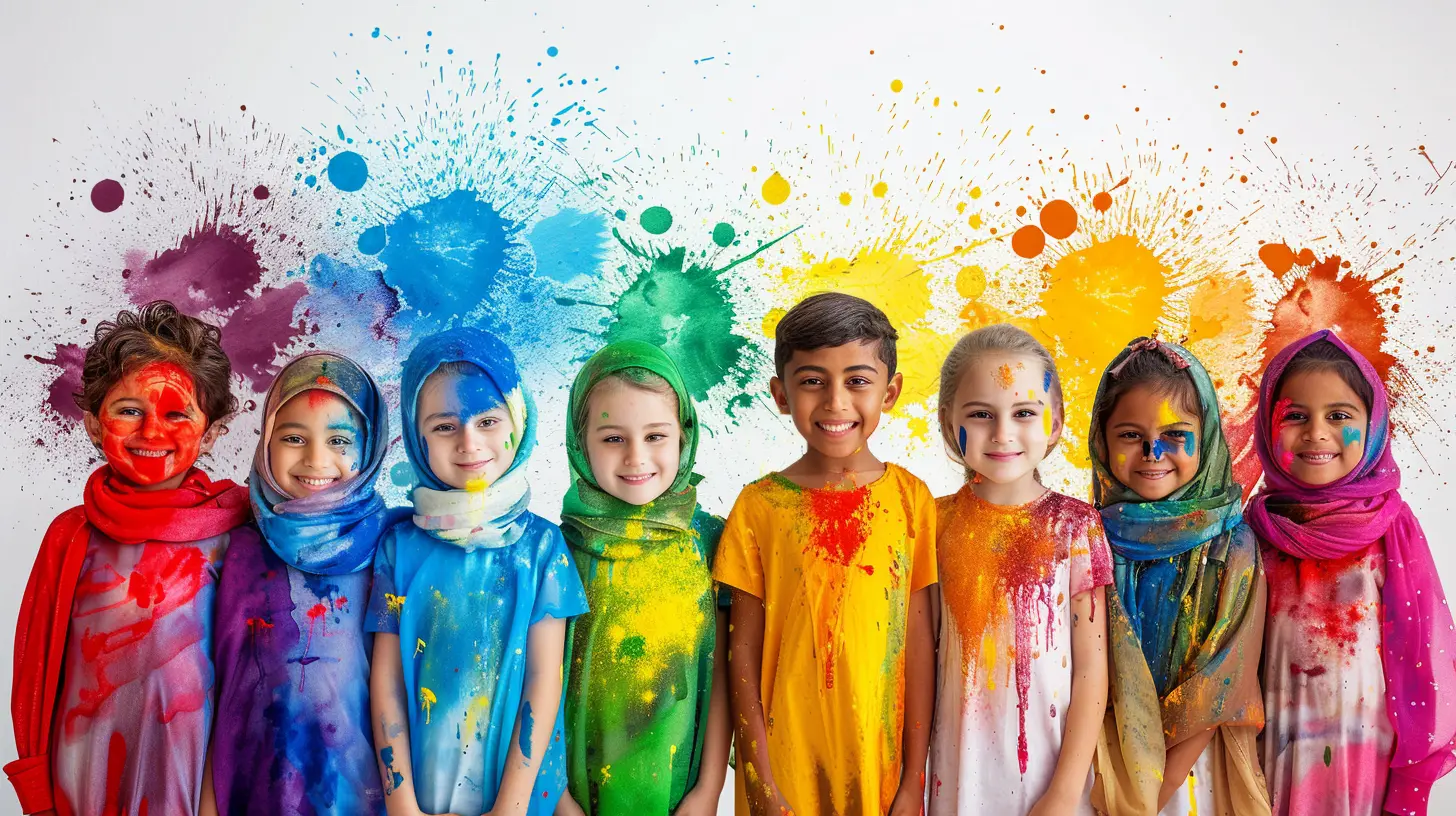
Why Is Cultural Diversity Such a Big Deal?
Okay, picture this: You walk into an ice cream shop, and they only serve vanilla. No chocolate, no strawberry, no funky flavors like "Bubblegum Blast." Just vanilla. Boring, right? Imagine if the whole world was like that—everyone spoke the same language, ate the same food, celebrated the same holidays. Snooze fest.Cultural diversity is what makes the world fun, exciting, and, most importantly, human. It brings different ideas, traditions, and perspectives together—which, when respected, leads to a richer, more inclusive society.
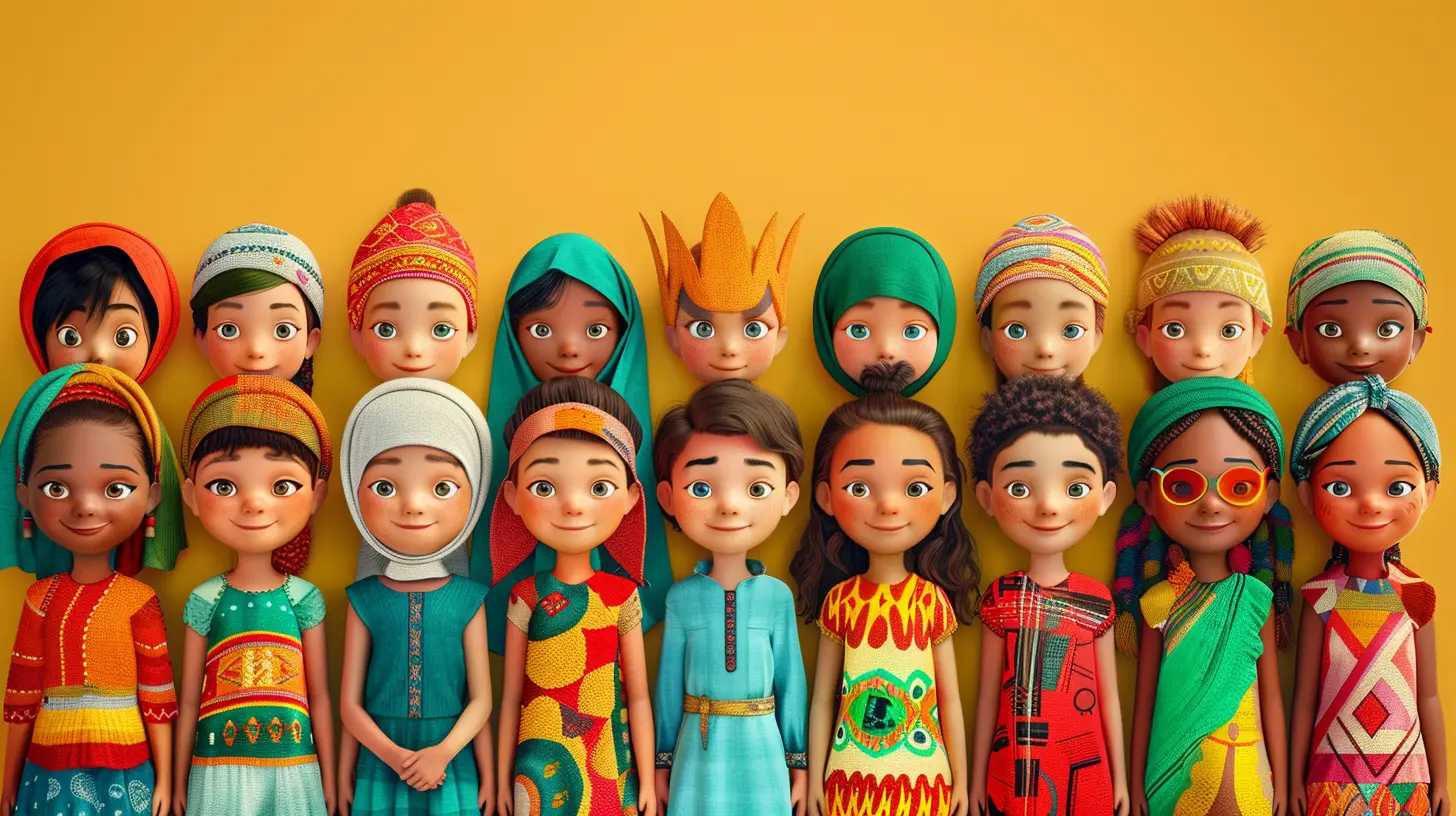
The Importance of Teaching Kids About Cultural Diversity
Kids are like sponges; they soak up everything (including that soda you told them not to spill). Teaching respect for cultural diversity early on ensures they grow up understanding that differences aren’t just okay—they're actually pretty amazing.1. Promotes Open-Mindedness
Ever heard a kid say something brutally honest (and slightly embarrassing) like, "Why does that person talk funny?" That’s curiosity, but without guidance, it can turn into ignorance. Teaching kids about different cultures helps them see that "funny" accents are just different accents, and that’s totally normal.2. Prevents Prejudice and Stereotypes
Let’s be real—stereotypes aren’t just harmless jokes; they can be damaging. When kids understand cultural diversity, they’re less likely to grow up thinking all French people walk around with baguettes or that everyone from Italy is a pizza-making pro.3. Builds Social and Emotional Skills
Cultural awareness helps kids develop empathy and strong social skills. They learn to communicate better with people from all walks of life, making them excellent future colleagues, friends, and maybe even world leaders (hey, a parent can dream).
How to Teach Respect for Cultural Diversity
So, how do you actually do this? It’s not like you can just sit a kid down and say, “Hey, respect cultures,” and expect them to get it. No worries—I’ve got some fun ideas.1. Introduce Books with Diverse Characters
Kids love stories, so why not give them ones that reflect the real world? Books with characters from various backgrounds help them see that heroes come in all shapes, sizes, and cultures. Plus, who doesn’t love a bedtime story that actually teaches something valuable?2. Celebrate Different Holidays
Did you know that New Year's isn’t just January 1st? There’s Chinese New Year, Rosh Hashanah, and even Nowruz! Learning about and celebrating different holidays is an engaging way to teach kids that there’s more to the world than just their own traditions. Bonus: More reasons for party food!3. Encourage Learning a New Language
No, I’m not saying they need to be fluent in five languages by age 10 (unless they want to), but even learning basic greetings in different languages can create a sense of appreciation for other cultures. Plus, impressing grandma by greeting her in her native tongue? Priceless.4. Try Food from Around the World
Food is the universal love language. Have a taco night, try some sushi, or attempt making an Indian curry (though maybe keep a fire extinguisher handy if your spice tolerance is weak). When kids experience new flavors, they gain an appreciation for different cultures in the tastiest way possible.5. Lead by Example
Kids mirror what they see. If you roll your eyes at unfamiliar customs, they’ll do the same. So, if you want them to respect diversity, model it. Be curious, ask questions, and appreciate what different cultures bring to the table.
What About Adults? Do They Need a Lesson Too?
Oh, absolutely. Teaching respect for cultural diversity isn’t just for kids—everyone could use a refresher. Ever heard someone say, “That’s just how we do things here”? That’s usually code for "I don’t want to learn something new." But guess what? Learning never stops.1. Travel (If You Can)
Nothing opens your eyes faster than stepping outside your comfort zone. Seeing how different cultures live, eat, and celebrate firsthand is one of the best ways to develop respect and understanding.2. Engage in Conversations
Have friends or coworkers from different backgrounds? Ask them about their traditions! Just, you know, don’t be that person who demands someone explain their entire culture in five minutes.3. Ditch the Stereotypes
Ever assume someone’s personality based on where they’re from? Yeah, let’s not do that. Stereotypes may seem harmless, but they often lead to misunderstandings and unfair assumptions about people.4. Support Diverse Businesses and Media
Read books by authors from different backgrounds, watch international films, and support minority-owned businesses. Small actions make a big difference.The Takeaway
At the end of the day, teaching respect for cultural diversity is about recognizing that our differences are what make the world awesome. Whether it’s through books, food, conversations, or celebrations, every effort counts. The goal? A world where everyone feels seen, respected, and valued—no matter where they come from, what language they speak, or what holidays they celebrate.So, let’s raise a generation (and re-educate a few adults while we’re at it) that embraces diversity. Because honestly, life’s way more interesting when we’re all a little different.
all images in this post were generated using AI tools
Category:
Cultural AwarenessAuthor:

Olivia Chapman
Discussion
rate this article
2 comments
Oliver McIntosh
This article highlights the importance of fostering respect for cultural diversity in education, promoting empathy, understanding, and collaboration among students to enrich their learning experiences.
February 6, 2026 at 6:05 AM
Olivia Chapman
Thank you for your insightful comment! I completely agree that fostering respect for cultural diversity is essential for enriching students' learning experiences.
Romina Turner
Great article! Emphasizing the importance of cultural diversity in education is crucial. Incorporating diverse perspectives not only enriches learning but also fosters empathy and understanding among students, preparing them for a globalized world. Keep up the good work!
January 12, 2026 at 4:44 PM
Olivia Chapman
Thank you for your thoughtful feedback! I'm glad you found the article on cultural diversity in education impactful.