The Future of Curriculum: How AI is Shaping Education
21 February 2026
Education is evolving at an unprecedented pace, driven by advancements in artificial intelligence (AI). What once seemed like science fiction is now becoming a reality—AI is reshaping the way students learn, teachers teach, and schools operate. But where is it all heading? How will AI change the education system as we know it?
Buckle up because we're about to dive into how AI is transforming the curriculum and making learning smarter, more personalized, and more efficient than ever before! 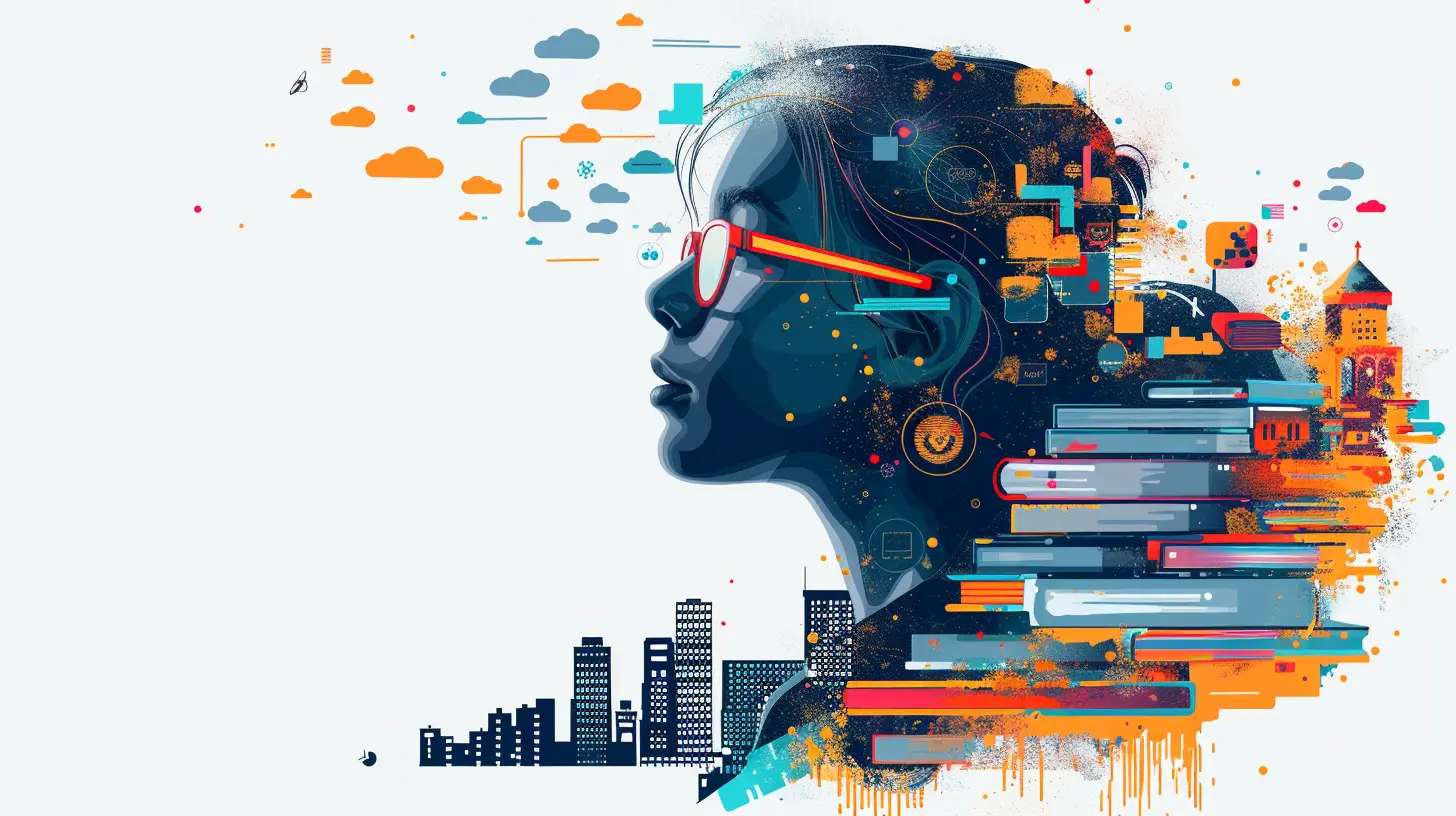
AI in Education: A Game Changer
Gone are the days of one-size-fits-all education. AI is bringing a shift in how curricula are designed and delivered. Traditional teaching methods are being replaced with intelligent technology that adapts to individual student needs.Think about it—students have different learning paces, strengths, and weaknesses. A standardized curriculum doesn’t always cater to everyone. This is where AI steps in to personalize education like never before. 
How AI is Revolutionizing Curriculum Design
1. Personalized Learning Paths
Imagine a classroom where no two students are learning the exact same thing at the same time. Sounds impossible? Not with AI.AI-driven platforms analyze student performance and create customized learning plans. If a student struggles with algebra but excels in geometry, AI can detect that and provide more algebra resources while advancing their geometry skills. This ensures no one is left behind while also challenging high-performing students.
2. Smart Content Creation
AI can generate educational content based on students’ needs. Interactive textbooks, quizzes, and even virtual tutors can be created in real-time to provide engaging study materials.For example, AI-powered tools like ChatGPT and Google’s Bard can help create lesson plans, summaries, and even practice questions tailored to students' unique abilities.
3. Automated Assessments and Instant Feedback
Remember waiting weeks for exam results? AI is eliminating that frustration!With AI-powered grading and assessment tools, students receive instant feedback, helping them improve rapidly. These tools analyze responses, highlight mistakes, and provide recommendations for improvement—just like a human tutor would but much faster.
This also reduces teachers’ workload, allowing them to focus more on actual teaching rather than spending hours grading papers.
4. AI-Powered Tutoring Systems
AI tutors are becoming more advanced, offering 24/7 assistance to students worldwide. Platforms like Carnegie Learning and Squirrel AI provide intelligent tutoring systems that adapt to student progress and provide real-time help.Unlike traditional tutoring, AI tutors never get tired, are always available, and provide unlimited practice opportunities. It's like having a personal study buddy who never runs out of patience! 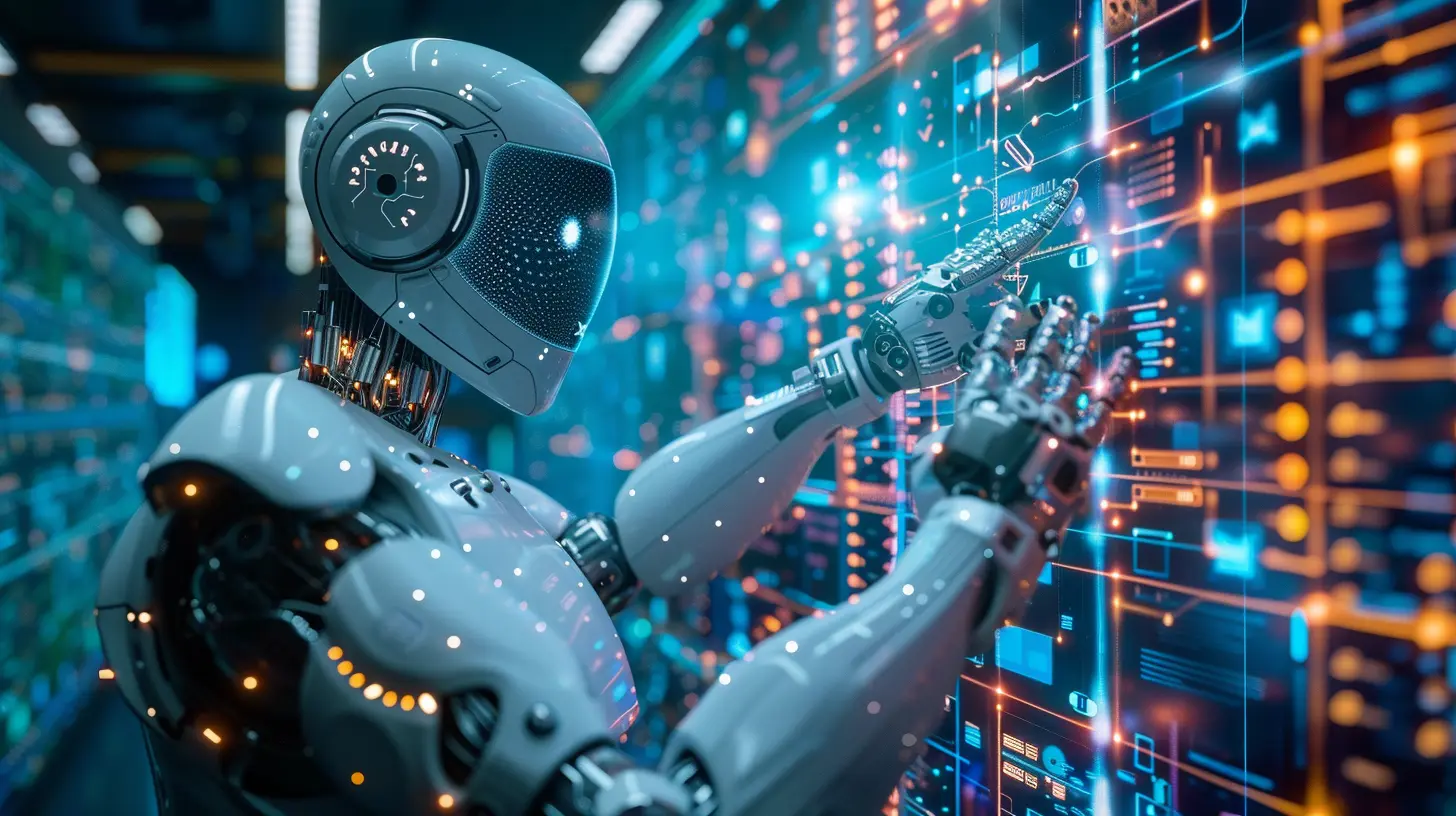
The Role of AI in Skill-Based Learning
Traditional curricula often emphasize memorization over real-world skills. AI is changing that by promoting skill-based education, ensuring students are ready for the jobs of the future.1. Teaching Critical Thinking and Problem-Solving
AI encourages a more analytical approach to learning. Instead of just absorbing information, students are challenged to understand concepts deeply, solve complex problems, and make data-driven decisions—essential skills for the modern workforce.2. Preparing for AI-Driven Careers
With AI taking over many routine jobs, future careers will demand advanced digital and analytical skills. AI-driven curricula are integrating subjects like coding, robotics, data science, and machine learning to prepare students for the AI-powered economy.3. Enhancing Creativity with AI Tools
Many fear AI will make humans less creative, but the reality is quite the opposite! AI-powered tools help students brainstorm ideas, create music, design art, and even write stories. AI isn't replacing creativity—it’s enhancing it.
Blending AI with Traditional Teaching Methods
Despite AI’s incredible potential, it’s not here to replace teachers. Instead, it acts as an assistant, making educators' jobs easier.1. Supporting Teachers, Not Replacing Them
AI can handle repetitive tasks—grading, scheduling, and administrative work—allowing teachers to focus on mentoring and engaging students. Education is not just about knowledge transfer; it's about inspiration and guidance, something AI can't replicate.2. Encouraging a Hybrid Learning Model
Blending AI with traditional classroom teaching creates a hybrid learning environment. Imagine AI-powered lessons combined with hands-on projects, discussions, and real-world applications. This balance ensures students benefit from both technology and human interaction.Challenges and Ethical Concerns
No change comes without challenges, and AI in education is no exception.1. Data Privacy and Security
AI systems collect vast amounts of student data to personalize learning. But how secure is this data? Schools and tech companies must ensure strong cybersecurity measures to protect student information.2. Accessibility and Equity
Not all schools have access to advanced AI technology. Wealthier institutions may benefit more, widening the education gap. Governments and policymakers must ensure AI-powered education is accessible to all students, regardless of their socioeconomic background.3. Over-Reliance on AI
While AI is a powerful tool, it shouldn't replace critical thinking and human interaction. Students must learn how to think independently rather than solely relying on AI-generated answers.What's Next? The Future of AI in Education
AI in education is still in its early stages, but the future looks promising.- AI-Powered Virtual Classrooms: Imagine personalized AI teachers, available on demand anytime, anywhere.
- Lifelong Learning: AI will support career-based learning, ensuring individuals keep upgrading their skills throughout life.
- Advanced Adaptive Learning: AI will become even smarter, predicting student needs before they even realize them.
One thing’s for sure—AI is here to stay, and education will never be the same again!
Final Thoughts
Artificial intelligence is revolutionizing education, making learning smarter, more personalized, and engaging. While challenges exist, the future of AI-powered curricula is bright. As educators, students, and policymakers, we must embrace this change and ensure AI serves as a tool for empowerment rather than a replacement for human intelligence.Will AI redefine the way we learn forever? Absolutely. But one thing remains the same—education is about growth, and AI is simply the next step in that evolution.
all images in this post were generated using AI tools
Category:
Curriculum DesignAuthor:

Olivia Chapman
Discussion
rate this article
2 comments
Lisa Jimenez
Great insights! Excited to see how AI transforms education.
March 1, 2026 at 12:07 PM
Olivia Chapman
Thank you! I share your excitement about AI’s potential to revolutionize education!
Carmen Maddox
This article beautifully highlights the profound impact of AI on education. It's essential to remember that while technology evolves, our focus should remain on nurturing empathy, creativity, and critical thinking in students. Balancing innovation with compassion will truly shape a brighter future for learning.
February 22, 2026 at 3:23 AM
Olivia Chapman
Thank you for your insightful comment! Balancing technological innovation with essential human skills is indeed crucial for shaping the future of education.