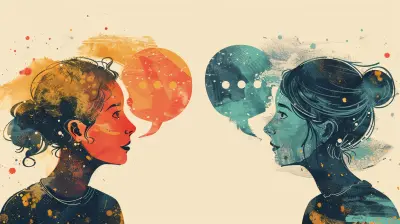
The Importance of Emotional Regulation in Character Development
7 July 2026
Have you ever found yourself reacting to a situation and immediately regretting it? Maybe you lashed out in anger or froze in fear when you needed to act. What if I told you that mastering your emotions is the secret sauce to becoming the best version of yourself?
Let’s talk about emotional regulation – the unsung hero of personal growth and character development. It’s not just some feel-good self-help buzzword; it’s a life-changing skill that shapes who we are and how we show up in the world every single day.
Whether you’re a student trying to balance exams and friendships or an adult juggling work stress and family life, emotional regulation is a game-changer.
What Is Emotional Regulation, Really?
Let’s break it down.Emotional regulation is the ability to manage and respond to your emotions in a healthy, constructive way. It doesn’t mean pretending you're not upset or bottling things up. Nope. It's about knowing what you're feeling, why you're feeling it, and choosing how to react.
Think of your emotions like the weather. Sometimes you’ll have bright sunny days, and other times there’ll be storms brewing. Emotional regulation is like having an umbrella, raincoat, and weather app all rolled into one. It prepares you to handle whatever emotional weather life throws at you.
Why Emotional Regulation Matters for Character Development
Now, here’s the big question: how does this tie into character development?Character development is all about growth – becoming more resilient, empathetic, responsible, and self-aware. These traits don’t just appear out of thin air. They’re built through challenges. And when the going gets tough, emotional regulation is the tool that helps you keep going without losing your cool.
Let’s break it into bite-sized reasons why emotional regulation is crucial:
1. Builds Self-Awareness (The Starting Point of Character)
You can't grow if you don’t know who you are.Emotional regulation forces you to pause and check in with yourself. What am I feeling? What triggered this emotion? By asking these questions, you're getting to know your inner world. And trust me, self-awareness is the foundation of strong character.
When you recognize your triggers and patterns, you can make better choices. And better choices, over time, shape your character.
2. Teaches Accountability (Instead of Blame)
It’s easy to point fingers when things go wrong, right? But emotional regulation teaches you to own your reactions.Let’s say someone cuts you off in traffic. Do you scream, honk, and tailgate them? Or do you take a deep breath and let it go?
Choosing the latter doesn’t mean you’re weak. It means you're in control. It builds the kind of strong, trustworthy character that people respect.
Being accountable for your emotions – not blaming others for how you feel – sets you apart. It shows maturity and integrity, two huge pillars of solid character.
3. Strengthens Relationships (Because Emotions Affect Others Too)
Ever had an argument that spun out of control because someone couldn’t manage their emotions? Or maybe that someone was you (we’ve all been there).When you can regulate your emotions, you communicate more clearly. You listen better. You're more empathetic. All of these things strengthen relationships.
And at the heart of good character is how you treat others – with kindness, respect, and understanding. Emotional regulation helps you get there.
4. Encourages Resilience (Bouncing Back Stronger)
Life throws curveballs. Failing an exam, getting rejected, dealing with loss – these are tough emotional experiences.The people who grow stronger through adversity? They’re not superhuman. They just know how to process their emotions without getting stuck in them.
Emotional regulation helps you feel the pain without being paralyzed by it. It gives you the strength to move forward, learn from the experience, and become better because of it.
That’s character in action.
5. Supports Moral and Ethical Decisions (Thinking Beyond Emotions)
Ever acted out of anger and made a choice you later regretted?When emotions run high, our judgment gets cloudy. Emotional regulation helps clear the fog. It lets the logical part of your brain have a say before you act.
This is especially important when you're faced with moral or ethical decisions. Regulating your emotions allows you to think long-term, consider consequences, and choose actions that align with your values.
In short, it keeps you grounded.
How to Develop Emotional Regulation (Yes, It’s a Skill)
Here’s the good news: emotional regulation isn’t some magical trait you're born with. It's a skill. And like any skill, the more you practice, the better you get.Let’s walk through some practical steps:
1. Name the Emotion
First things first, figure out what you’re feeling. Angry? Anxious? Jealous? Lonely?Don’t just say, “I feel bad.” Be specific. When you can name it, you can tame it.
2. Breathe Before Reacting
It sounds simple (and it is), but taking one deep breath can stop you from saying or doing something you'll regret.Slowing down gives your brain a moment to engage the thinking part, instead of letting emotions take the wheel.
3. Journal It Out
Writing down your feelings helps you process them logically. Sometimes, the act of getting your thoughts onto paper is enough to calm you down.Plus, it helps you spot patterns in your emotional habits.
4. Practice Mindfulness
Mindfulness is all about staying present. Not stuck in the past or worried about the future, but here. Now.And when you're present, you're less likely to be overwhelmed by your emotions. Regular mindfulness practice, even just five minutes a day, can make a big difference.
5. Reframe Your Thoughts
You can’t always control what happens to you, but you can control how you think about it.Instead of “I always mess up,” try “I made a mistake, but I can learn from it.” Reframing helps keep emotions in check and encourages growth.
The Ripple Effect: Emotional Regulation in Daily Life
Let’s take this out of theory and into real life.Say you’re a student and you just failed a test. The old you might’ve panicked, cried, blamed the teacher, and given up.
But with emotional regulation? You still feel disappointed, but you don’t let it derail you. You feel the frustration, accept it, talk to your teacher, and make a plan to do better next time.
Same experience. Different outcome. Stronger character.
This applies at work, in friendships, in romantic relationships – everywhere. Regulating your emotions gives you the power to respond instead of react, to grow instead of stagnate.
Emotional Regulation in Role Models and Leaders
Think about the people you admire. What makes them stand out?Chances are, they’re not the ones who fly off the handle or crumble under pressure. They're the calm in the storm. The ones who lead with empathy and respond with wisdom, not impulse.
From teachers to CEOs to community leaders, emotional regulation is a trait shared by those who inspire and influence others. It’s not loud or flashy – it’s steady, strong, and powerful.
If you want to lead – in your life, classroom, or career – emotional regulation is your secret weapon.
The Character You Want to Become
Who you are today isn’t who you have to stay.Every time you choose to take a deep breath instead of yelling, pause instead of reacting, reflect instead of blaming – you’re building your character.
You’re becoming someone others can trust, someone who grows through challenges, someone who doesn’t just feel emotions – but uses them as tools for growth.
That, my friend, is the power of emotional regulation.
Final Thoughts
So, the next time your emotions feel like they’re in the driver’s seat, remember this: you have the power to take the wheel.Emotional regulation doesn’t mean you're emotionless. It means you’re emotionally smart.
And in the journey of becoming a better human – whether in school, your career, or just in day-to-day life – that kind of intelligence makes all the difference.
Slowly, steadily, with every choice, you’re building a character that’s not only strong but deeply inspiring.
So breathe, reflect, grow – and let your emotional intelligence lead the way to the person you’re meant to be.
all images in this post were generated using AI tools
Category:
Character EducationAuthor:

Olivia Chapman
Discussion
rate this article
1 comments
Hugo Price
Emotional regulation is crucial for character development. It helps individuals manage feelings, build resilience, and improve relationships, ultimately shaping their personal growth and interactions.
July 19, 2026 at 10:57 AM
Olivia Chapman
Absolutely, emotional regulation is at the heart of growth. It not only enhances resilience but also deepens connections with others. Thanks for highlighting its significance!