How to Group Students Effectively for Differentiated Learning
29 March 2026
Educators know that every student is unique, with different learning styles, abilities, and interests. Differentiated learning is all about tailoring instruction to meet each student's needs, and one of the most effective ways to do this is through strategic student grouping. But how do you group students in a way that enhances learning rather than creating chaos?
In this article, we’ll break down the best strategies for grouping students, why it matters, and how you can implement different methods in your classroom for maximum impact.
Why Grouping Students Matters
Grouping students effectively isn’t just about making classroom management easier—it’s about improving learning outcomes. When done right, it allows students to:- Collaborate and share ideas
- Learn at their own pace
- Build confidence in their abilities
- Engage with the material in ways that suit them best
Whether you're working with high-achievers, struggling learners, or a mix of both, strategic grouping can turn an ordinary lesson into a dynamic and inclusive learning experience. 
Strategies for Grouping Students
There’s no one-size-fits-all approach to student grouping, but here are some of the most effective methods.1. Homogeneous Grouping (Same Ability Groups)
What it is: Grouping students based on similar skill levels or abilities.When to use it:
- When you need to provide targeted instruction for students at the same level.
- When working on skill-building exercises where students benefit from similar pacing.
Pros:
✔ Helps struggling students receive more support.
✔ Keeps advanced students from feeling held back.
Cons:
✖ Can limit peer learning opportunities.
✖ May create feelings of inadequacy among lower-performing students.
💡 Teacher Tip: Rotate groups frequently so students don’t feel "stuck" at a certain level.
2. Heterogeneous Grouping (Mixed Ability Groups)
What it is: Combining students with different abilities, learning styles, and strengths.When to use it:
- When working on projects that require a variety of skills.
- When promoting peer learning and collaboration.
Pros:
✔ Encourages peer tutoring and mentorship.
✔ Helps students develop communication and teamwork skills.
Cons:
✖ Advanced students might take over, leaving others behind.
✖ Struggling students might feel overshadowed.
💡 Teacher Tip: Assign roles within the group to ensure equal participation.
3. Interest-Based Grouping
What it is: Placing students in groups according to their interests or personal preferences.When to use it:
- When working on projects that allow creativity and student choice.
- When trying to boost engagement and motivation.
Pros:
✔ Increases student enthusiasm and participation.
✔ Encourages deeper learning through personal investment.
Cons:
✖ Can sometimes result in off-task behavior.
✖ Might exclude students who don’t share popular interests.
💡 Teacher Tip: Provide a list of topics or types of projects for students to choose from to ensure variety.
4. Learning Style-Based Grouping
What it is: Grouping students based on how they learn best (visual, auditory, kinesthetic, or reading/writing).When to use it:
- When teaching complex concepts that require different ways of processing.
- When students struggle with traditional instruction methods.
Pros:
✔ Allows students to learn in a way that suits them.
✔ Helps educators tailor lessons to match student needs.
Cons:
✖ Requires a deep understanding of students' learning preferences.
✖ Can be time-consuming to set up.
💡 Teacher Tip: Rotate group activities so students get exposure to different learning styles.
5. Random Grouping
What it is: Assigning students to groups randomly, either through drawing names, using an app, or another method.When to use it:
- When trying to encourage diversity and fresh perspectives.
- When you want to mix up social dynamics.
Pros:
✔ Encourages students to work with different classmates.
✔ Reduces biases in group selection.
Cons:
✖ Some groups may end up unbalanced in terms of skills and personalities.
✖ May cause conflict between students who don’t work well together.
💡 Teacher Tip: Use random grouping for short activities rather than long-term projects. 
How to Manage Group Work Effectively
Grouping students is only the first step. Managing those groups effectively is where the real magic happens.1. Set Clear Expectations
Before students get into groups, outline clear goals, responsibilities, and expected behavior. Define what success looks like so they know what to aim for.2. Assign Roles Within Groups
Roles like “leader,” “note-taker,” and “presenter” help keep everyone engaged and ensure that responsibilities are evenly distributed.3. Monitor and Adjust as Needed
Walk around the classroom, observe group interactions, and make adjustments if needed. If a group isn’t working well together, don’t hesitate to mix things up.4. Use Technology to Your Advantage
Tools like Google Docs, Padlet, and Kahoot can make group work more interactive and collaborative, even in virtual or hybrid learning settings.5. Provide Feedback and Reflection Time
After group activities, ask students to reflect on what worked and what didn’t. This helps them improve their teamwork skills and makes future group work more effective.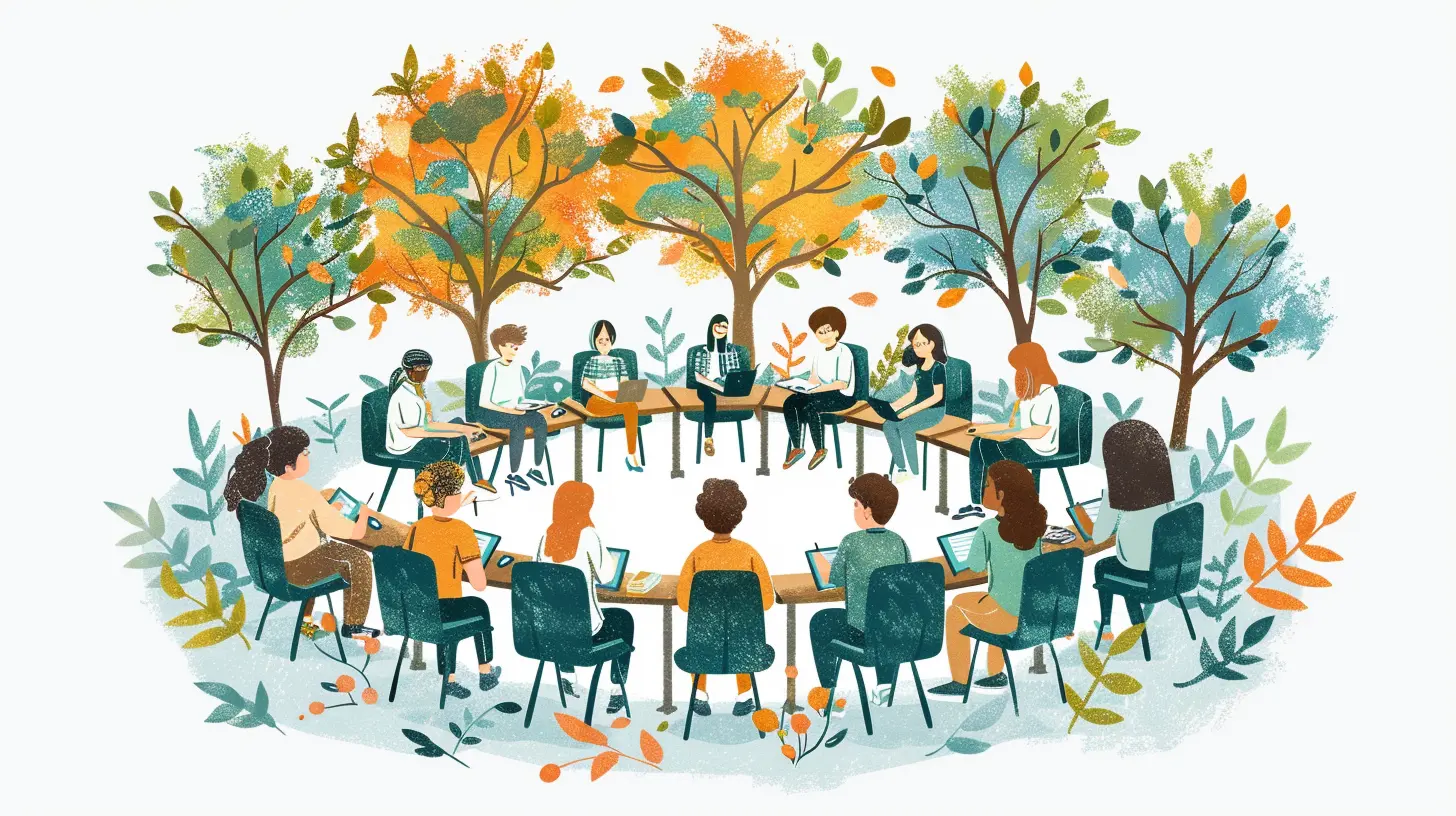
Final Thoughts
Grouping students effectively for differentiated learning isn’t just about putting kids together and hoping for the best. It’s about being intentional, flexible, and strategic. Whether you're grouping by ability, interest, or learning style, the key is to create an environment where every student can thrive.At the end of the day, the goal is simple: to make learning more personalized, inclusive, and engaging. And with the right grouping strategies in place, you can do just that.
all images in this post were generated using AI tools
Category:
Differentiated InstructionAuthor:

Olivia Chapman
Discussion
rate this article
2 comments
Rachael McPhail
Effective grouping hinges on understanding each student's strengths and needs. Create diverse teams to foster collaboration, encourage peer learning, and adapt to varying learning styles, ensuring every student feels valued and engaged.
April 7, 2026 at 3:07 AM
Olivia Chapman
Thank you for your insightful comment! I completely agree that recognizing individual strengths and needs is key to creating effective and diverse student groups that promote collaboration and engagement.
Xylo Clark
Effective student grouping hinges on understanding individual strengths and needs. Embrace flexibility and encourage collaboration, fostering an environment where diverse perspectives thrive, enhancing learning experiences for every student in the classroom.
March 30, 2026 at 2:46 AM
Olivia Chapman
Absolutely! Flexibility and collaboration are key to successful student grouping. Understanding individual strengths ensures that all voices are heard, enriching the learning experience for everyone.