The Importance of Kindness: Fostering Compassion in Children
26 May 2026
Let’s face it—our world could seriously use a little more kindness right now. We live in a time where screens scream louder than people talk, news cycles highlight negativity like it’s going out of style, and differences often divide more than unite. So how do we prepare our kids to handle all this chaotic noise while still holding on to their humanity?
It starts with kindness.
Not just the “say please and thank you” kind of kindness. I’m talking about the real, deep-rooted, heartwarming, world-changing kind of compassion that lives in action. That’s the type of kindness we need to be fostering in children—today, tomorrow, and always.
Why Raising Kind Kids Matters More Than Ever
We all want our children to succeed—get good grades, land great jobs, live happy lives. But here's the twist: success without kindness is empty. Kindness is what turns intelligence into wisdom, wealth into generosity, and leadership into true influence. Think about it—would you rather your child be the smartest person in the room, or the person who made everyone else feel seen, heard, and respected?Yeah, me too.
Kindness Builds Character
Character isn’t built by acing math tests or racking up soccer trophies. It's shaped by how we treat others when no one’s watching. When we instill kindness in kids, we’re giving them a moral compass. They learn to value empathy, fairness, and respect—which are basically the cheat codes for navigating relationships and life in general.It’s a Superpower Against Bullying
Bullying is still a massive issue in schools and online. But here’s a thought—what if we focused less on “anti-bullying” programs and more on pro-kindness ones? When kids are taught to genuinely care about others, the desire to hurt, exclude, or mock someone else starts to fade. Kind kids are the type of kids who stand up, speak out, and make it safe for others to shine.Kindness Enhances Emotional Health
There's this amazing thing about kindness—it not only lifts up others, it lifts us too. When kids are kind, their brains actually release feel-good chemicals like oxytocin and serotonin. It’s nature’s way of saying, “Hey, this is what you’re supposed to be doing!” In short? Kindness doesn’t just make the world better—it makes your child feel better, too.
Teaching Kindness at Home
It always starts at home, doesn’t it? You're the first teacher your child ever has. So how can you turn your home into a kindness training ground?Model the Behavior
Let’s keep it real—kids are little learning sponges. You can talk until you're blue in the face about being kind, but it won’t stick unless they see you living it. Are you patient with the cashier even when the line is long? Do you check on your neighbor when they’re sick? Every little action you take is a lesson in compassion.Praise the Right Things
We’re quick to say “Good job!” when a kid scores a goal or brings home an A+, and that’s awesome. But how often do we say “I’m proud of you for helping your friend" or “That was really kind of you to share"? Want to raise kind kids? Start celebrating kindness loud and proud.Create Opportunities for Giving
Get your family involved in acts of kindness. Volunteer at a food bank. Donate toys together. Make cards for hospital patients. You’re not just spending time together—you’re building habits that could literally change someone's life.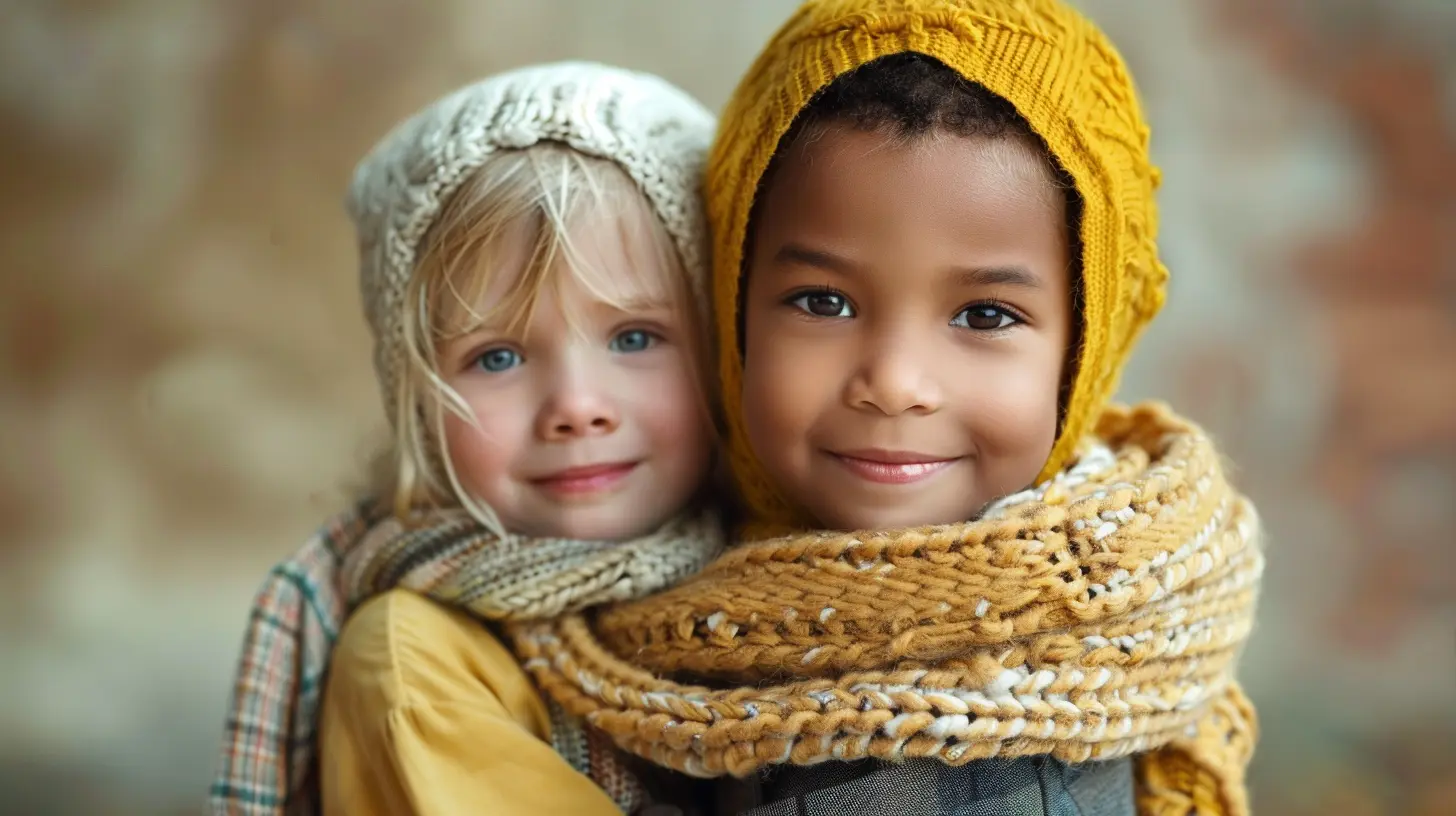
Fostering Compassion in Schools
Teachers, you’re the real MVPs. You’ve got a classroom full of mini humans all with unique personalities and struggles, and kindness in the classroom can change everything.Create a Safe Space
Before kids can practice kindness, they need to feel safe. A classroom where students feel respected and included is the perfect soil for compassion to grow. Make respect a norm, not a reward.Encourage Teamwork, Not Just Competition
Sure, a little healthy competition spices things up, but don’t let it overshadow cooperation. Group activities, collaborative projects, and peer mentoring can build bridges—and help kids see the value in lifting each other up rather than tearing each other down.Start a Kindness Challenge
Sometimes, kids just need a nudge. Create a kindness wall in your classroom. Challenge kids to do one small act of kindness every day for a month. It's amazing how contagious compassion can be once it starts rolling.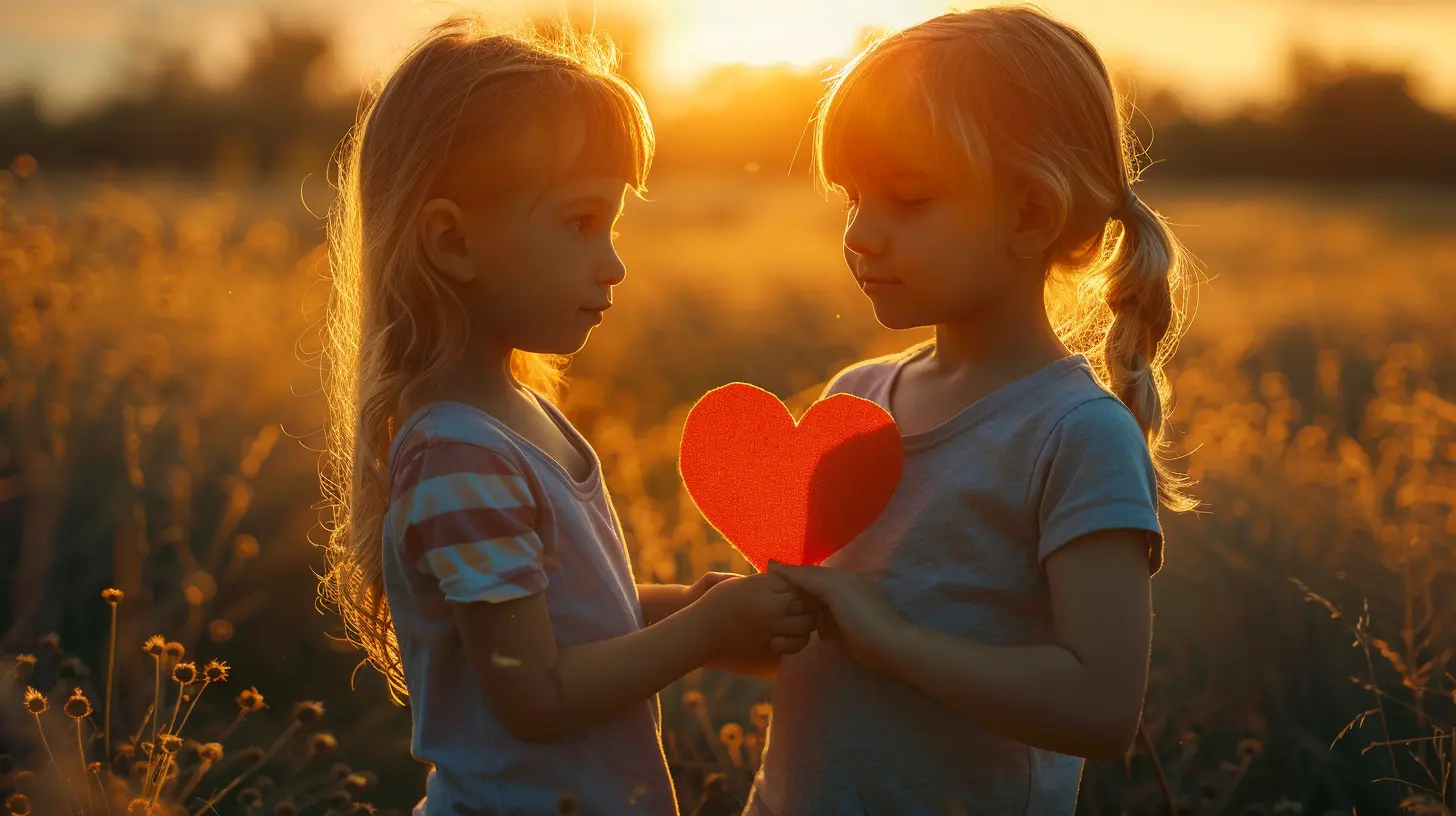
Kindness Through the Ages
Let’s not forget—kindness looks a bit different at every stage of childhood. Here’s what fostering compassion might look like, depending on where your child is on their journey.Preschoolers: Simple Acts, Big Hearts
At this stage, it’s all about modeling and repetition. Teach them to say “thank you,” to share even when it’s hard, and to comfort a crying friend. Read books about kindness. Sing songs. Make it fun.Elementary-Aged Kids: Understanding Emotions
This is when empathy starts to click. Help them name their feelings—and recognize emotions in others. Use real-life situations from the news or stories to spark discussions like “How do you think she felt when that happened?”Tweens and Teens: Real-World Compassion
Now we’re in deeper waters. Peer pressure, social media, and identity issues come into play. Encourage your child to speak up about injustice, mentor someone younger, or lead a kindness club at school. Help them see that being kind doesn’t make you weak—it makes you powerful.Dealing with Setbacks (Because, Yep, They’ll Happen)
Let’s be honest—your kid’s not going to get it right all the time. Not even close. They’ll say mean things, they’ll mess up, they’ll act selfishly. That’s life. What matters is what you do afterwards.Use mistakes as teachable moments—not shame sessions. Ask guiding questions like, “How do you think your friend felt when you said that?” or “What could you do differently next time?”
No one wakes up a perfect human. We all grow. We all stumble. It’s the getting back up that builds resilience.
The Ripple Effect of Raising Kind Kids
Here’s the thing no one tells you when you start teaching kindness—it spreads. One kind action can inspire another, and another, and before you know it, there's a whole chain reaction of goodness happening. Imagine your child comforting a classmate one day, and that classmate going home to treat their sibling better, who then decides to befriend a new kid at school. That’s how change happens.Raising kind kids isn’t just about shaping their future. It’s about shaping the future. Full stop.
Why It’s Worth the Effort
Let’s wrap this up with some truth: Teaching kindness isn’t always easy. There will be eye rolls. There will be slip-ups. Your child may not always get the gold star for "Most Compassionate Human of the Year."But if you keep showing up, keep modeling kindness, and keep reinforcing the importance of empathy, something magical happens—it becomes a part of who they are.
Imagine a future filled with adults who listen before they speak, who give before they take, who lift others up without needing a reward. That future starts with kind children. And that? That starts with us.
So, the next time your child holds the door for someone, offers a sincere “thank you,” or comforts a friend who’s down—don’t shrug it off. Celebrate it. That’s not just good behavior. That’s the world changing, one tiny act at a time.
all images in this post were generated using AI tools
Category:
Character EducationAuthor:

Olivia Chapman
Discussion
rate this article
1 comments
London Bowman
This article beautifully highlights how kindness shapes children's character and social skills. By fostering compassion from a young age, we not only build stronger communities but also empower children to face challenges with empathy. Encouraging kindness is essential for nurturing a more understanding and connected world.
June 5, 2026 at 12:27 PM
Olivia Chapman
Thank you for your thoughtful comment. I'm glad you found the article highlights valuable. Kindness truly lays the foundation for a more empathetic future.