The Power of Gratitude: Encouraging Positive Attitudes in Young Learners
2 June 2026
Gratitude is a simple yet powerful tool that can shape how children see the world. Imagine planting a tiny seed in a garden; with care and nourishment, it grows into a strong, flourishing tree. Gratitude works the same way in young minds—it fosters positivity, resilience, and happiness.
But in a world filled with distractions, how can we teach kids to appreciate the little things? Let's dive into the power of gratitude and how we can cultivate it in young learners to shape a brighter future.
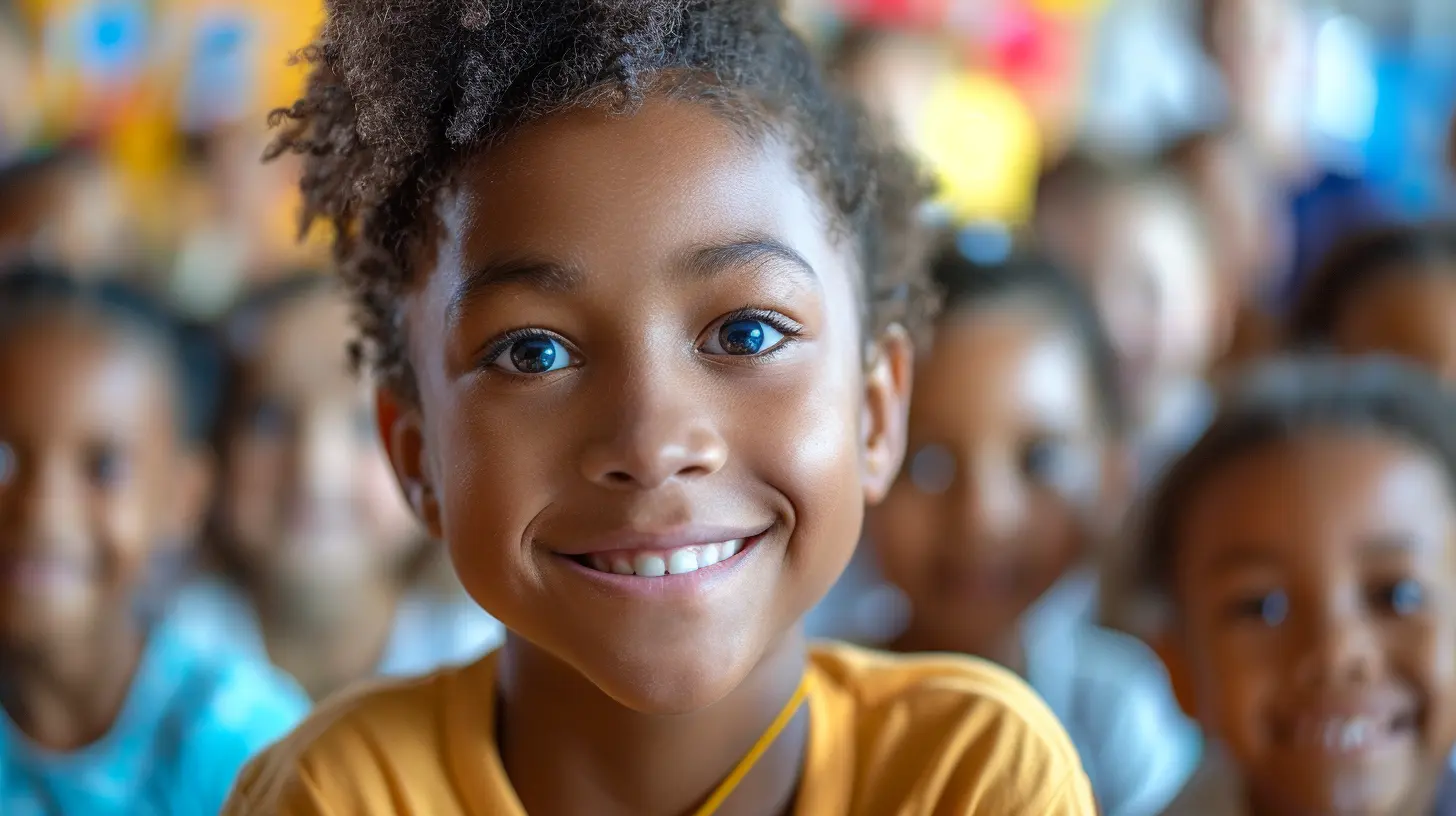
Why Gratitude Matters for Young Learners
Gratitude isn't just about saying "thank you." It's an emotion, a mindset, and a practice that helps children appreciate what they have and build stronger relationships. When kids develop gratitude, they:- Feel happier – Studies show that grateful children experience higher levels of happiness and life satisfaction.
- Develop empathy – When they appreciate others, they naturally become kinder and more understanding.
- Strengthen relationships – Expressing gratitude fosters connections with family, friends, and teachers.
- Build resilience – Gratitude helps children bounce back from challenges by focusing on what’s positive.
By making gratitude a daily habit, children gain lifelong benefits that extend beyond the classroom.
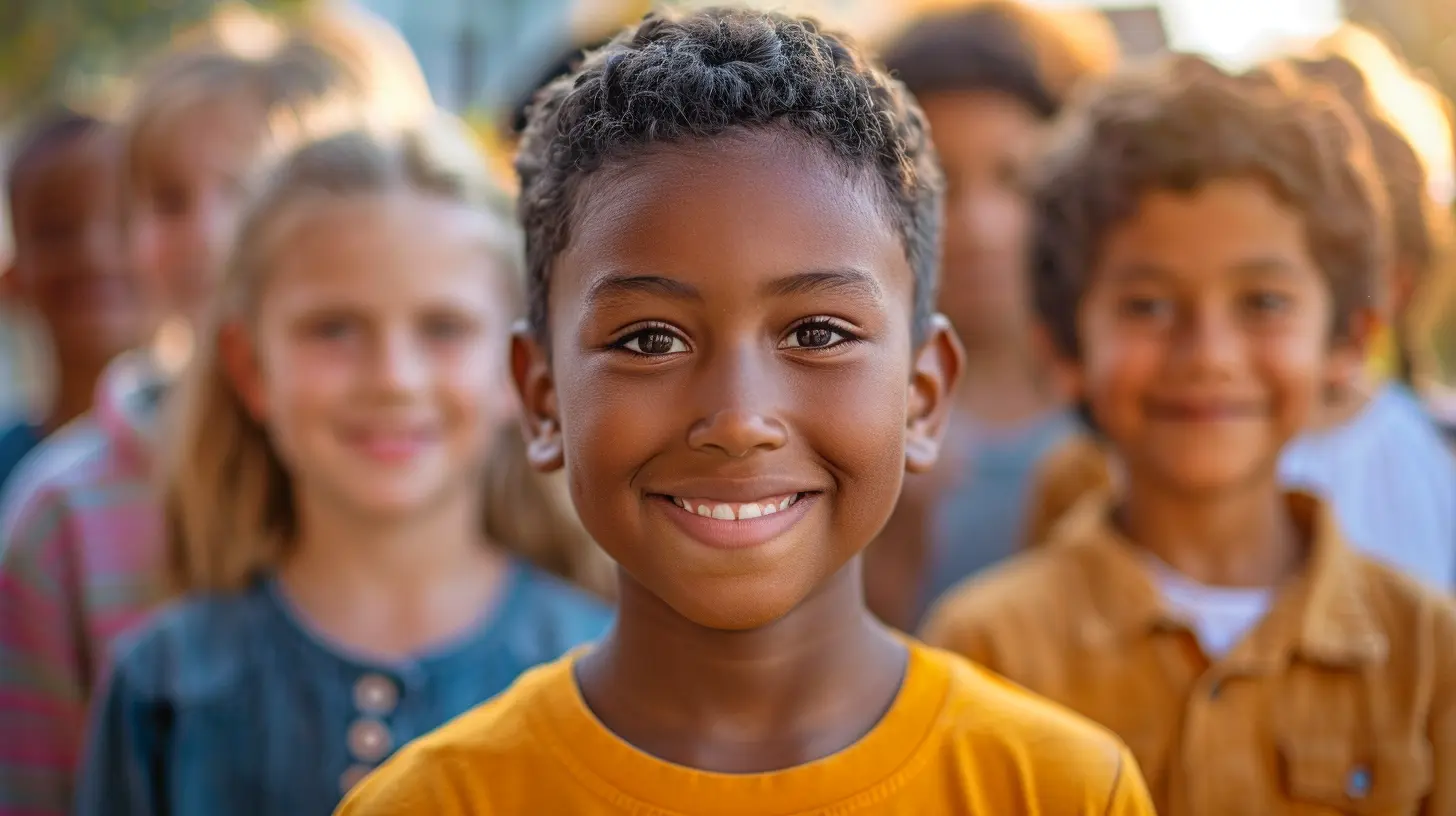
How to Teach Gratitude to Young Learners
Gratitude isn’t something kids automatically develop; it needs to be nurtured. Below are practical ways to encourage a grateful mindset in young learners.1. Model Gratitude Yourself
Children learn by watching. If they see parents, teachers, and caregivers expressing gratitude regularly, they’re more likely to follow suit.- Say “thank you” often and sincerely.
- Express appreciation for small things, like a sunny day or a kind word.
- Talk about what you’re grateful for at home or in the classroom.
Setting an example helps children understand that gratitude isn’t just a word—it’s an attitude.
2. Encourage a Gratitude Journal
A gratitude journal is a simple yet effective way to build a habit of thankfulness.- Have children write down or draw three things they are grateful for each day.
- Keep it fun and creative—stickers, drawings, or storytelling can make it more engaging.
- Encourage reflection by asking questions like, “How did this make you feel?”
Over time, this small habit helps children focus on the positive aspects of their lives.
3. Practice 'Thankful Thursdays' or Daily Gratitude Circles
Turn gratitude into a routine by incorporating it into the daily or weekly schedule.- Dedicate time in class or at home for kids to share one thing they’re thankful for.
- Pair it with a gratitude-themed story or poem.
- Encourage group discussions where students appreciate each other’s efforts.
This simple practice creates a culture of appreciation and positivity.
4. Use Gratitude Prompts
Sometimes, kids need a little nudge to think about what they’re thankful for. Use gratitude prompts like:- “What is something someone did for you that made you feel happy?”
- “Name three things that made you smile today.”
- “How did you help someone this week, and how did that feel?”
These prompts encourage deeper thinking and make gratitude an intentional practice.
5. Engage in Acts of Kindness
One of the best ways to teach gratitude is through action. Encourage kids to:- Write thank-you notes to teachers, parents, or friends.
- Volunteer in small ways, like helping a friend or cleaning up after a meal.
- Share or donate toys, books, or clothes to those in need.
When children experience the joy of giving, they understand the value of gratitude firsthand.
6. Read Books About Gratitude
Stories are a fantastic way to instill values in young minds. Consider reading books that highlight gratitude, such as:- The Thank You Book by Mo Willems
- Grateful: A Song of Giving Thanks by John Bucchino
- Bear Says Thanks by Karma Wilson
Reading together allows children to see gratitude in action and discuss its importance.
7. Encourage Gratitude in Tough Times
It's easy to be thankful when things are going well, but what about challenging moments? Teaching children to find gratitude even during setbacks builds resilience.- Remind them that every challenge brings a lesson or opportunity.
- Encourage them to focus on what they still have, rather than what's missing.
- Help them reframe difficulties by asking, “What is one good thing about this situation?”
This skill equips children to handle life's ups and downs with a positive mindset.

The Science Behind Gratitude and Positivity
Gratitude isn’t just a nice idea—it has real psychological and physical benefits. Studies show that practicing gratitude:- Boosts dopamine and serotonin, the brain’s "feel-good" chemicals.
- Reduces stress and anxiety, helping kids feel more relaxed and happy.
- Improves sleep, as gratitude shifts focus away from worries.
- Enhances school performance, since a positive mindset encourages motivation and resilience.
By teaching gratitude early, we set children up for emotional and academic success.
Making Gratitude a Habit
Like brushing teeth or saying "please," gratitude should become a daily habit. Here’s how to reinforce it:- Make it a family tradition – Share something you’re grateful for at dinner or bedtime.
- Use gratitude apps – Simple apps like “Gratitude Journal” help kids track thankfulness.
- Practice mindfulness – Encourage children to take deep breaths and reflect on positive moments.
The more frequently gratitude is practiced, the more natural it becomes.
Final Thoughts
Gratitude is a small yet powerful force that can transform a child’s perspective on life. By teaching kids to appreciate the good around them, we’re helping them develop happiness, empathy, and resilience. And the best part? Gratitude is contagious! When young learners embrace it, they inspire those around them to do the same.Let’s plant those seeds of thankfulness today—who knows how beautifully they’ll grow?
all images in this post were generated using AI tools
Category:
Character EducationAuthor:

Olivia Chapman
Discussion
rate this article
1 comments
Nancy Klein
Gratitude is not just a feel-good exercise; it's a game changer. Teaching it to young learners builds resilience and shapes them into positive, mindful individuals.
June 4, 2026 at 3:00 AM
Olivia Chapman
Absolutely! Instilling gratitude in young learners fosters resilience and positivity, equipping them with essential life skills. It truly is transformative.