The Role of Sportsmanship in Building Character
7 April 2026
When you think about sports, what usually comes to mind first? Maybe it's the adrenaline-pumping action of a last-minute goal, the roar of the crowd, or the sweet taste of victory after months of training. But let’s dig a little deeper. Beyond the wins, losses, and competition, there’s something far more valuable at play — sportsmanship.
You see, sportsmanship isn't just about shaking hands after a game or playing by the rules. It's about what kind of person you are on and off the field. It’s about integrity, respect, resilience, kindness, and, ultimately, character. So, grab your mental sneakers because we’re about to run through how sportsmanship plays a major part in shaping who we are.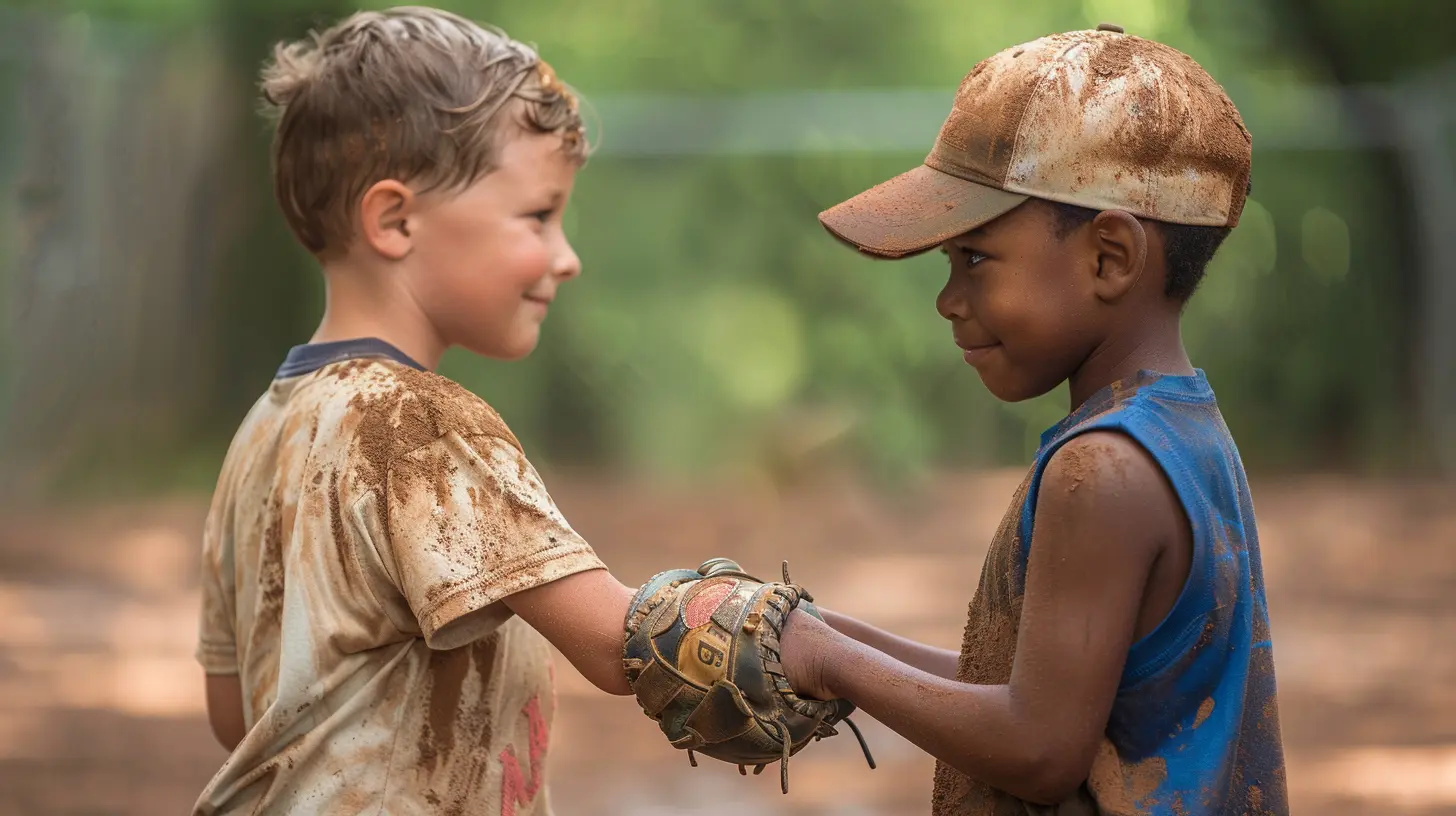
What Is Sportsmanship, Really?
Let’s start with the basics. Sportsmanship is more than not trash-talking your opponent or saying "good game" even when you feel like screaming into a pillow. It's an attitude, a mindset — a way of approaching not just sports, but life.At its core, sportsmanship is about:
- Fair play
- Respect for opponents
- Grace in victory and humility in defeat
- Self-control even when things get heated
- Encouragement of teammates and even adversaries
In other words, it’s a reflection of your character. And building character is what sports — and life — are ultimately about.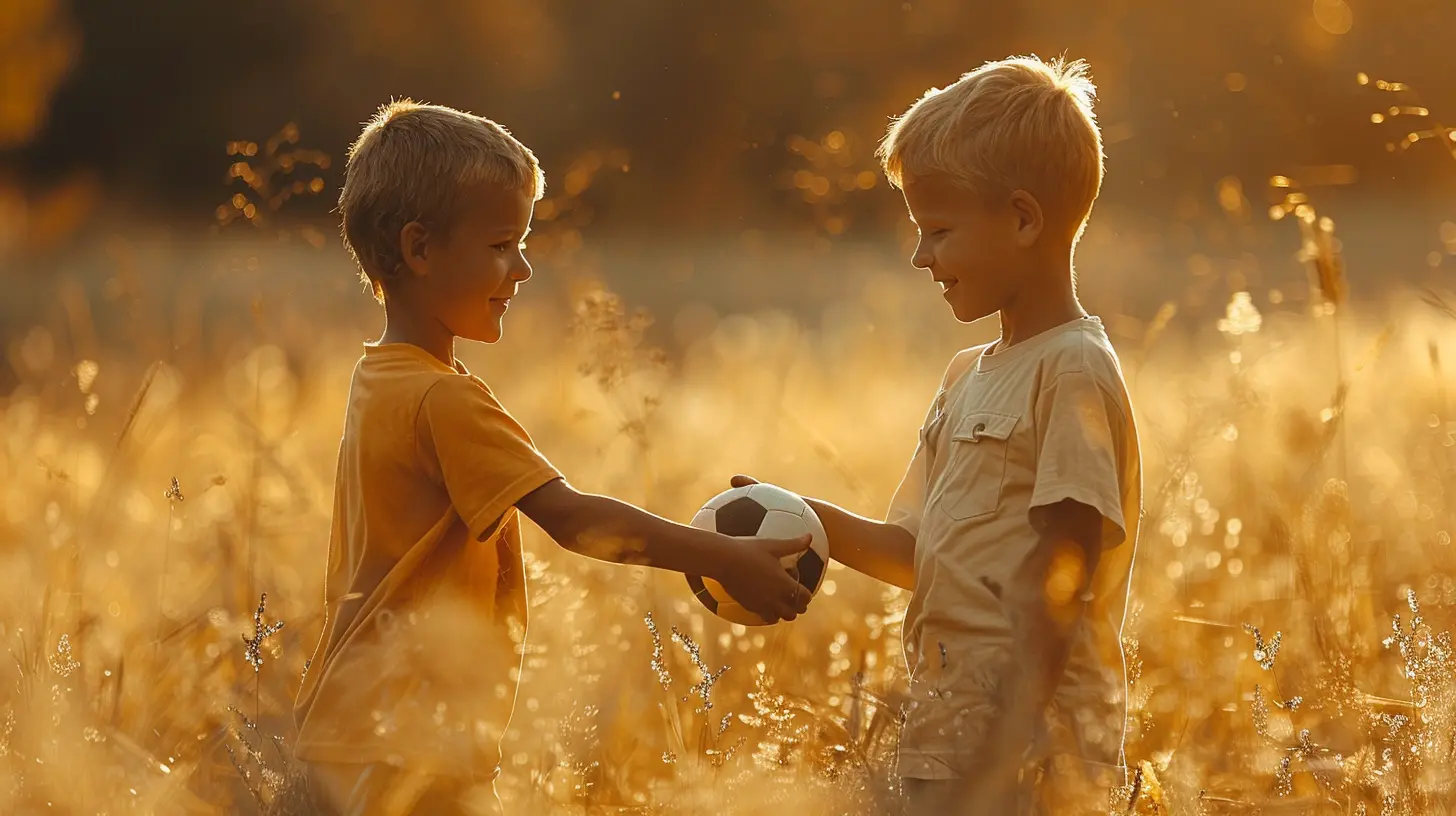
Sportsmanship vs. Winning at All Costs
Let’s be real: Everyone loves to win. But the obsession with winning can sometimes push sportsmanship aside. Think of sports as a giant classroom, one that teaches valuable life lessons. If winning becomes the only goal, we risk missing out on those lessons.What kind of message are we sending to young athletes when we prioritize victory over values? That cheating is okay as long as you don’t get caught? That showing off is better than staying humble? That treating others poorly is acceptable if the scoreboard is in your favor?
The truth is, character counts way more than a trophy ever will.
How Sportsmanship Builds Key Character Traits
Let’s break down how exactly sportsmanship shapes the kind of person you become. Think of each pillar of character as a muscle — and sportsmanship is the ultimate workout.1. Respect: The Foundation of Every Relationship
When athletes shake hands after a tough match or help an opponent off the ground, they're showing respect. And that matters. It teaches us that everyone — even our "rival" — deserves to be treated with dignity.Respect isn’t just for opponents either. It extends to coaches, referees, teammates, and even the fans in the stands. Learning to respect others, especially in high-pressure situations, carries over into school, work, and day-to-day life.
2. Integrity: Doing the Right Thing When No One's Watching
Imagine this: You’re on the field, and the ref misses a call. You could take advantage. No one would know. But sportsmanship teaches you to play fair — even if it means giving up an edge.That’s integrity. It’s about being honest with yourself and others. It’s choosing what's right over what's easy. And trust me, that kind of integrity sticks with you far beyond your playing days.
3. Resilience: The Art of Bouncing Back
Ever lost a game you trained months for? It stings — no sugarcoating it. But sportsmanship teaches you how to deal with that pain constructively. Instead of throwing a tantrum or blaming others, you own your loss, learn from it, and get back to work.That’s how resilience is built. The same resilience helps you handle setbacks like failing a test, not getting that job, or facing personal struggles. Life will knock you down. Sportsmanship teaches you how to get back up — with grit and grace.
4. Empathy: Seeing the Human Behind the Jersey
One of the most underrated aspects of sportsmanship is empathy. When you’re in the heat of competition, it's easy to see your opponent as "the other side." But sportsmanship teaches you that they’re people too — with hopes, fears, and stories just like yours.It cultivates emotional intelligence — the ability to understand and manage your own emotions while recognizing the emotions of others. That’s a game-changer in relationships, leadership, and life in general.
5. Accountability: Owning Your Actions
Everyone makes mistakes — it's part of being human. But sportsmanship means taking responsibility, whether you missed a play or lost your temper. Blaming others or making excuses only holds you back.By practicing accountability, you build credibility. And let’s be honest — people respect those who own up to their actions, even when it's tough.
Real-Life Examples That Stick
Let’s not just talk theory — let’s look at some real moments of sportsmanship that inspired the world:- Abby Wambach (US Soccer): After a teammate accidentally scored an own goal, Wambach didn’t blame her. Instead, she rallied the team to support her — showing leadership, empathy, and teamwork.
- Meghan Vogel (Track & Field): During a state championship, Vogel noticed a fellow runner collapse near the finish line. Instead of sprinting ahead, she stopped, helped her rival up, and made sure she crossed before her. Now that’s character in motion.
- Roger Federer & Rafael Nadal (Tennis): Lifelong rivals on the court, but always respectful and full of praise for each other after matches. They've shown that you can be competitive and classy at the same time.
Think about those examples the next time you’re tempted to let emotions get the better of you. These athletes didn't just build careers — they built a legacy.
The Classroom Connection: Sportsmanship in Schools
Schools play a massive role in developing young minds. But it’s not all about textbooks and homework. Sports and extracurricular activities offer a playground for learning life skills, especially when it comes to sportsmanship.Here’s how sportsmanship contributes to character education in schools:
- Promotes a positive school culture: When students treat each other with respect, whether on the field or in the halls, it creates a safe and inclusive environment.
- Teaches conflict resolution: Students learn how to address disagreements without fighting — a skill that’s useful pretty much everywhere.
- Encourages leadership and teamwork: Students who practice sportsmanship often become role models, leading by example and lifting others up.
Sportsmanship reinforces the idea that how you win matters just as much as the win itself.
Coaches and Parents: The Unsung Heroes
If you’re thinking this all sounds good but wondering how kids actually learn sportsmanship — look no further than coaches and parents. They’re like the directors behind the scenes, setting the tone and shaping values.Coaches who emphasize effort over results and reward players for fair play instead of just goals create team cultures that nurture character.
Parents who praise their kids for showing grace in defeat or encouraging a teammate help reinforce those lessons at home.
The point? Adults have a massive influence. Actions speak louder than words, so when kids see role models prioritizing sportsmanship, they're more likely to follow suit.
Sportsmanship Beyond the Game
It's easy to think of sportsmanship as a “sports-only” thing. But the truth is, the habits and values it builds follow us long after we hang up our cleats.Think about how it translates:
- In the workplace, it means treating coworkers with respect and handling competition ethically.
- In relationships, it's about empathy, communication, and resolving conflicts.
- In the community, it's standing up for what's right and helping those in need.
Bottom line: Sportsmanship isn't just a part of sports. It's a way of life — one that builds stronger, kinder, more resilient people.
Final Thoughts: It’s Not Just a Game
We often hear that “sports build character.” But the truth is, sports reveal character — and sportsmanship is the lens through which that character is developed and displayed.Whether it’s standing tall after a tough loss, helping an opponent up, or choosing honesty over advantage, sportsmanship teaches us the kind of lessons that no scoreboard ever can.
So whether you’re an athlete, a coach, a parent, or just a fan watching from the sidelines, remember: the way we play the game says a lot more about us than whether we win or lose. And in the game of life, character always wins.
all images in this post were generated using AI tools
Category:
Character EducationAuthor:

Olivia Chapman
Discussion
rate this article
2 comments
Regina Chavez
Great insights! Sportsmanship truly shapes character and fosters respect.
April 15, 2026 at 5:05 AM
Olivia Chapman
Thank you! I'm glad you found the insights valuable. Sportsmanship really does play a vital role in shaping who we are.
Blade Ortiz
Sportsmanship is essential in shaping character, instilling values like respect, integrity, and teamwork. It goes beyond competition, fostering a sense of community and resilience. Embracing sportsmanship not only enhances athletic experiences but also cultivates strong individuals who contribute positively to society. Let’s prioritize these values for a brighter future.
April 13, 2026 at 2:50 AM
Olivia Chapman
I completely agree. Sportsmanship not only enriches the game but also builds essential life skills. Prioritizing these values truly benefits individuals and communities alike.